
Despite global headwinds, Sarawak’s economy has demonstrated remarkable resilience.
With GDP growing from RM131.6 billion in 2021 to RM148.2 billion in 2024, the state has not only recovered but is building momentum.
This growth is fuelled by strategic investments, with the manufacturing sector, particularly in electrical and electronics (E&E), becoming a primary magnet for both domestic and foreign capital.
These investments are more than financial figures; they are potent engines for high-quality job creation and community development.
Strategic Industrial Transformation

The heart of Sarawak’s strategy lies in smart industrial diversification:
- Semiconductor and E&E Leadership: Sarawak is decisively moving to establish itself as a competitive regional hub for high-value electrical and electronic manufacturing, with a sharp focus on the semiconductor ecosystem.
This ambition is supported by proactive policies fostering innovation, strategic global partnerships, and crucial links between industry and academia.
The goal is clear: to move up the value chain into advanced manufacturing and design.
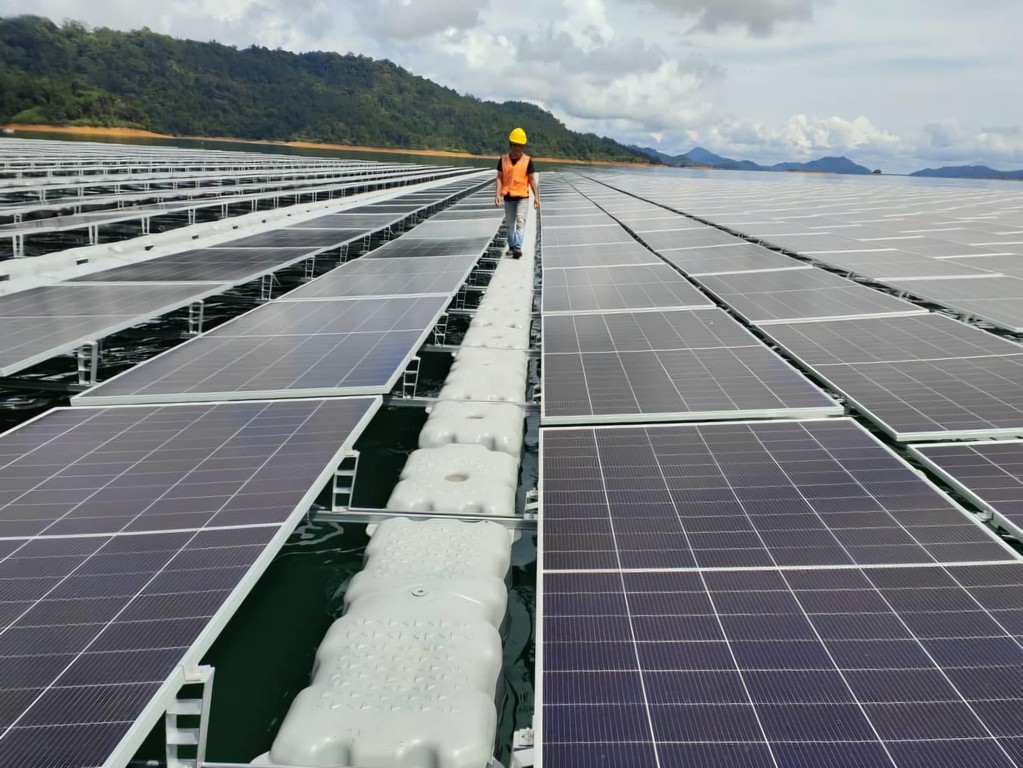
- Energy as a Strategic Advantage: Sarawak’s renewable energy resources, particularly hydropower, are being leveraged as a unique competitive edge.
The state’s low-carbon energy corridor is a powerful tool to attract energy-intensive, high-value industries, enabling a just transition while supporting its carbon-neutrality goals.
- Modernising Traditional Sectors: The oil and gas and shipbuilding sectors are being revitalised. With increasing state control over petroleum resources, there is a push towards downstream petrochemical diversification.
Concurrently, the shipbuilding industry, which holds a significant share of Malaysia’s capacity, is evolving in tandem with the energy sector’s needs.
Empowering the Backbone: MSMEs
Recognising that Micro, Small and Medium Enterprises (MSMEs) constitute over 96% of local businesses, the government has placed their development at the core of inclusive growth. A multi-pronged approach is in place:
- Capacity Building: Extensive training programs enhance entrepreneurial skills and digital literacy.
- Financial & Market Access: Targeted grants and financing schemes, alongside facilitated participation in international expos, help local businesses scale and globalise.
- Formalisation: Initiatives like the REGISTA program bring informal businesses into the formal economy, granting them access to broader support systems.
Economic ambition is being matched with enabling infrastructure. Development under the Post COVID-19 Development Strategy 2030 (PCDS 2030) framework includes advanced industrial parks and specialised ecosystems like the Sarawak Bioindustrial Park.
These facilities are designed to foster innovation, collaboration, and cluster-based growth in targeted future industries.
A Unified March Forward
Success hinges on effective public-private partnerships and collaboration across all stakeholders, from government agencies and global corporations to local entrepreneurs and academic institutions.
This aligned effort is essential to building the skilled workforce and innovative culture required for a high-income economy.
Sarawak’s economic strategy presents a compelling model of balanced development.
It seamlessly integrates bold, forward-looking initiatives in advanced technology and green energy with a deep commitment to uplifting local communities and enterprises.
By empowering its people, leveraging its unique advantages, and steadfastly pursuing a low-carbon economy, Sarawak is not merely adapting to global trends but is positioning itself as a competitive and responsible leader in the regional economic landscape.
The journey outlined is one toward sustainable, inclusive, and resilient prosperity for all Sarawakians.
Reference
Winding up Speech at 19th DUN Sarawak Sitting, 24 Nov 2025 – 3 December 2025, YB Datuk Dr Malcolm Mussen Anak Lamoh, Deputy Minister of International Trade, Industry and Investment