
Positioning Sarawak as an active leader in the global transition toward sustainable mobility, YB Dato Sri Lee Kim Shin, Minister for Transport, articulated a strategy in lockstep with international best practices.
The focus is dual-pronged: aggressively reducing carbon emissions while embedding cutting-edge smart technologies across the entire transport network.
This forward-looking approach is not merely aspirational rhetoric; it is a tangible plan already taking concrete shape across the state’s landscapes and cityscapes.
On land, Sarawak is intensifying efforts to enhance major road networks while pioneering next-generation public transport systems.
The crown jewel of this endeavour is the Kuching Urban Transportation System (KUTS), featuring hydrogen-powered Autonomous Rapid Transit (ART).
This flagship project is a bold statement of intent, positioning Kuching as a pioneer in clean, autonomous urban mobility.
While acknowledging the inevitable temporary disruptions of such transformative construction, the Minister outlined comprehensive, community-sensitive measures to minimize public inconvenience.
Complementing KUTS, the Stage Bus Service Transformation initiative, supercharged by real-time tracking technology, is already delivering tangible improvements in urban mobility and accessibility.
In the skies, rising passenger and cargo volumes signal robust economic health.
The upcoming launch of AirBorneo, a state-backed airline, is poised to revolutionize intra-state connectivity, binding Sarawak’s regions closer together.
Concurrent modernization projects at key airports, including Kuching and Miri, will further elevate Sarawak’s capacity to meet burgeoning travel and logistics demands, acting as catalysts for tourism and inter-regional trade.

Smart Management and Community Partnership
Public safety emerged as a central, non-negotiable theme.
A data-driven approach, informed by detailed road accident statistics, underpins a multi-pronged strategy.
This includes upgrading to intelligent traffic management systems, rolling out widespread public safety campaigns, and introducing stringent new regulations for commercial vehicles, such as mandatory speed-limiting devices.
Innovative initiatives like the Sarawak Traffic Games were highlighted as exemplary models of community engagement, transforming vital safety education into an interactive, participatory, and impactful experience for citizens of all ages.
Revitalizing Aquatic Highways
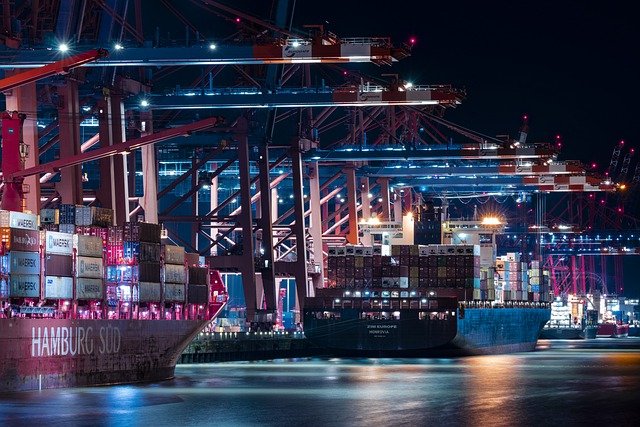
Acknowledging Sarawak’s lifeblood, its extensive river networks and coastal areas, maritime and riverine transport received focused attention.
New policy developments are geared toward enhancing safety, efficiency, and accessibility along these traditional yet vital aquatic highways.
Events like Sarawak Maritime Day serve as crucial platforms to promote the sector’s potential and foster public-private partnerships aimed at modernizing water-based transport.
This focus remains a critical component for ensuring rural connectivity and supporting regional economies.
Transport as an Economic Catalyst
The transport vision presented reveals deep, intentional interconnections between public policy, infrastructure, and broad-based economic growth.
Enhanced mobility is positioned not as an end in itself, but as a key driver for job creation, tourism expansion, and regional prosperity.
Sarawak’s strategic emphasis on hydrogen energy and green technology seamlessly aligns the state with global climate agendas, offering a replicable model for sustainable development within Malaysia and a compelling case study for the world.
Sailing with Purpose Toward PCDS 2030
By integrating technological innovation with unwavering sustainable practices and meaningful community engagement, Sarawak aims to build a network that does more than move people and goods, it aims to elevate the quality of life, ensure safety for all, and unlock widespread, inclusive economic potential.
As Sarawak navigates the complexities of the post-pandemic era, continued collaboration with all stakeholders, citizens, businesses, and federal partners, alongside steadfast adherence to evolving global standards, will be crucial.
With the PCDS 2030 as its unwavering compass, Sarawak is steadily and confidently steering toward a future defined by greater connectivity, enhanced resilience, and shared prosperity for all its people.
The voyage is strategic, the course is charted, and the destination is a sustainable tomorrow.
Reference
Winding up Speech at 19th DUN Sarawak Sitting, 24 Nov 2025 – 3 December 2025, YB Dato Sri Lee Kim Shin, Minister for Transport