


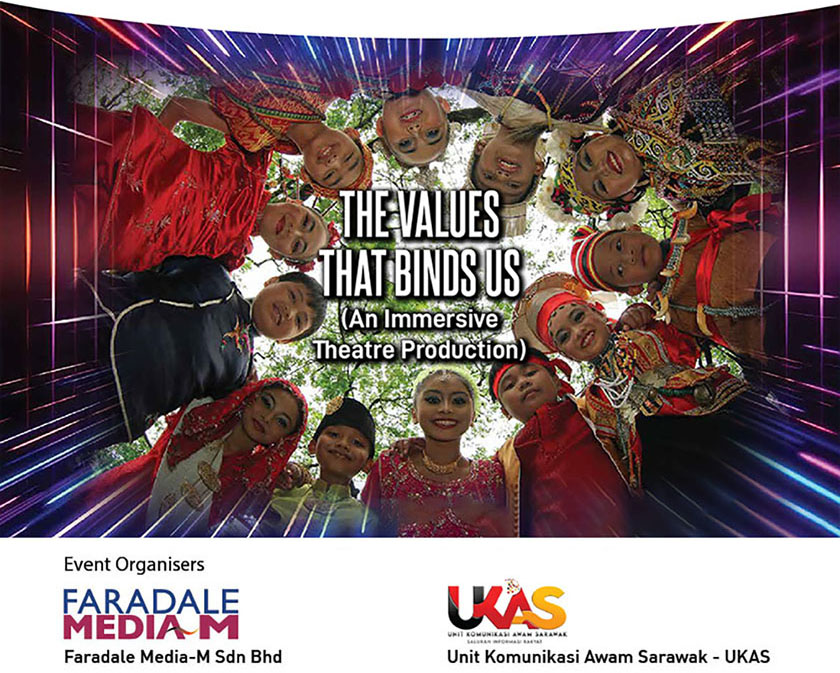
Since 1963, the Sarawak Civil Service has driven transformative development through infrastructure expansion, economic stabilization, and digital modernization. By bridging the gap between visionary policy and impactful execution, the service has navigated decades of challenges to foster a resilient and prosperous society. Today, it stands as a model of administrative excellence, having successfully transitioned Sarawak from a developing region into a modern, high-income powerhouse within Malaysia.
From colonial foundations under the Brooke era and Japanese occupation to post-war British expansion and asymmetrical autonomy enshrined in MA63, Sarawak’s education system has experienced a profound transformation marked by surging literacy rates from under 10% in 1900 to 91.4% by 2024, yet this progress is persistently undermined by stark rural-urban divides, dilapidated infrastructure affecting 20% of schools, quality deficits reflected in PISA scores trailing regional peers like Vietnam and Singapore, and federal funding biases that challenge both educational equity and the ambitious STEM-driven goals of PCDS 2030.