




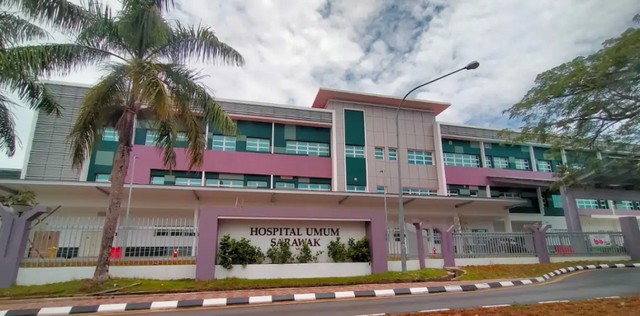
Sarawak, Malaysia’s largest state, faces significant challenges in its healthcare sector, particularly concerning the condition of its medical facilities, the prevalence of certain diseases, and the need to cultivate a larger pool of local medical professionals. Despite being one of the most resource-rich states in Malaysia, Sarawak continues to struggle with disparities in healthcare infrastructure, particularly in rural and remote areas where access to medical services remains limited.
Current Condition of Sarawak’s Hospitals
As of November 2023, a substantial portion of Sarawak’s government health facilities are in suboptimal condition. Deputy Premier Datuk Seri Dr. Sim Kui Hian reported that out of 271 government health facilities, 209 (approximately 77.1%) are classified as being in poor condition. This includes 177 health clinics, 17 community clinics, 11 maternal and child health clinics, and four rural clinics. The high percentage of dilapidated health facilities presents a major challenge in delivering effective healthcare services, particularly in underserved areas where hospitals and clinics are the only lifeline for the local population.
In response to this issue, the federal Ministry of Health allocated RM21 million in 2023 for repairs and upgrades, with RM8.4 million specifically designated for dilapidated clinics. While this funding is a positive step forward, many experts argue that a more substantial and long-term financial commitment is necessary to address the widespread infrastructural deficiencies in the healthcare system. Many rural clinics lack modern medical equipment, trained personnel, and proper sanitation facilities, which can compromise patient safety and the quality of medical care.
These developments are part of a broader initiative to enhance healthcare delivery across the state. Once completed, these hospitals and additional blocks will help alleviate overcrowding, improve accessibility to specialized treatments, and offer better medical services to the local population. However, concerns remain about whether these new facilities will be sufficiently staffed and equipped to handle the growing healthcare demands of Sarawak’s population.
Prevalent Diseases in Sarawak
Healthcare professionals in Sarawak manage a variety of diseases, with dengue fever and rabies being particularly concerning. These diseases not only pose public health risks but also strain an already burdened healthcare system.
Dengue Fever
Dengue fever has been a persistent issue in Sarawak, with cases fluctuating over the years. Between 2013 and 2022, Sarawak recorded 14,020 dengue cases. The highest incidence was in 2016, with 2,773 cases, while the lowest was in 2021, with 426 cases. Over this period, there were 37 fatalities, with a case fatality rate ranging from 0.12% to 0.75%.
The rise and fall in dengue cases can be attributed to various factors, including climate conditions, mosquito breeding patterns, and public health interventions. While authorities have ramped up efforts to combat dengue through mosquito control programs, fogging operations, and public awareness campaigns, continued vigilance is necessary to prevent future outbreaks. Additionally, enhancing early detection and treatment facilities in rural clinics can help reduce mortality rates linked to dengue fever.
Rabies
Rabies has been another significant public health crisis in Sarawak. Since the outbreak began in July 2017, Sarawak has reported 49 rabies cases, resulting in 44 deaths as of December 2022. The virus has spread to multiple divisions, including Betong, Kapit, Kuching, Miri, Samarahan, Sarikei, Sibu, and Sri Aman.
Efforts to control rabies include mass vaccination campaigns for dogs, strict pet ownership regulations, and extensive public health education programs. However, rural communities remain particularly vulnerable due to limited access to immediate post-exposure treatment. More investment in rabies treatment centers, public education, and enforcement of pet vaccination laws is necessary to curb the spread of the disease.
These statistics underscore the ongoing public health challenges in the region. With limited medical resources and staffing issues, combating these diseases requires a collaborative effort between the government, healthcare providers, and the public.
Government Initiatives to Train More Local Doctors
Addressing the shortage of local medical professionals is a priority for the Sarawak government. As of January 2025, the state has 4,600 doctors: 4,000 in the public sector under the Ministry of Health Malaysia and 600 in private practice. Notably, a significant number of these doctors are not native Sarawakians, which raises concerns about retention rates and long-term service commitments in the state.
Deputy Premier Dr. Sim Kui Hian has emphasized the need to train more local doctors to better serve the state’s healthcare needs. Efforts are underway to increase the number of Sarawakian medical graduates through collaborations with educational institutions and scholarship programs. Some key initiatives include:
Scholarships and Financial Aid: Providing financial assistance to Sarawakian students pursuing medical degrees to encourage more locals to enter the profession.
Expansion of Medical Schools: Strengthening partnerships with universities to establish more medical programs tailored to Sarawak’s healthcare needs.
Bonding Programs: Implementing incentives and contract-based service obligations to retain local medical graduates within the state for a specified period.
Additionally, the government is exploring ways to improve working conditions and career advancement opportunities for doctors in Sarawak. By offering better salaries, housing incentives, and professional development programs, officials hope to retain more doctors in the state and reduce dependence on external hires.
Sarawak’s healthcare system is currently grappling with infrastructural deficiencies, a high burden of infectious diseases, and a shortage of local medical professionals. While significant challenges remain, ongoing government initiatives focused on upgrading medical facilities and training local doctors are steps in the right direction. However, these efforts must be sustained and expanded to ensure long-term improvements in the state’s healthcare system.
A multi-pronged approach is necessary to achieve this goal. Increased government investment, innovative healthcare policies, and enhanced public-private partnerships will be key to ensuring that Sarawak’s healthcare system can effectively meet the needs of its population. In particular, improving rural healthcare access, strengthening disease prevention measures, and fostering a well-trained local medical workforce will be crucial in bridging the healthcare gap in the state.
Moving forward, the government and healthcare stakeholders must work together to implement strategic, sustainable, and long-term solutions. Only through comprehensive planning and dedicated execution can Sarawak achieve a healthcare system that is resilient, inclusive, and capable of providing quality medical care for all its residents.
References
- https://www.sarawak.gov.my/web/home/news_view/119/17950
- https://www.tvsarawak.my/2025/01/01/sarawak-miliki-4600-doktor-berkhidmat-di-sektor-awam-dan-swasta/
- https://www.astroawani.com/berita-malaysia/tumpu-usaha-lahir-lebih-ramai-doktor-dari-sarawak-fadillah-431397
- https://berita.rtm.gov.my/nasional/senarai-berita-nasional/senarai-artikel/tumpu-usaha-lahir-lebih-ramai-doktor-dari-sarawak
- https://www.sinarharian.com.my/article/272060/edisi/sabah-sarawak/tumpu-usaha-lahir-lebih-ramai-doktor-dari-sarawak—fadillah
- https://www.malaymail.com/news/malaysia/2023/11/28/deputy-premier-209-out-of-271-govt-health-facilities-in-sarawak-in-poor-condition/104704
- https://dayakdaily.com/deputy-premier-calls-for-greater-focus-on-training-local-doctors-as-majority-are-non-sarawakian/
- https://www.malaymail.com/news/malaysia/2023/06/12/sarawak-state-minister-moh-study-predicting-glut-of-medical-officers-from-2026-2030-should-take-into-account-true-situation-of-countrys-medical-services/73781
- https://jknsarawak.moh.gov.my/hus/laporan_tahunan/