


Just innews timeline
- 1 day ago
- 2 days ago
- 3 days ago
- 4 days ago
- 5 days ago
- 6 days ago
- 1 week ago
- 1 week ago
- 1 week ago
- 1 week ago
- Advertisement -
Recent Articles
Dari RAKAN Sarawak

The Fragility Beneath the Interface
Governments promise citizens effortless digital services, and the promise works. Malaysia delivers 80 percent of government services online, and MyDigital ID passed one million users. That smoothness is the quiet seduction. Nobody asks what happens when the screen goes dark.
Galeri Foto | Photo Gallery
Sarawak Expands High-Yield Coconut Farming
Sarawak actively promotes high-yield coconut varieties like Matag and Pandan to boost state agriculture. Strong domestic and export market demand offers local farmers lucrative income streams, positioning coconut cultivation as a central driver for sustainable rural development.
Dari RAKAN Sarawak

Sarawak Budget 2027: What It Means for Everyday Life
Sarawak Budget 2027 focuses on social development by helping families with daily costs. It provides cash aid, electricity and water subsidies, free tertiary education, welfare support and better rural water and power supply for ordinary people.
Galeri Foto | Photo Gallery
Sarawak Upgrades Essential Water Networks
Sarawak is making big strides to supply clean water to everyone. The government funded over 400 projects to connect remote areas and replace old pipes. This ensures reliable clean water access daily while reducing major water loss across the state.
Dari RAKAN Sarawak
Officer as Trust-Builder
Transparent government builds public trust when citizens can see fair processes, clear explanations and honest use of data. Integrity must match these words through consistent action, because one hidden decision or delayed disclosure can quickly undo years of public confidence.
Galeri Foto | Photo Gallery
Yayasan Sarawak Nurtures Future Workforce
The modern facilities at Yayasan Sarawak International Secondary School provide students with a strong foundation. By offering world-class learning environments, the institution prepares talented youth to become skilled professionals who will drive Sarawak's economic growth forward.

discover
Infographic
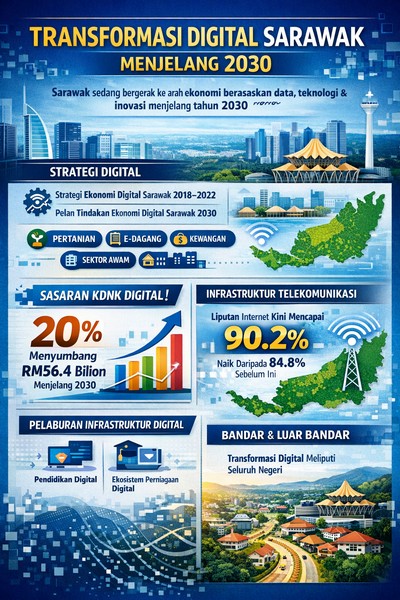
Infografik menunjukkan Transformasi Digital Sarawak Menjelang 2030
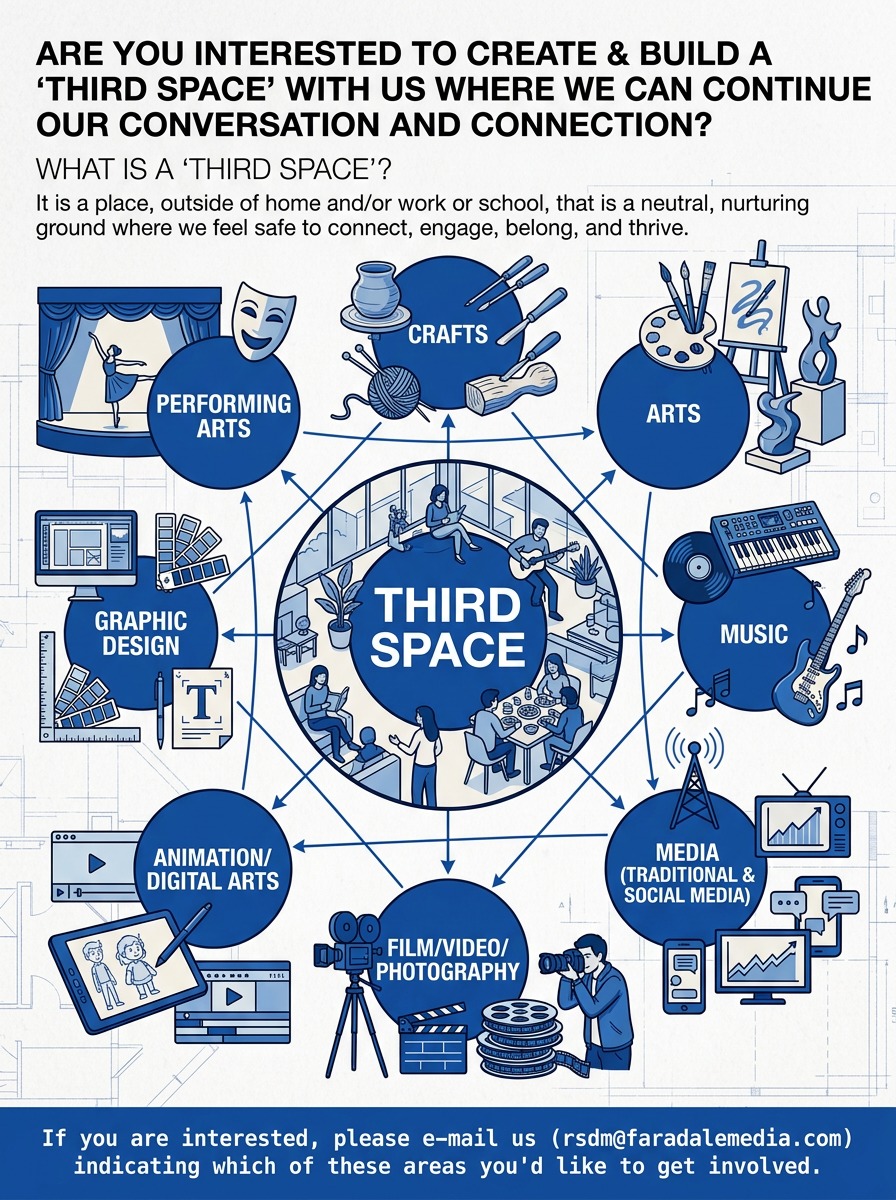
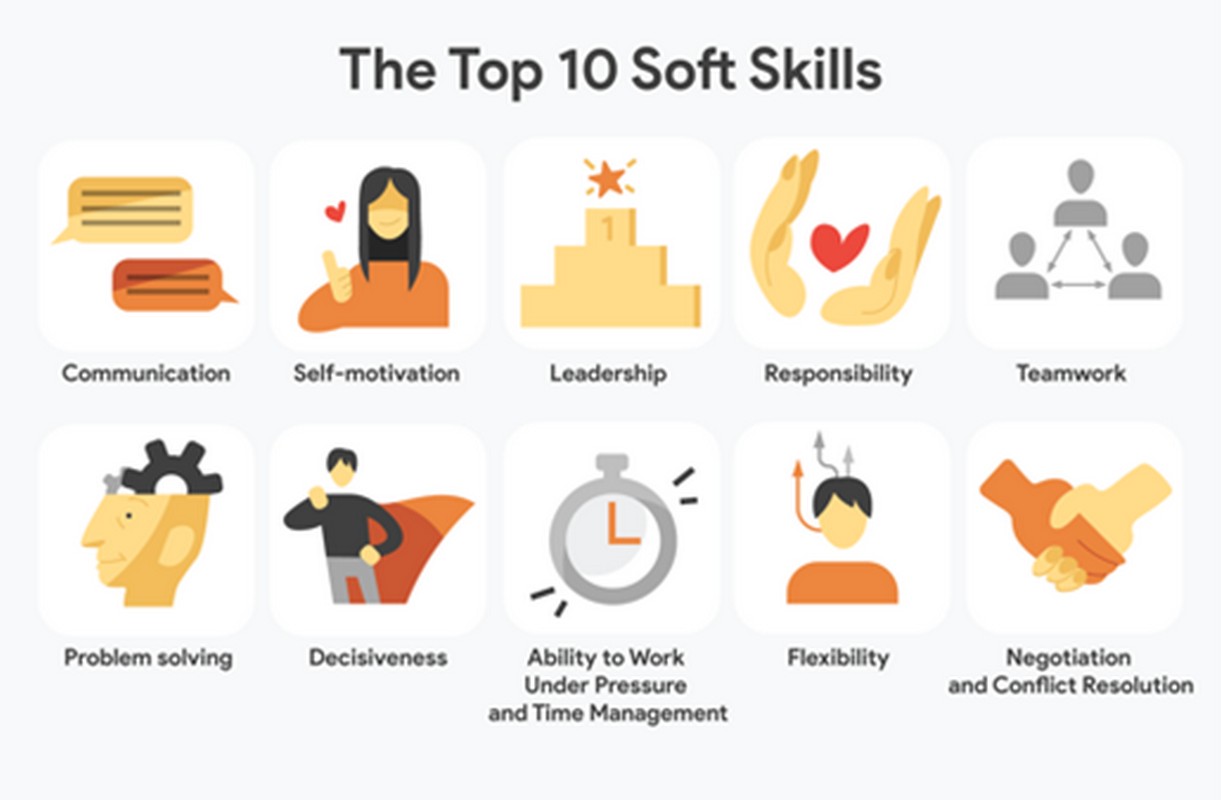
10 Soft Skills That Are Crucial for Work Readiness — Credit: NMD Training and Consultation
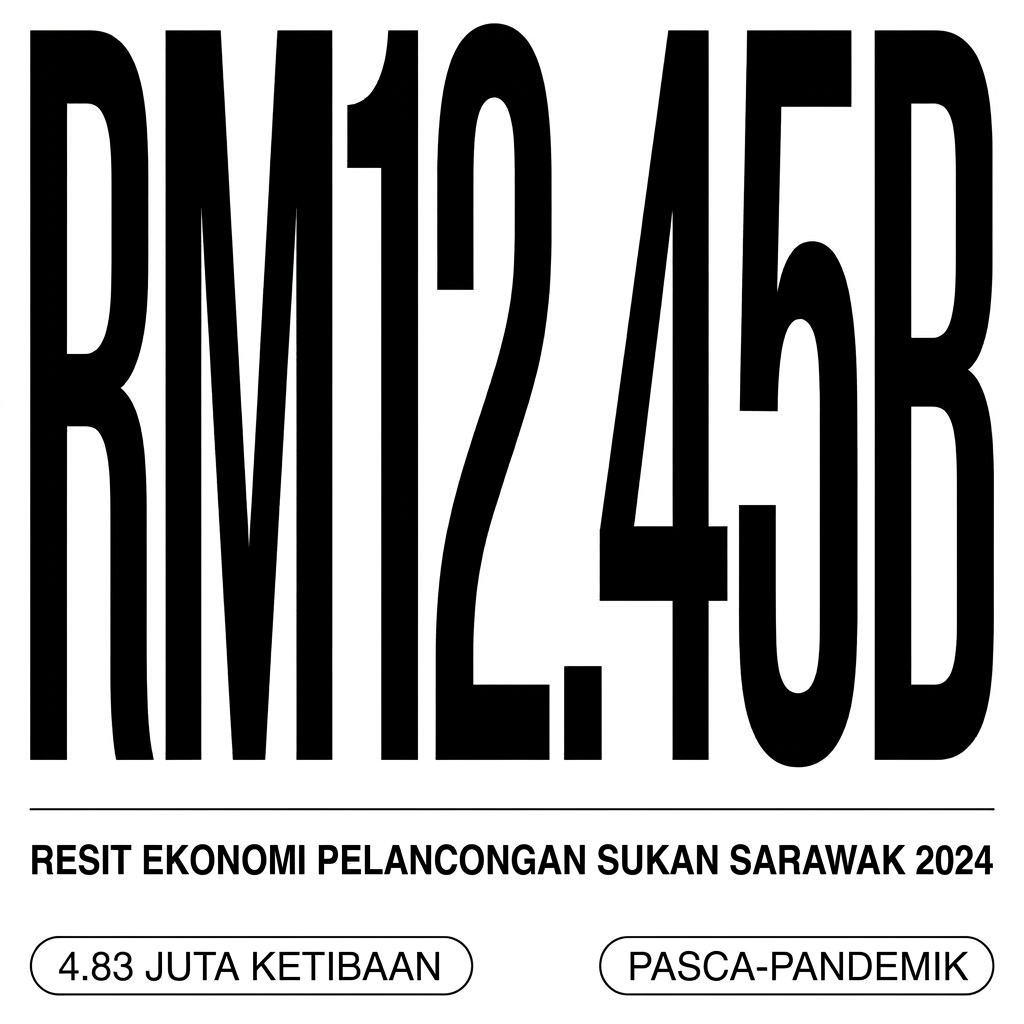
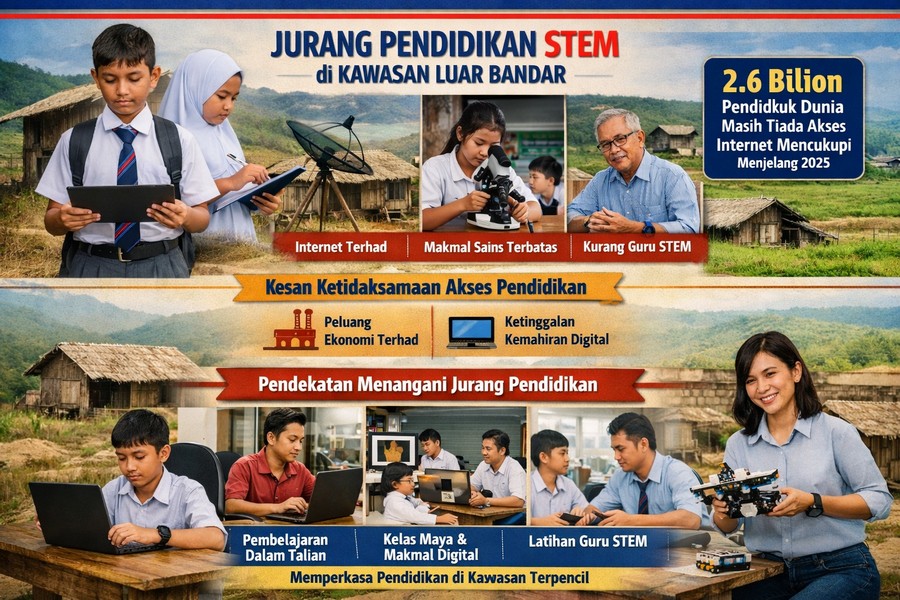
Tanpa akses kepada pendidikan STEM, pelajar luar bandar berisiko ketinggalan dalam ekonomi digital
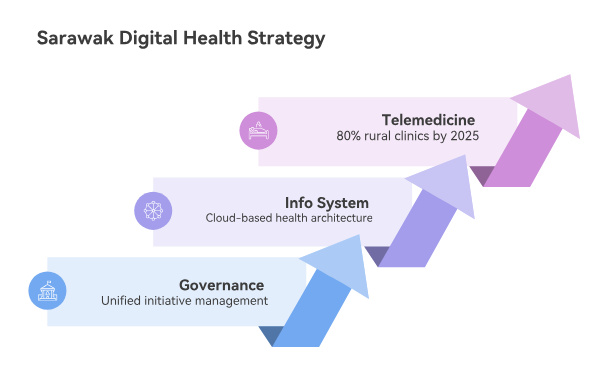
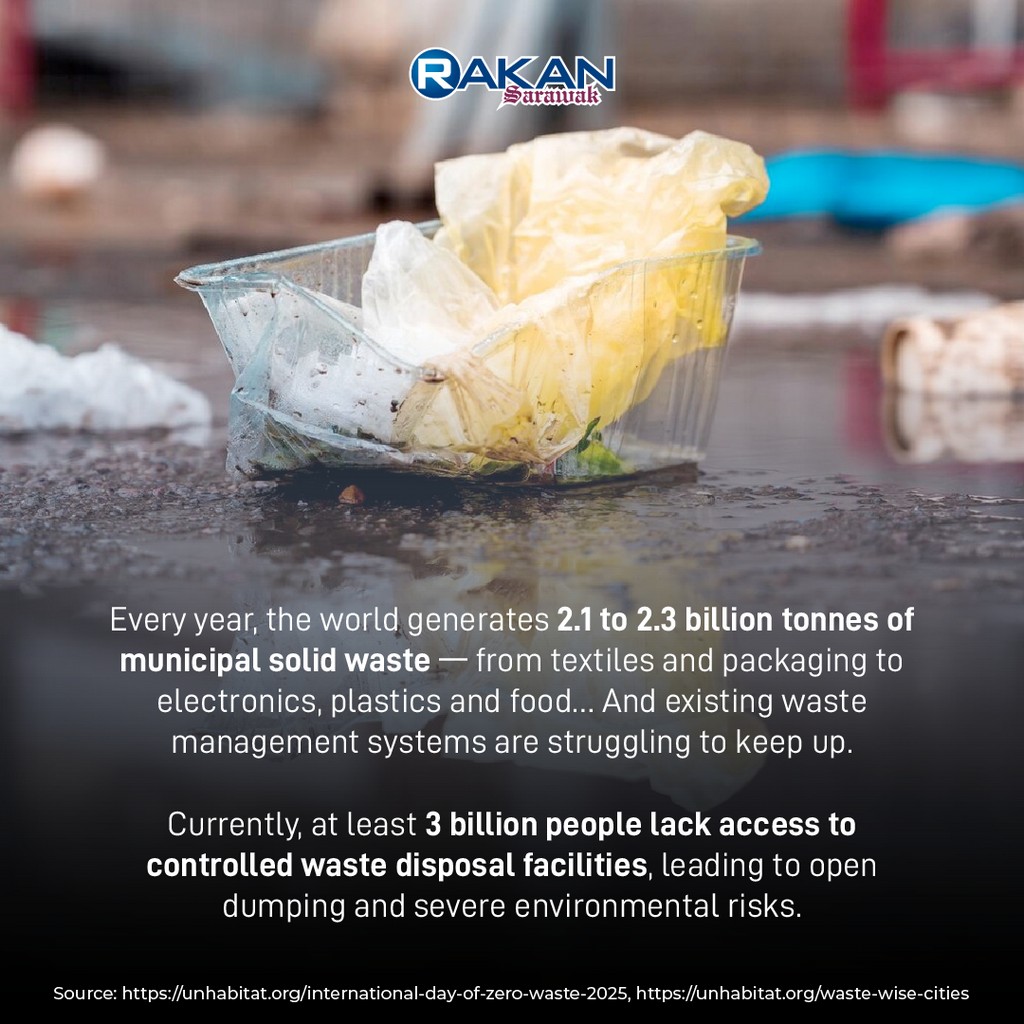
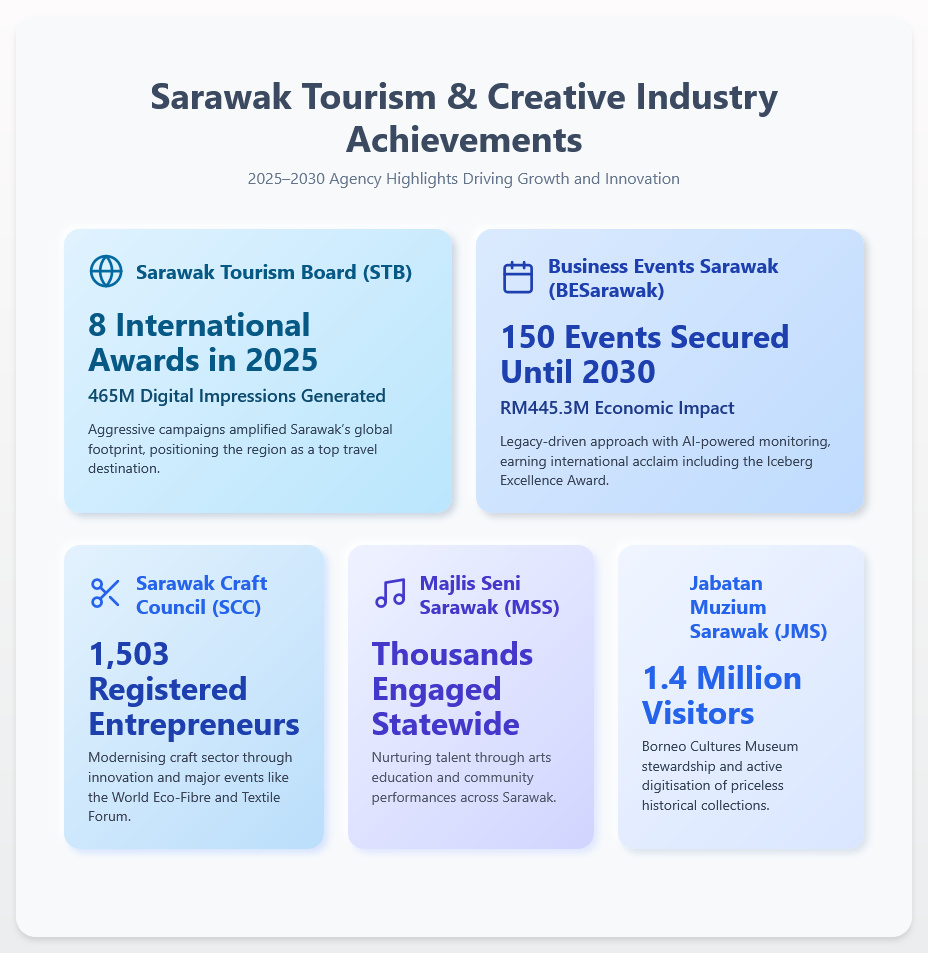
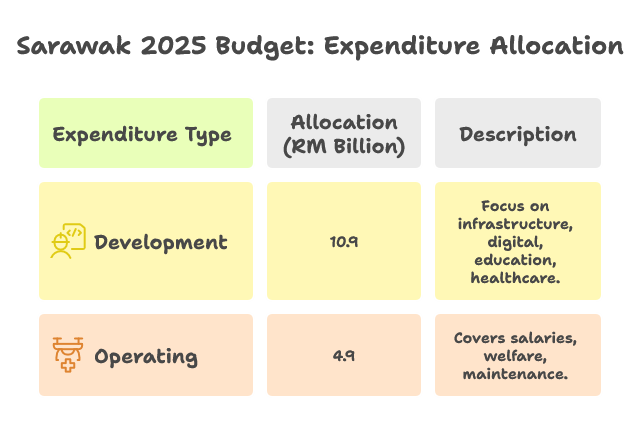
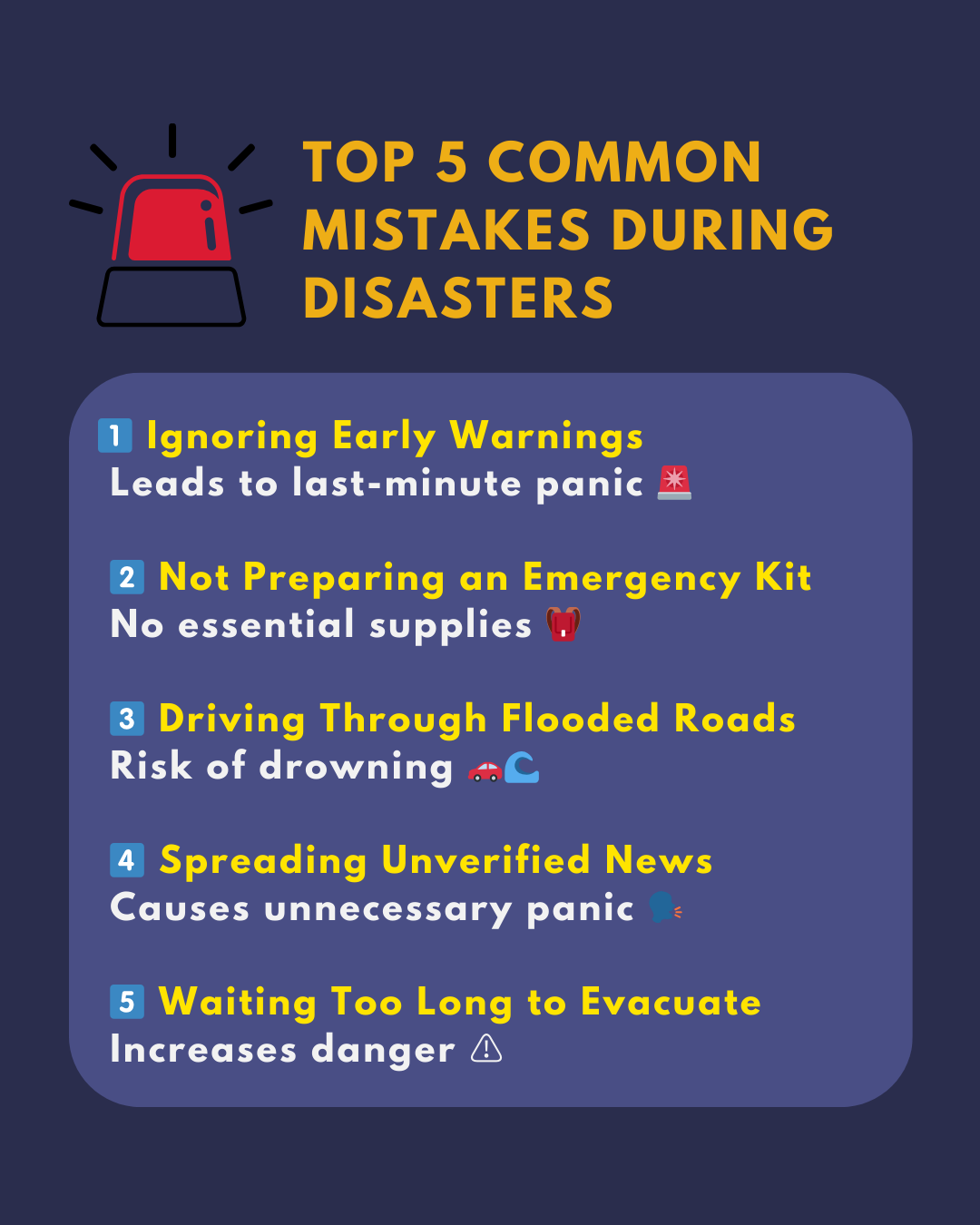
Avoid common disaster mistakes: Heed warnings, prepare an emergency kit, avoid flooded roads, verify news, and evacuate on time


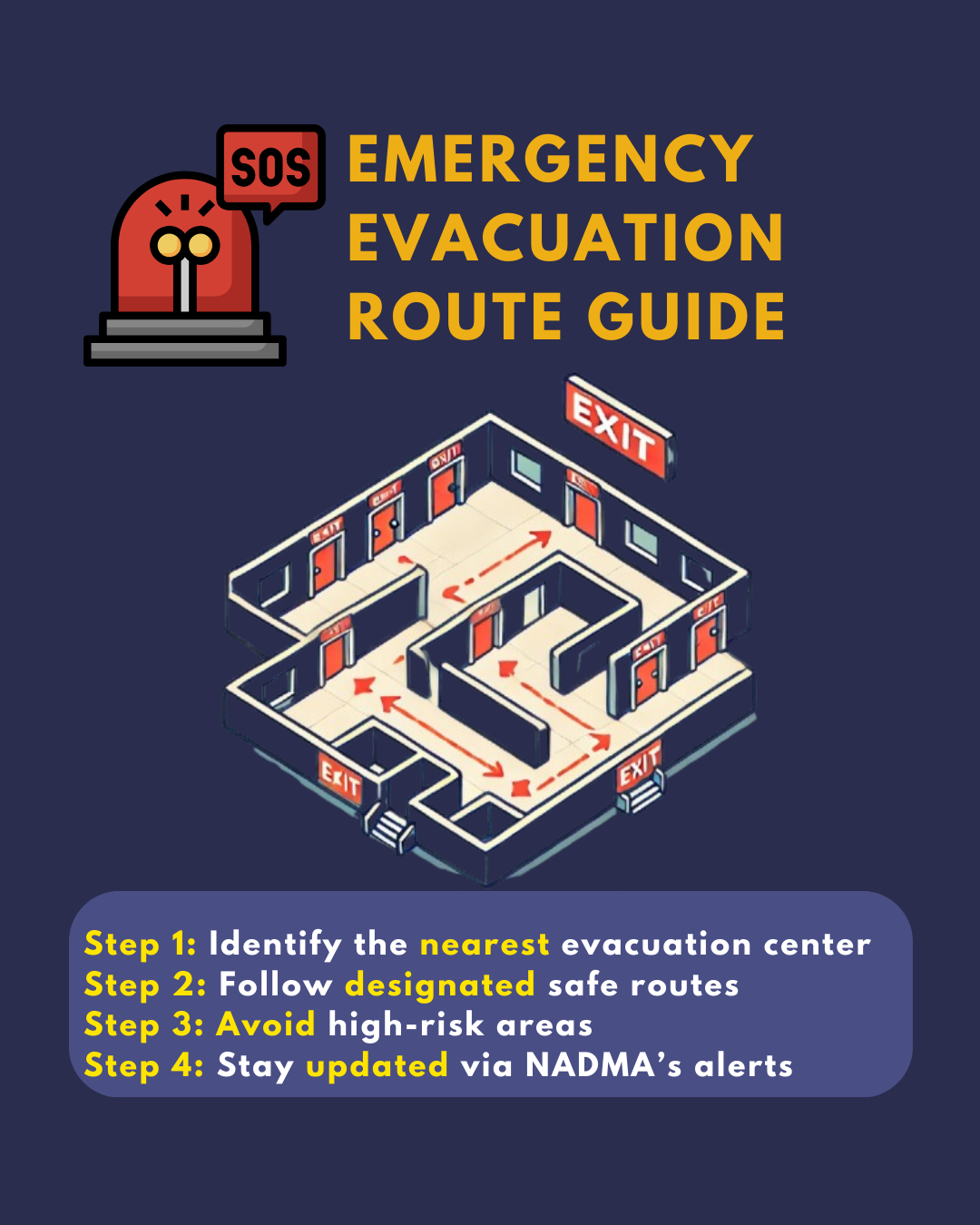
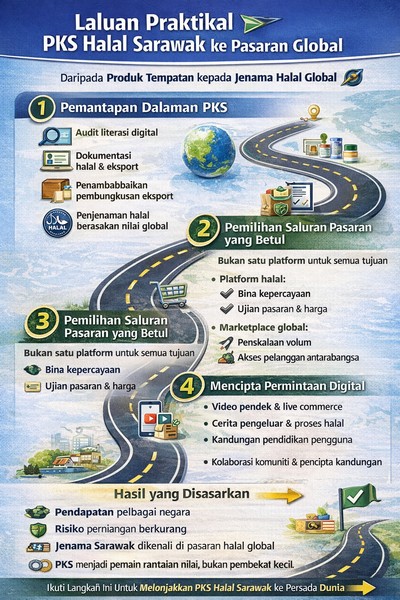
Emergency evacuation guide: Locate the nearest center, follow safe routes, avoid danger zones, and stay updated with NADMA alerts
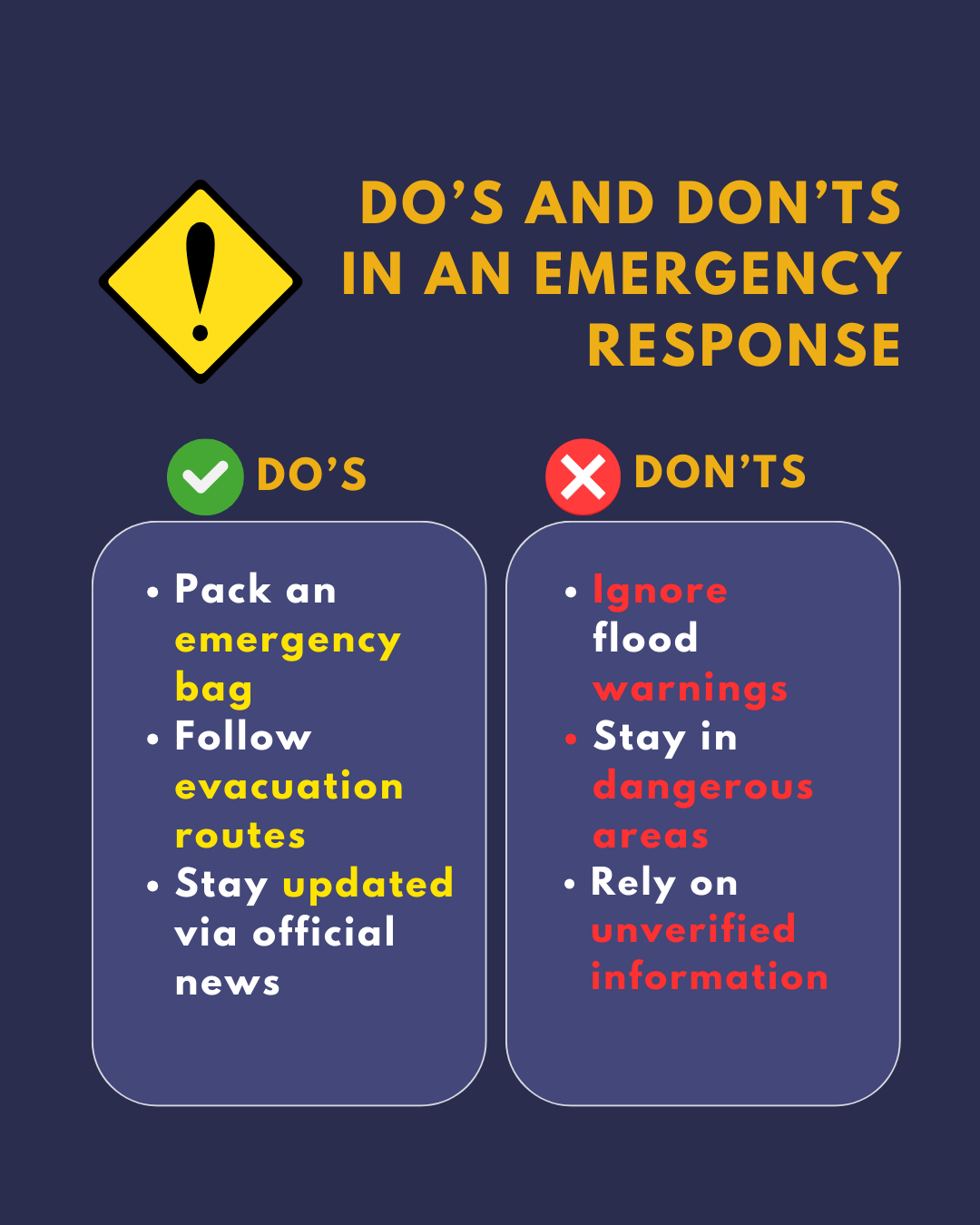
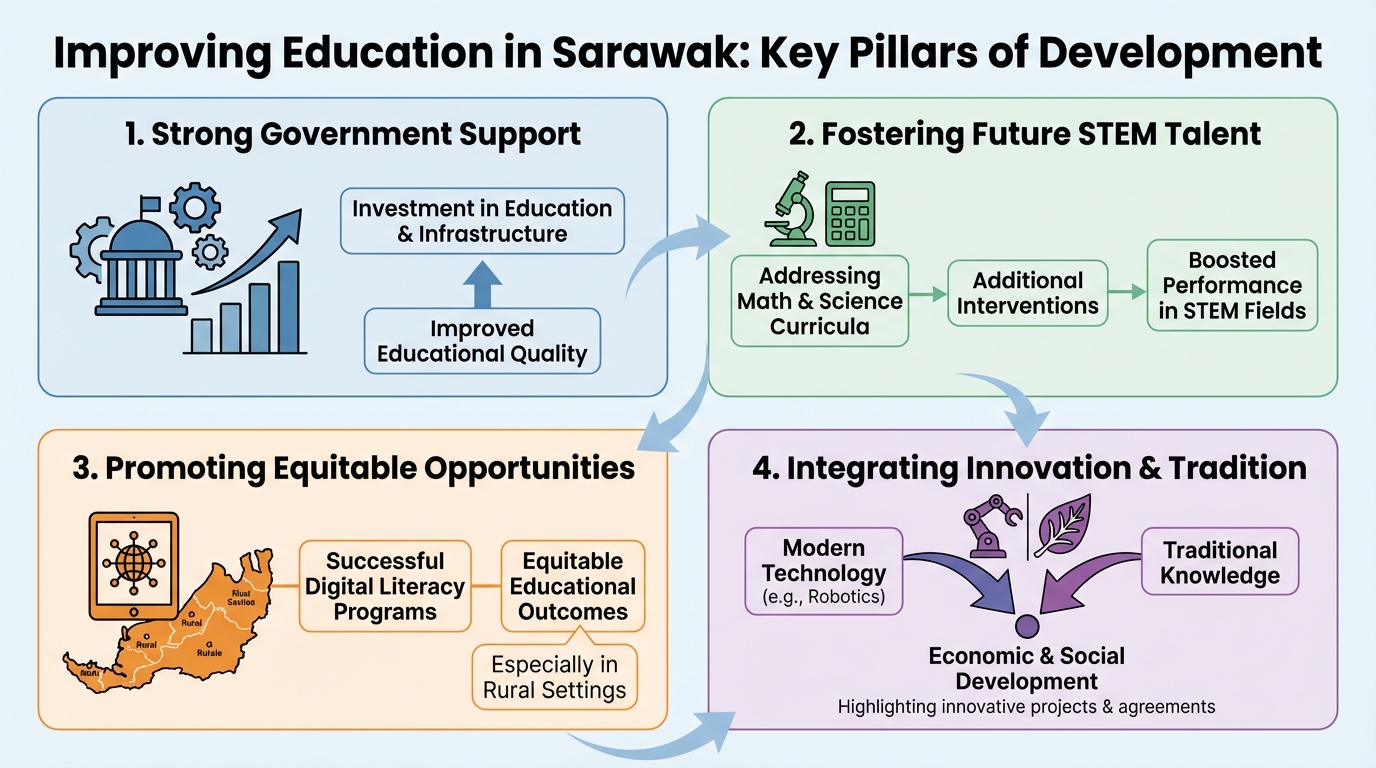
Essential emergency response tips: Pack an emergency bag, follow evacuation routes, stay updated, and avoid misinformation during crises
Explore more articles

Dari RAKAN Sarawak
The Fragility Beneath the Interface
Governments promise citizens effortless digital services, and the promise works. Malaysia delivers 80 percent of government services online, and MyDigital ID passed one million users. That smoothness is the quiet seduction. Nobody asks what happens when the screen goes dark.
Galeri Foto | Photo Gallery
Sarawak Expands High-Yield Coconut Farming
Sarawak actively promotes high-yield coconut varieties like Matag and Pandan to boost state agriculture. Strong domestic and export market demand offers local farmers lucrative income streams, positioning coconut cultivation as a central driver for sustainable rural development.
Dari RAKAN Sarawak

Sarawak Budget 2027: What It Means for Everyday Life
Sarawak Budget 2027 focuses on social development by helping families with daily costs. It provides cash aid, electricity and water subsidies, free tertiary education, welfare support and better rural water and power supply for ordinary people.
Galeri Foto | Photo Gallery
Sarawak Upgrades Essential Water Networks
Sarawak is making big strides to supply clean water to everyone. The government funded over 400 projects to connect remote areas and replace old pipes. This ensures reliable clean water access daily while reducing major water loss across the state.
Dari RAKAN Sarawak
Officer as Trust-Builder
Transparent government builds public trust when citizens can see fair processes, clear explanations and honest use of data. Integrity must match these words through consistent action, because one hidden decision or delayed disclosure can quickly undo years of public confidence.
Galeri Foto | Photo Gallery
Yayasan Sarawak Nurtures Future Workforce
The modern facilities at Yayasan Sarawak International Secondary School provide students with a strong foundation. By offering world-class learning environments, the institution prepares talented youth to become skilled professionals who will drive Sarawak's economic growth forward.