

Just innews timeline
- 2 days ago
- 4 days ago
- 6 days ago
- 1 week ago
- 2 weeks ago
- 2 weeks ago
- 2 weeks ago
- 3 weeks ago
- 3 weeks ago
- 3 weeks ago
- Advertisement -
Recent Articles
Betong

Spaoh Semakin Pesat Membangun
Kedudukan Daerah Kecil Spaoh ialah di antara Daerah Kecil Debak di sebelah utara/ barat, daerah Sri Aman di sebelah selatan dan daerah Betong di sebelah timur.
Daerah Kecil Spaoh mempunyai keluasan 529.12 km persegi dan mempunyai 4 kawasan di...
Dari RAKAN Sarawak
Cutting Red Tape, Boosting Productivity
Malaysia's Bureaucratic Red Tape Reform streamlines public services, slashing compliance costs by RM2.01 billion. By leveraging AI and simplifying procedures, the nation significantly boosted its global competitiveness ranking.
Dari RAKAN Sarawak
Beyond the Numbers: Understanding Sarawak’s Poverty Paradox
Sarawak’s World Bank high-income label masks urban destitution and rural isolation. A localized Multidimensional Poverty Index reveals elderly urban poor, chronic illness, and infrastructure gaps. Policymakers under the 13th Malaysia Plan and PCDS 2030 shift toward differentiated, inclusive poverty solutions.
Culture
Saving Heritage, One Swipe at a Time
Governments are leveraging TikTok to revitalize traditional culture, transforming it from static museum exhibits into living, digital narratives. By utilizing short videos, they are engaging youth, preserving crafts, and creating economic opportunities for artisans, ensuring heritage survives and thrives in the modern age.
Berita dari Putrajaya
Malaysia’s New Cyber Law Fights Soaring Digital Threats
With cybercrime spiking 87% and losses nearing RM3 billion, Malaysians must secure passwords, verify calls, and report scams instantly. Avoid sharing personal data, enable two-factor authentication, and stay alert to phishing. The new Cybercrimes Bill 2026 empowers enforcement, but public vigilance remains the first defense against digital predators.
Berita dari Putrajaya
The Government Service Efficiency Commitment Act 2025: Malaysia’s Legislative Answer to Bureaucratic Drag
Malaysia's Akta ILTIZAM 2025 requires a 25% reduction in regulatory burden every three years, institutionalizes service performance ratings tied to budgets, mandates offsetting new rules with revocations, and demands triennial reports to Parliament to reform the civil service for efficiency and accountability

discover
Infographic
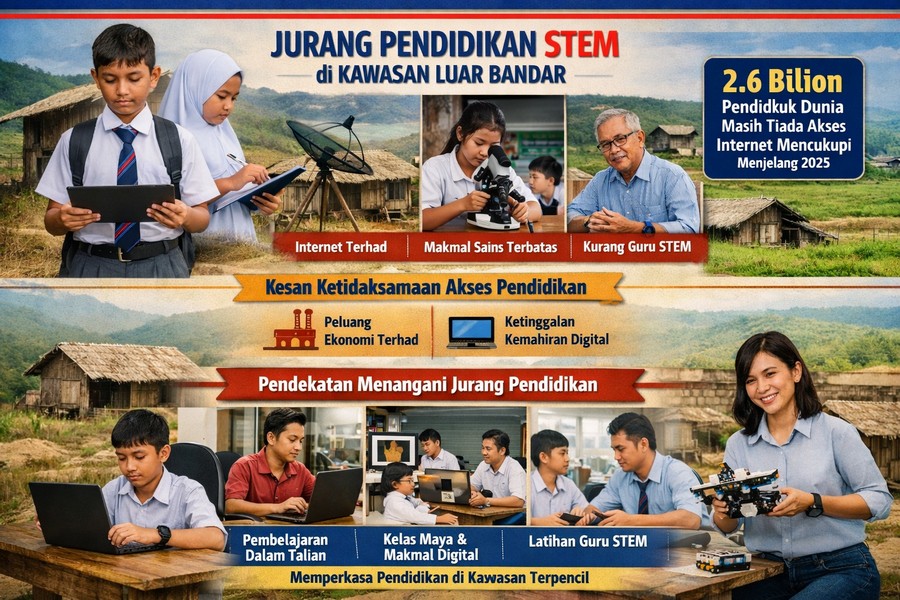
Tanpa akses kepada pendidikan STEM, pelajar luar bandar berisiko ketinggalan dalam ekonomi digital
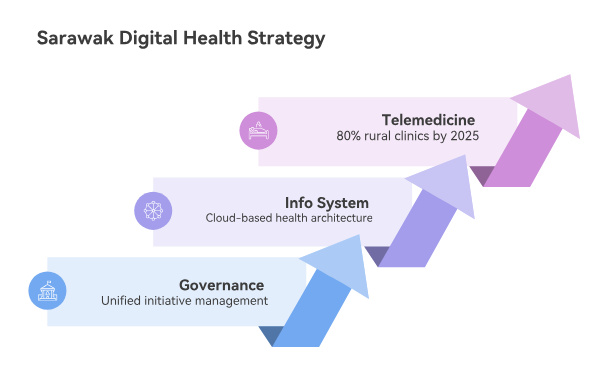
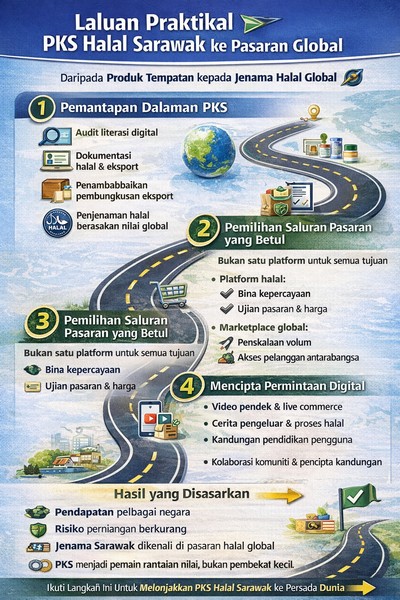
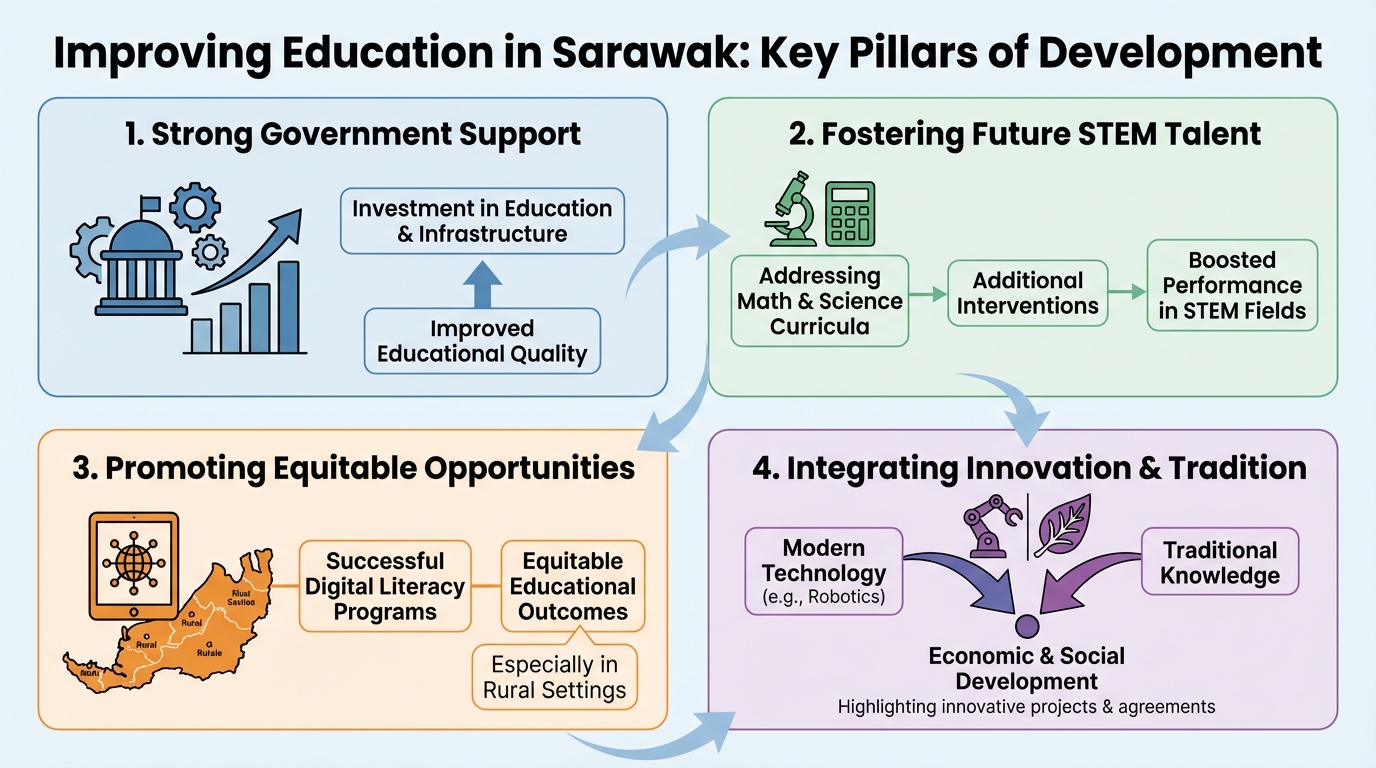
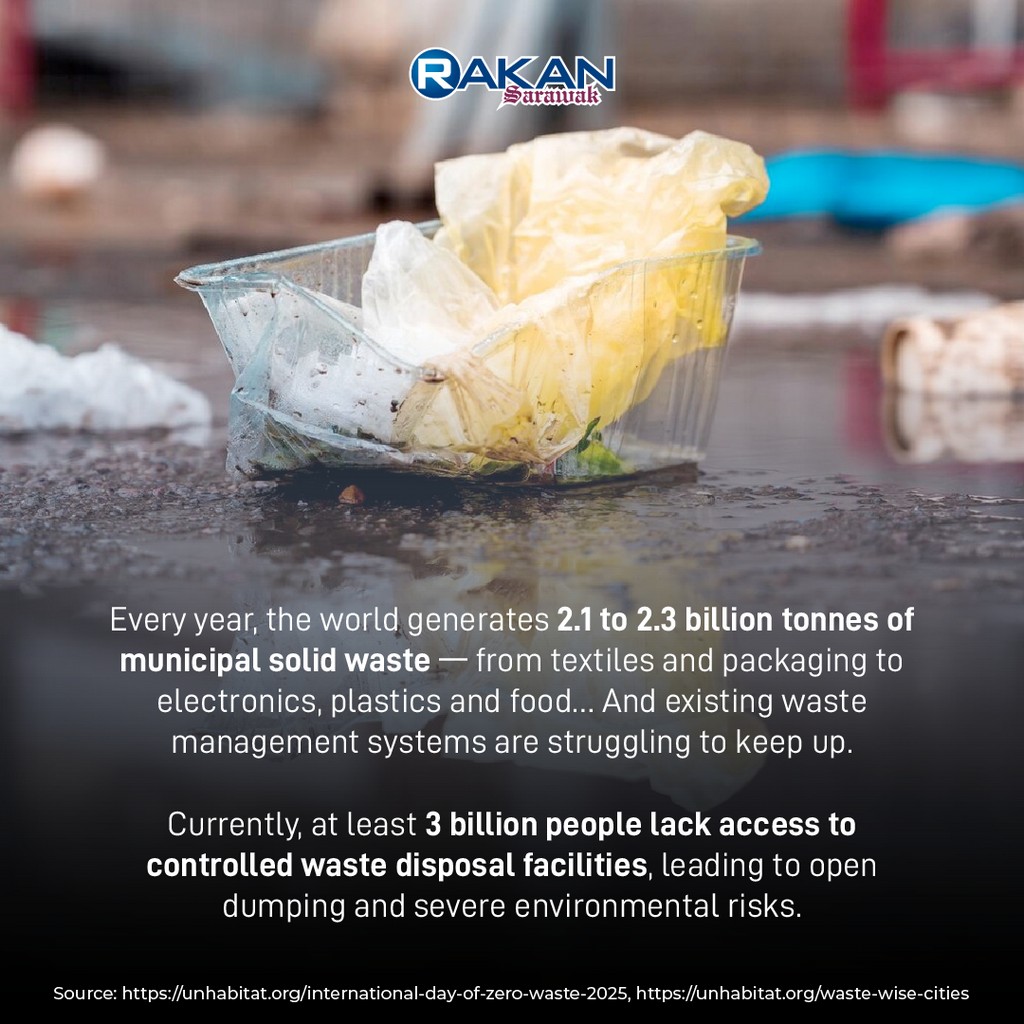
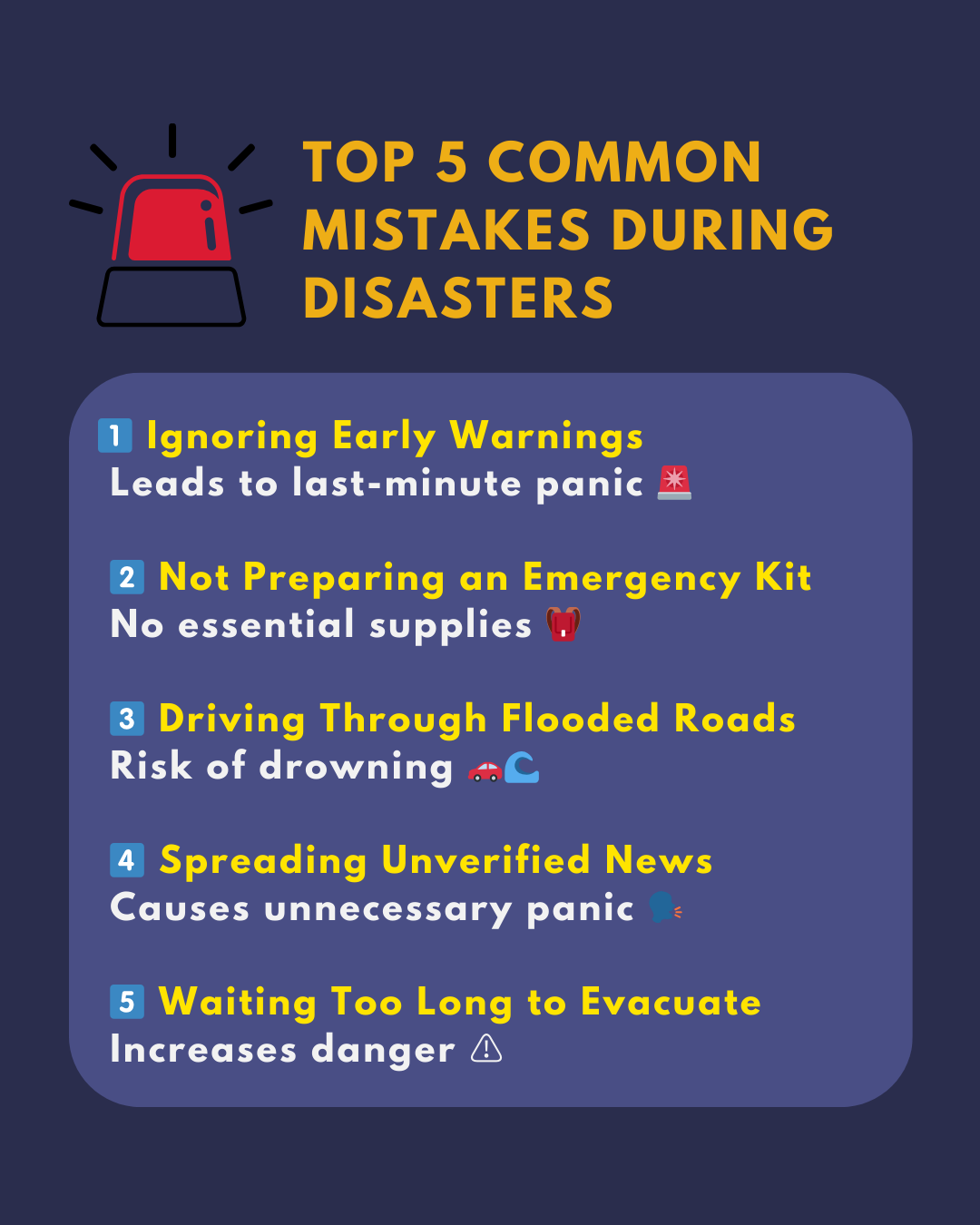
Avoid common disaster mistakes: Heed warnings, prepare an emergency kit, avoid flooded roads, verify news, and evacuate on time


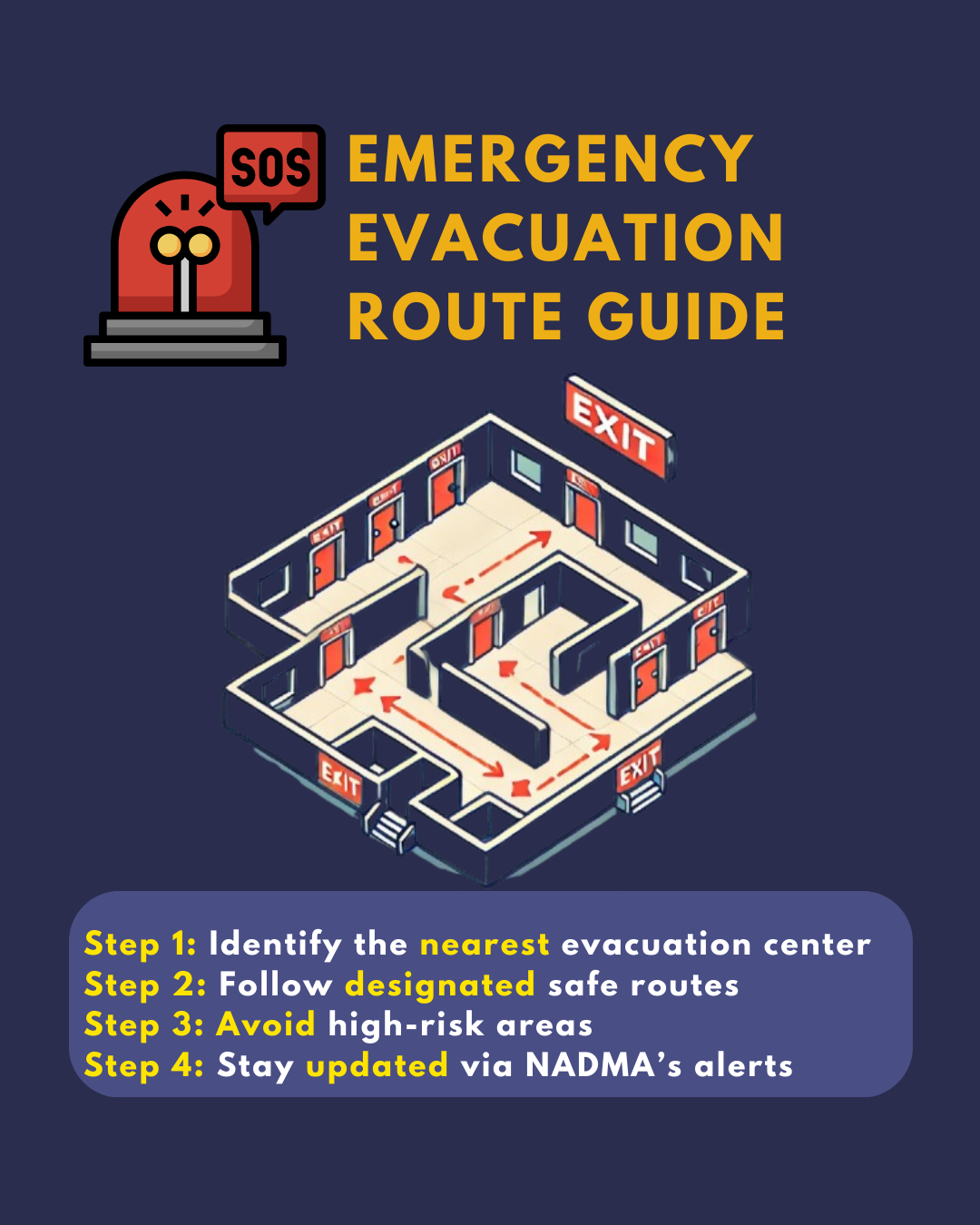
Emergency evacuation guide: Locate the nearest center, follow safe routes, avoid danger zones, and stay updated with NADMA alerts
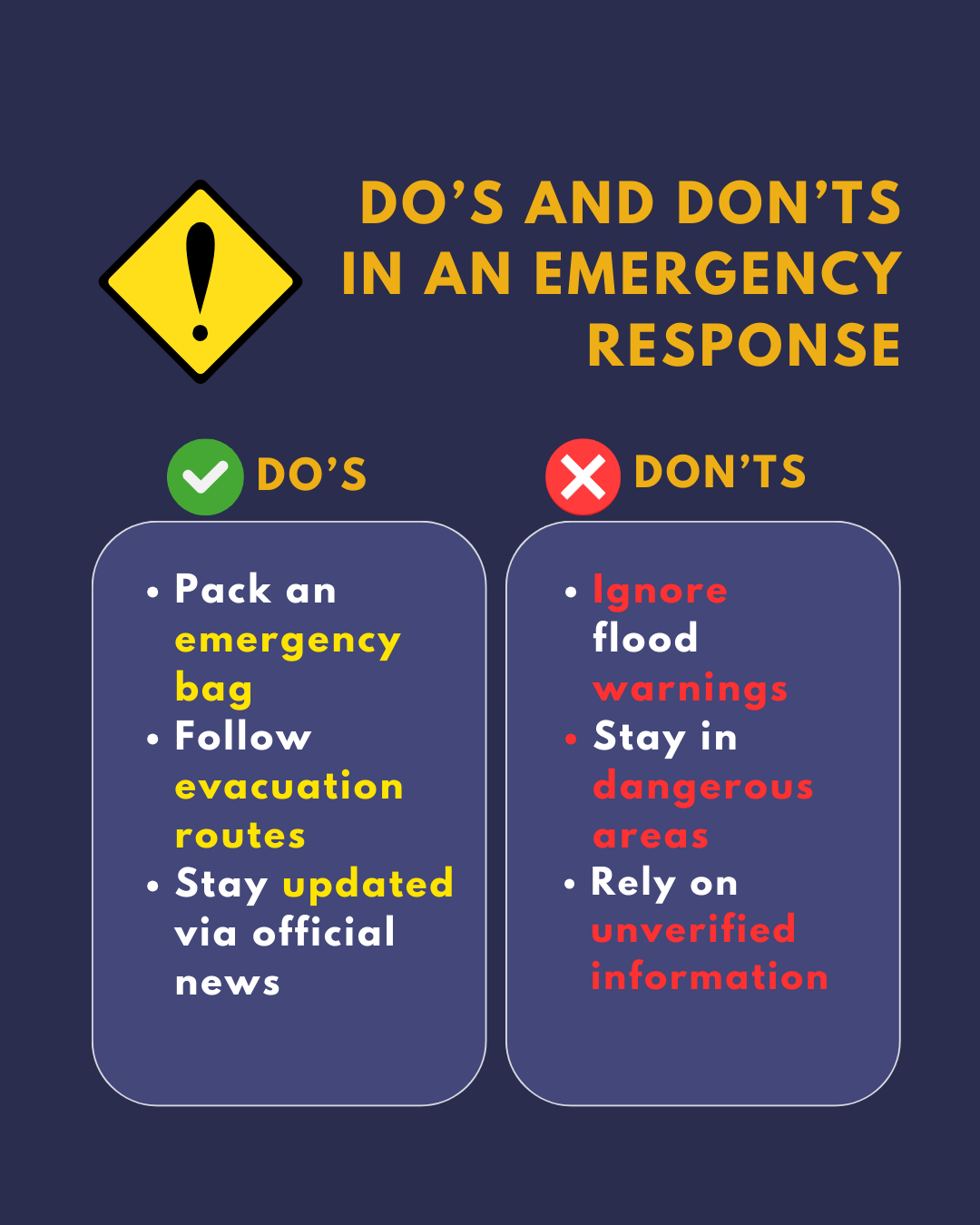
Essential emergency response tips: Pack an emergency bag, follow evacuation routes, stay updated, and avoid misinformation during crises
Explore more articles

Dari RAKAN Sarawak
Better Evidence for Decision Making
Results-orientated governments are increasingly making use of hard data and statistical analysis to enlighten decisions.
Dari RAKAN Sarawak
Delivering Better Services
Today’s civil servants are addressing problems of unprecedented complexity in societies that are more pluralistic and demanding than ever. At the same time, the systems and tools of governance are increasingly digital, open and networked.
Dari RAKAN Sarawak
Challenging VUCA Era
Globalisation today is about the interconnections among individuals, firms, and groups. It made possible by information revolution and technology where most of the time misjudged, misinterpreted or ignored, until it unexpectedly must be understood and incorporated into our understanding.
Dari RAKAN Sarawak
We Shall Respect One Another And Our Differences
The differences in race, religion and faith should not lead to dispute and disunity among the people.
Instead, such differences should represent the natural character of human beings that ought to be appreciated.
Dari RAKAN Sarawak
To Serve And Truly Help People
Civil servants play an important role in society and it is important that we serve them ethically, with integrity, loyalty, impartiality, and objectivity.
Dari RAKAN Sarawak
Teamwork Facilitates Solutions
Teamwork is the most important part of every organisation because it can share information, provide motivation, and help make better decisions.