


Just innews timeline
- 2 days ago
- 3 days ago
- 4 days ago
- 4 days ago
- 5 days ago
- 6 days ago
- 1 week ago
- 1 week ago
- 1 week ago
- 2 weeks ago
- Advertisement -
Recent Articles
Galeri Foto | Photo Gallery

Crossing the River to Learn
Every morning, rural children cross muddy rivers by small boat to reach school. They face strong currents, storms and scarce life jackets. Yet they keep going, because education offers their families a way out of poverty.
Dari RAKAN Sarawak
Sarawak Battles Rising Digital Misinformation
Sarawak is fighting a growing wave of online fake news and digital scams. The state government is building strong digital literacy programmes to protect all citizens. This ensures rural communities stay safe from harmful misinformation while enjoying modern internet connectivity.
Galeri Foto | Photo Gallery
Sarawak Pioneers Green Hydrogen Future
Sarawak is launching huge green hydrogen projects to create clean power. The new facilities will yield massive amounts of renewable fuel every single year. This exciting effort brings local jobs and will generate twelve billion ringgit by the year 2030.
Dari RAKAN Sarawak
Sarawak Heritage Needs Grassroots Support
Sarawak has made strong progress in living heritage through legal protection, funding and craft revival. Yet gaps remain in access, daily transmission, protection, geography and youth involvement. A simple village micro-circle proposal could help heritage survive through regular elder-guided practice.
Galeri Foto | Photo Gallery
Water into Wealth
Sarawak extracts clean hydrogen gas from water using renewable solar power. Securing four billion dollars in investments, advanced facilities will produce 240,000 tonnes yearly. Exporting green fuel aims for foreign income, creating sustainable wealth and prosperity for Sarawak.
Dari RAKAN Sarawak
Sarawak Overhauls State Enterprise Governance
Sarawak is transforming its state-owned enterprises to boost economic growth and improve overall corporate governance. This new programme aims to make these organisations financially independent and highly profitable by the year 2030 through strict accountability and major strategic reforms.

discover
Infographic
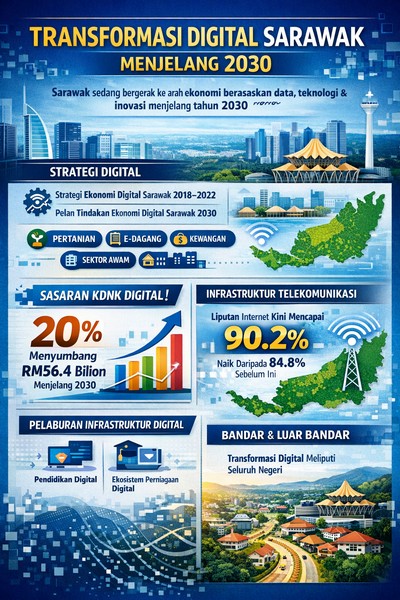
Infografik menunjukkan Transformasi Digital Sarawak Menjelang 2030
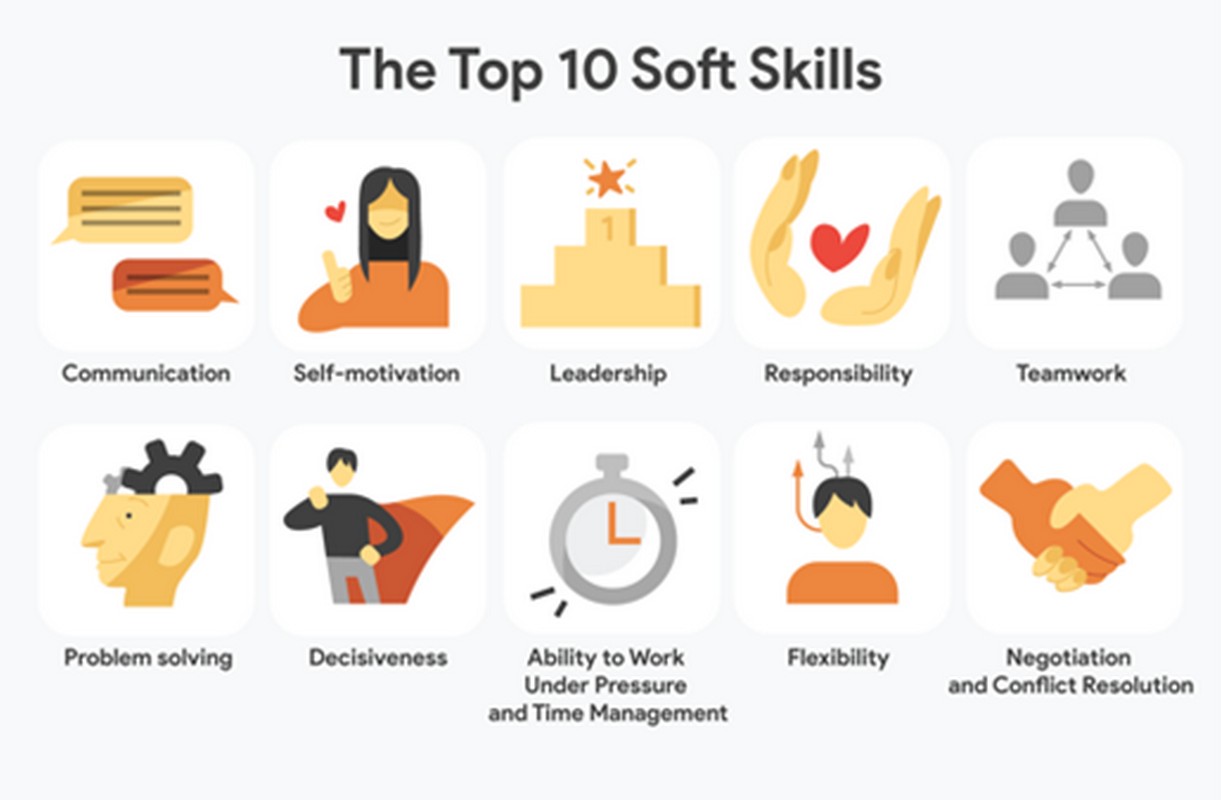
10 Soft Skills That Are Crucial for Work Readiness — Credit: NMD Training and Consultation
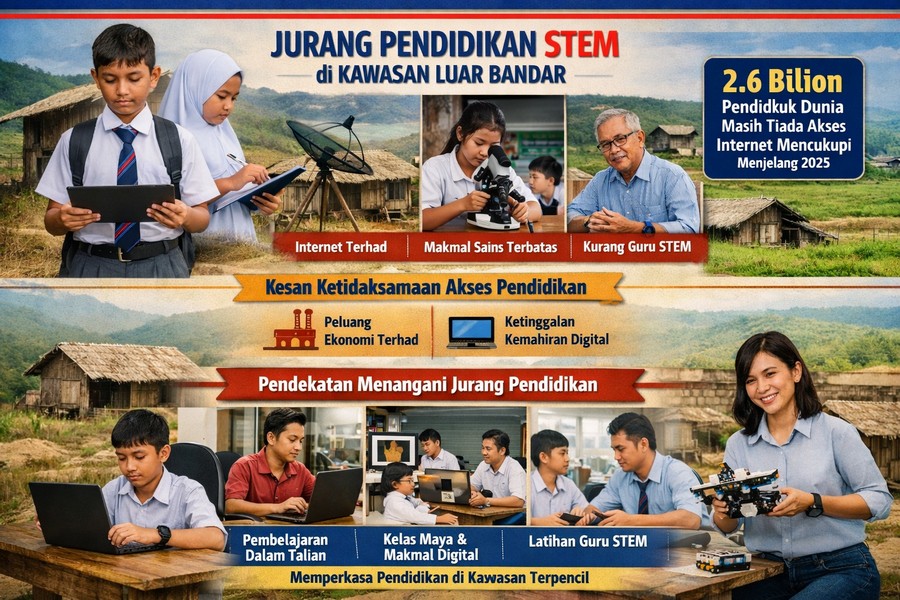
Tanpa akses kepada pendidikan STEM, pelajar luar bandar berisiko ketinggalan dalam ekonomi digital
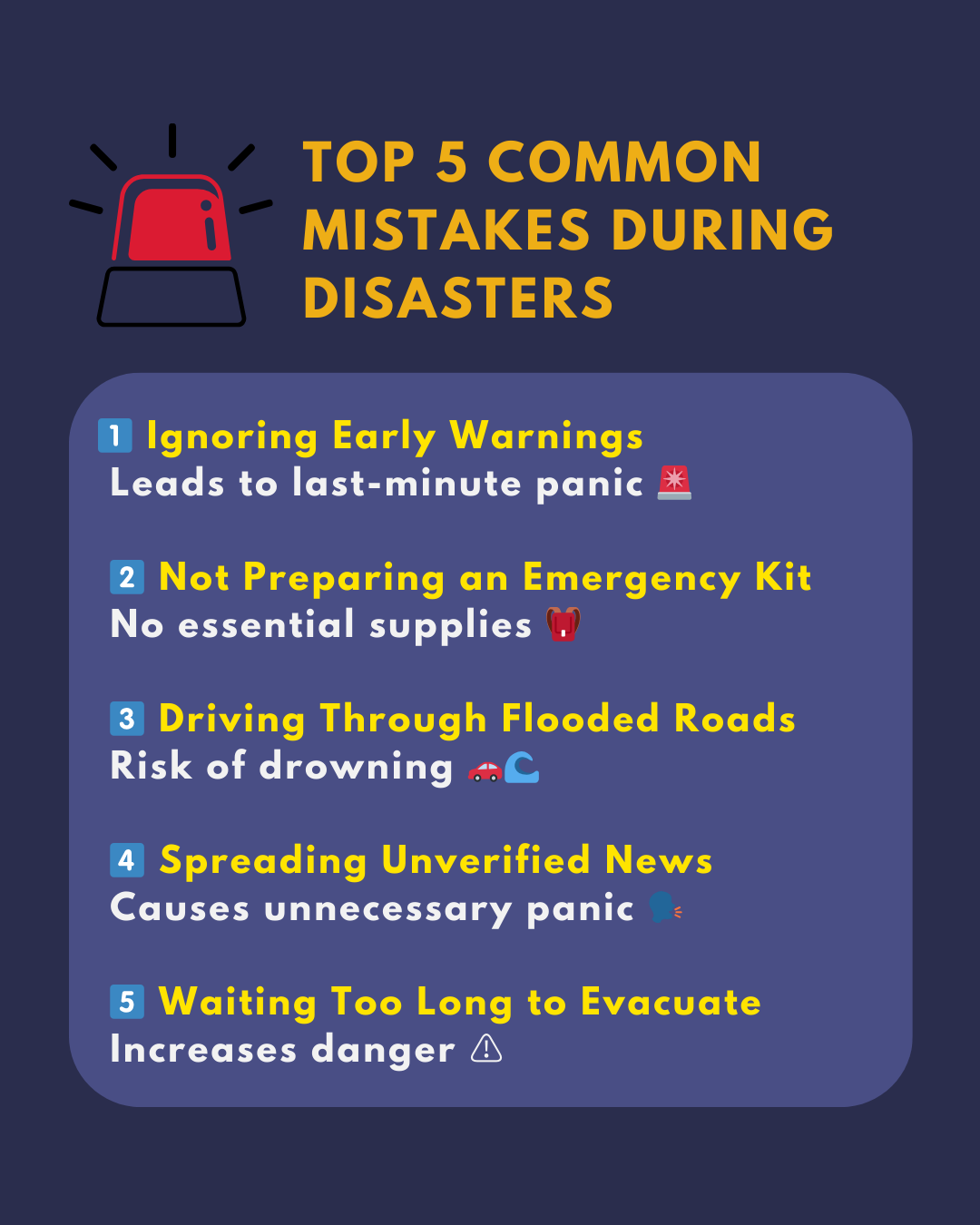
Avoid common disaster mistakes: Heed warnings, prepare an emergency kit, avoid flooded roads, verify news, and evacuate on time


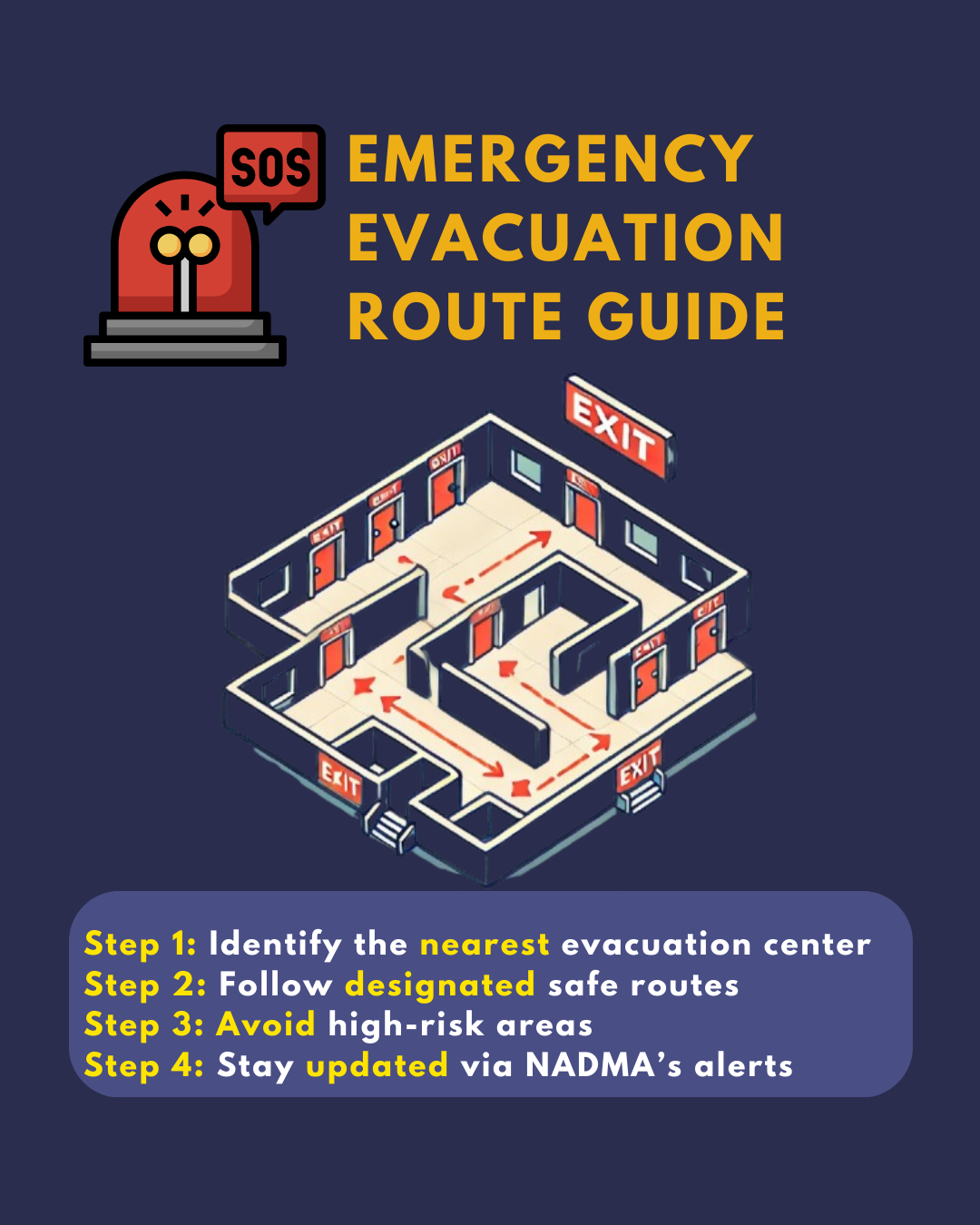
Emergency evacuation guide: Locate the nearest center, follow safe routes, avoid danger zones, and stay updated with NADMA alerts
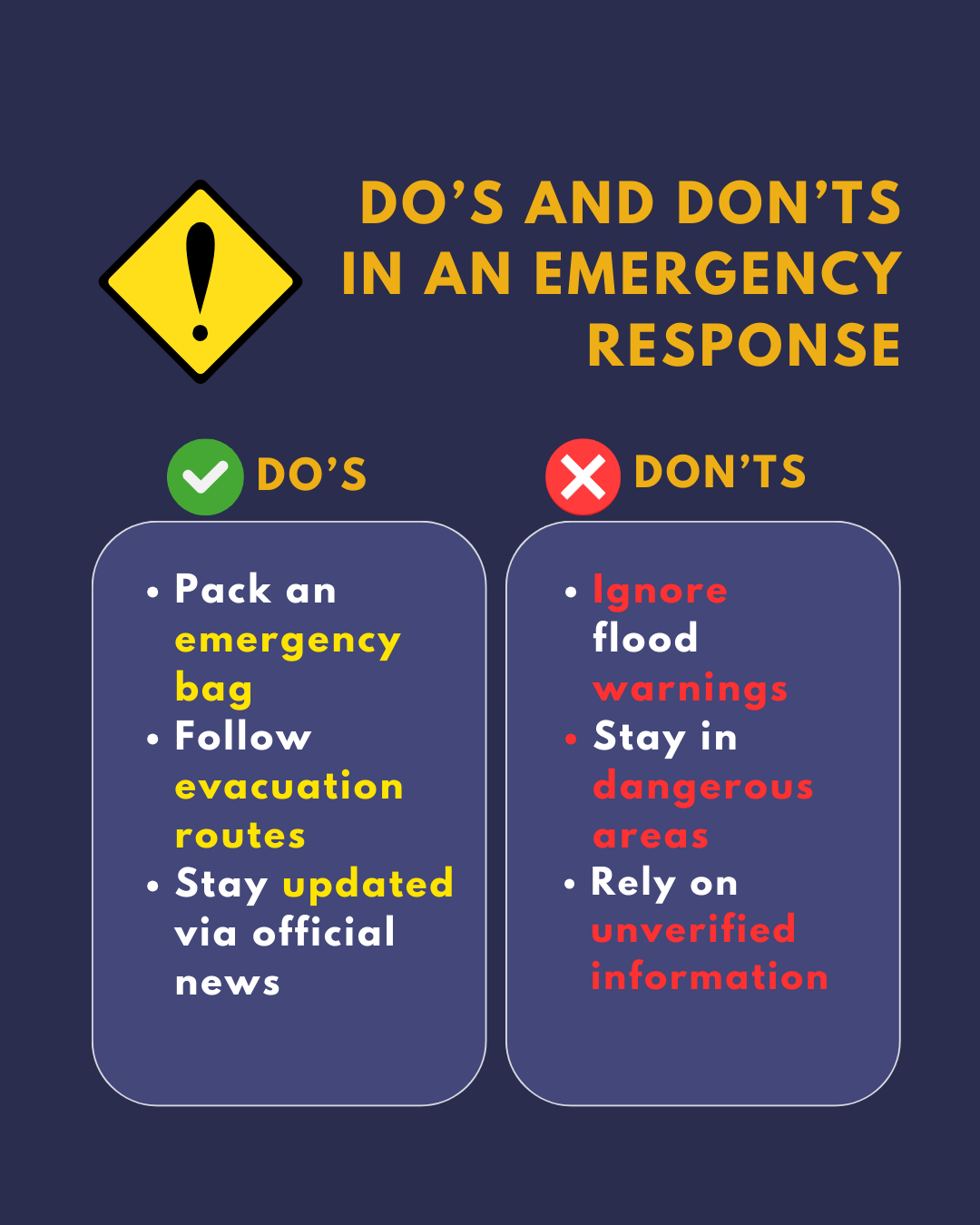
Essential emergency response tips: Pack an emergency bag, follow evacuation routes, stay updated, and avoid misinformation during crises
Explore more articles

Dari RAKAN Sarawak

Keberkesanan Peraturan di Era Kebergantungan Teknologi
Sistem peraturan yang efektif akan menjadi asas untuk memastikan teknologi tidak menjadi ancaman atau sumber ketidaksamaan dalam masyarakat, tetapi menjadi alat yang memacu produktiviti, memperkasa warga, dan membuka peluang baru untuk generasi akan datang.
Dari RAKAN Sarawak
Premier’s Smart Waste Management Vision Fuels Green Growth
Sarawak turns waste into wealth through smart recycling, solar stations, and digital tracking. Aligned with global ESG standards and UN SDGs, our circular ecosystem attracts green capital, empowers communities, and drives sustainable growth. Partner with Sarawak today for measurable returns.
Dari RAKAN Sarawak

Sarawak Sasar Pengiktirafan Global Sebagai Hab Vaksin Dan Farmaseutikal Halal
Industri farmaseutikal halal global kini dilihat semakin berkembang dengan begitu pesat dan ini selari dengan peningkatan kesedaran pengguna terhadap aspek keselamatan, kualiti, dan nilai etika dalam penggunaan produk kesihatan.
Dari RAKAN Sarawak

Penyasaran Subsidi Langkah Strategik Membina Asas Ekonomi
Subsidi pukal di Malaysia sejak beberapa dekad lalu meringankan beban rakyat, namun turut dinikmati golongan kaya dan warga asing. Justeru, subsidi bersasar mulai Jun 2024 dilaksanakan bagi memastikan bantuan tepat kepada yang layak, menjimatkan RM15.5 bilion setahun untuk disalurkan semula kepada kebajikan rakyat seperti STR dan SARA.
Dari RAKAN Sarawak
Cultivating Ecosystem Understanding
Students and rural communities in Sarawak, equipped with traditional ecological knowledge, are becoming agents of change in environmental conservation education. Through the PALS (Environmental Lovers Club) and RAS (Environmental Partners) programs, they integrate inherited wisdom with modern science, empowering biodiversity conservation efforts, environmental quality monitoring, and fostering sustainability for future generations.
Dari RAKAN Sarawak
Strengthening Sarawak’s Digital Shield
Sarawak Government agencies strengthen cybersecurity readiness through CyberSarawak's 3S Programme (Stay Safe, Stay Smart, Stay Secure) ensuring resilient digital infrastructure, empowered civil servants, and coordinated incident response to safeguard public services and enable inclusive, trusted participation in Sarawak's digital economy transformation.