

Just innews timeline
- 2 days ago
- 3 days ago
- 4 days ago
- 4 days ago
- 5 days ago
- 6 days ago
- 1 week ago
- 1 week ago
- 1 week ago
- 2 weeks ago
- Advertisement -
Recent Articles
Galeri Foto | Photo Gallery

Crossing the River to Learn
Every morning, rural children cross muddy rivers by small boat to reach school. They face strong currents, storms and scarce life jackets. Yet they keep going, because education offers their families a way out of poverty.
Dari RAKAN Sarawak
Sarawak Battles Rising Digital Misinformation
Sarawak is fighting a growing wave of online fake news and digital scams. The state government is building strong digital literacy programmes to protect all citizens. This ensures rural communities stay safe from harmful misinformation while enjoying modern internet connectivity.
Galeri Foto | Photo Gallery
Sarawak Pioneers Green Hydrogen Future
Sarawak is launching huge green hydrogen projects to create clean power. The new facilities will yield massive amounts of renewable fuel every single year. This exciting effort brings local jobs and will generate twelve billion ringgit by the year 2030.
Dari RAKAN Sarawak
Sarawak Heritage Needs Grassroots Support
Sarawak has made strong progress in living heritage through legal protection, funding and craft revival. Yet gaps remain in access, daily transmission, protection, geography and youth involvement. A simple village micro-circle proposal could help heritage survive through regular elder-guided practice.
Galeri Foto | Photo Gallery
Water into Wealth
Sarawak extracts clean hydrogen gas from water using renewable solar power. Securing four billion dollars in investments, advanced facilities will produce 240,000 tonnes yearly. Exporting green fuel aims for foreign income, creating sustainable wealth and prosperity for Sarawak.
Dari RAKAN Sarawak
Sarawak Overhauls State Enterprise Governance
Sarawak is transforming its state-owned enterprises to boost economic growth and improve overall corporate governance. This new programme aims to make these organisations financially independent and highly profitable by the year 2030 through strict accountability and major strategic reforms.

discover
Infographic
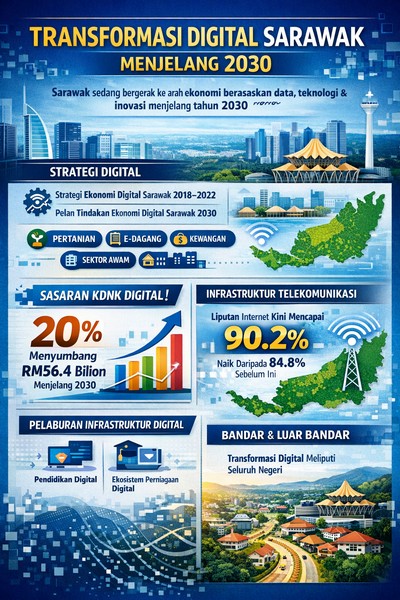
Infografik menunjukkan Transformasi Digital Sarawak Menjelang 2030
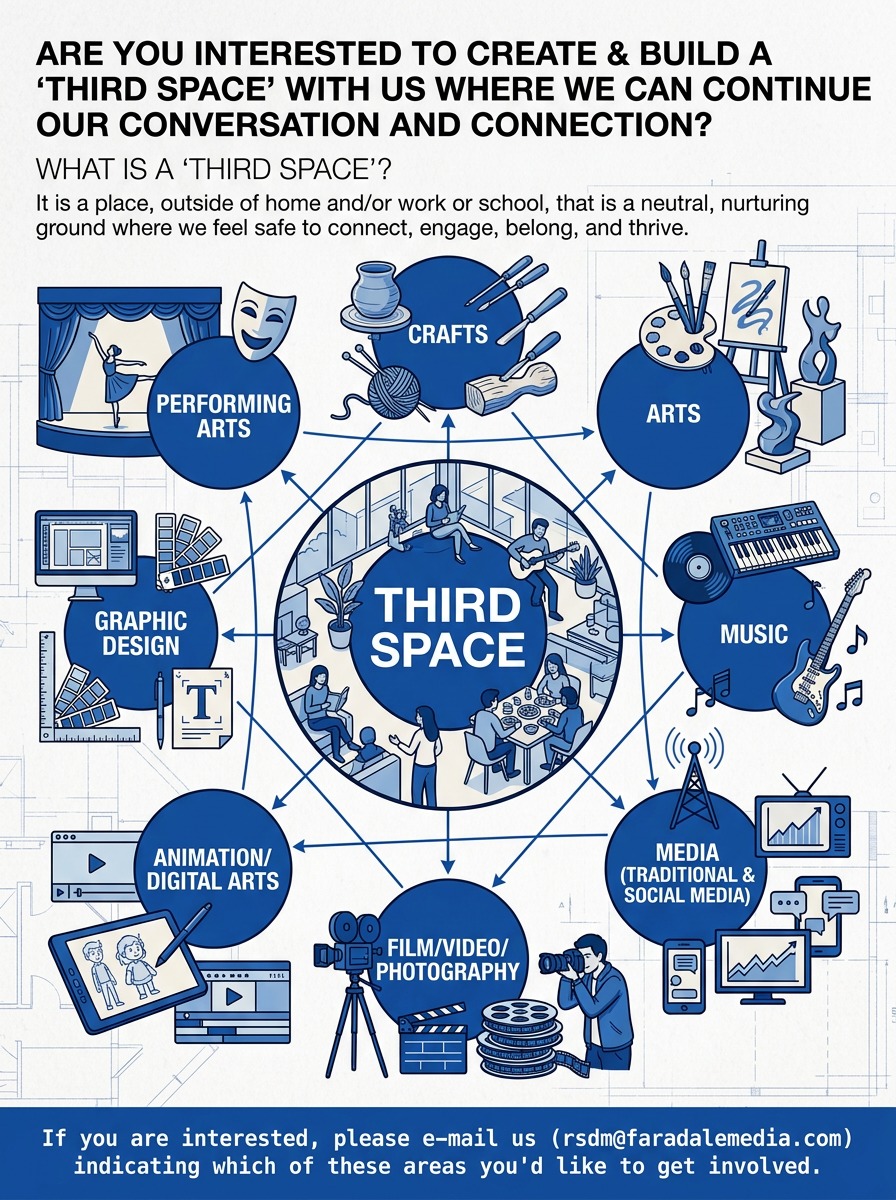
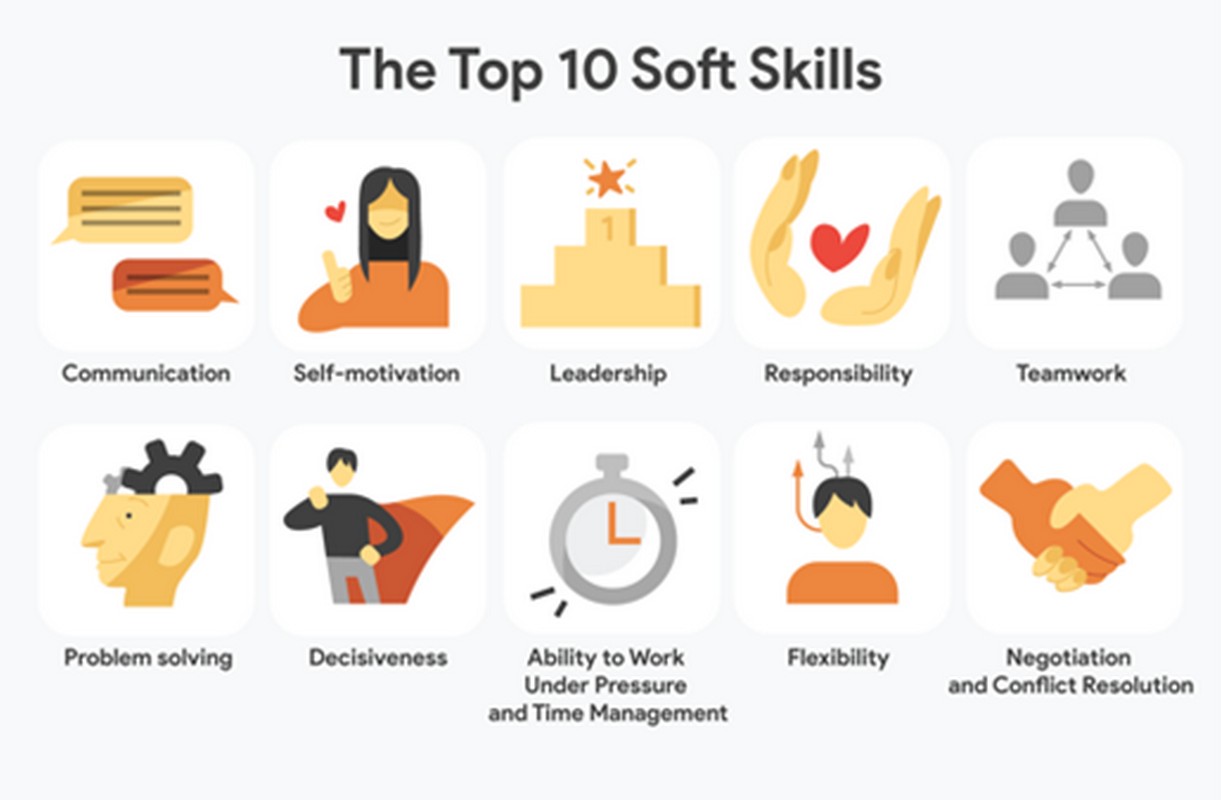
10 Soft Skills That Are Crucial for Work Readiness — Credit: NMD Training and Consultation
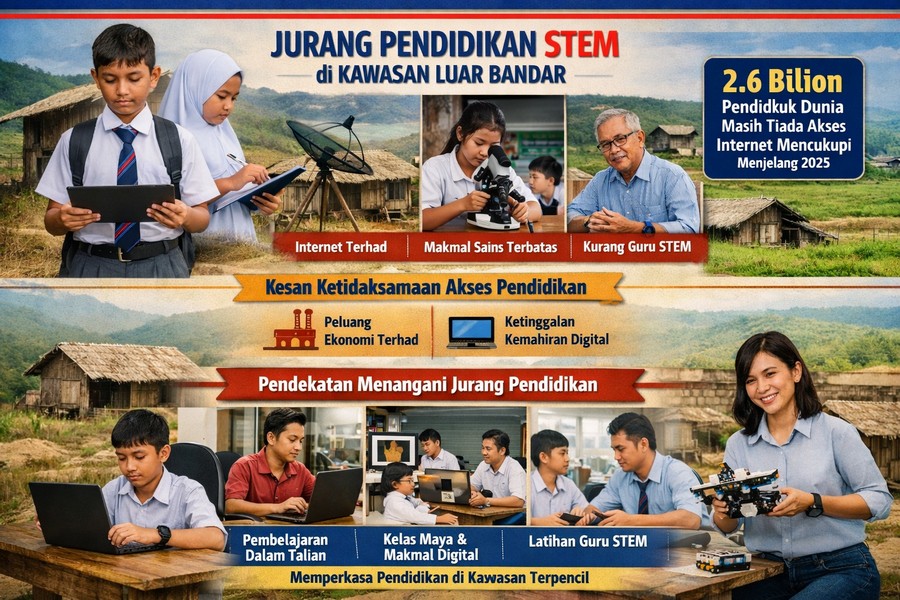
Tanpa akses kepada pendidikan STEM, pelajar luar bandar berisiko ketinggalan dalam ekonomi digital
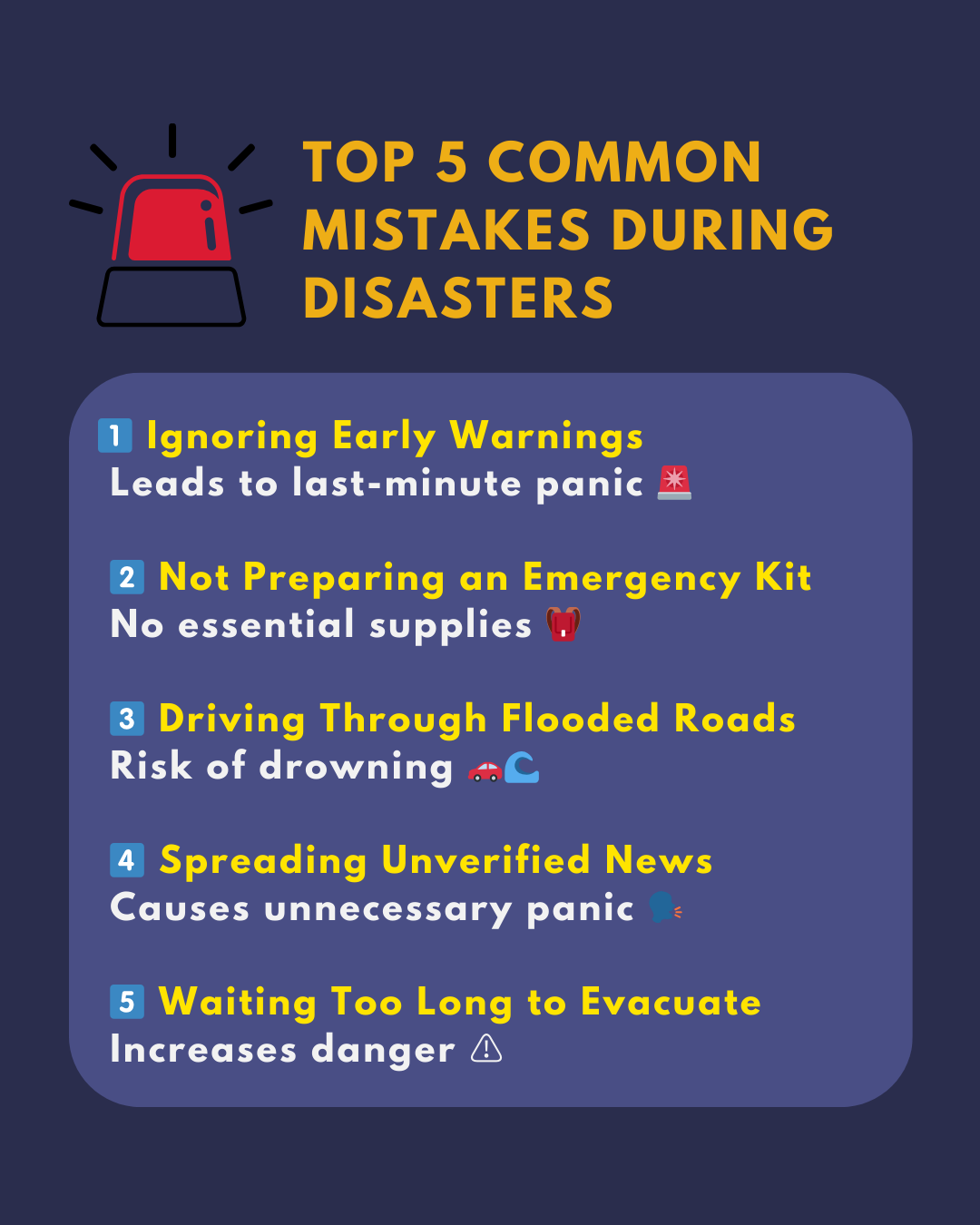
Avoid common disaster mistakes: Heed warnings, prepare an emergency kit, avoid flooded roads, verify news, and evacuate on time


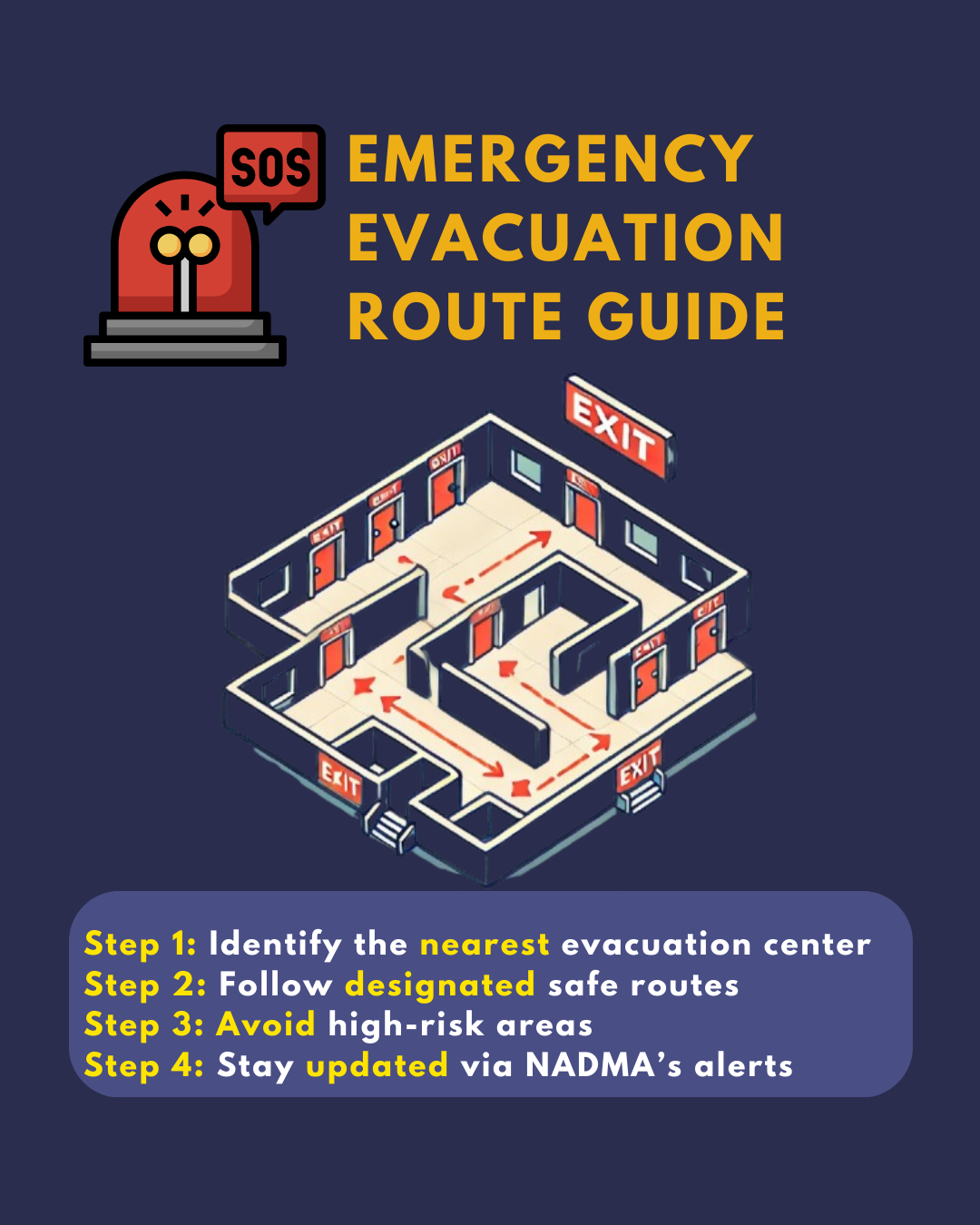
Emergency evacuation guide: Locate the nearest center, follow safe routes, avoid danger zones, and stay updated with NADMA alerts
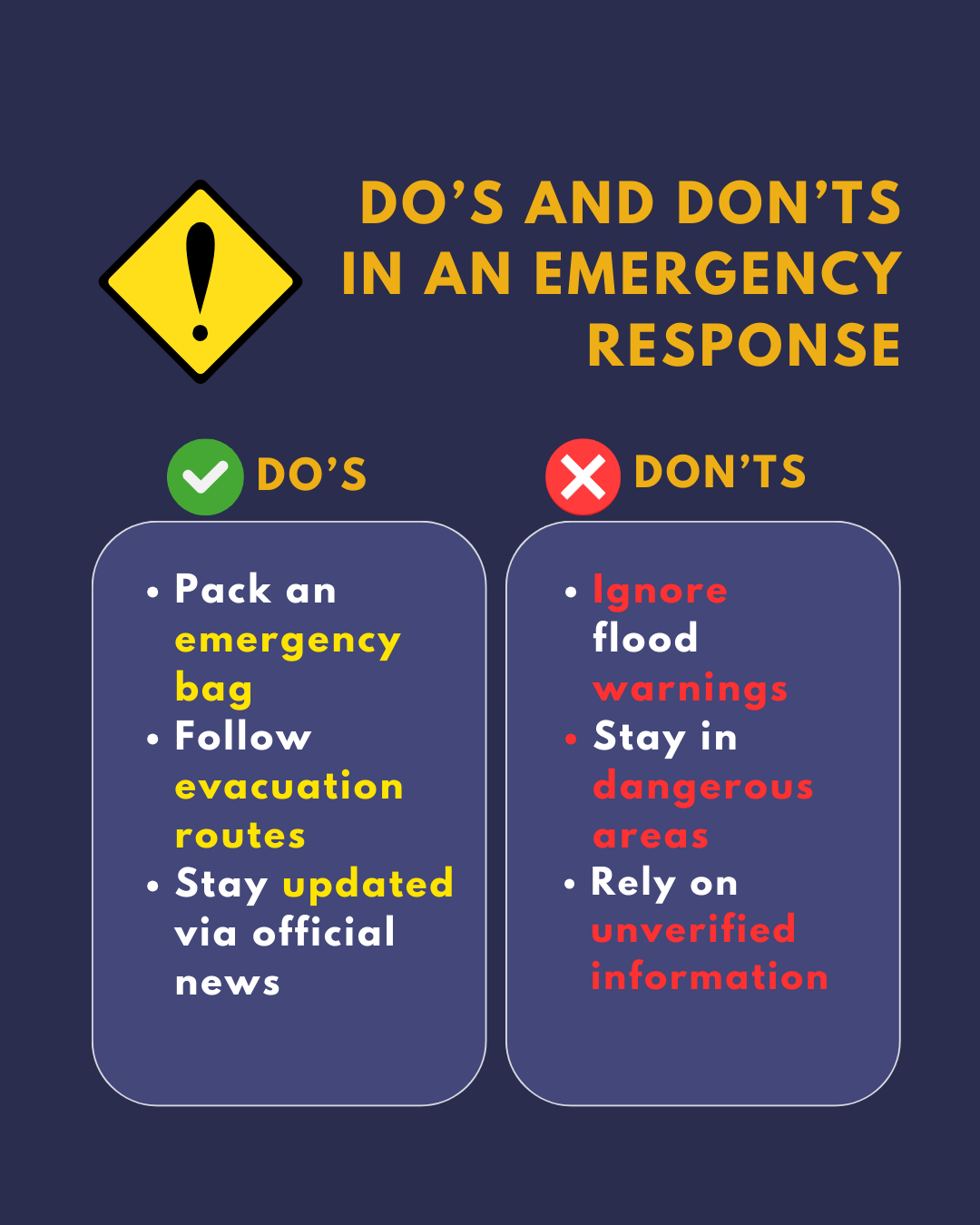
Essential emergency response tips: Pack an emergency bag, follow evacuation routes, stay updated, and avoid misinformation during crises
Explore more articles

Achievements

JTS Sarawak Terus Cemerlang di MTE 2026: Inovasi Digital Bukti Kesiapsiagaan Negeri Hadapi Cabaran Global
Kejayaan JTS Sarawak meraih emas dan perak di MTE 2026 membuktikan inovasi digital seperti COMMANDS dan Poletervation menjadi pemangkin kesiapsiagaan negeri. Pengiktirafan antarabangsa ini memperkukuh reputasi Sarawak sebagai peneraju sektor awam global, selaras aspirasi PCDS 2030 menghadapi cabaran era digital.
Dari RAKAN Sarawak
Sungai Asap Elevation to Apau Koyan District Status
Upgrading Sungai Asap to Apau Koyan district enhances service delivery by decentralising administrative functions, reducing response times for healthcare, education, and welfare services, and enabling locally-tailored development planning that better addresses the unique needs of interior Sarawak communities.
Dari RAKAN Sarawak
Must Learn to Listen: Driving Transformative Progress
Since 1963, the Sarawak Civil Service has driven transformative development through infrastructure expansion, economic stabilization, and digital modernization. By bridging the gap between visionary policy and impactful execution, the service has navigated decades of challenges to foster a resilient and prosperous society. Today, it stands as a model of administrative excellence, having successfully transitioned Sarawak from a developing region into a modern, high-income powerhouse within Malaysia.
Dari RAKAN Sarawak
Rethinking Sarawak Civil Service for Future-Ready Excellence
Through Revisit and Rethink, the Sarawak Civil Service audits outdated regulations and reimagines workflows to eliminate red tape, streamline approvals, and accelerate digitalization.
This strategic approach drives efficiency, enhances citizen-centric service delivery, and aligns with the state’s vision for developed status by 2030.
Dari RAKAN Sarawak
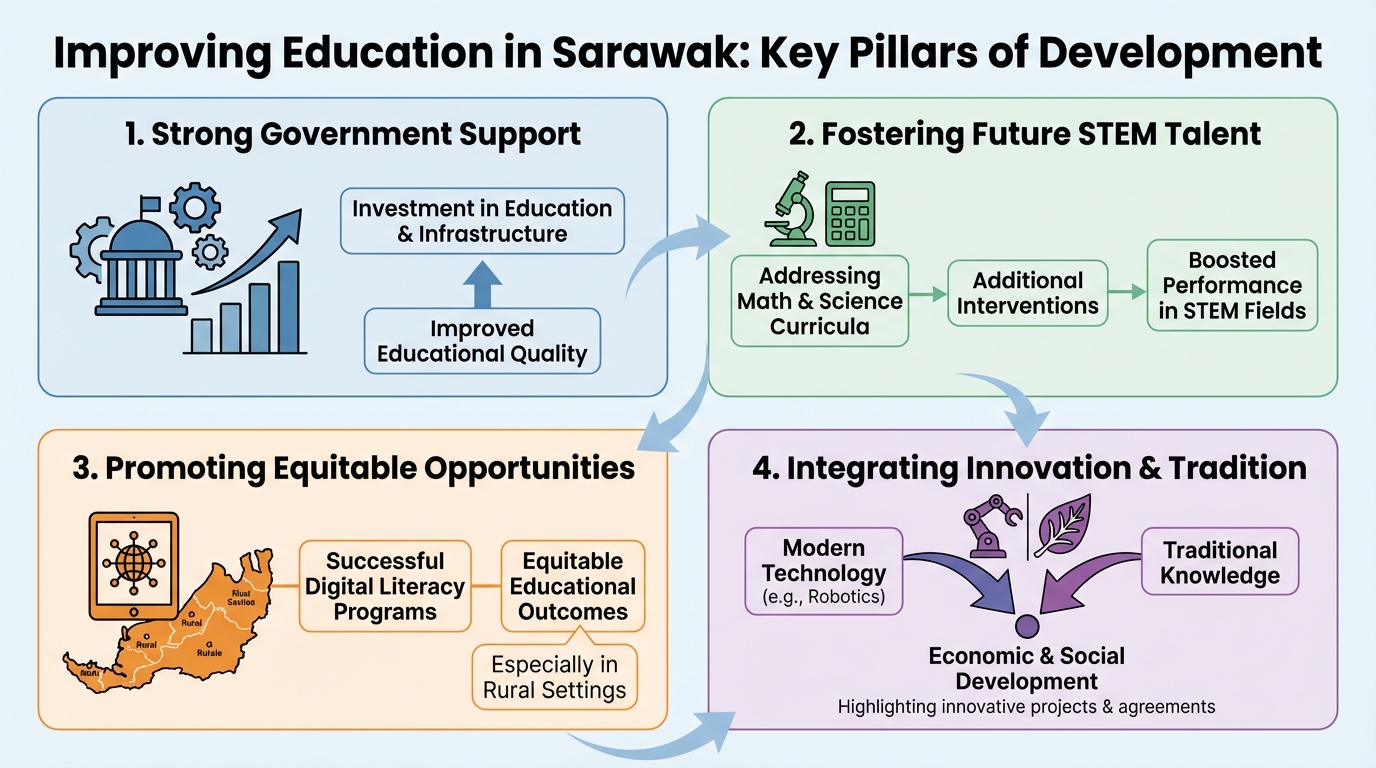
Sarawak’s Education Journey from Colonial Roots to STEM Dreams
From colonial foundations under the Brooke era and Japanese occupation to post-war British expansion and asymmetrical autonomy enshrined in MA63, Sarawak’s education system has experienced a profound transformation marked by surging literacy rates from under 10% in 1900 to 91.4% by 2024, yet this progress is persistently undermined by stark rural-urban divides, dilapidated infrastructure affecting 20% of schools, quality deficits reflected in PISA scores trailing regional peers like Vietnam and Singapore, and federal funding biases that challenge both educational equity and the ambitious STEM-driven goals of PCDS 2030.
Dari RAKAN Sarawak
Building a Resilient Social Safety Net
Malaysia and Sarawak are building a stronger safety net through mandatory gig worker contributions, expanded unemployment protection, digital cash transfers, and portable social insurance. These reforms aim to close coverage gaps, support informal workers, and ensure dignity for all in a transforming economy.