

Just innews timeline
- 1 day ago
- 2 days ago
- 3 days ago
- 4 days ago
- 5 days ago
- 6 days ago
- 1 week ago
- 1 week ago
- 1 week ago
- 1 week ago
- Advertisement -
Recent Articles
Galeri Foto | Photo Gallery

Mobile Banking Empowers Remote Communities
Mobile banking units in Sarawak bring essential financial services to remote communities. Equipped with onboard cash machines, these specialized vehicles bridge geographical divides, granting isolated populations direct access to automated teller machines, account services, and vital government financial aid distribution.
Dari RAKAN Sarawak
Sarawak Tourism Charts Resilient Future
Sarawak tourism enters 2026 with strong recovery momentum and clear 2026 to 2028 potential. Arrivals and receipts are rising across key markets. The state prioritises sustainability, digitalisation, community benefits and business events. These priorities aim to secure resilient, inclusive growth.
Galeri Foto | Photo Gallery
Sarawak Bolsters Food Security Framework
A local farmer inspects a fresh bundle of water spinach in Sarawak, symbolising crucial grassroots food security efforts. The state faces significant challenges, with rice self-sufficiency around 21 per cent and a food trade deficit of RM6.64 billion in 2025.
Dari RAKAN Sarawak
Sarawak Transport Budget Draws Scrutiny
Budget 2027 backed RM15.091 billion revenue and a RM246 million surplus. KUTS Phase 1 stood at 49% actual against 53% planned by September 2026. Road accidents reached 16,776 from January to September 2026. Aircraft movements hit 93,798 in Q3 2026.
Galeri Foto | Photo Gallery
Sarawak Bamboo Industry Unlocks Growth
Bamboo offers immense economic potential for Sarawak, providing a renewable resource for sustainable green industries and rural development. Local cultivation initiatives, such as the Sabal bamboo pilot project, demonstrate strong survival rates and high-yield adaptability across native and commercial species. Expanding this sector can significantly boost local manufacturing, create green jobs, and increase export revenues for the region. Strategic investments in modern processing facilities will help transform raw culms into high-value commercial goods.
Dari RAKAN Sarawak

Faster Worker Approvals
ILMU cut foreign worker processing from 80 to 43 days, beating the 61-day benchmark by 18 days.

discover
Infographic
Explore more articles

Dari RAKAN Sarawak
Unaddressed Mental Health Crisis Derails Sarawak’s 2030 Ambitions
Sarawak’s mental health crisis, as surging helpline calls, high suicide rates among young men, and 35.8% prevalence, imperils the PCDS 2030 vision. Depression erodes productivity, unity, and environmental stewardship, demanding urgent community-rooted mental health investment now to avert severe economic and social collapse.
Dari RAKAN Sarawak
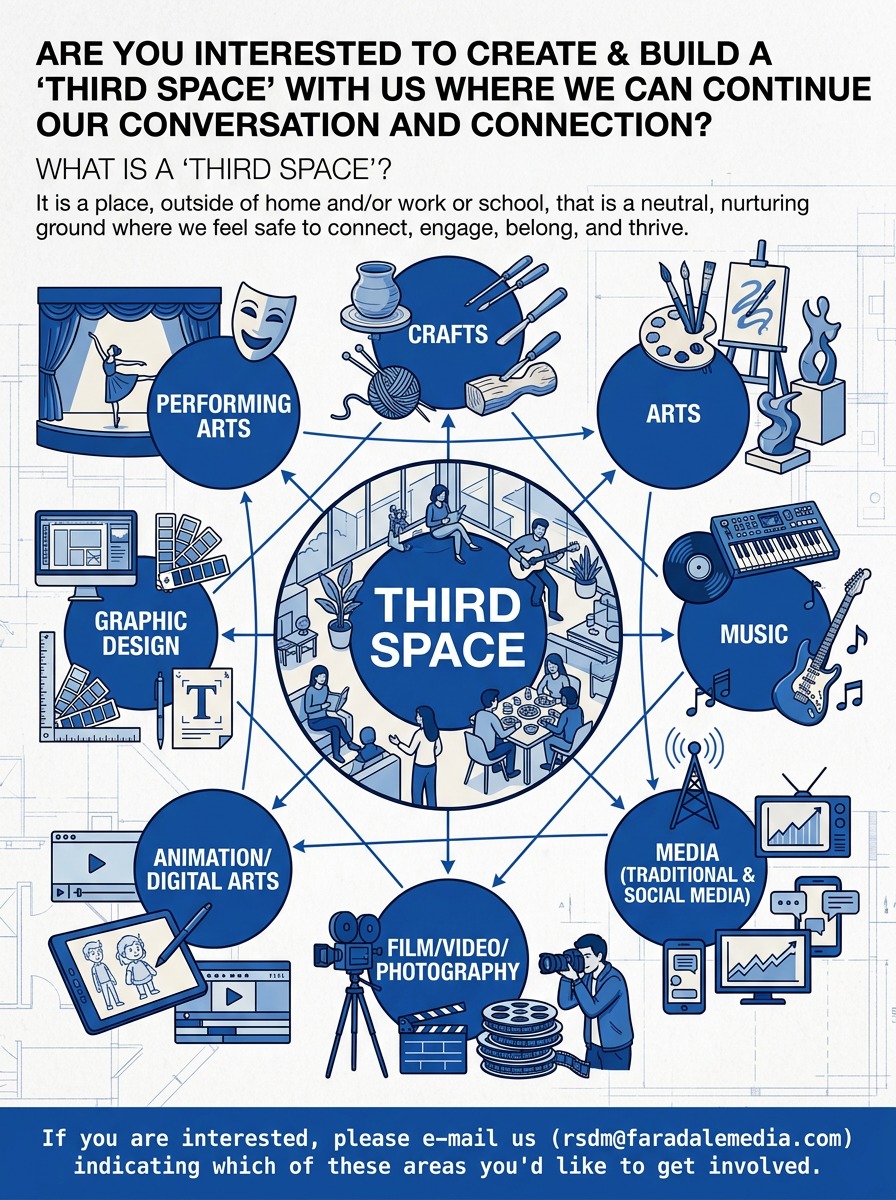
Inclusive Neutral Ground for Community Resilience and Connection
Accessible, levelling community hubs where conversation and creativity foster authentic bonds, resilience, and offer nurturing refuge from daily pressures. These inclusive settings bridge divides, empowering everyday support networks and translating inclusive policies into tangible, lasting human connections, strengthening overall well-being.
Dari RAKAN Sarawak
Agriculture As A Sustainable, Inclusive, And Well-Governed Business
Sarawak's agribusiness transformation advances through strategic agro-parks and digital innovation, yet governance gaps in contract farming, Native Customary Rights tenure, and fragmented execution constrain inclusive growth. Achieving sustainable, well-governed business requires institutional consolidation, tenure reform, and full alignment with SDG and ESG principles to realise rural prosperity.
Dari RAKAN Sarawak

Memperkukuh Kecemerlangan Pengurusan Perakaunan dan Kewangan Sektor Awam
Kecemerlangan JANMS Sarawak dalam AKPANS 2025 bukan sahaja mencerminkan keupayaan warga jabatan melaksanakan tanggungjawab dengan penuh integriti dan profesionalisme, tetapi juga memperlihatkan kesungguhan dalam mengangkat standard penyampaian perkhidmatan awam yang cekap, telus dan berimpak tinggi.
Dari RAKAN Sarawak
Aligning Sarawak’s Agribusiness with SDG and ESG Principles for Global Market Access
Sarawak's agribusiness transformation must integrate Sustainable Development Goals and ESG principles to access premium international markets, yet systematic alignment with poverty reduction, climate action, environmental stewardship, and social inclusion targets reveals uncomfortable gaps that demand urgent policy attention and institutional reform.
Dari RAKAN Sarawak
Agriculture as Business: Sarawak’s Farm Sector Transformation
Sarawak's ambitious agribusiness transformation under PCDS 2030 has delivered measurable economic gains, with the sector contributing RM15.1 billion to state GDP in 2024 and employing 247,400 people, yet persistent governance gaps in contract farming, NCR land tenure, and institutional fragmentation threaten to confine progress to isolated pockets rather than achieve broad-based rural prosperity.