


Just innews timeline
- 2 days ago
- 6 days ago
- 1 week ago
- 1 week ago
- 2 weeks ago
- 2 weeks ago
- 2 weeks ago
- 3 weeks ago
- 3 weeks ago
- 3 weeks ago
- Advertisement -
Recent Articles
Culture

Saving Heritage, One Swipe at a Time
Governments are leveraging TikTok to revitalize traditional culture, transforming it from static museum exhibits into living, digital narratives. By utilizing short videos, they are engaging youth, preserving crafts, and creating economic opportunities for artisans, ensuring heritage survives and thrives in the modern age.
Berita dari Putrajaya
Malaysia’s New Cyber Law Fights Soaring Digital Threats
With cybercrime spiking 87% and losses nearing RM3 billion, Malaysians must secure passwords, verify calls, and report scams instantly. Avoid sharing personal data, enable two-factor authentication, and stay alert to phishing. The new Cybercrimes Bill 2026 empowers enforcement, but public vigilance remains the first defense against digital predators.
Berita dari Putrajaya
The Government Service Efficiency Commitment Act 2025: Malaysia’s Legislative Answer to Bureaucratic Drag
Malaysia's Akta ILTIZAM 2025 requires a 25% reduction in regulatory burden every three years, institutionalizes service performance ratings tied to budgets, mandates offsetting new rules with revocations, and demands triennial reports to Parliament to reform the civil service for efficiency and accountability
Berita dari Putrajaya
Outcome-Focused Rules Drive Innovation and Productivity Gains
Malaysia's Bureaucratic Red Tape Reform (RKB) programme, built on seven principles from facilitative regulation to technology adoption has driven measurable gains: billions in compliance savings, faster approvals, and greater transparency. These reforms boosted Malaysia's global competitiveness ranking while advancing SDG goals and Sarawak's 2030 development strategy.
Dari RAKAN Sarawak
Progress Can’t Cost Workers’ Health, Safety and Dignity
Sarawak’s AI and hydrogen growth pledges worker safety. A national OSH plan targets 15% fewer accidents by 2030; migrant injury coverage expands; local capacity-building begins. Yet enforcement gaps and absent hydrogen and semiconductor safety codes still leave all outcomes uncertain.
Dari RAKAN Sarawak
Strengthening Institutional Frameworks for Sustainable Development
Sarawak’s Environmental Compliance Audit framework mandates independent audits with layered accountability, advancing SDG 16 and strengthening ESG governance. Its phased expansion to agriculture and mining, backed by pilot data, positions Sarawak as a global model for transparent, data-driven environmental regulation.

discover
Infographic
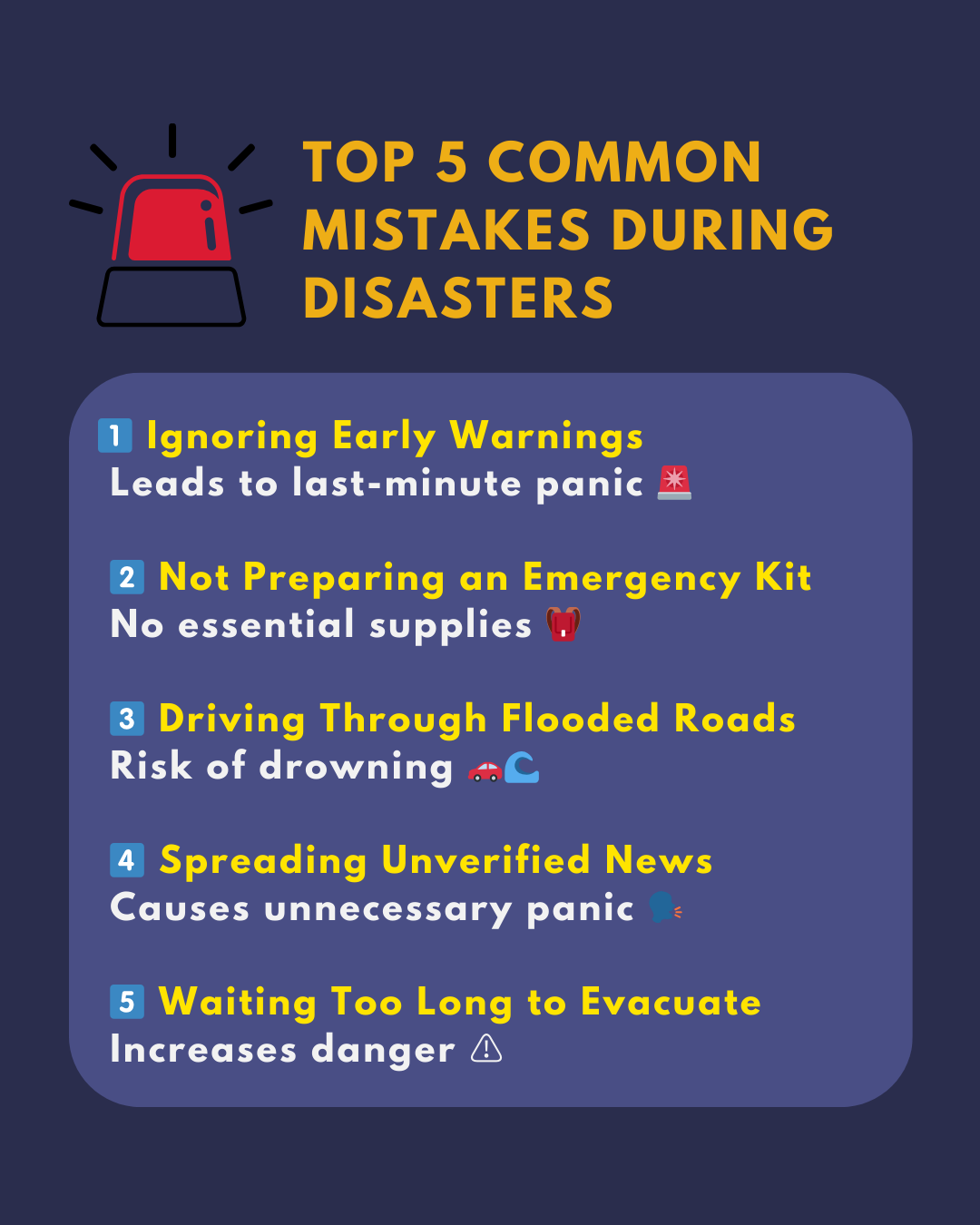
Avoid common disaster mistakes: Heed warnings, prepare an emergency kit, avoid flooded roads, verify news, and evacuate on time


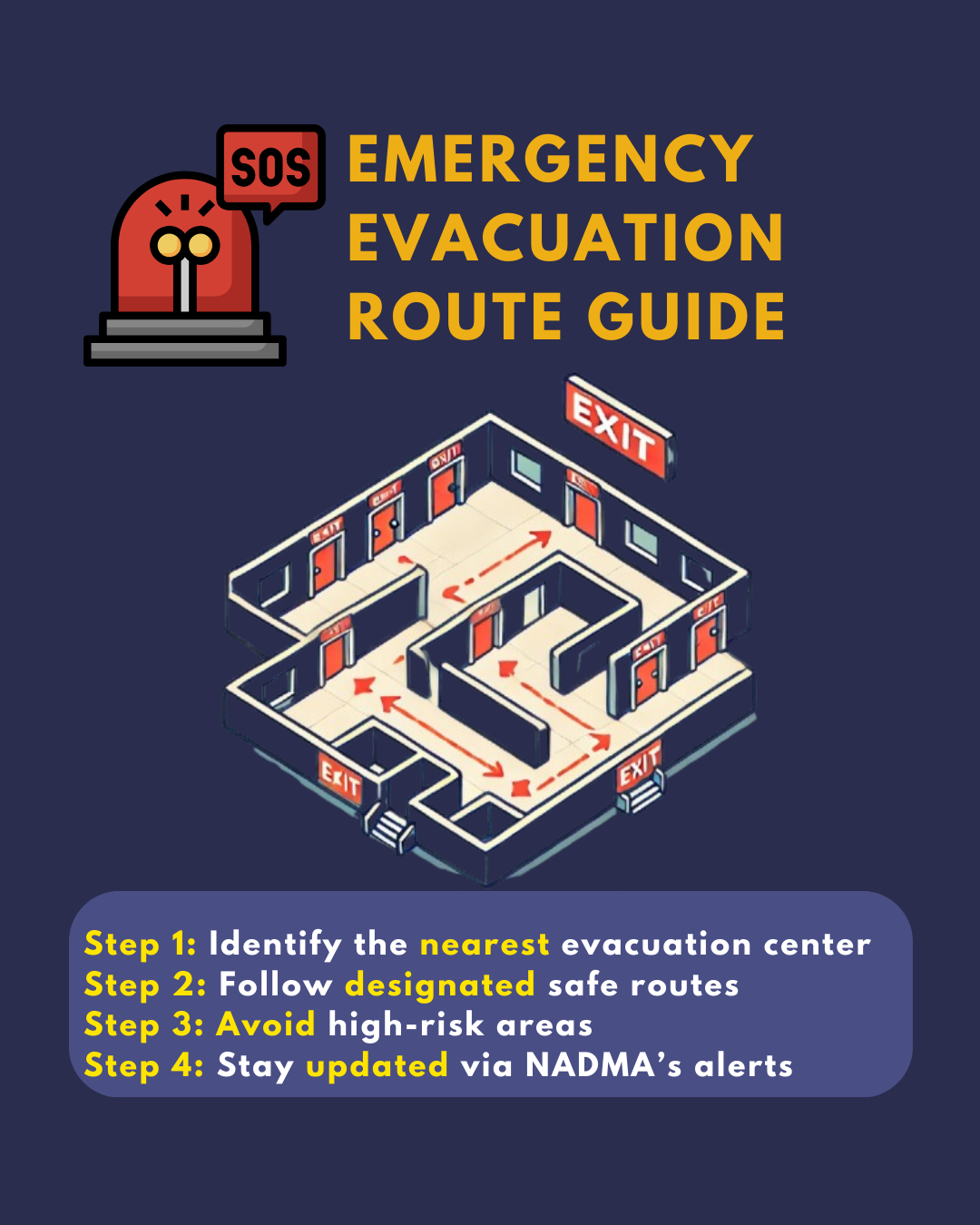
Emergency evacuation guide: Locate the nearest center, follow safe routes, avoid danger zones, and stay updated with NADMA alerts
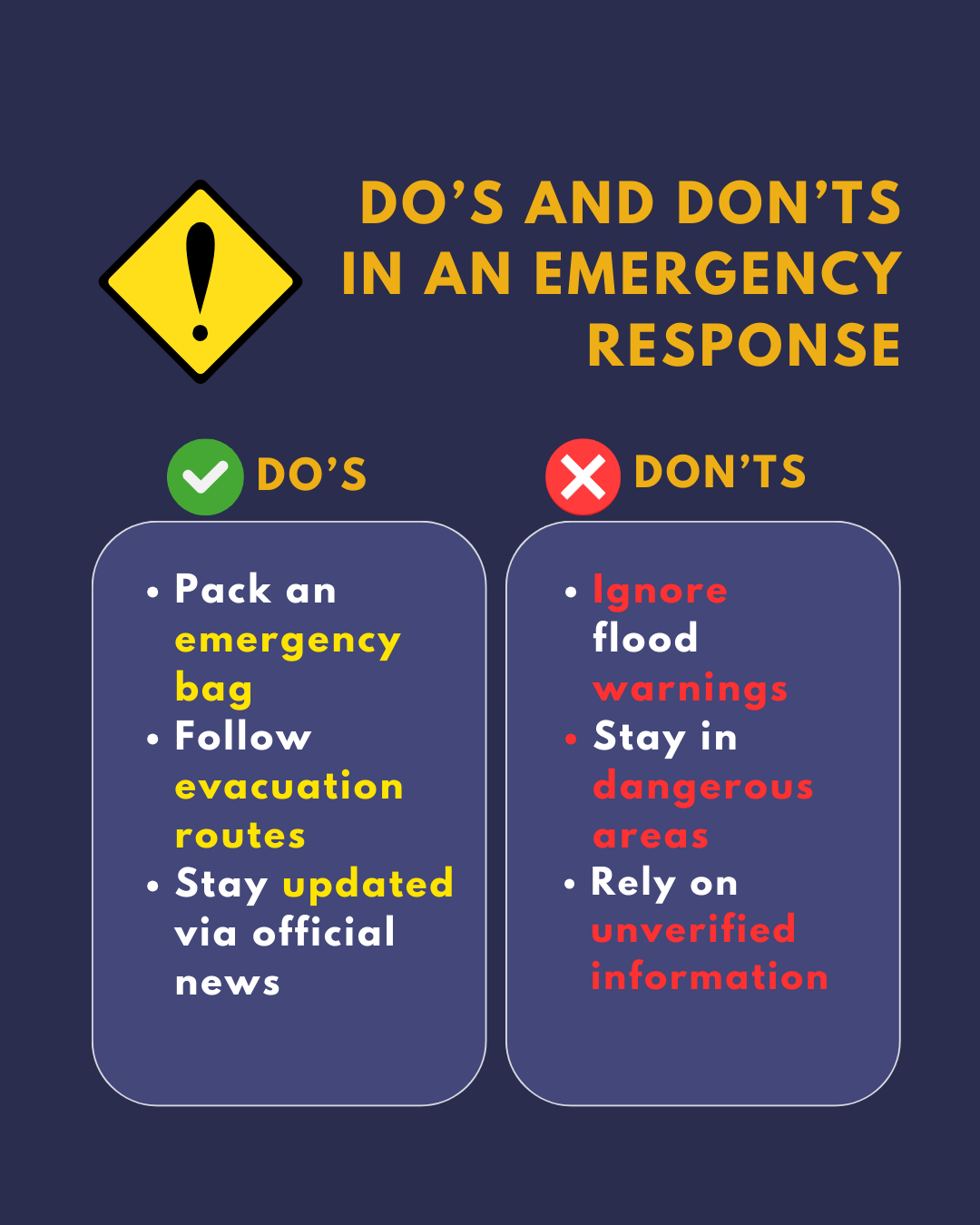
Essential emergency response tips: Pack an emergency bag, follow evacuation routes, stay updated, and avoid misinformation during crises
Explore more articles

Berita dari Putrajaya

Penyelarasan dan Pemantauan Rancangan Malaysia Ke-13
Rancangan Malaysia Ke-13 (RMKe-13) merupakan pelan pembangunan strategik negara yang komprehensif, merangkumi pelbagai aspek ekonomi, sosial, dan alam sekitar.
Dari RAKAN Sarawak
Kemahiran Digital Merapatkan Jurang Gender di Dunia Siber
Dalam era digital abad ke-21, akses kepada internet dan kemahiran digital bukan lagi satu keistimewaan ia adalah hak asasi
Dari RAKAN Sarawak
Ibu Sebagai CEO Keluarga: Keputusan Mikro yang Membina Masyarakat
Dalam mana-mana organisasi besar, peranan Ketua Pegawai Eksekutif (CEO) menjadi tunggak kepada strategi, keputusan dan hala tuju keseluruhan. Namun, dalam masyarakat yang lebih kecil tetapi lebih penting adalah keluarga.
Dari RAKAN Sarawak

Sarawak Makes History with First-in-Human Trials at Sarawak General Hospital
As of 2025, Sarawak General Hospital’s recognition and selection for Asia Pacific first-in-human trials marks a milestone for Sarawak, highlighting its emergence as a credible research hub, enhancing patient access, talent retention, and international collaboration.
Berita dari Putrajaya
RMKe-13: Tumpuan 6 – Menangani Beban Kos Sara Hidup
Rancangan Malaysia Ke-13 (RMK13) hadir pada saat Malaysia sedang berdepan perubahan ekonomi global yang tidak menentu, kos barangan asas yang meningkat, serta kebimbangan rakyat terhadap kemampuan mereka untuk memenuhi keperluan hidup harian.
Lensa

Anjung Usahawan
Anjung Usahawan membuktikan bahawa infrastruktur keusahawanan yang tersusun mampu menjadi pemangkin utama pembangunan ekonomi luar bandar.
Penyediaan ruang niaga rasmi, sewaan rendah dan kemudahan asas...