


Just innews timeline
- 1 day ago
- 2 days ago
- 3 days ago
- 4 days ago
- 4 days ago
- 5 days ago
- 6 days ago
- 1 week ago
- 1 week ago
- 1 week ago
- Advertisement -
Recent Articles
Dari RAKAN Sarawak

From Oil’s Black Gold to Ink’s Lasting Legacy
Miri is betting its post-oil future on literature, seeking UNESCO status by 2027 to transform from an extraction town to a cultural hub. The bid aims to diversify the economy through literary tourism and preserve the region's rich oral heritage, following Kuching's successful gastronomy model as a blueprint.
Dari RAKAN Sarawak
Stesen Penyelidikan Pertanian Sarawak Pemacu Transformasi Agromakanan
Stesen penyelidikan pertanian di Sarawak memacu transformasi sektor agromakanan melalui R&D, pemindahan teknologi, dan pengeluaran benih berkualiti. Rangkaian tujuh stesen utama ini menyokong PCDS 2030 ke arah keterjaminan makanan dan eksport, sekali gus meningkatkan sosioekonomi komuniti tani negeri.
Dari RAKAN Sarawak
Niah’s True Legacy Lies Beyond the Plaque
Niah's UNESCO status is not an endpoint but a starting point for Sarawak. Its true significance now hinges on delivering economic and social dividends to Batu Niah through sustainable tourism, infrastructure, and community-based initiatives that honour its 50,000-year-old heritage.
Galeri Foto | Photo Gallery
Perpustakaan Bergerak Sarawak: Jambatan Ilmu
Perkhidmatan Perpustakaan Bergerak Sarawak membawa buku, komputer, dan Wi-Fi ke komuniti pedalaman. Inisiatif kolaboratif ini memupuk literasi, menyokong pelajar, dan merapatkan jurang digital di Bumi Kenyalang.
Dari RAKAN Sarawak
When “We Value Your Feedback” Means Nothing
Malaysia's complaint system reacts only after viral outrage, offering temporary counters and statements instead of accountability. Institutions lack binding powers, whistleblowers face retaliation, and citizens wait months for resolution. Complaints must be treated as obligations, with enforceable deadlines, protected voices, and transparent root cause investigations.
Dari RAKAN Sarawak
The Digital Hypodermic: Injecting Obsession, Eroding Focus
Social media obsession, driven by dopamine loops and social comparison, is a "digital hypodermic" injecting passivity, fragmentation, and economic distortion into Malaysia. This neurological manipulation undermines the focus, innovation, and unity required for Sarawak's and the nation's developmental ambitions, threatening to replace genuine progress with curated illusion.

discover
Infographic
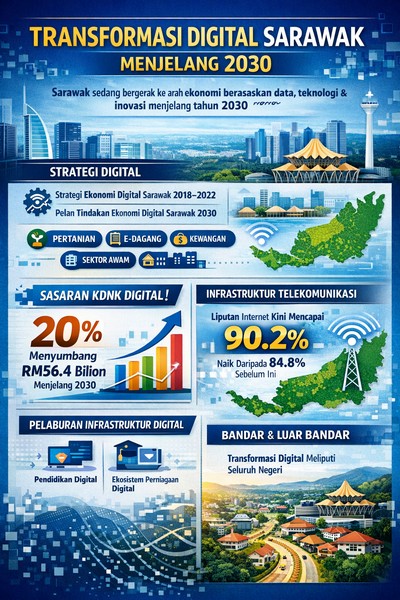
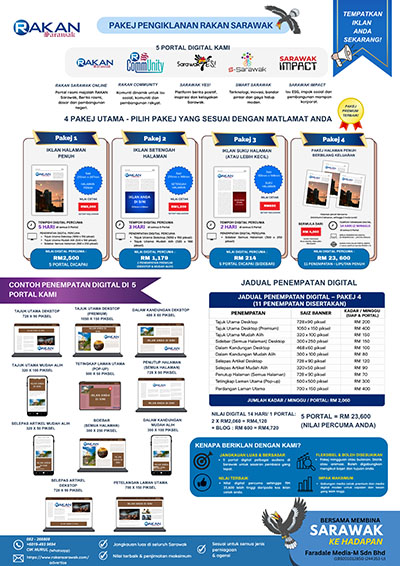
Infografik menunjukkan Transformasi Digital Sarawak Menjelang 2030
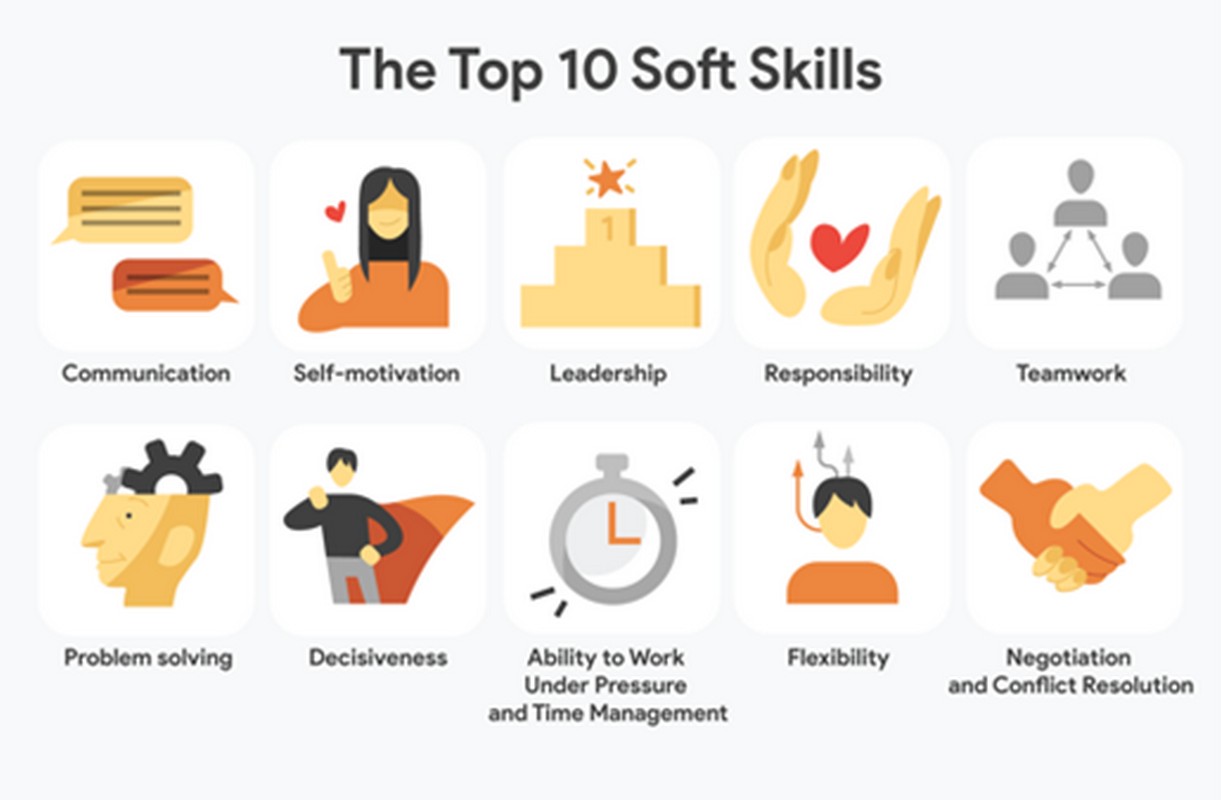
10 Soft Skills That Are Crucial for Work Readiness — Credit: NMD Training and Consultation
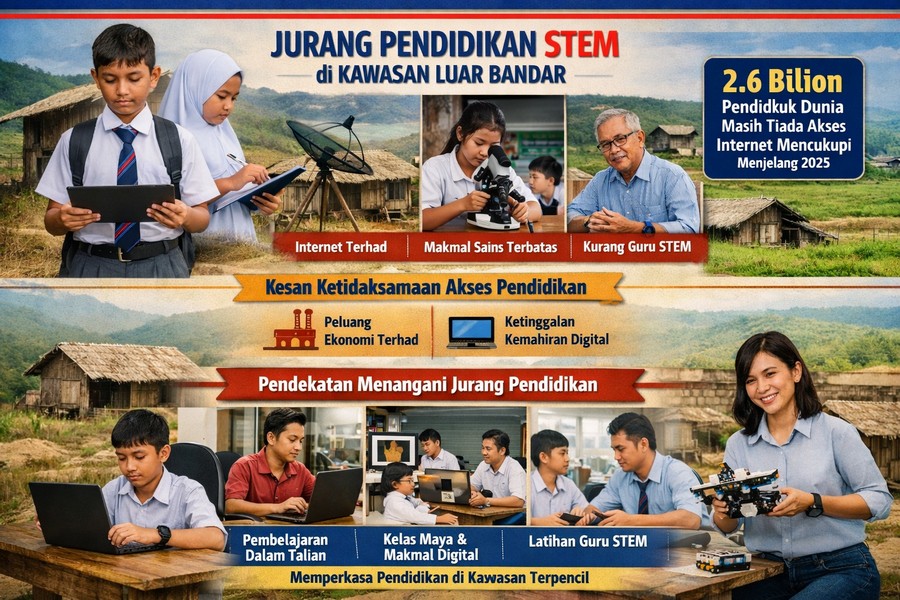
Tanpa akses kepada pendidikan STEM, pelajar luar bandar berisiko ketinggalan dalam ekonomi digital
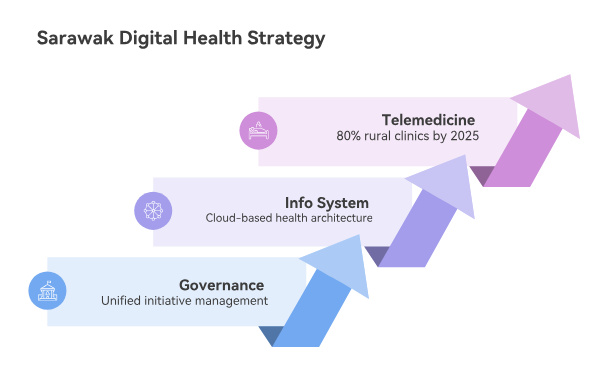

Avoid common disaster mistakes: Heed warnings, prepare an emergency kit, avoid flooded roads, verify news, and evacuate on time


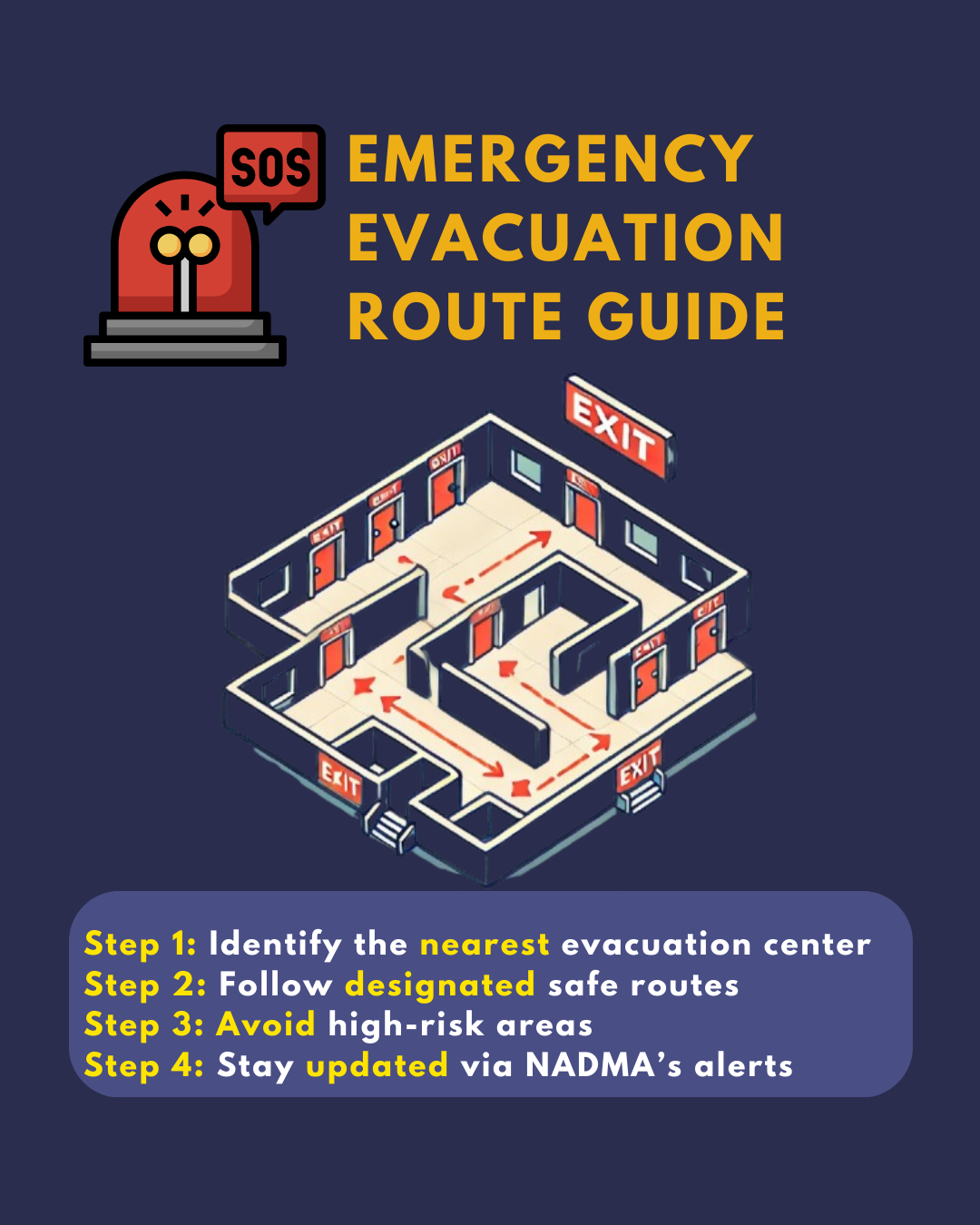
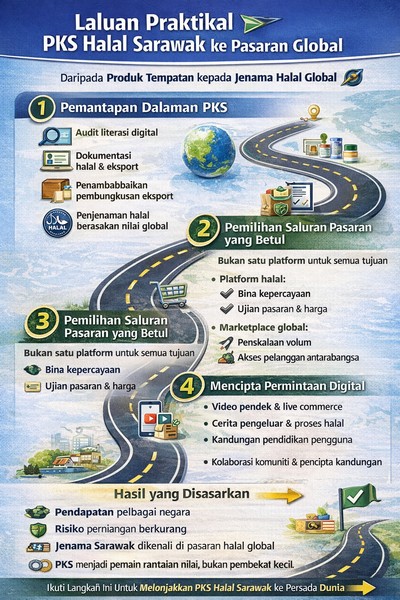
Emergency evacuation guide: Locate the nearest center, follow safe routes, avoid danger zones, and stay updated with NADMA alerts
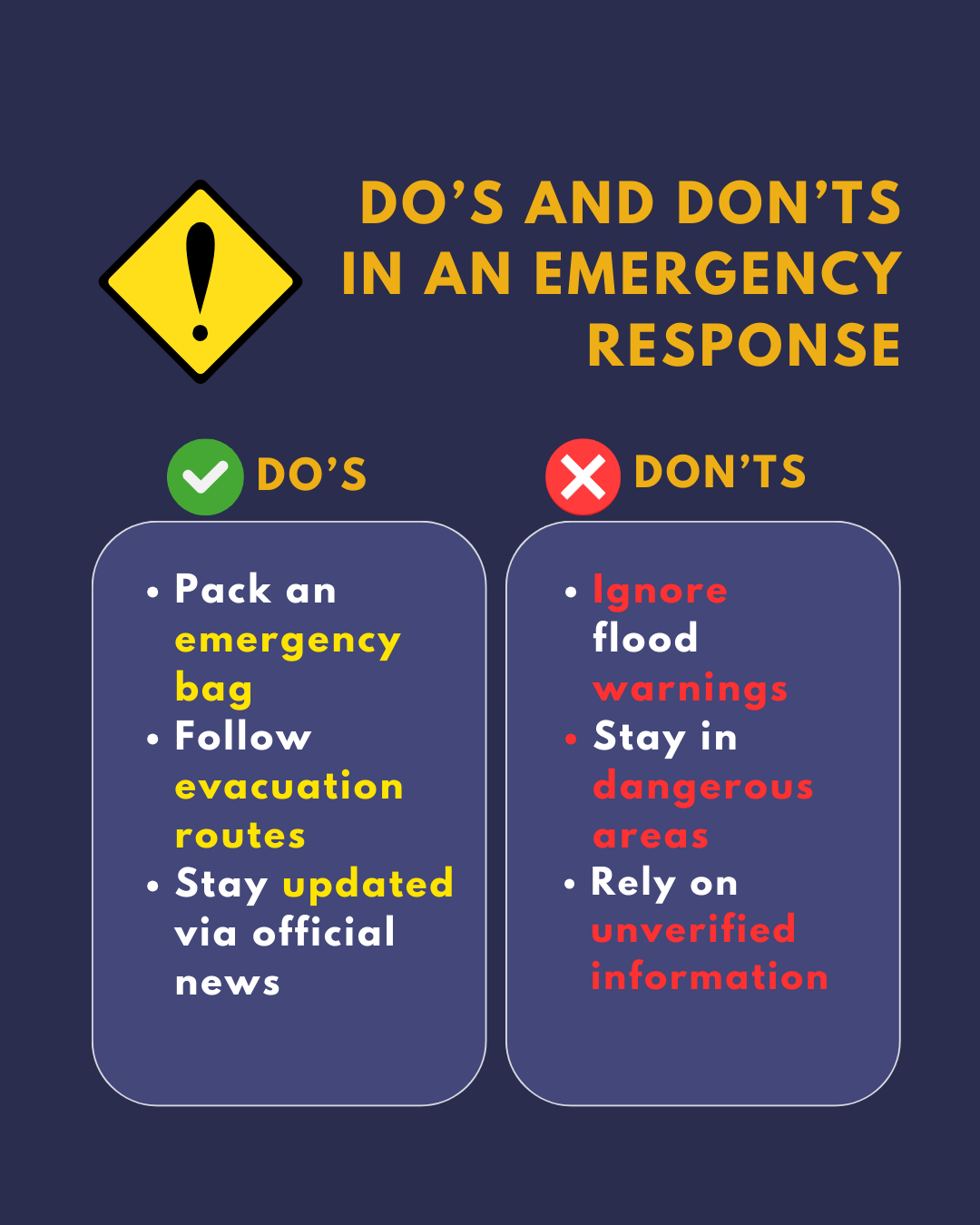
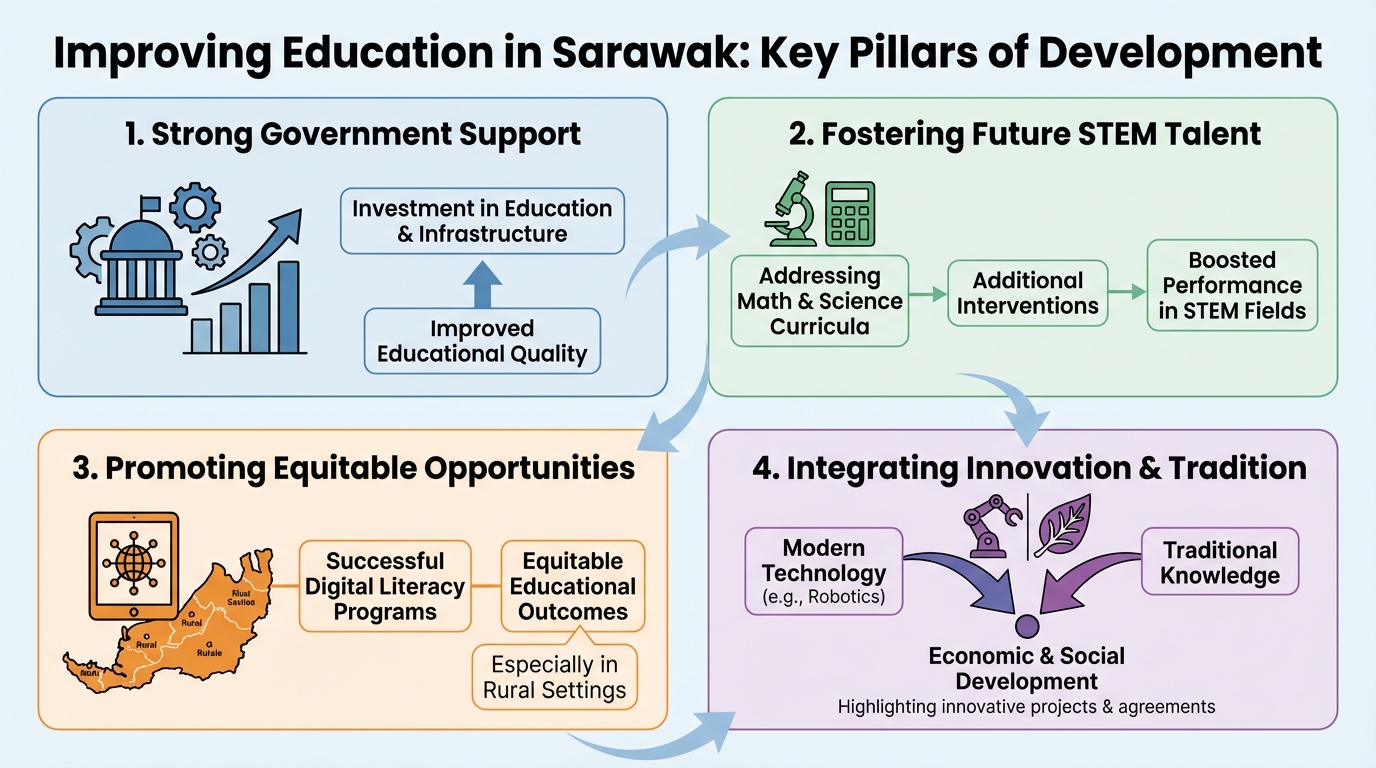
Essential emergency response tips: Pack an emergency bag, follow evacuation routes, stay updated, and avoid misinformation during crises
Explore more articles

Betong
Spaoh Semakin Pesat Membangun
Kedudukan Daerah Kecil Spaoh ialah di antara Daerah Kecil Debak di sebelah utara/ barat, daerah Sri Aman di sebelah selatan dan daerah Betong di...
Dari RAKAN Sarawak
Cutting Red Tape, Boosting Productivity
Malaysia's Bureaucratic Red Tape Reform streamlines public services, slashing compliance costs by RM2.01 billion. By leveraging AI and simplifying procedures, the nation significantly boosted its global competitiveness ranking.
Dari RAKAN Sarawak
Beyond the Numbers: Understanding Sarawak’s Poverty Paradox
Sarawak’s World Bank high-income label masks urban destitution and rural isolation. A localized Multidimensional Poverty Index reveals elderly urban poor, chronic illness, and infrastructure gaps. Policymakers under the 13th Malaysia Plan and PCDS 2030 shift toward differentiated, inclusive poverty solutions.
Culture
Saving Heritage, One Swipe at a Time
Governments are leveraging TikTok to revitalize traditional culture, transforming it from static museum exhibits into living, digital narratives. By utilizing short videos, they are engaging youth, preserving crafts, and creating economic opportunities for artisans, ensuring heritage survives and thrives in the modern age.
Berita dari Putrajaya
Malaysia’s New Cyber Law Fights Soaring Digital Threats
With cybercrime spiking 87% and losses nearing RM3 billion, Malaysians must secure passwords, verify calls, and report scams instantly. Avoid sharing personal data, enable two-factor authentication, and stay alert to phishing. The new Cybercrimes Bill 2026 empowers enforcement, but public vigilance remains the first defense against digital predators.
Berita dari Putrajaya
The Government Service Efficiency Commitment Act 2025: Malaysia’s Legislative Answer to Bureaucratic Drag
Malaysia's Akta ILTIZAM 2025 requires a 25% reduction in regulatory burden every three years, institutionalizes service performance ratings tied to budgets, mandates offsetting new rules with revocations, and demands triennial reports to Parliament to reform the civil service for efficiency and accountability