


Just innews timeline
- 1 day ago
- 2 days ago
- 3 days ago
- 4 days ago
- 5 days ago
- 6 days ago
- 1 week ago
- 1 week ago
- 1 week ago
- 1 week ago
- Advertisement -
Recent Articles
Galeri Foto | Photo Gallery

Yayasan Sarawak Nurtures Future Workforce
The modern facilities at Yayasan Sarawak International Secondary School provide students with a strong foundation. By offering world-class learning environments, the institution prepares talented youth to become skilled professionals who will drive Sarawak's economic growth forward.
Dari Sematan ke Merapok
Padawan: “Tiang Kukuh” Pembangunan di Kaki Bukit Penrissen
Padawan mempunyai potensi besar melalui industri pelancongan yang berkembang, warisan budaya yang kaya dan projek pertanian moden. Dengan jalan raya yang lebih baik dan peluasan digital, rantau ceria ini sememangnya bersedia menjadi contoh kejayaan luar bandar menjelang tahun 2030.
Galeri Foto | Photo Gallery
Sarawak Boosts Sustainable Cattle Farming
Farmers in Sarawak are actively embracing sustainable animal husbandry practices by carefully feeding cattle with fresh forage daily. This modern approach protects local resources, supports rural communities, and ensures healthy livestock production for future generations across the whole region today.
Dari RAKAN Sarawak
Sarawak Budget Digitalises Civil Service
Sarawak Budget 2027 asks government agencies and civil servants to deliver public digital services, stronger data governance and cybersecurity, faster broadband and AI projects, while training staff and simplifying processes so residents and businesses across Sarawak feel real daily improvements.
Galeri Foto | Photo Gallery
Sarawak TVET Boosts Local Livelihoods
Sarawak strengthens local human capital by offering practical technical training through agencies like Sarawak Skills. With over 5,900 students and adults enrolled, these TVET programs empower residents with practical skills, achieving a remarkable 93 per cent graduate employability rate.
Economy
Together Building Prosperity and Securing Our Futures
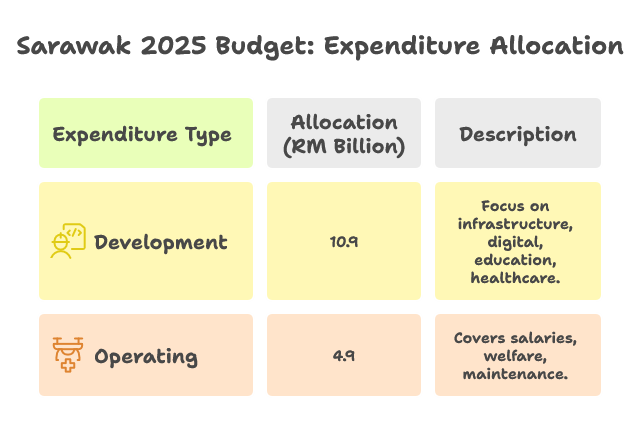
Sarawak’s 2027 Budget, tabled on 12 October 2026, plans record revenue of RM15.091 billion and a RM246 million surplus. It sets development spending at RM10.098 billion to improve infrastructure, human capital and new industries while shielding households from cost pressures.

discover
Infographic
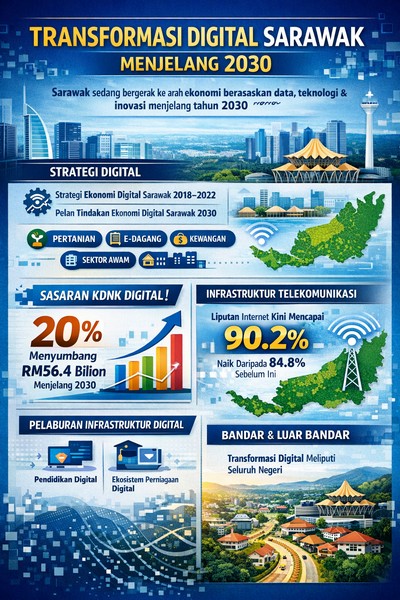
Infografik menunjukkan Transformasi Digital Sarawak Menjelang 2030
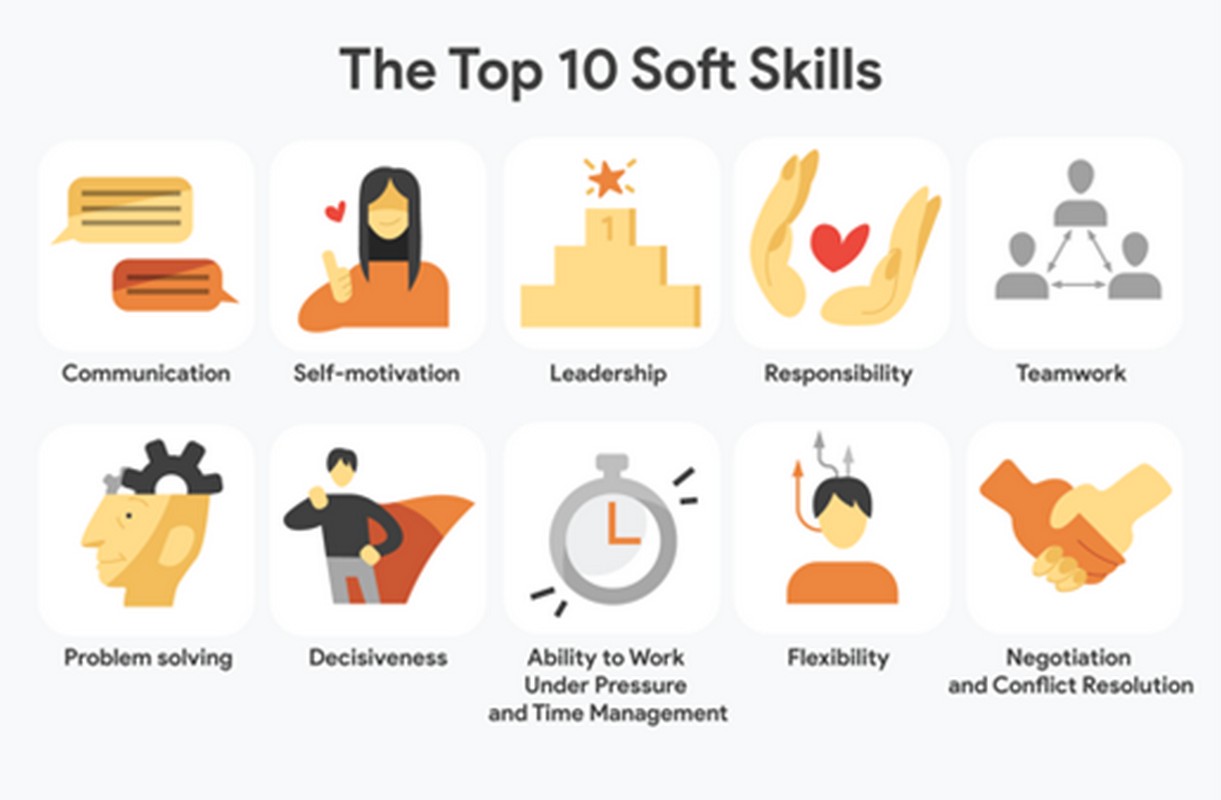
10 Soft Skills That Are Crucial for Work Readiness — Credit: NMD Training and Consultation
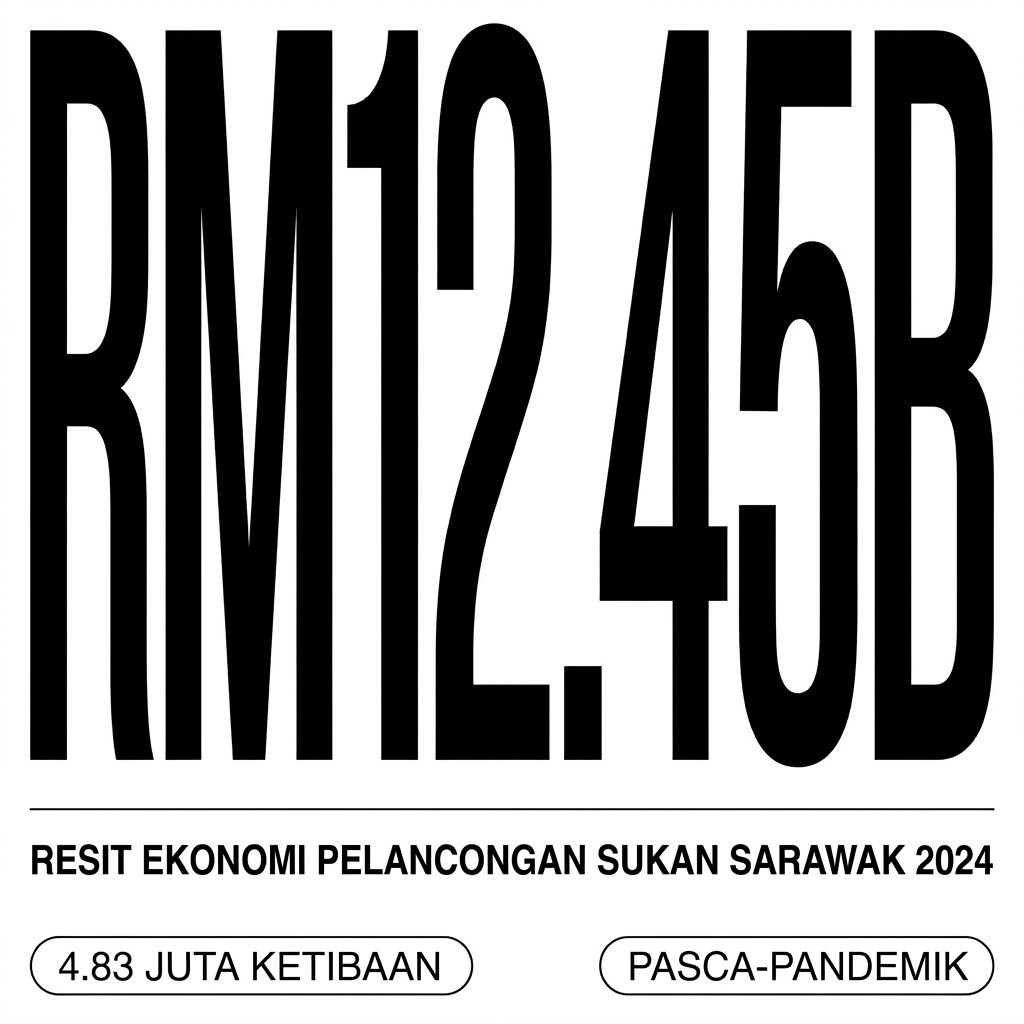
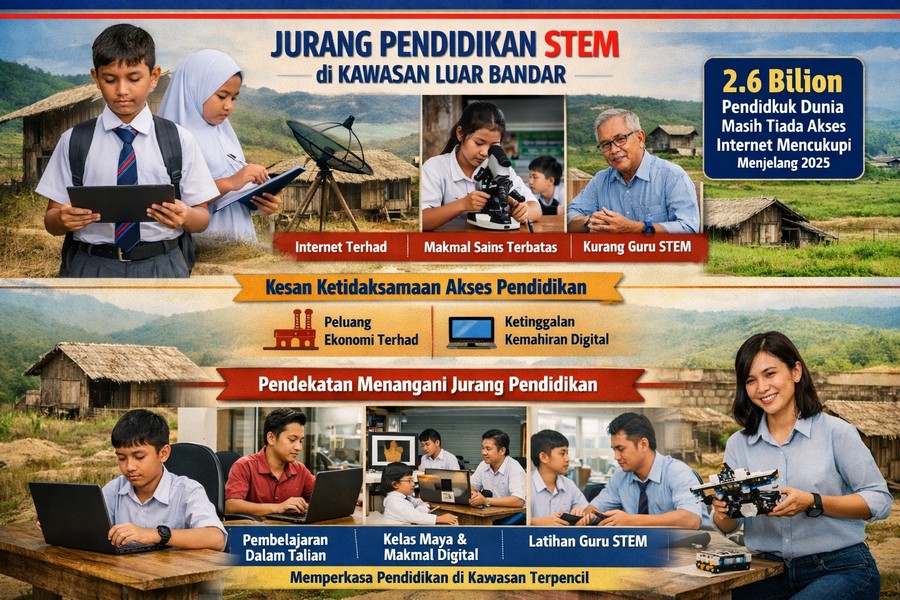
Tanpa akses kepada pendidikan STEM, pelajar luar bandar berisiko ketinggalan dalam ekonomi digital
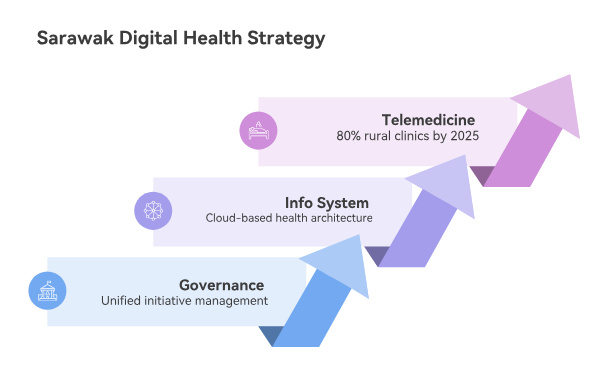
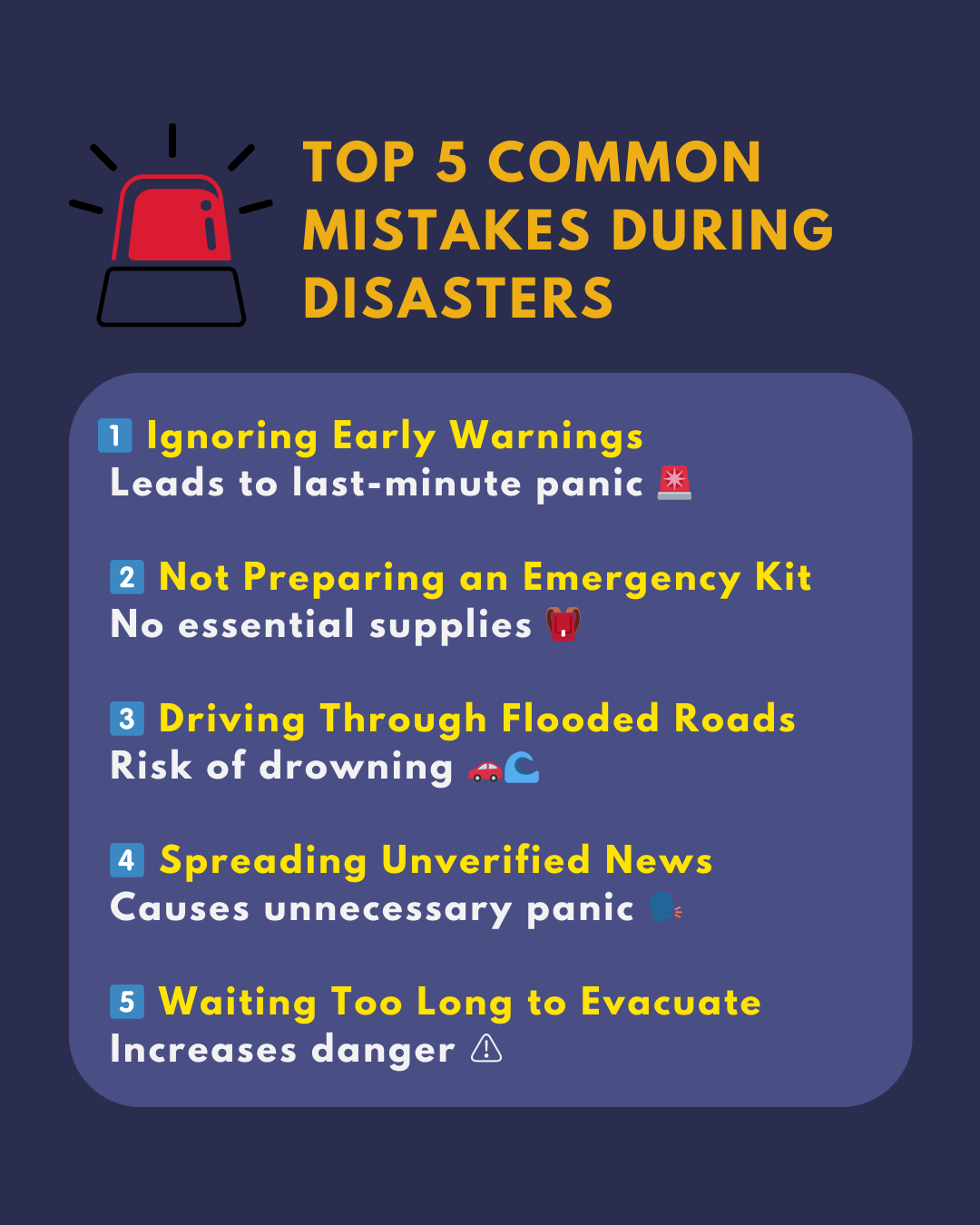
Avoid common disaster mistakes: Heed warnings, prepare an emergency kit, avoid flooded roads, verify news, and evacuate on time


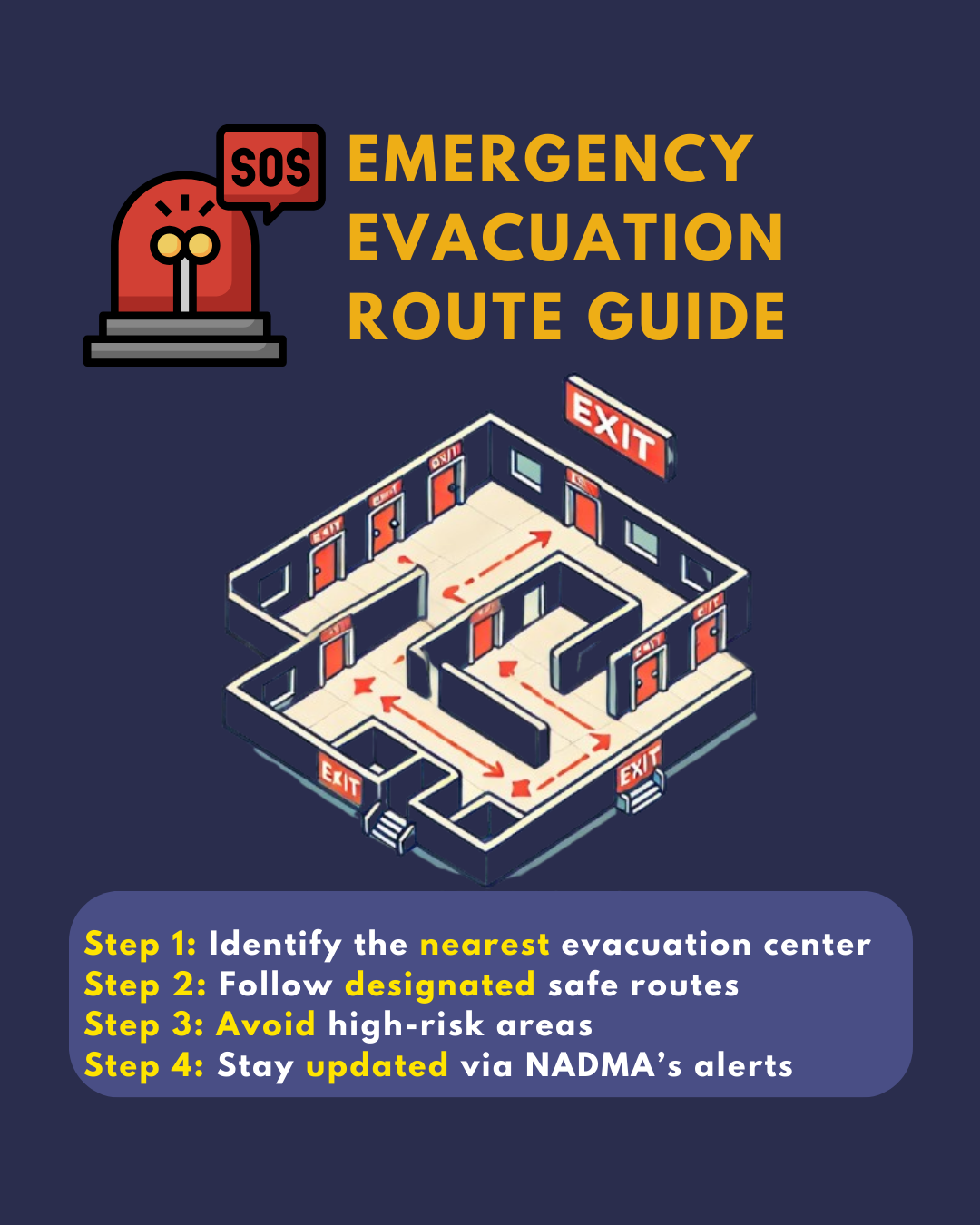
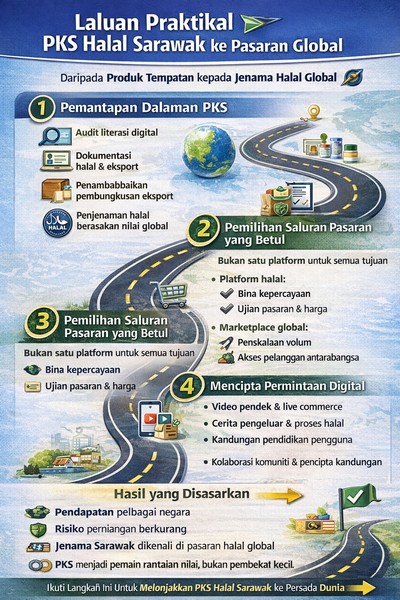
Emergency evacuation guide: Locate the nearest center, follow safe routes, avoid danger zones, and stay updated with NADMA alerts
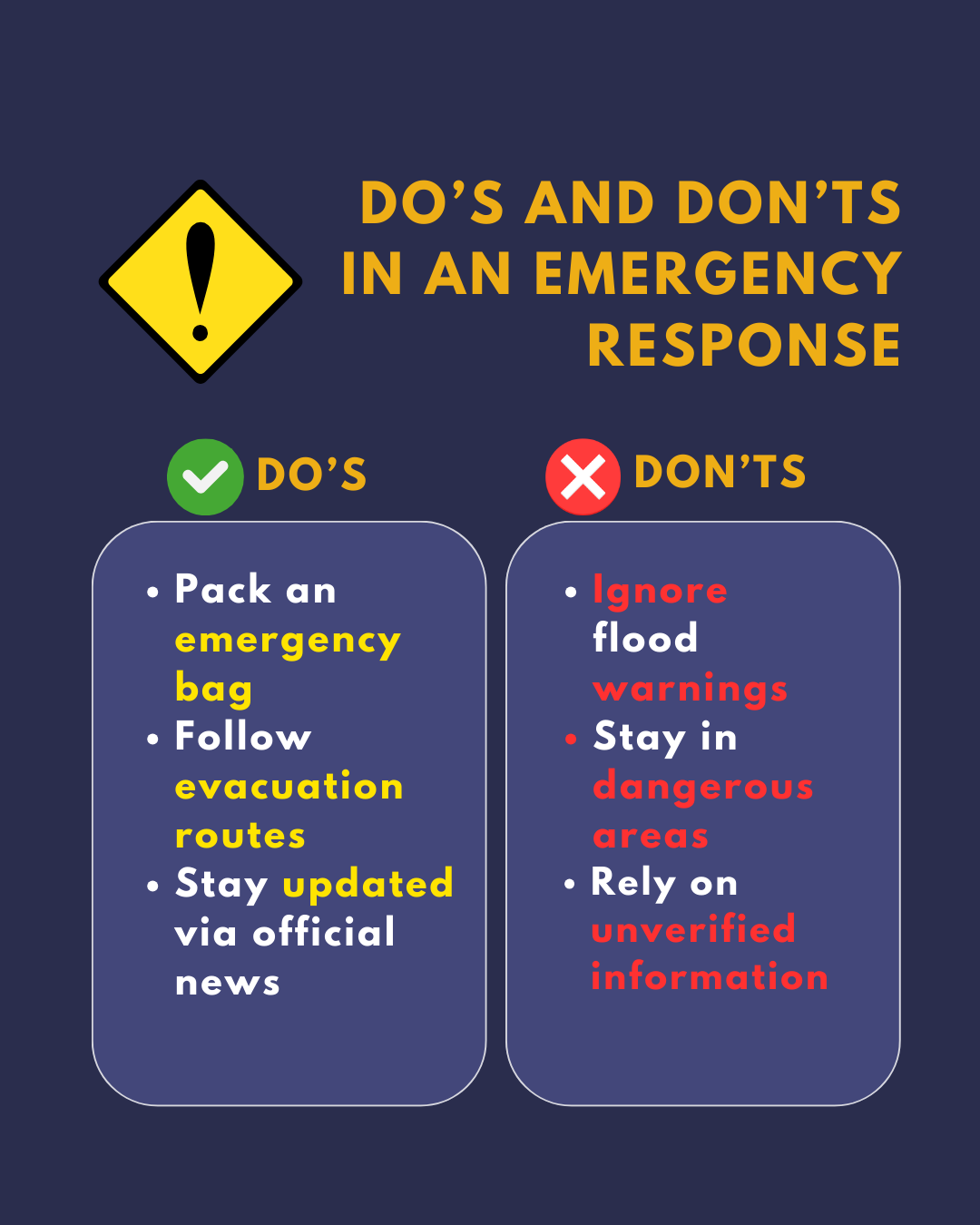
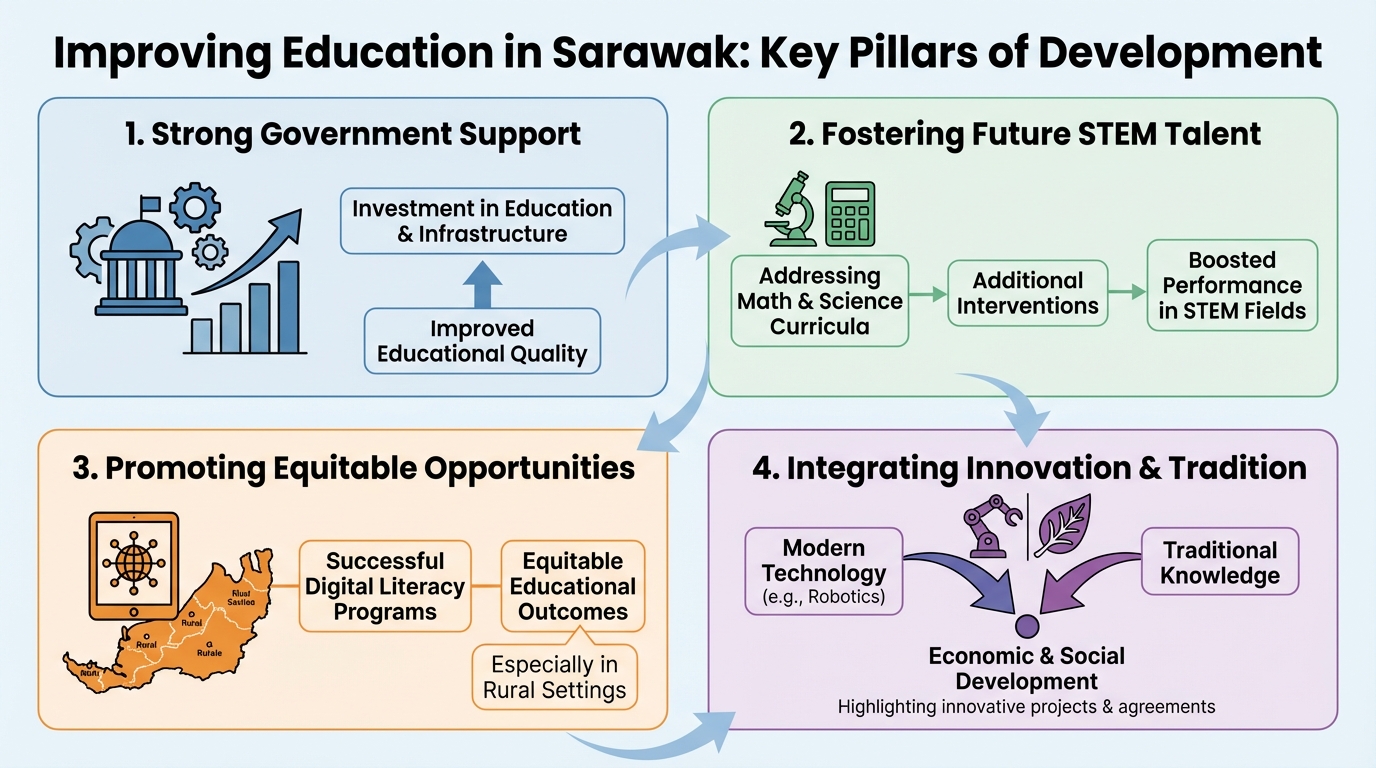
Essential emergency response tips: Pack an emergency bag, follow evacuation routes, stay updated, and avoid misinformation during crises
Explore more articles

Galeri Foto | Photo Gallery
Sarawak Loses Millions of Litres Daily
Sarawak loses treated water daily through leaking pipes and possible illegal connections. The state is replacing thousands of kilometres of old pipes to reduce this loss. Wise water use at home also helps ease pressure on the system.
Dari RAKAN Sarawak
Fake Progress, Real Risk
Governance frameworks look good on paper but hide weak ethical cultures. Artificial achievements, such as high training completion and zero violations, can mask fear, silence and metric gaming. Real integrity needs honest outcomes, safe reporting and leaders who model accountability.
Galeri Foto | Photo Gallery
Sarawak Connects Rural Towns Through Growth Corridors
Sarawak uses a decentralised growth corridor model to guide rural to urban transition. Regional agencies, better roads, bridges, digital links, agro parks and basic services bring urban advantages into rural areas without overcrowding major cities. This supports balanced regional integration.
Dari RAKAN Sarawak
Government Bridges Rural Gap With Bold Development
Sarawak is working hard to make sure growth reaches everyone, not only people living in Kuching or other big towns. Billions of ringgit are spent yearly on rural roads, water, electricity and land schemes so villages can grow like towns.
Galeri Foto | Photo Gallery
Smart Sarawak: Comfort, Connectivity, Economy
Smart home technology in Sarawak optimizes cooling, cuts electricity costs, expands rural connectivity, enhances security, supports aging residents, and boosts local tech jobs, advancing the state's digital economy and sustainable energy transition while improving healthcare access and property value statewide.
Dari RAKAN Sarawak
From Oil’s Black Gold to Ink’s Lasting Legacy
Miri is betting its post-oil future on literature, seeking UNESCO status by 2027 to transform from an extraction town to a cultural hub. The bid aims to diversify the economy through literary tourism and preserve the region's rich oral heritage, following Kuching's successful gastronomy model as a blueprint.