


Just innews timeline
- 1 day ago
- 2 days ago
- 3 days ago
- 4 days ago
- 5 days ago
- 6 days ago
- 1 week ago
- 1 week ago
- 1 week ago
- 1 week ago
- Advertisement -
Recent Articles
Galeri Foto | Photo Gallery

Yayasan Sarawak Nurtures Future Workforce
The modern facilities at Yayasan Sarawak International Secondary School provide students with a strong foundation. By offering world-class learning environments, the institution prepares talented youth to become skilled professionals who will drive Sarawak's economic growth forward.
Dari Sematan ke Merapok
Padawan: “Tiang Kukuh” Pembangunan di Kaki Bukit Penrissen
Padawan mempunyai potensi besar melalui industri pelancongan yang berkembang, warisan budaya yang kaya dan projek pertanian moden. Dengan jalan raya yang lebih baik dan peluasan digital, rantau ceria ini sememangnya bersedia menjadi contoh kejayaan luar bandar menjelang tahun 2030.
Galeri Foto | Photo Gallery
Sarawak Boosts Sustainable Cattle Farming
Farmers in Sarawak are actively embracing sustainable animal husbandry practices by carefully feeding cattle with fresh forage daily. This modern approach protects local resources, supports rural communities, and ensures healthy livestock production for future generations across the whole region today.
Dari RAKAN Sarawak
Sarawak Budget Digitalises Civil Service
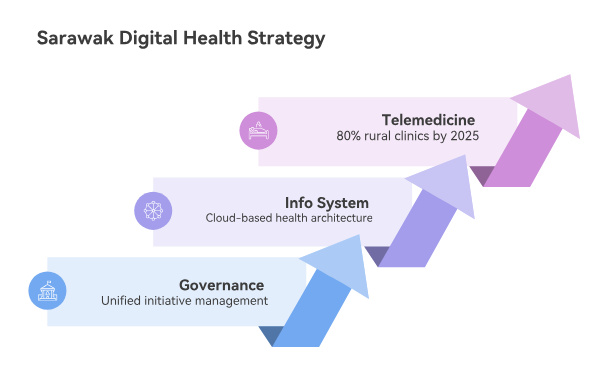
Sarawak Budget 2027 asks government agencies and civil servants to deliver public digital services, stronger data governance and cybersecurity, faster broadband and AI projects, while training staff and simplifying processes so residents and businesses across Sarawak feel real daily improvements.
Galeri Foto | Photo Gallery
Sarawak TVET Boosts Local Livelihoods
Sarawak strengthens local human capital by offering practical technical training through agencies like Sarawak Skills. With over 5,900 students and adults enrolled, these TVET programs empower residents with practical skills, achieving a remarkable 93 per cent graduate employability rate.
Economy
Together Building Prosperity and Securing Our Futures
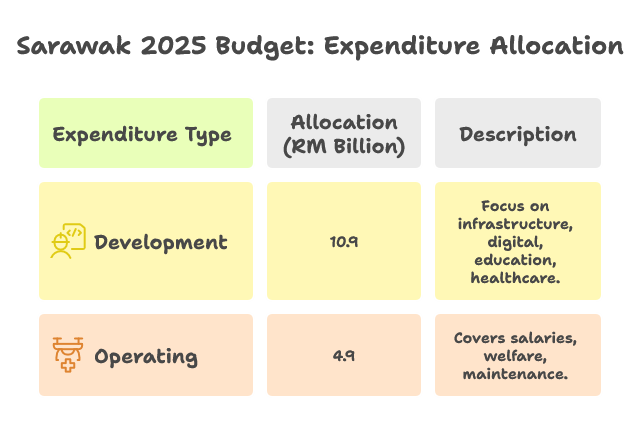
Sarawak’s 2027 Budget, tabled on 12 October 2026, plans record revenue of RM15.091 billion and a RM246 million surplus. It sets development spending at RM10.098 billion to improve infrastructure, human capital and new industries while shielding households from cost pressures.

discover
Infographic
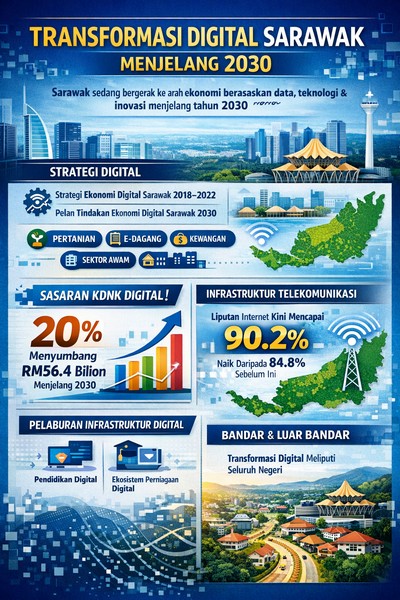
Infografik menunjukkan Transformasi Digital Sarawak Menjelang 2030
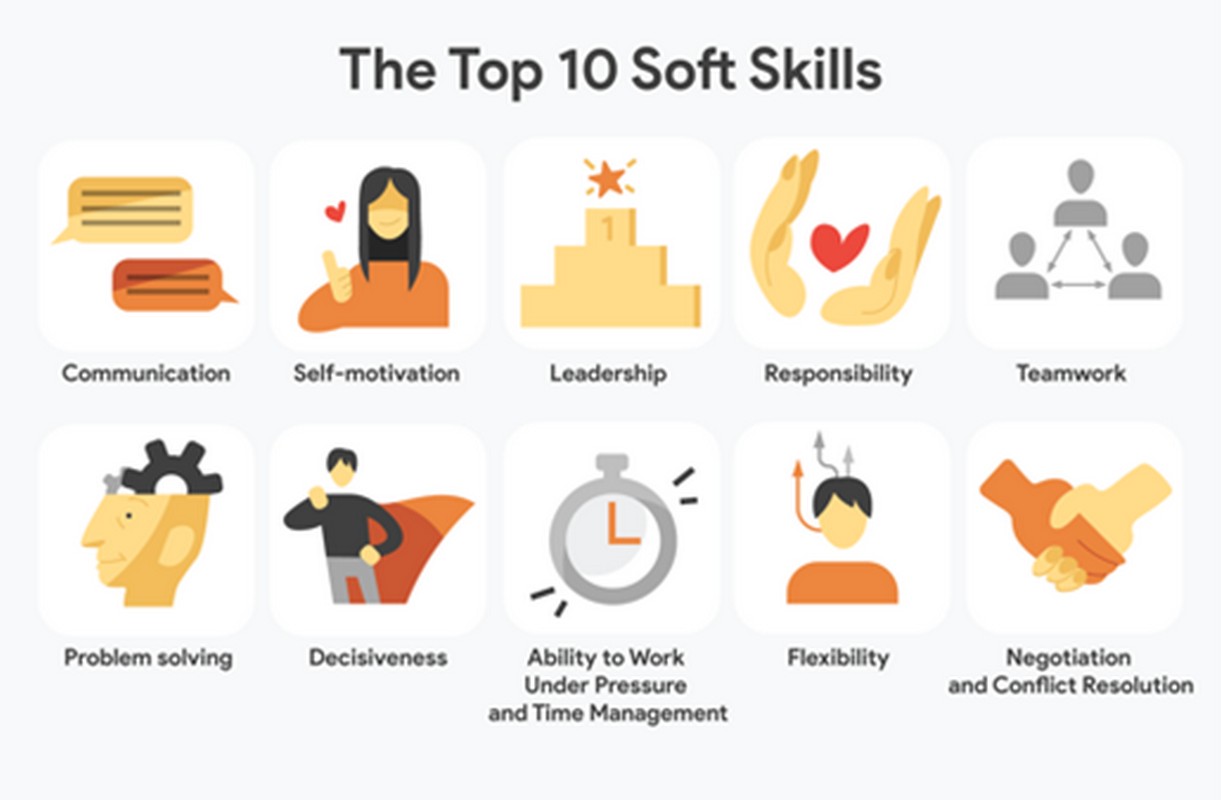
10 Soft Skills That Are Crucial for Work Readiness — Credit: NMD Training and Consultation
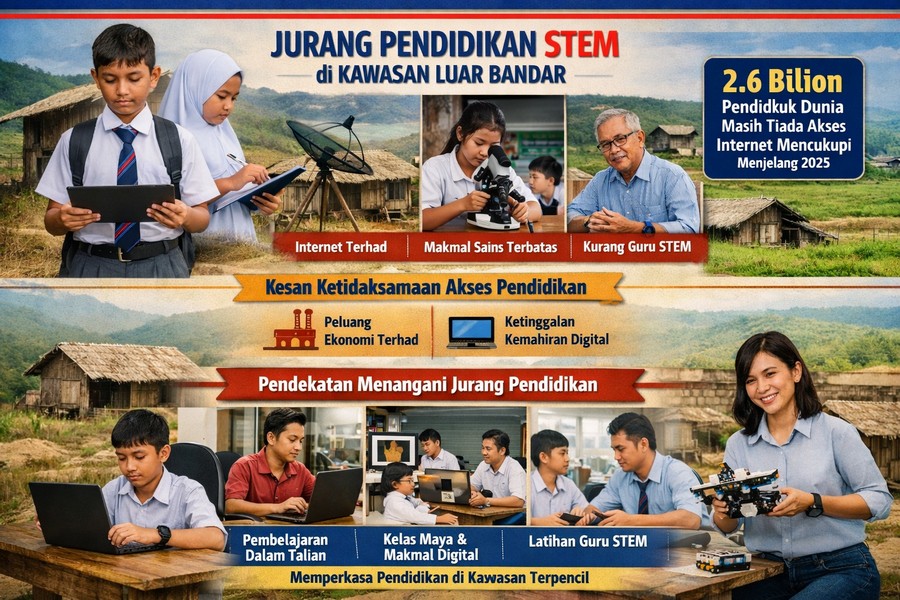
Tanpa akses kepada pendidikan STEM, pelajar luar bandar berisiko ketinggalan dalam ekonomi digital
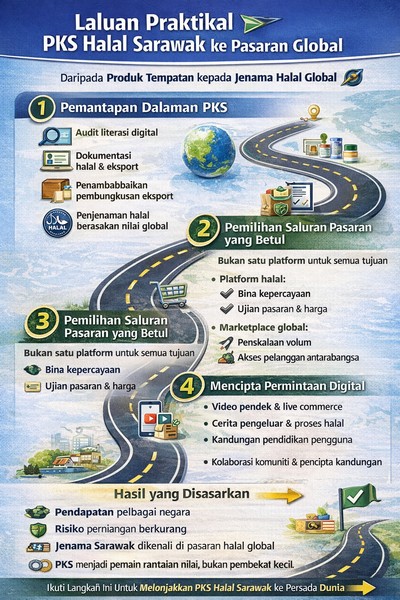
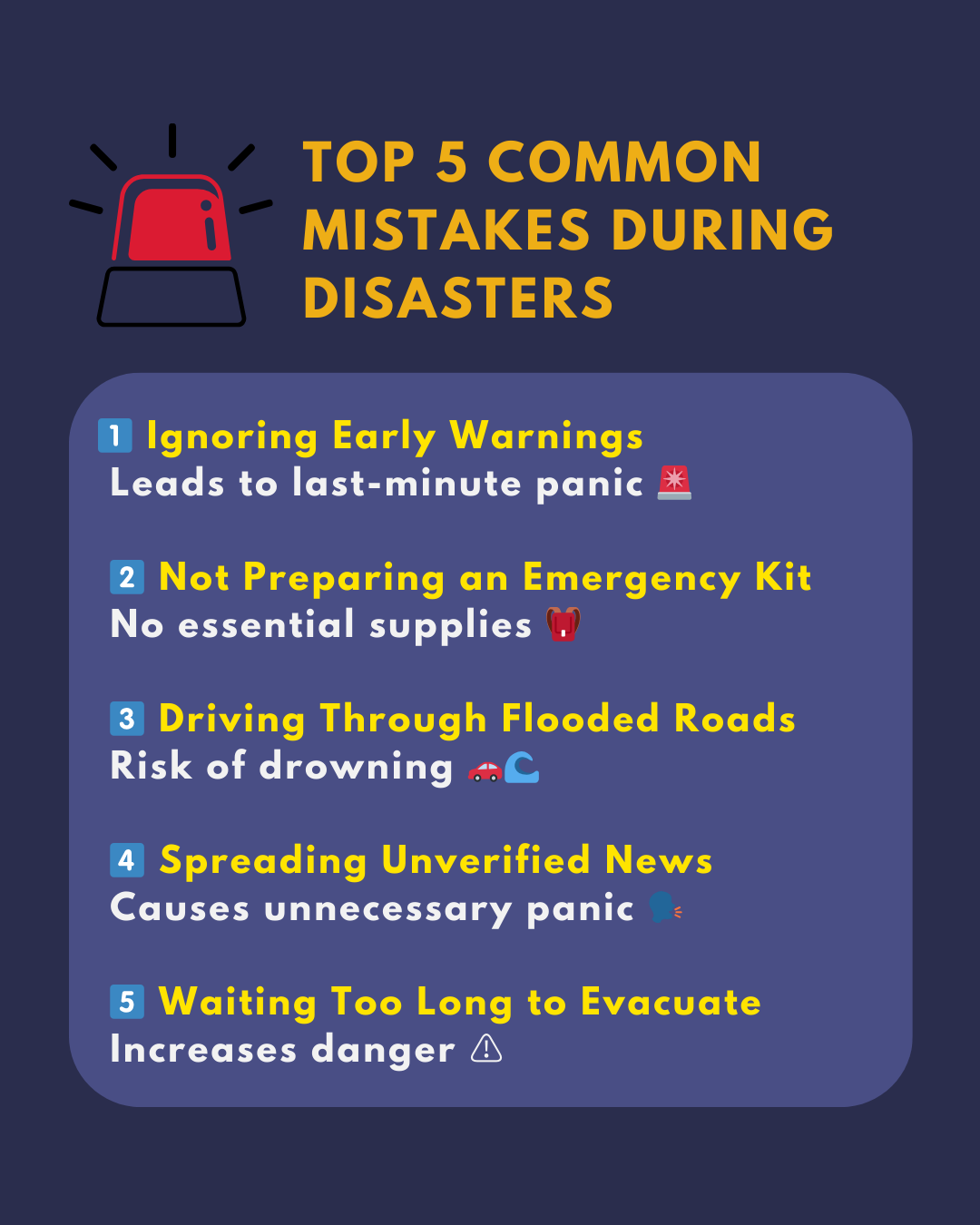
Avoid common disaster mistakes: Heed warnings, prepare an emergency kit, avoid flooded roads, verify news, and evacuate on time


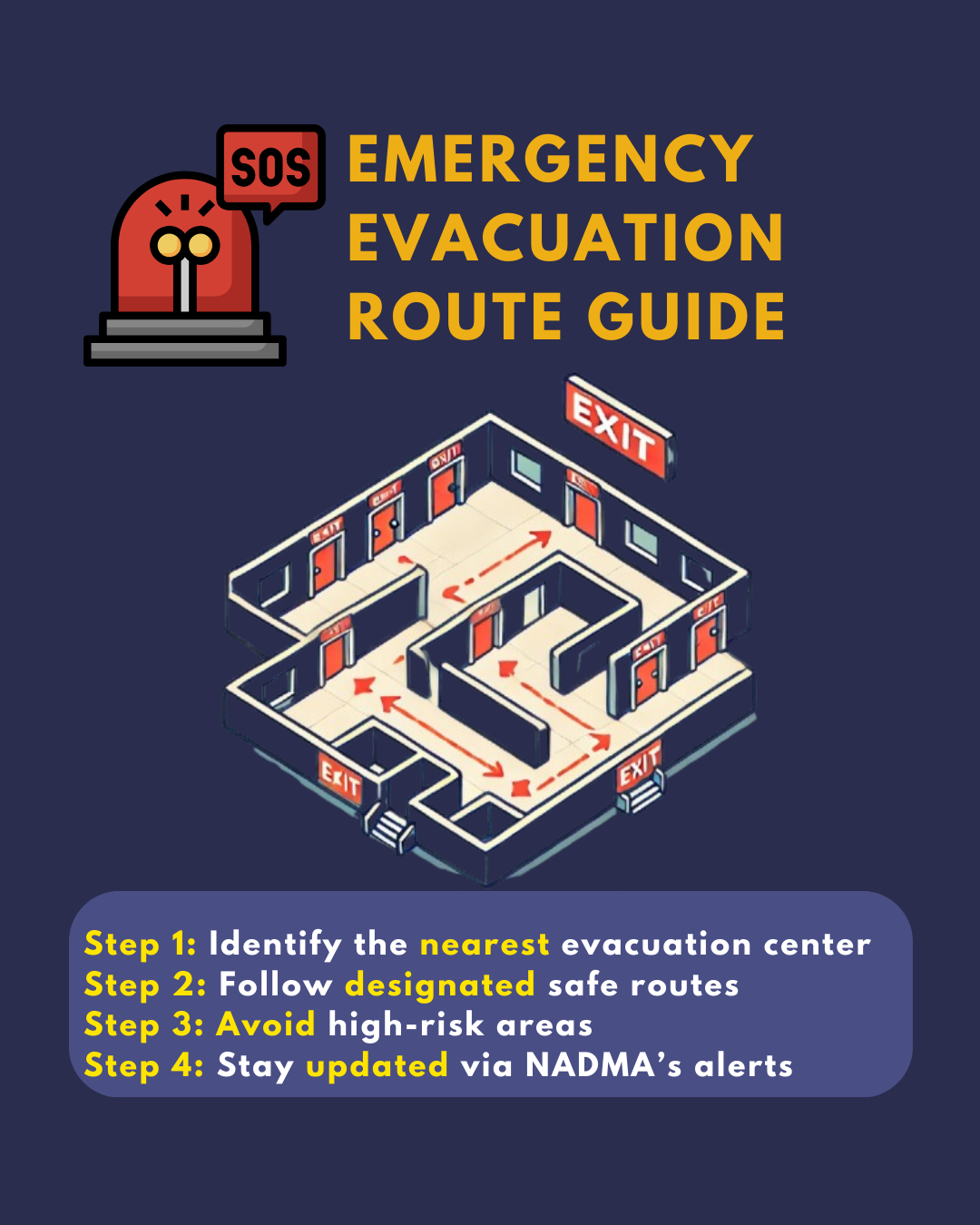
Emergency evacuation guide: Locate the nearest center, follow safe routes, avoid danger zones, and stay updated with NADMA alerts
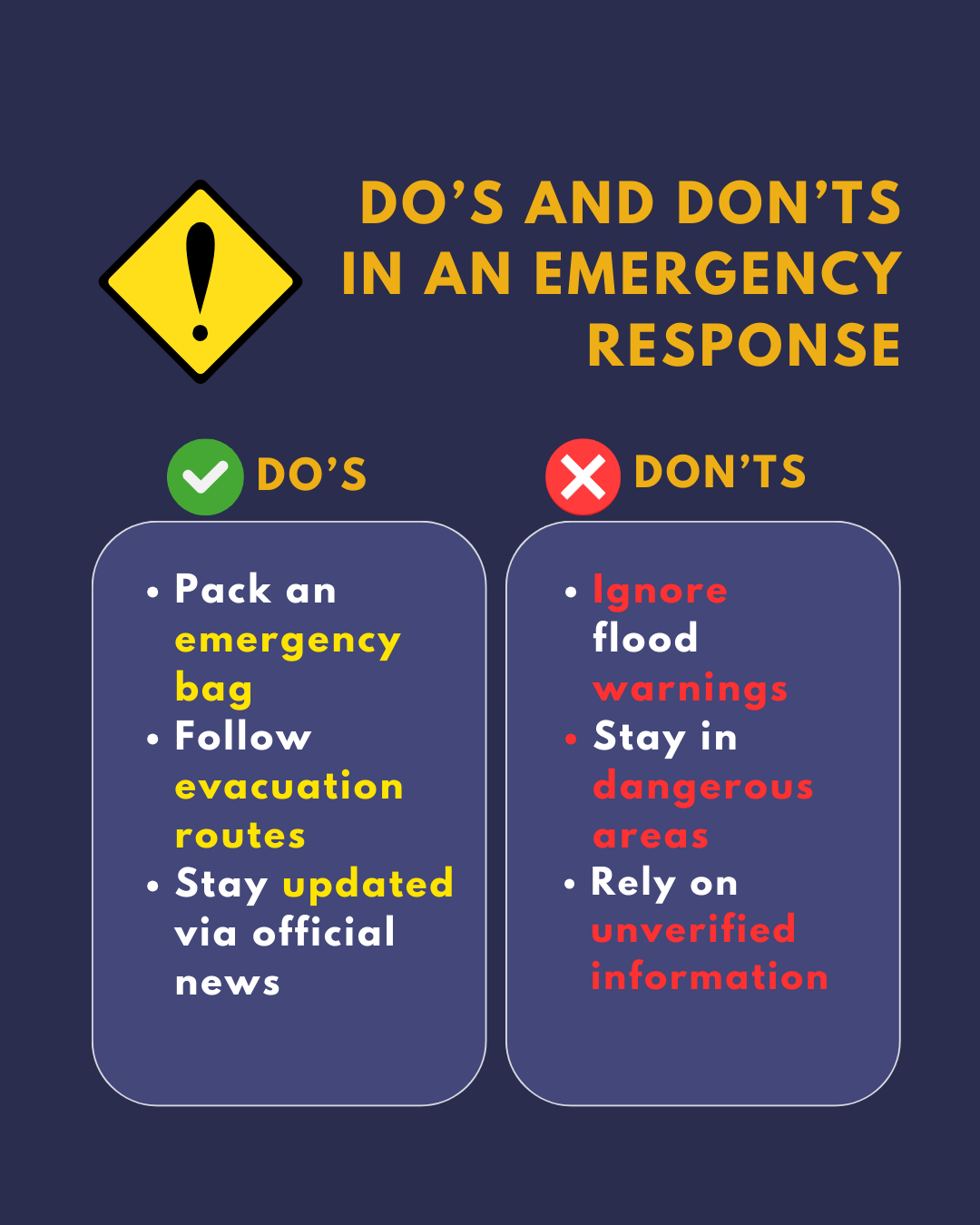
Essential emergency response tips: Pack an emergency bag, follow evacuation routes, stay updated, and avoid misinformation during crises
Explore more articles

Dari RAKAN Sarawak
Stesen Penyelidikan Pertanian Sarawak Pemacu Transformasi Agromakanan
Stesen penyelidikan pertanian di Sarawak memacu transformasi sektor agromakanan melalui R&D, pemindahan teknologi, dan pengeluaran benih berkualiti. Rangkaian tujuh stesen utama ini menyokong PCDS 2030 ke arah keterjaminan makanan dan eksport, sekali gus meningkatkan sosioekonomi komuniti tani negeri.
Dari RAKAN Sarawak
Niah’s True Legacy Lies Beyond the Plaque
Niah's UNESCO status is not an endpoint but a starting point for Sarawak. Its true significance now hinges on delivering economic and social dividends to Batu Niah through sustainable tourism, infrastructure, and community-based initiatives that honour its 50,000-year-old heritage.
Galeri Foto | Photo Gallery
Perpustakaan Bergerak Sarawak: Jambatan Ilmu
Perkhidmatan Perpustakaan Bergerak Sarawak membawa buku, komputer, dan Wi-Fi ke komuniti pedalaman. Inisiatif kolaboratif ini memupuk literasi, menyokong pelajar, dan merapatkan jurang digital di Bumi Kenyalang.
Dari RAKAN Sarawak
When “We Value Your Feedback” Means Nothing
Malaysia's complaint system reacts only after viral outrage, offering temporary counters and statements instead of accountability. Institutions lack binding powers, whistleblowers face retaliation, and citizens wait months for resolution. Complaints must be treated as obligations, with enforceable deadlines, protected voices, and transparent root cause investigations.
Dari RAKAN Sarawak
The Digital Hypodermic: Injecting Obsession, Eroding Focus
Social media obsession, driven by dopamine loops and social comparison, is a "digital hypodermic" injecting passivity, fragmentation, and economic distortion into Malaysia. This neurological manipulation undermines the focus, innovation, and unity required for Sarawak's and the nation's developmental ambitions, threatening to replace genuine progress with curated illusion.
Galeri Foto | Photo Gallery
Clean Renewable Energy Powering Sustainable Growth
Sarawak's hydropower supplies about 70 percent of generation. Bakun and Murum anchor five proposed cascading dams, adding three gigawatts and lifting capacity from 5.8 to 15 gigawatts by 2035, positioning Sarawak as a regional green energy exporter with community safeguards.