

Just innews timeline
- 1 day ago
- 2 days ago
- 3 days ago
- 4 days ago
- 5 days ago
- 6 days ago
- 1 week ago
- 1 week ago
- 1 week ago
- 1 week ago
- Advertisement -
Recent Articles
Dari RAKAN Sarawak

Sarawak Transport Budget Draws Scrutiny
Budget 2027 backed RM15.091 billion revenue and a RM246 million surplus. KUTS Phase 1 stood at 49% actual against 53% planned by September 2026. Road accidents reached 16,776 from January to September 2026. Aircraft movements hit 93,798 in Q3 2026.
Galeri Foto | Photo Gallery
Sarawak Bamboo Industry Unlocks Growth
Bamboo offers immense economic potential for Sarawak, providing a renewable resource for sustainable green industries and rural development. Local cultivation initiatives, such as the Sabal bamboo pilot project, demonstrate strong survival rates and high-yield adaptability across native and commercial species. Expanding this sector can significantly boost local manufacturing, create green jobs, and increase export revenues for the region. Strategic investments in modern processing facilities will help transform raw culms into high-value commercial goods.
Dari RAKAN Sarawak

Faster Worker Approvals
ILMU cut foreign worker processing from 80 to 43 days, beating the 61-day benchmark by 18 days.
Galeri Foto | Photo Gallery
Sarawak Powers Up EV Network
Sarawak is advancing sustainable mobility by integrating electric vehicles with green power. Over 70% of the state's electricity is generated from renewable energy, while 153 EV charging stations support clean, low-carbon transportation across urban infrastructure.
Dari RAKAN Sarawak
Sarawak Funds Water, Power, Connectivity
Sarawak’s 2027 Budget sets aside RM1.38 billion for water, electricity and telecommunications. A 25% electricity rebate helps 716,000 consumers, while RM5 monthly water subsidies support about 600,000 households. Statewide water coverage is 86.1%, and 94.5% of settlements have internet coverage.
Dari RAKAN Sarawak
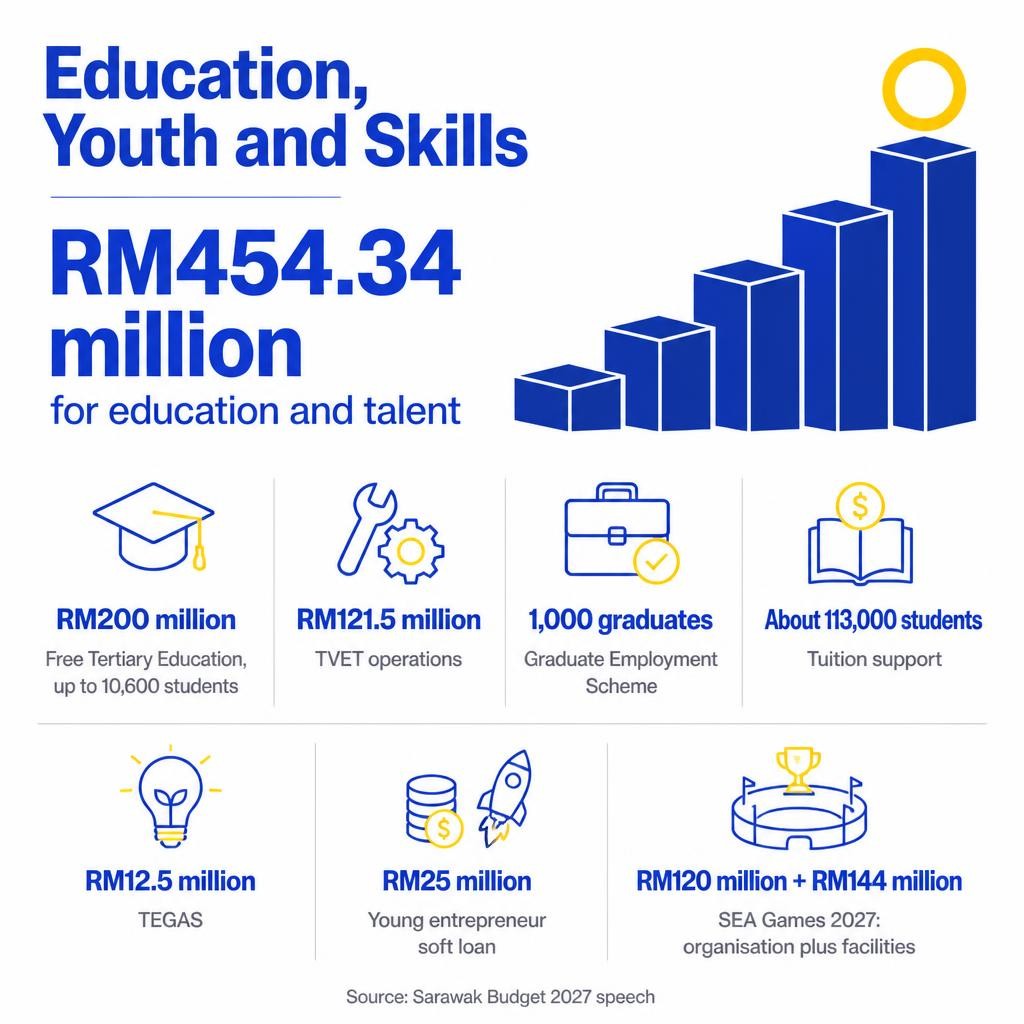
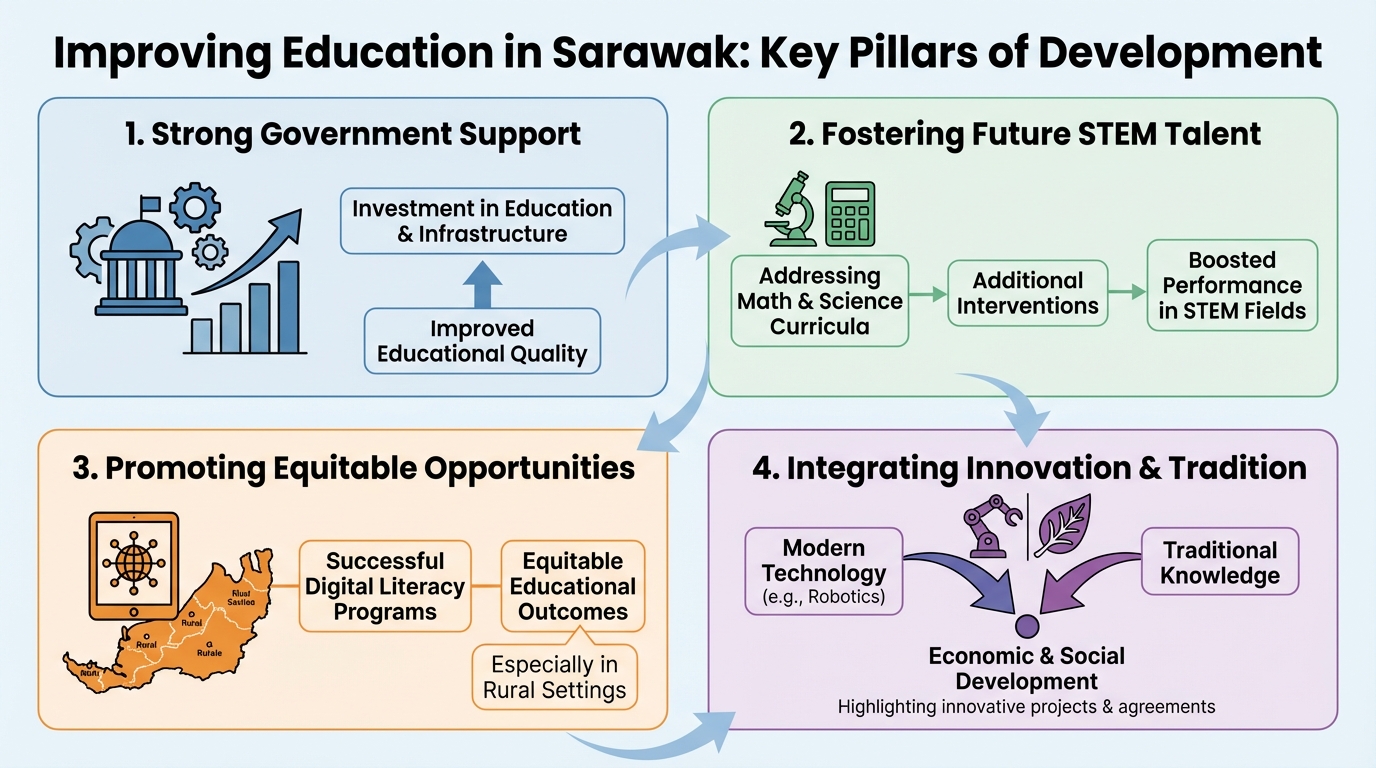
Sarawak Drives Growth Through Education and Talent Backing
Sarawak's 2027 Budget funds education, higher education, innovation, talent development and regional development through the Ministry for Education, Innovation and Talent Development. The account reports progress, projects and community responses, while noting delivery depends on federal cooperation and outcome data.

discover
Infographic
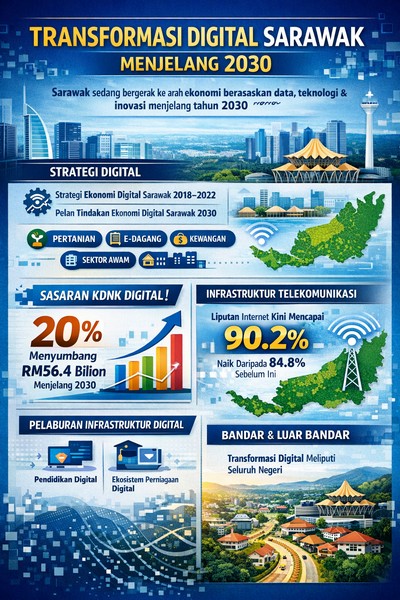
Infografik menunjukkan Transformasi Digital Sarawak Menjelang 2030
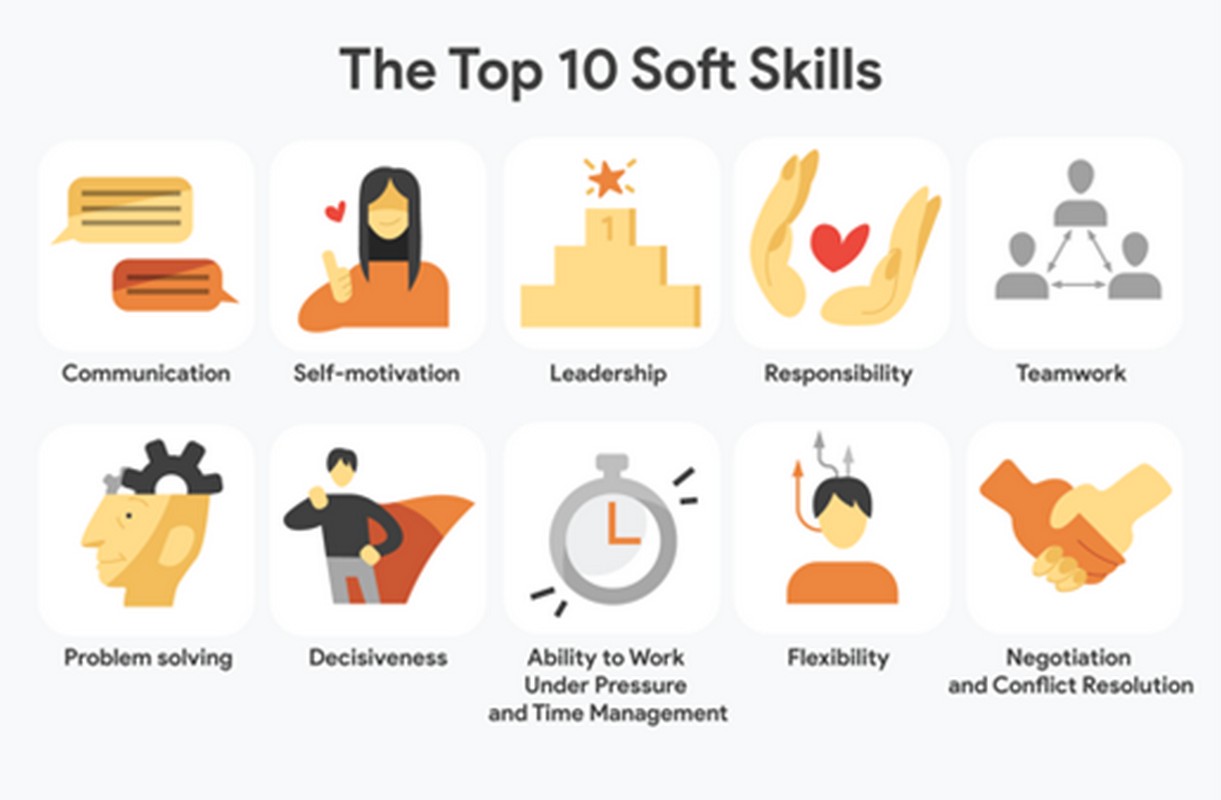
10 Soft Skills That Are Crucial for Work Readiness — Credit: NMD Training and Consultation
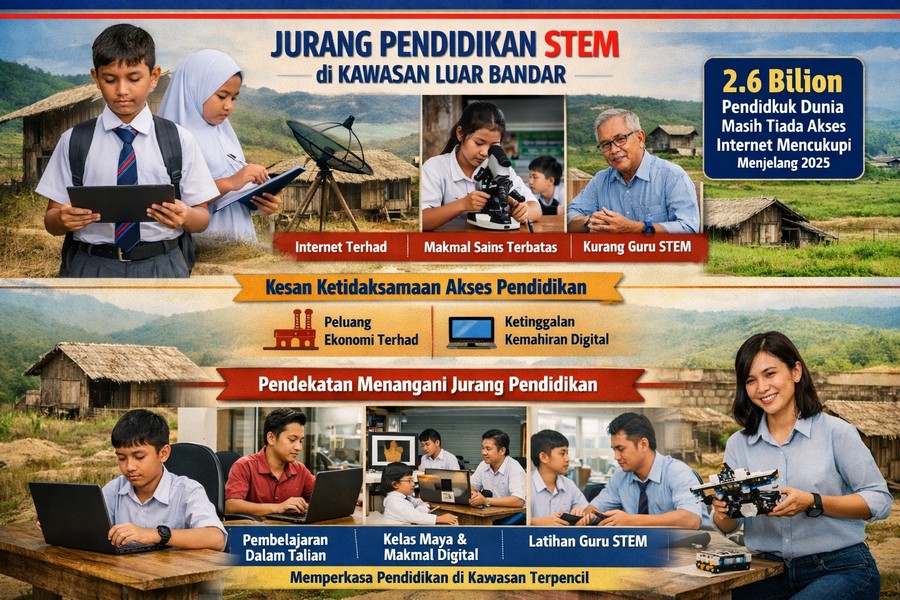
Tanpa akses kepada pendidikan STEM, pelajar luar bandar berisiko ketinggalan dalam ekonomi digital
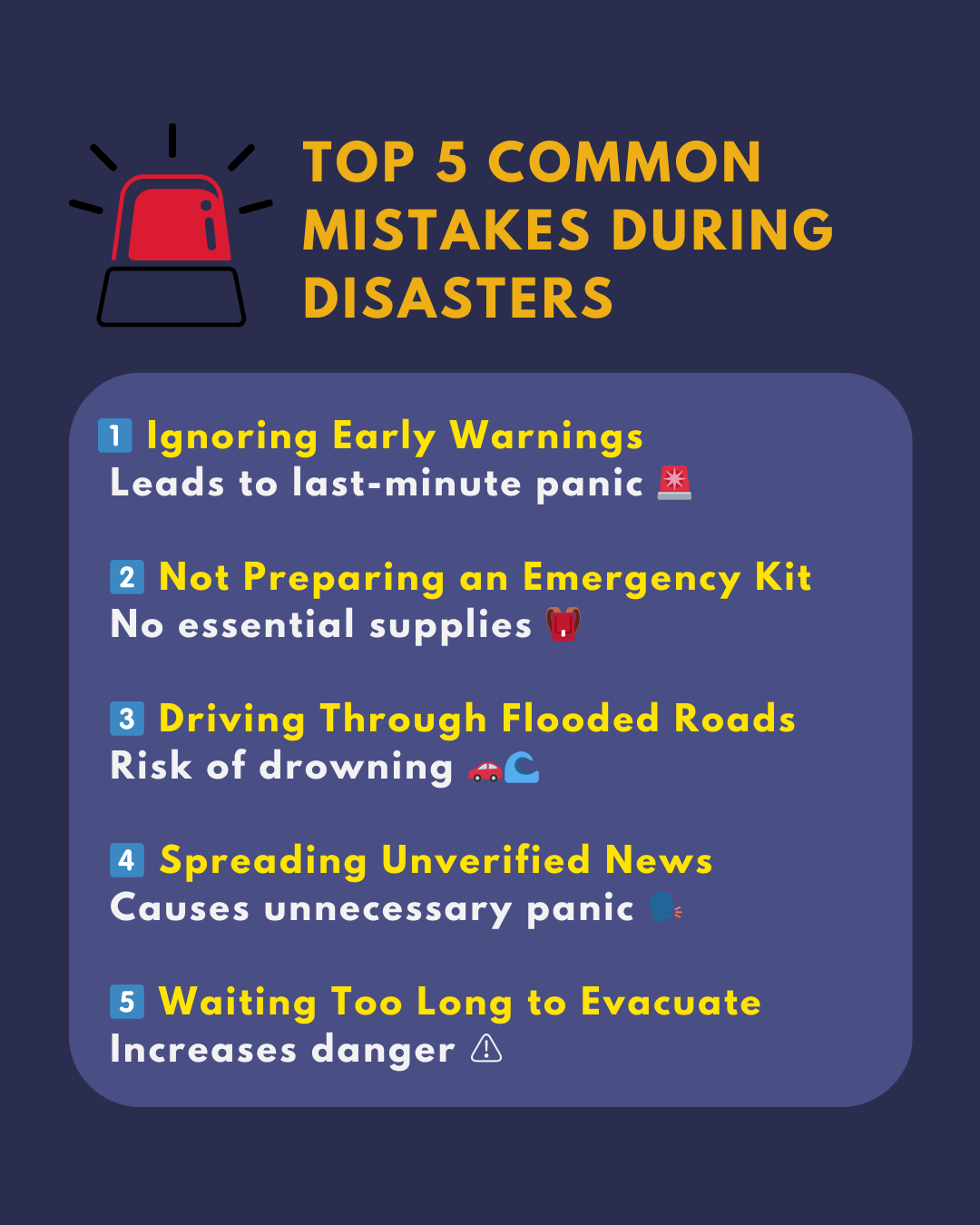
Avoid common disaster mistakes: Heed warnings, prepare an emergency kit, avoid flooded roads, verify news, and evacuate on time


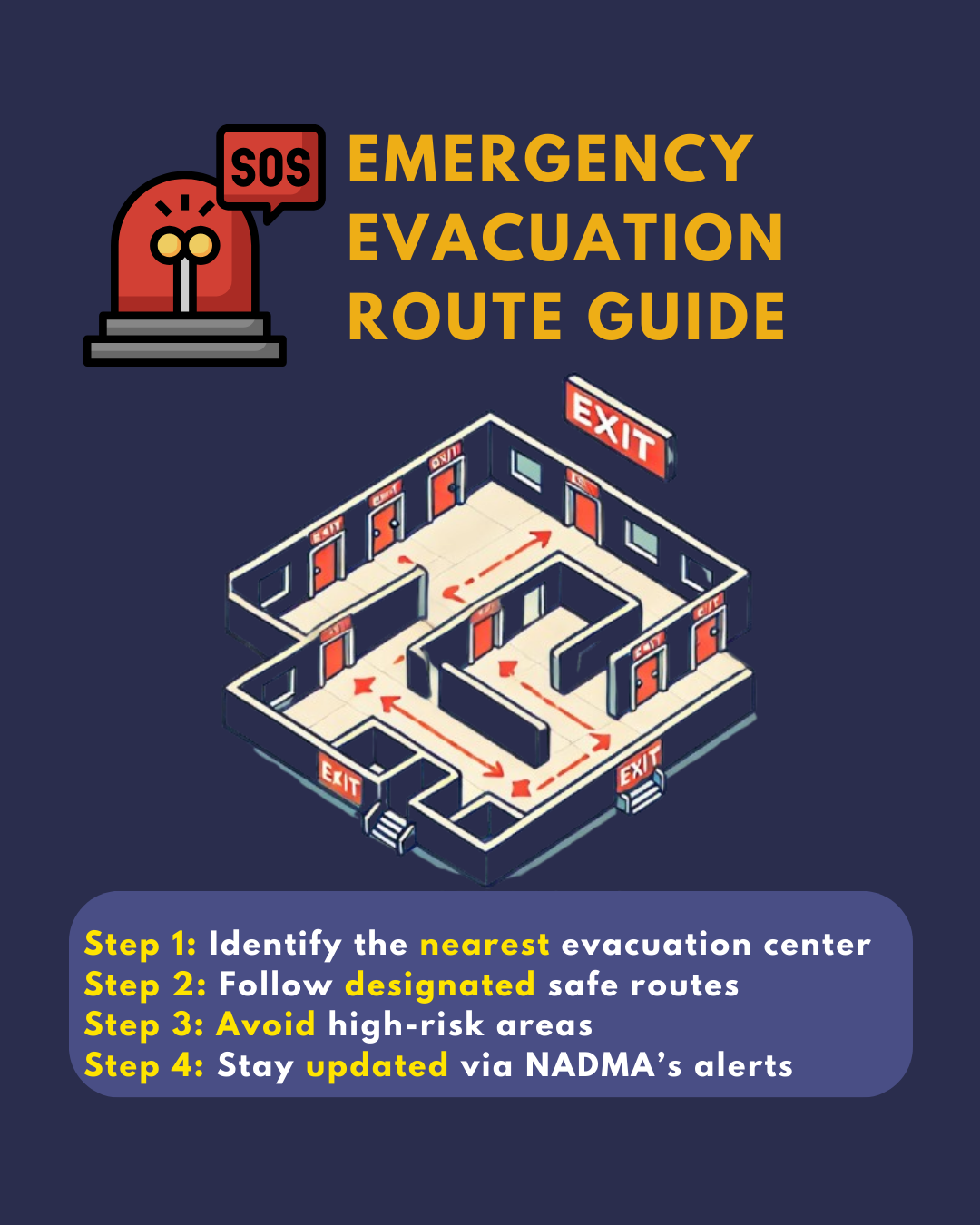
Emergency evacuation guide: Locate the nearest center, follow safe routes, avoid danger zones, and stay updated with NADMA alerts
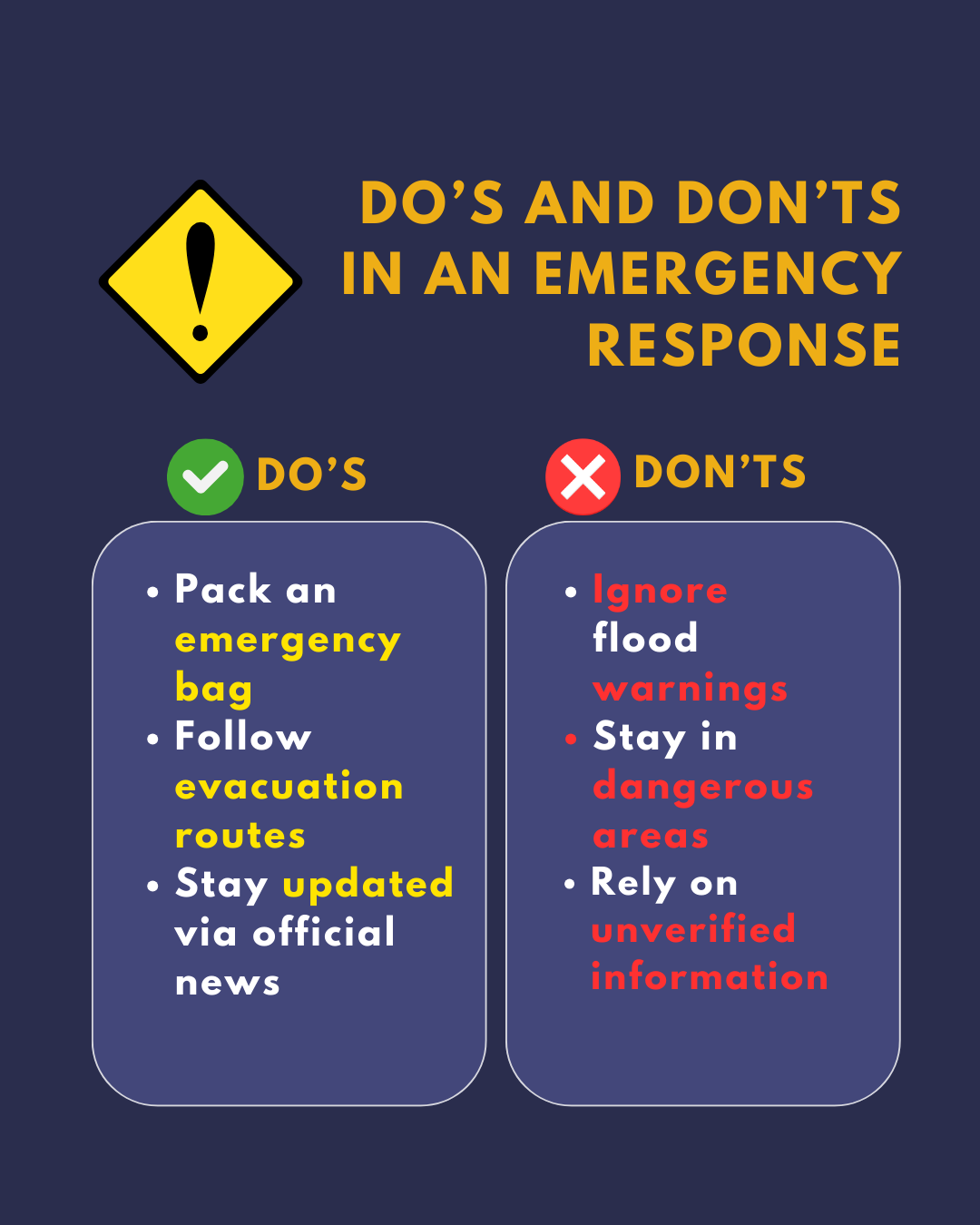
Essential emergency response tips: Pack an emergency bag, follow evacuation routes, stay updated, and avoid misinformation during crises
Explore more articles