

Just innews timeline
- 1 day ago
- 3 days ago
- 3 days ago
- 4 days ago
- 5 days ago
- 6 days ago
- 7 days ago
- 1 week ago
- 1 week ago
- 1 week ago
- Advertisement -
Recent Articles
Dari RAKAN Sarawak

From Oil’s Black Gold to Ink’s Lasting Legacy
Miri is betting its post-oil future on literature, seeking UNESCO status by 2027 to transform from an extraction town to a cultural hub. The bid aims to diversify the economy through literary tourism and preserve the region's rich oral heritage, following Kuching's successful gastronomy model as a blueprint.
Dari RAKAN Sarawak
Stesen Penyelidikan Pertanian Sarawak Pemacu Transformasi Agromakanan
Stesen penyelidikan pertanian di Sarawak memacu transformasi sektor agromakanan melalui R&D, pemindahan teknologi, dan pengeluaran benih berkualiti. Rangkaian tujuh stesen utama ini menyokong PCDS 2030 ke arah keterjaminan makanan dan eksport, sekali gus meningkatkan sosioekonomi komuniti tani negeri.
Dari RAKAN Sarawak
Niah’s True Legacy Lies Beyond the Plaque
Niah's UNESCO status is not an endpoint but a starting point for Sarawak. Its true significance now hinges on delivering economic and social dividends to Batu Niah through sustainable tourism, infrastructure, and community-based initiatives that honour its 50,000-year-old heritage.
Galeri Foto | Photo Gallery
Perpustakaan Bergerak Sarawak: Jambatan Ilmu
Perkhidmatan Perpustakaan Bergerak Sarawak membawa buku, komputer, dan Wi-Fi ke komuniti pedalaman. Inisiatif kolaboratif ini memupuk literasi, menyokong pelajar, dan merapatkan jurang digital di Bumi Kenyalang.
Dari RAKAN Sarawak
When “We Value Your Feedback” Means Nothing
Malaysia's complaint system reacts only after viral outrage, offering temporary counters and statements instead of accountability. Institutions lack binding powers, whistleblowers face retaliation, and citizens wait months for resolution. Complaints must be treated as obligations, with enforceable deadlines, protected voices, and transparent root cause investigations.
Dari RAKAN Sarawak
The Digital Hypodermic: Injecting Obsession, Eroding Focus
Social media obsession, driven by dopamine loops and social comparison, is a "digital hypodermic" injecting passivity, fragmentation, and economic distortion into Malaysia. This neurological manipulation undermines the focus, innovation, and unity required for Sarawak's and the nation's developmental ambitions, threatening to replace genuine progress with curated illusion.

discover
Infographic
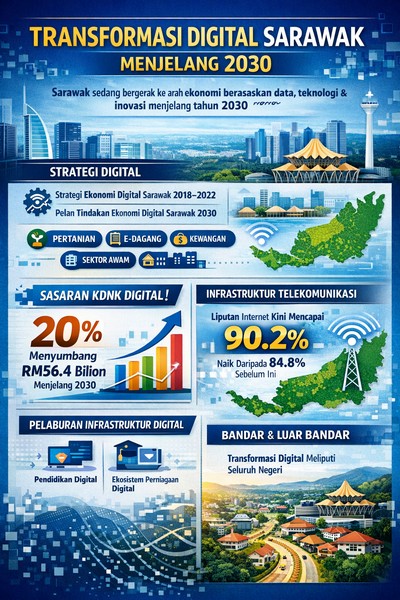
Infografik menunjukkan Transformasi Digital Sarawak Menjelang 2030
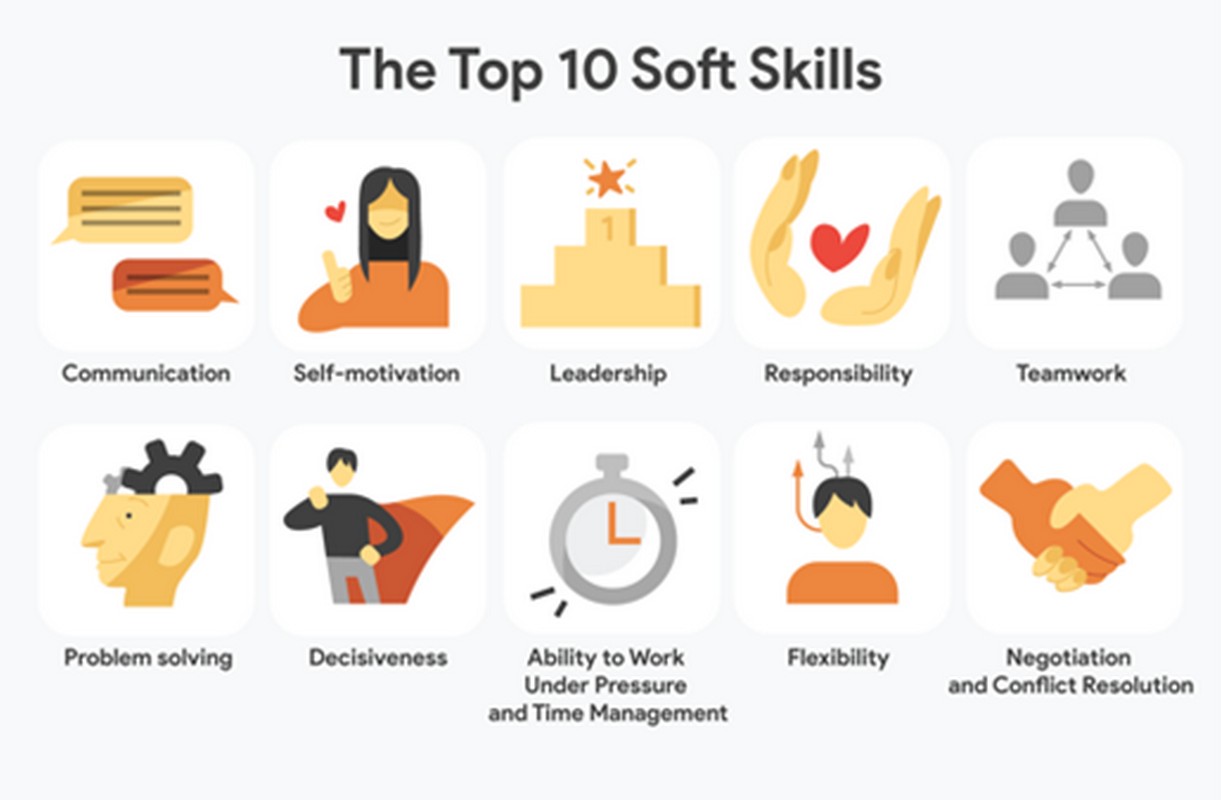
10 Soft Skills That Are Crucial for Work Readiness — Credit: NMD Training and Consultation
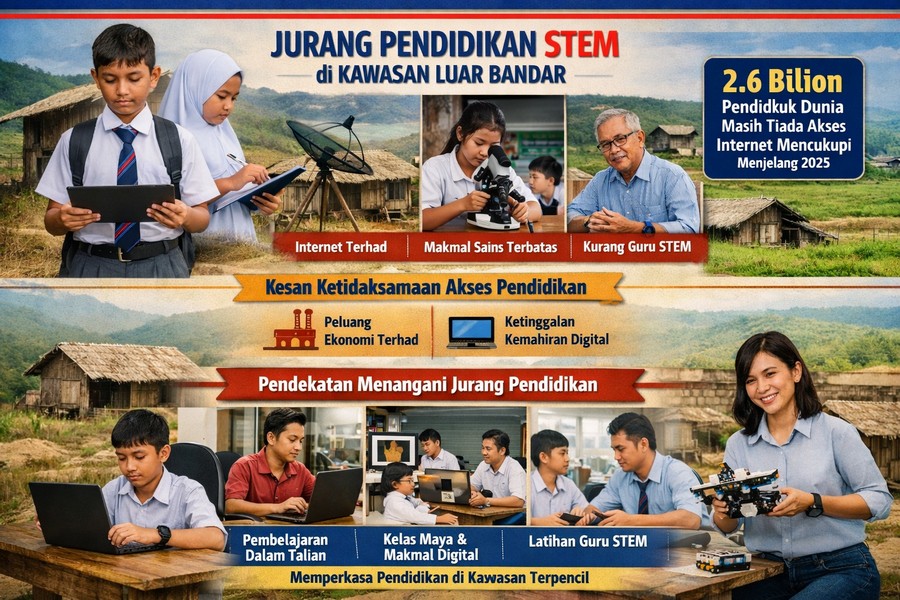
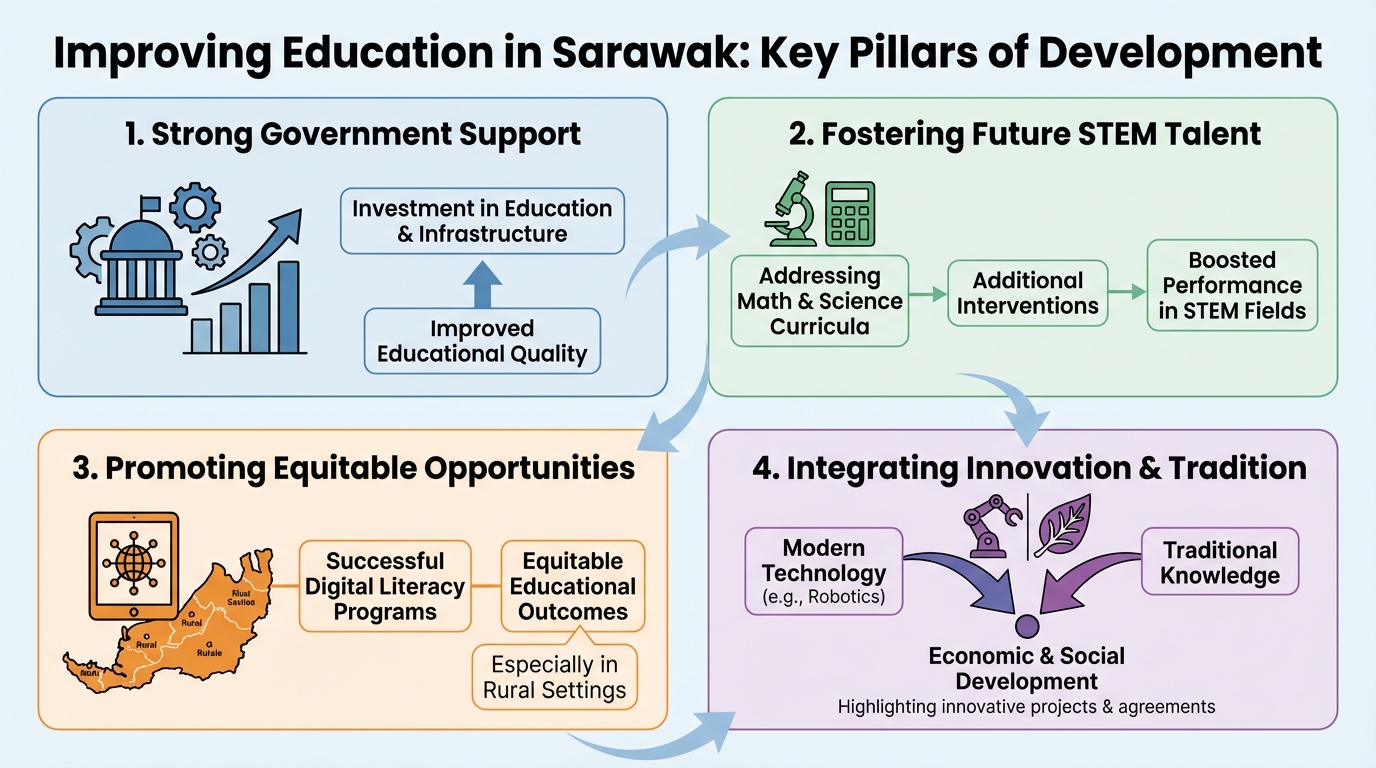
Tanpa akses kepada pendidikan STEM, pelajar luar bandar berisiko ketinggalan dalam ekonomi digital
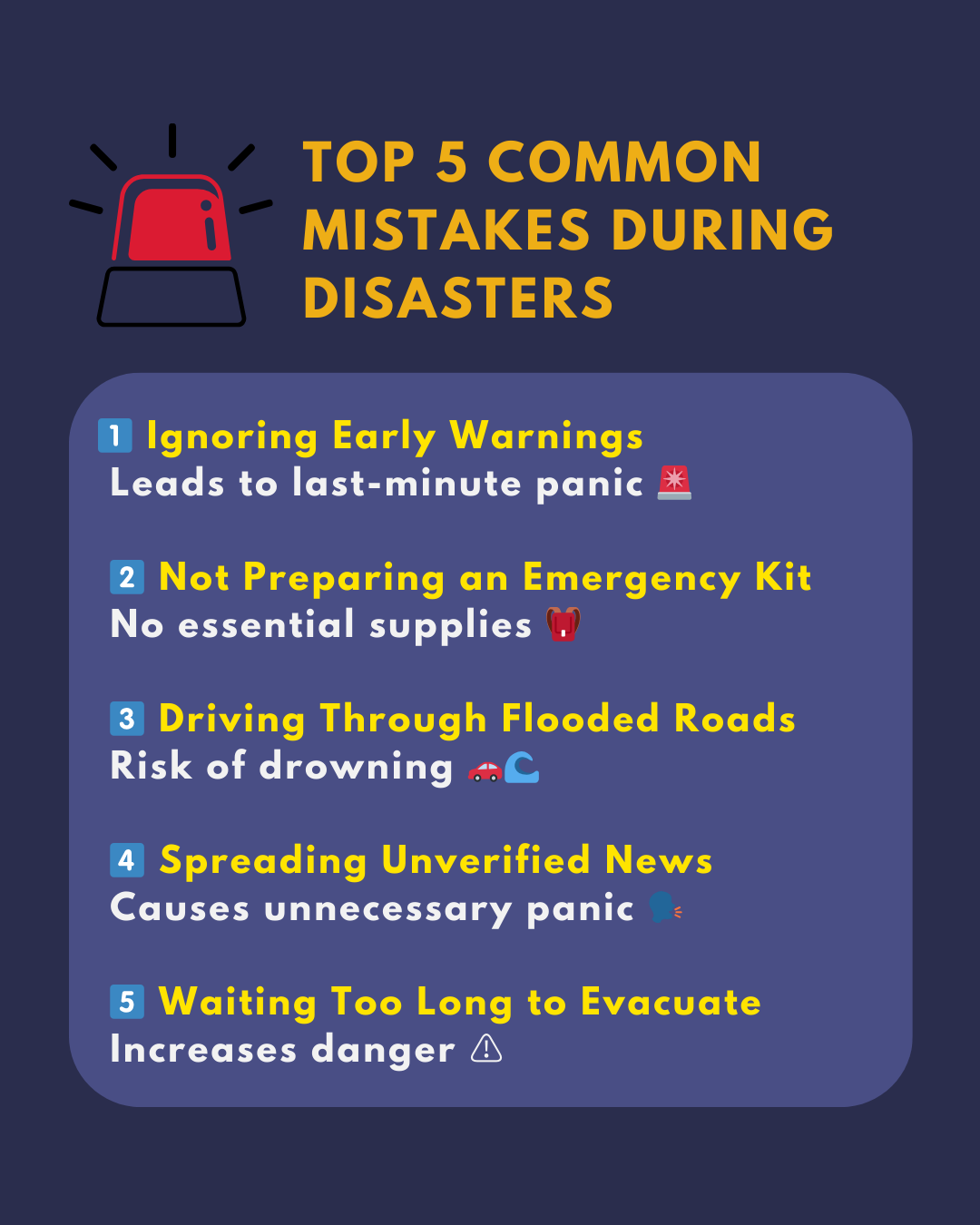
Avoid common disaster mistakes: Heed warnings, prepare an emergency kit, avoid flooded roads, verify news, and evacuate on time


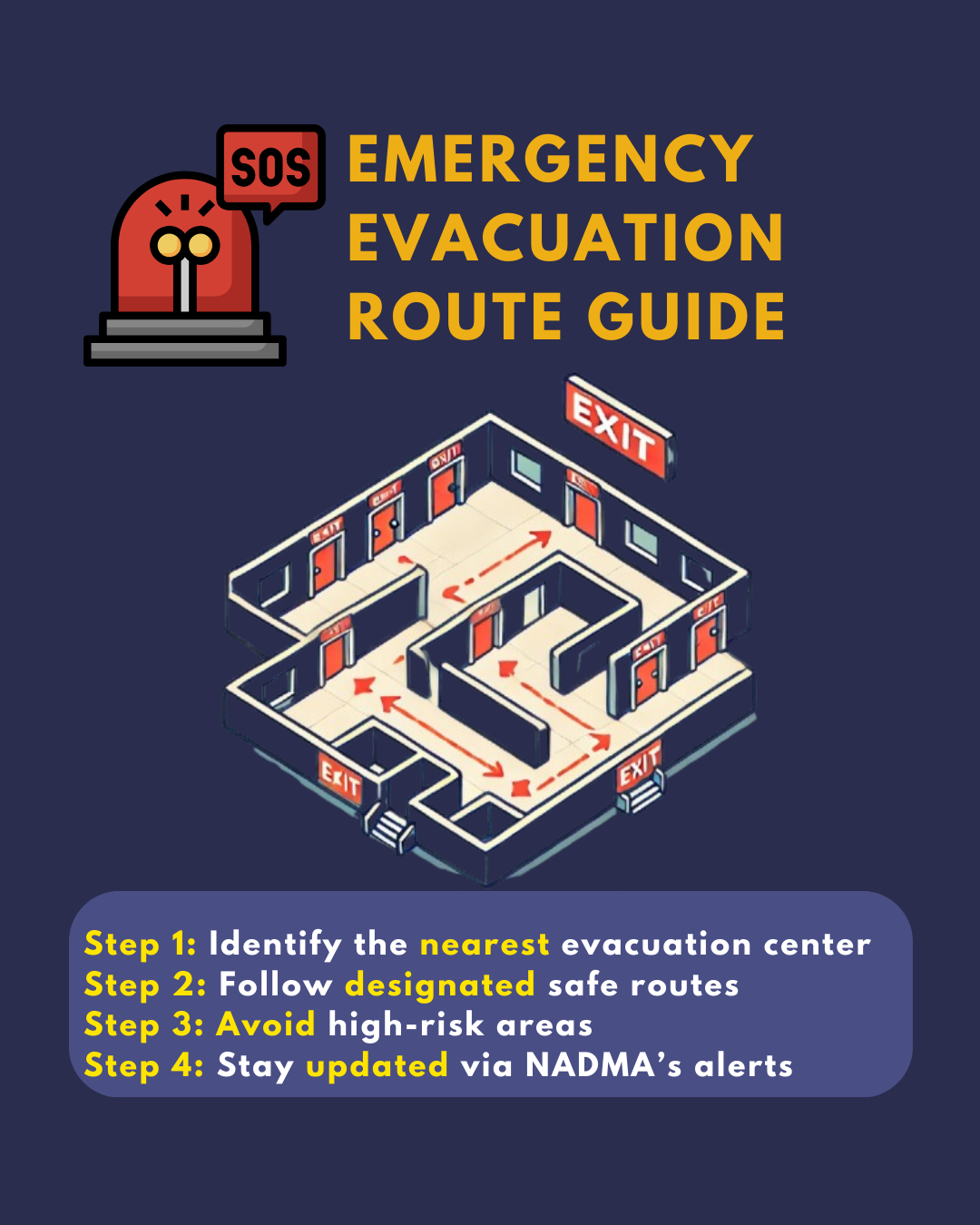
Emergency evacuation guide: Locate the nearest center, follow safe routes, avoid danger zones, and stay updated with NADMA alerts
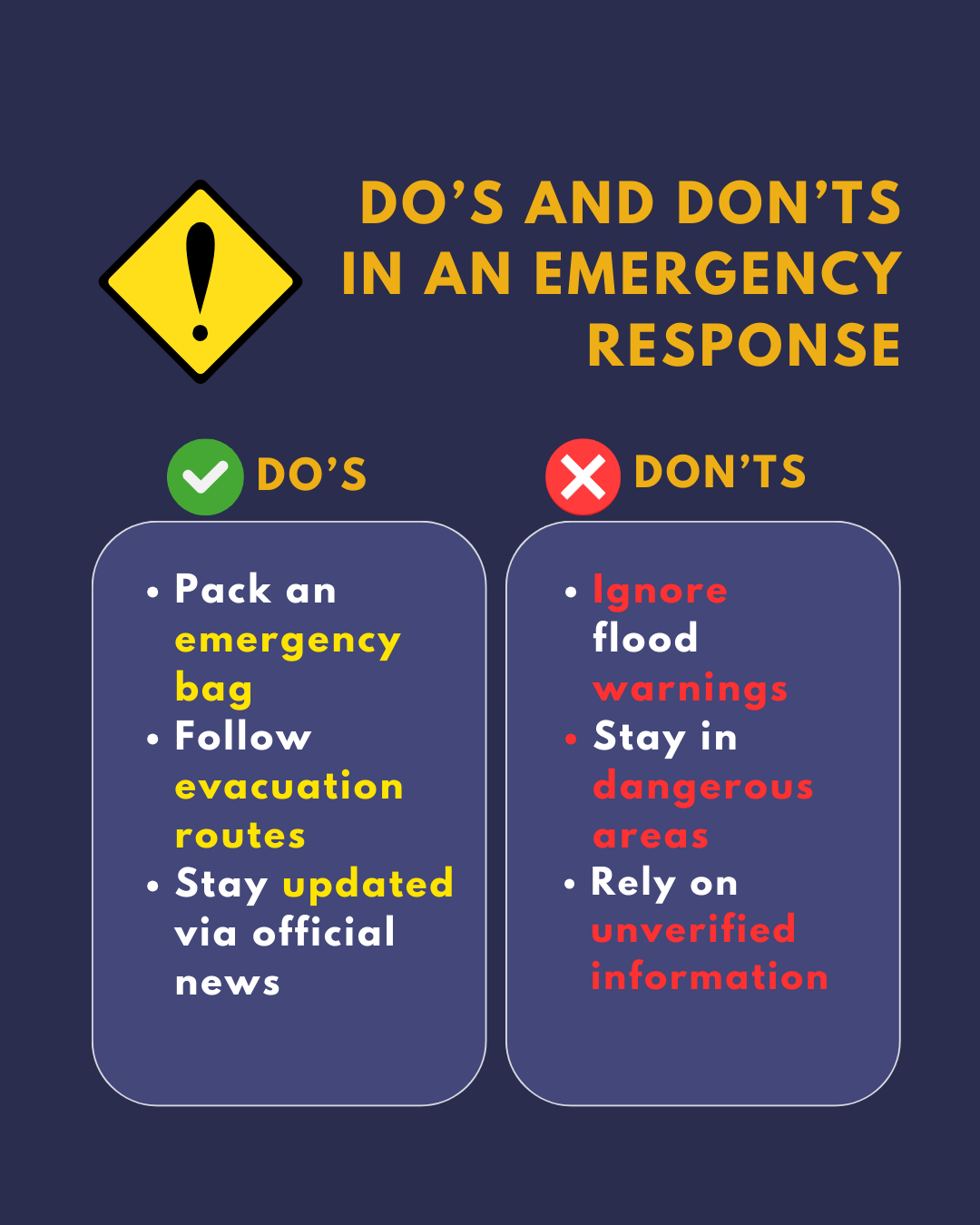
Essential emergency response tips: Pack an emergency bag, follow evacuation routes, stay updated, and avoid misinformation during crises
Explore more articles

Dari RAKAN Sarawak
Strategic Communication Translates Policy Architecture Into Tangible Outcomes
Strategic development communication translates PCDS 2030 into action through six elements: aligned messaging, inclusive engagement, behaviour change, capacity building, trust, and data-driven adaptation. Sarawak excels in alignment but needs genuine two-way dialogue and culturally resonant outreach for equitable, sustainable development.
Dari RAKAN Sarawak
Harmonizing Policy Layers to Achieve Sarawak’s PCDS 2030 Vision
Guided by PCDS 2030, Sarawak's architecture integrates national plans, SDGs, and ESG principles to drive economic transformation, sustainability, and inclusivity. Abang Johari's vision powers this multi-layered effort, yet closing the policy-implementation gap remains the key challenge for a progressive Sarawak.
Dari RAKAN Sarawak
Beyond Productivity: Cultivating Sarawak’s Workforce Through Integrated Policy and Strategic Communication
In Sarawak, an Outstanding Worker embodies resilience, authenticity, kindness, advocacy, and nurturing, contributing to economic, social, and environmental well-being across public, private, and informal sectors, aligning with Premier Abang Johari’s sustainable development vision for a truly progressive and prosperous state.
Dari RAKAN Sarawak
Rukun sebagai Nadi Kehidupan Masyarakat Bidayuh Salako
Dalam dunia moden yang semakin kompleks, rukun mungkin dilihat sebagai sesuatu yang tradisional. Namun bagi masyarakat Bidayuh Salako, ia tetap hidup dan diamalkan, ditafsirkan, dan diwariskan dari satu generasi ke generasi seterusnya.
Dari RAKAN Sarawak
Kelahiran Penuh Makna Masyarakat Salako
Bagi masyarakat Salako di Kampung Pueh, kelahiran seorang anak tidak pernah dianggap sebagai peristiwa biasa. Sejak dahulu hingga kini, setiap kelahiran diraikan sebagai sesuatu yang istimewa dan bukan sekadar hadirnya seorang bayi, tetapi lahirnya sebuah permulaan, kesinambungan warisan, dan harapan baharu yang menghidupkan identiti orang Salako.
Dari RAKAN Sarawak
Empowering Sarawak’s Rural Communities for Sustainable Indigenous Prosperity
Sarawak’s community initiatives eradicate poverty, aligning with PCDS 2030, SDGs, and ESG goals.
Grassroots empowerment via cooperatives and digital hubs transforms vulnerabilities into assets.
This ensures equitable prosperity and stability for indigenous rural populations, fostering sustainable growth across the state.