

Just innews timeline
- 2 days ago
- 3 days ago
- 3 days ago
- 5 days ago
- 5 days ago
- 7 days ago
- 1 week ago
- 1 week ago
- 1 week ago
- 1 week ago
- Advertisement -
Recent Articles
Dari RAKAN Sarawak

Fake Progress, Real Risk
Governance frameworks look good on paper but hide weak ethical cultures. Artificial achievements, such as high training completion and zero violations, can mask fear, silence and metric gaming. Real integrity needs honest outcomes, safe reporting and leaders who model accountability.
Galeri Foto | Photo Gallery
Sarawak Connects Rural Towns Through Growth Corridors
Sarawak uses a decentralised growth corridor model to guide rural to urban transition. Regional agencies, better roads, bridges, digital links, agro parks and basic services bring urban advantages into rural areas without overcrowding major cities. This supports balanced regional integration.
Dari RAKAN Sarawak
Government Bridges Rural Gap With Bold Development
Sarawak is working hard to make sure growth reaches everyone, not only people living in Kuching or other big towns. Billions of ringgit are spent yearly on rural roads, water, electricity and land schemes so villages can grow like towns.
Galeri Foto | Photo Gallery
Smart Sarawak: Comfort, Connectivity, Economy
Smart home technology in Sarawak optimizes cooling, cuts electricity costs, expands rural connectivity, enhances security, supports aging residents, and boosts local tech jobs, advancing the state's digital economy and sustainable energy transition while improving healthcare access and property value statewide.
Dari RAKAN Sarawak
From Oil’s Black Gold to Ink’s Lasting Legacy
Miri is betting its post-oil future on literature, seeking UNESCO status by 2027 to transform from an extraction town to a cultural hub. The bid aims to diversify the economy through literary tourism and preserve the region's rich oral heritage, following Kuching's successful gastronomy model as a blueprint.
Dari RAKAN Sarawak
Stesen Penyelidikan Pertanian Sarawak Pemacu Transformasi Agromakanan
Stesen penyelidikan pertanian di Sarawak memacu transformasi sektor agromakanan melalui R&D, pemindahan teknologi, dan pengeluaran benih berkualiti. Rangkaian tujuh stesen utama ini menyokong PCDS 2030 ke arah keterjaminan makanan dan eksport, sekali gus meningkatkan sosioekonomi komuniti tani negeri.

discover
Infographic
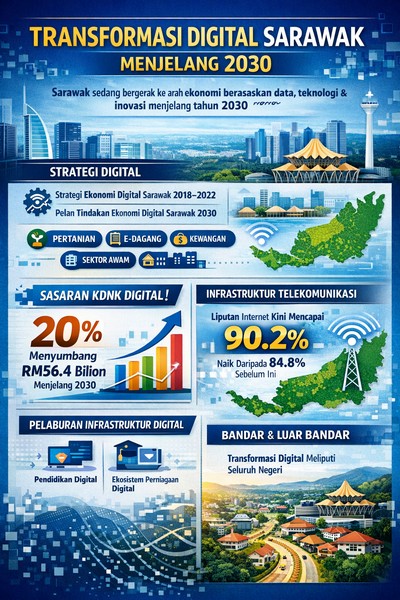
Infografik menunjukkan Transformasi Digital Sarawak Menjelang 2030
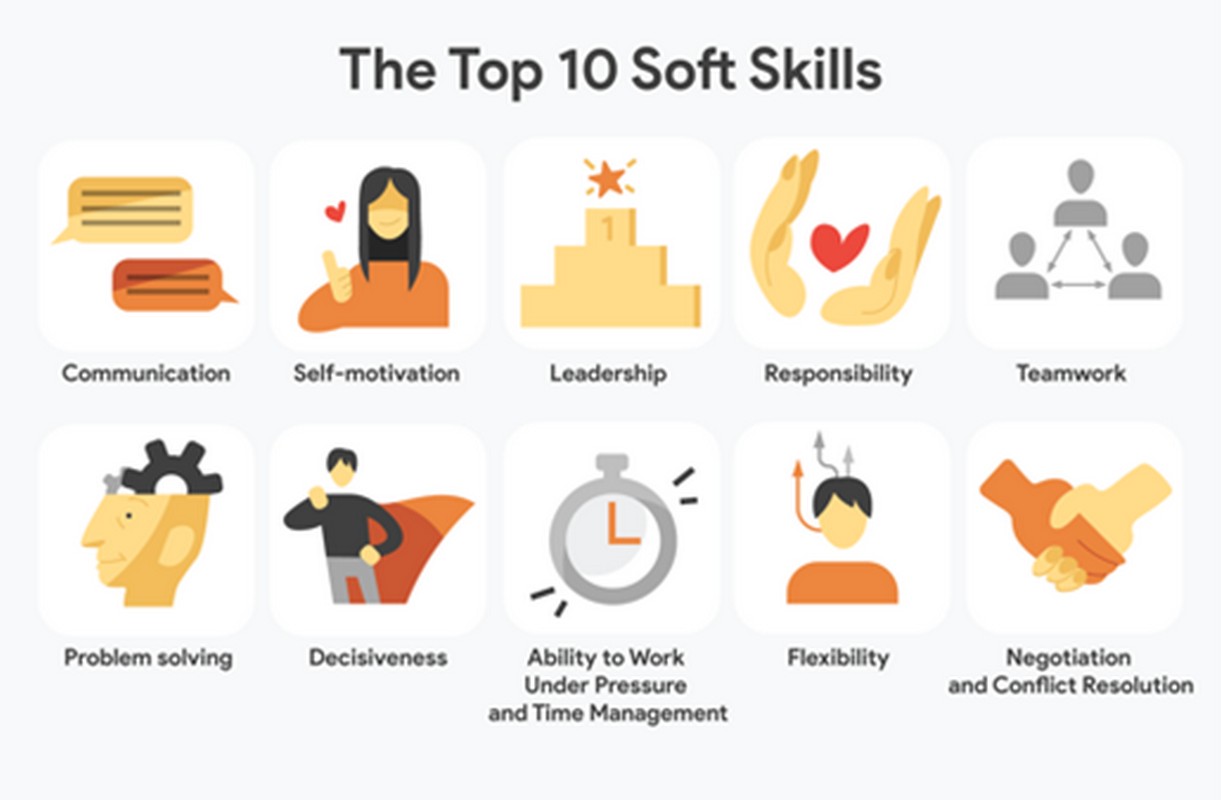
10 Soft Skills That Are Crucial for Work Readiness — Credit: NMD Training and Consultation
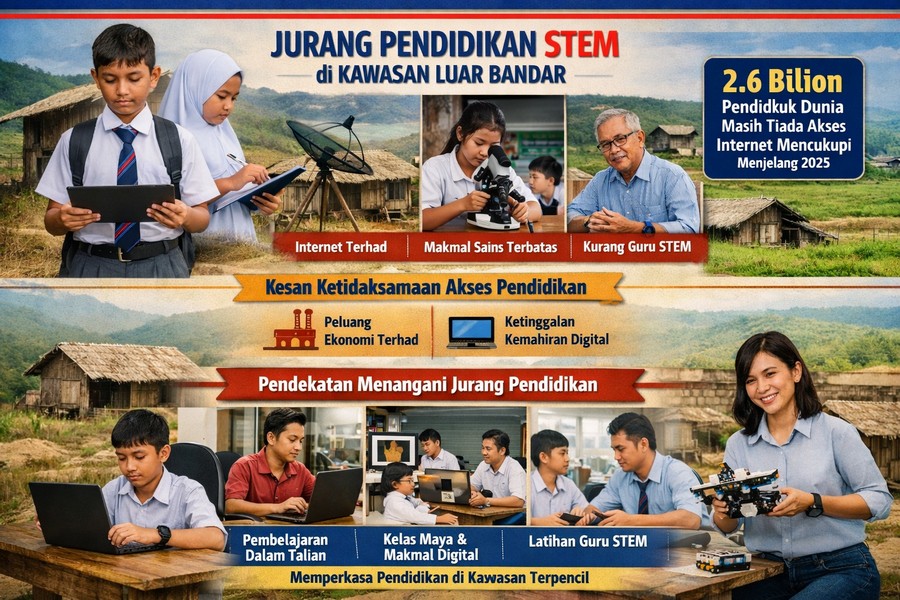
Tanpa akses kepada pendidikan STEM, pelajar luar bandar berisiko ketinggalan dalam ekonomi digital
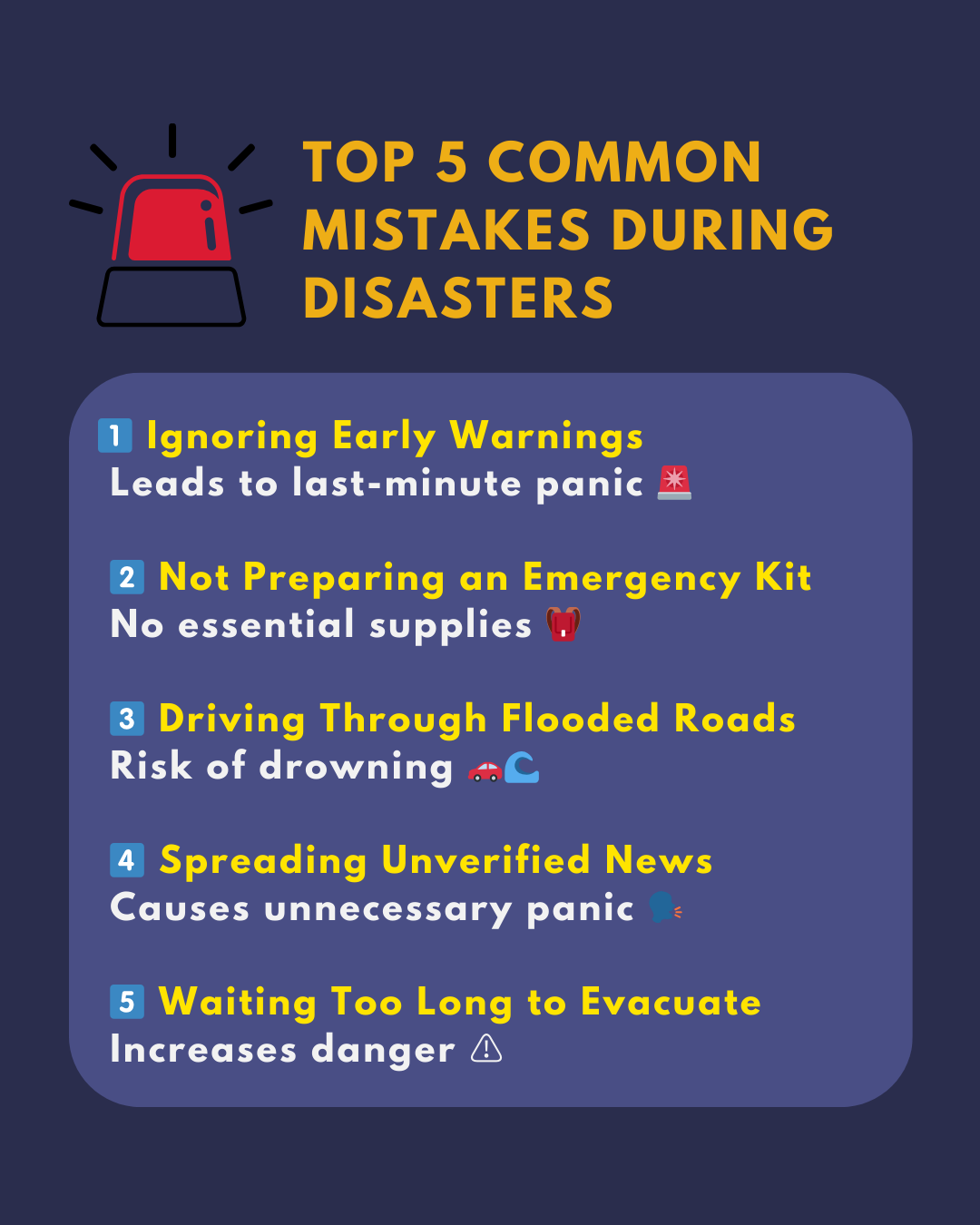
Avoid common disaster mistakes: Heed warnings, prepare an emergency kit, avoid flooded roads, verify news, and evacuate on time


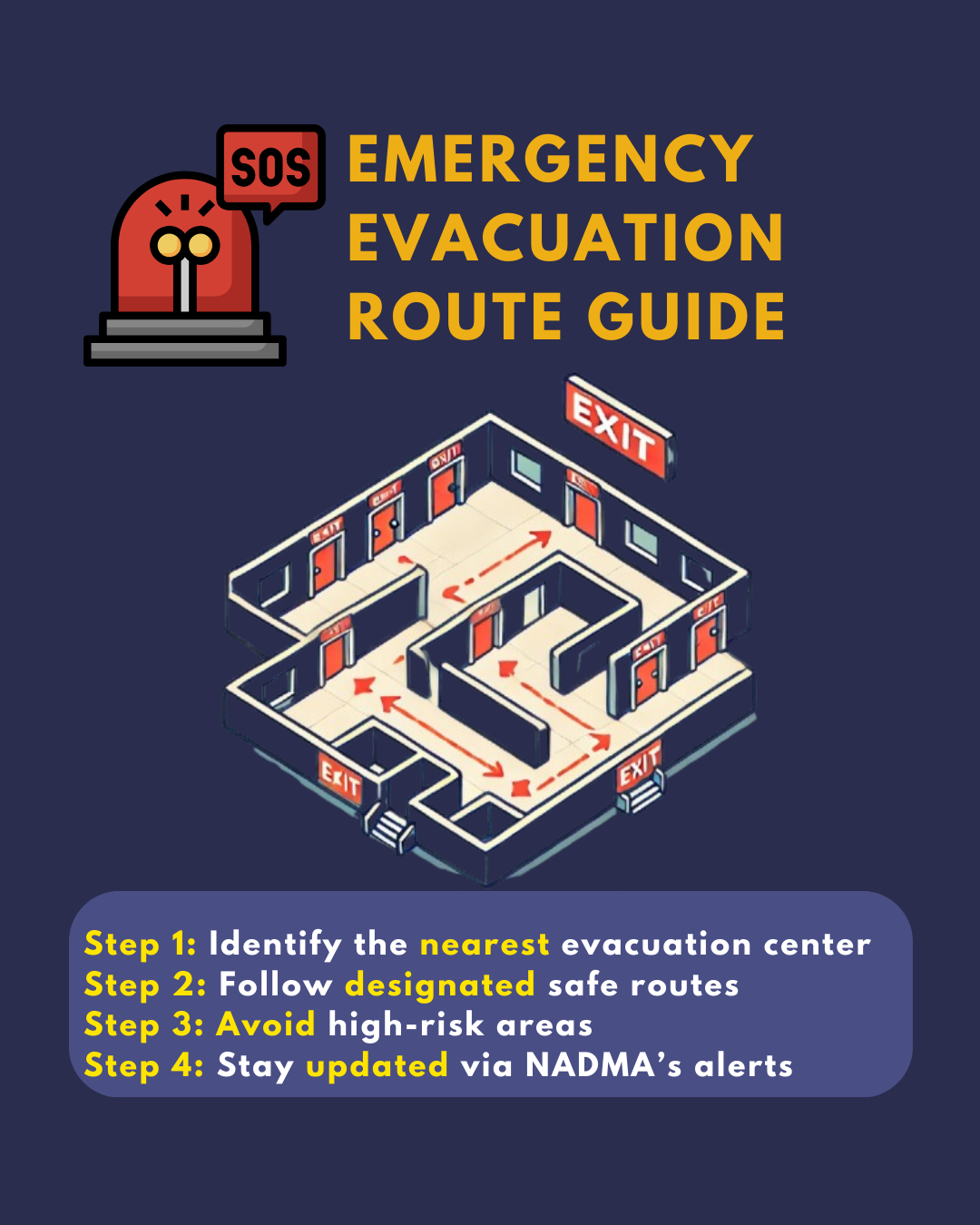
Emergency evacuation guide: Locate the nearest center, follow safe routes, avoid danger zones, and stay updated with NADMA alerts
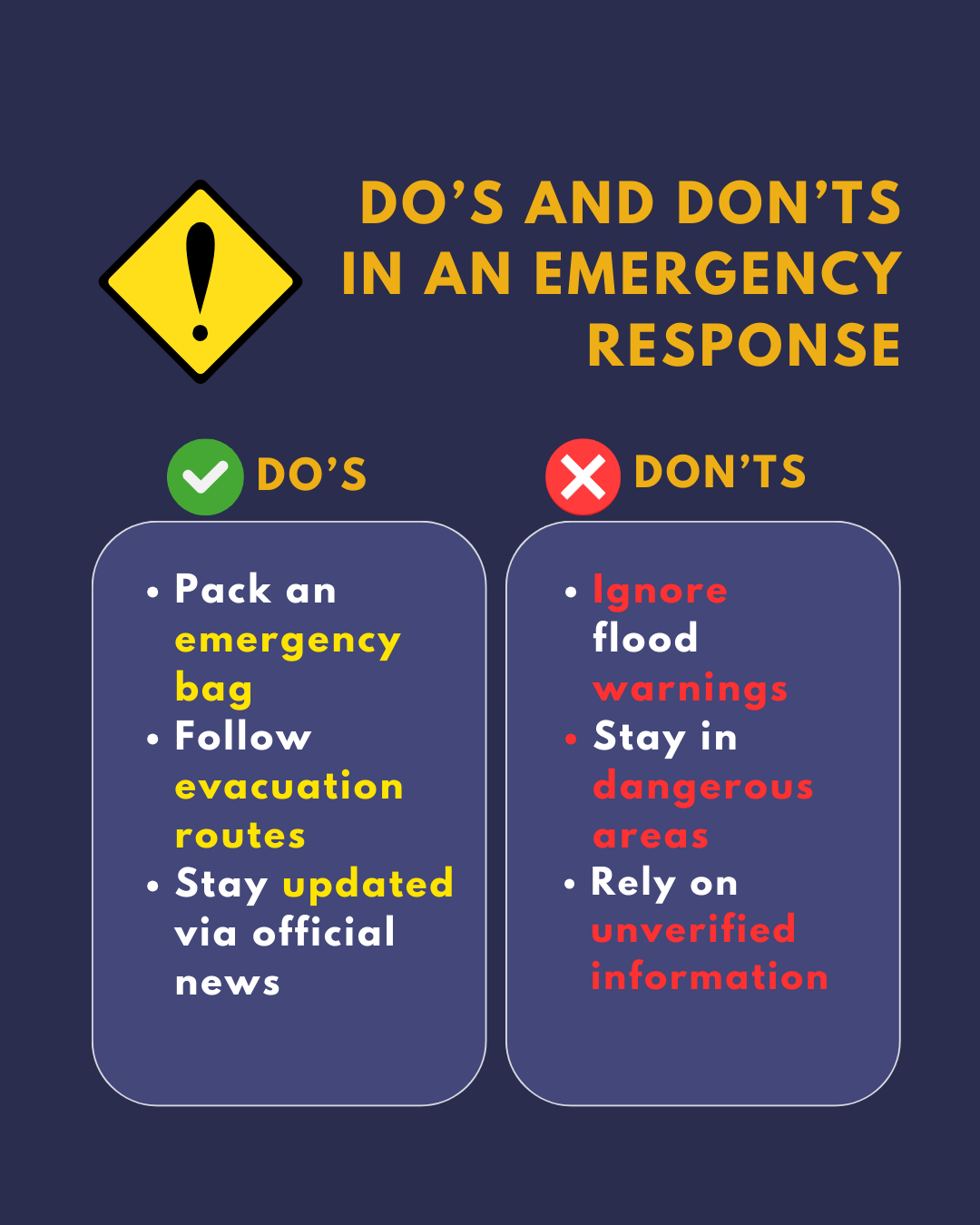
Essential emergency response tips: Pack an emergency bag, follow evacuation routes, stay updated, and avoid misinformation during crises
Explore more articles

Dari RAKAN Sarawak
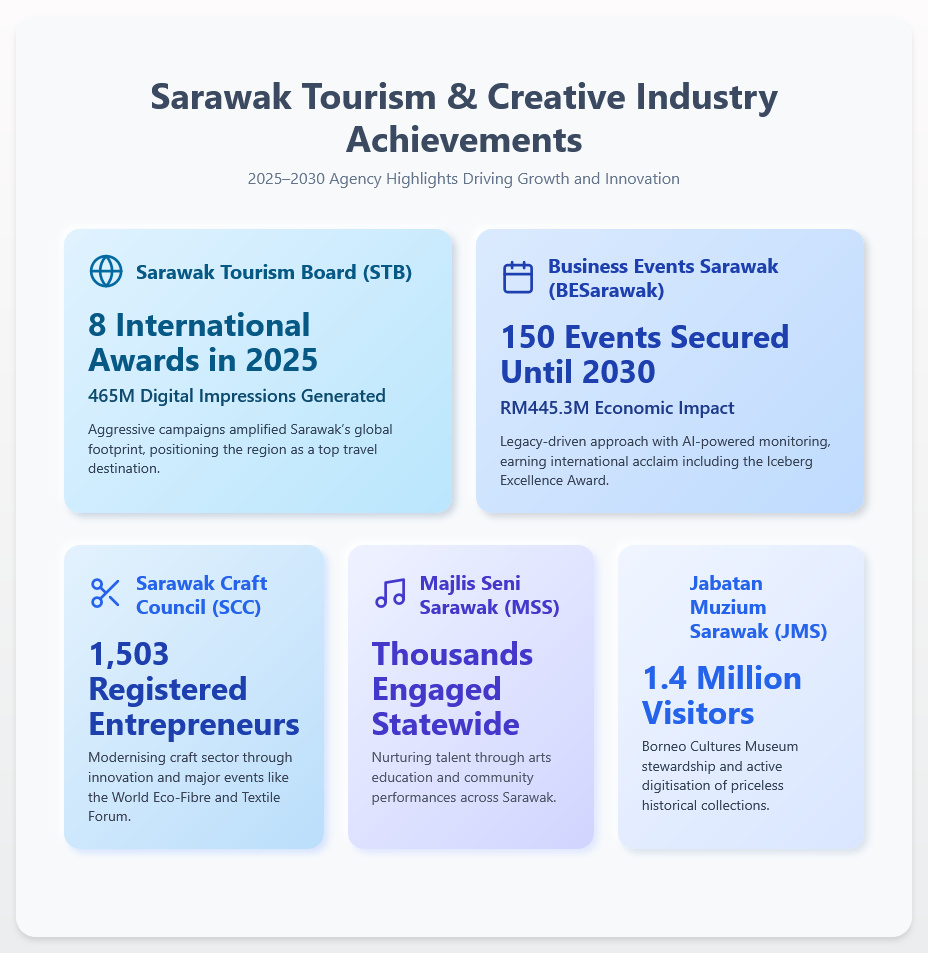
Dynamic Fusion Of Rich Heritage, Vibrant Creativity
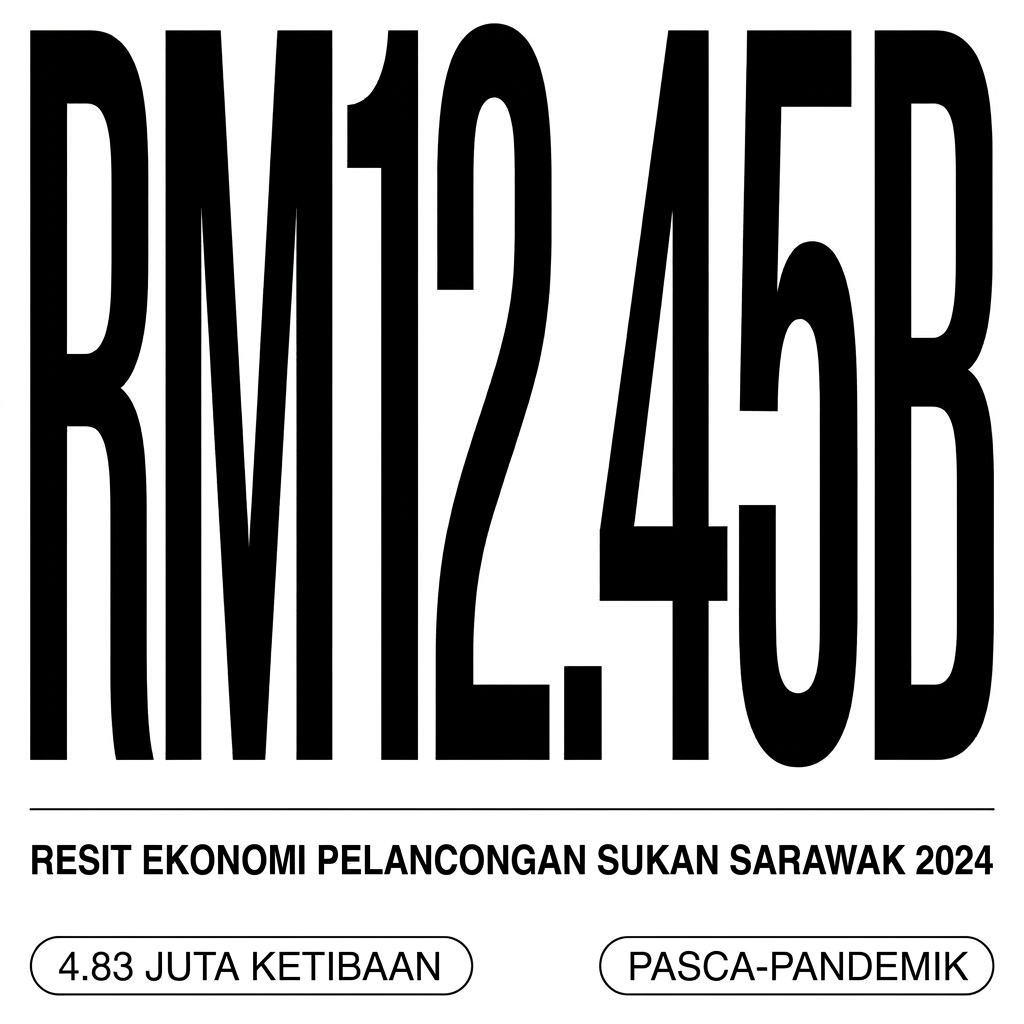
Sarawak’s journey as a premier destination is accelerating, driven by a dynamic fusion of rich heritage, vibrant creativity, and strategic innovation. Guided by the Post-COVID-19 Development Strategy (PCDS) 2030 and the 13th Malaysia Plan, the Ministry of Tourism, Creative Industry, and Performing Arts is steering the sector towards greater resilience, inclusivity, and global competitiveness.
Dari RAKAN Sarawak
Landasan Utiliti yang Kukuh untuk Kemakmuran Rakyat
Dalam persidangan Dewan Undangan Negeri Sarawak yang lalu (November-Disember 2025), ucapan penggulungan oleh YB Dato Sri Haji Julaihi bin Haji Narawi, Menteri Utiliti dan Telekomunikasi, bukan sekadar laporan tahunan. Ia merupakan satu pernyataan komitmen yang jelas mengenai hasrat Sarawak untuk membangunkan infrastruktur utiliti yang mampan, inovatif dan inklusif sebagai tulang belakang kemajuan negeri.
Dari RAKAN Sarawak
Sarawak’s Strategic Voyage Towards a Sustainable Transport Future
In a defining session of the Sarawak State Legislative Assembly, the state laid out a bold and integrated vision for its transport future, weaving together sustainability, technology, and community-focused development into a coherent roadmap for progress.
This comprehensive strategy, underpinned by the landmark 2026 State Budget and a suite of progressive legislation, marks Sarawak’s decisive commitment to transforming its transport ecosystem in alignment with the Post COVID-19 Development Strategy (PCDS) 2030, a blueprint for a prosperous, inclusive, and sustainable future.
Dari RAKAN Sarawak
Charting Sarawak’s Bold Decade of Transformation
The Premier of Sarawak, YAB Datuk Patinggi Tan Sri (Dr) Abang Haji Abdul Rahman Zohari bin Tun Datuk Abang Haji Openg on 13 January 2026, in conjunction with the YAB Premier's 2026 Mandate Ceremony, took the time to deliver a mandate to the entire Sarawak administration machinery.
YAB Datuk Patinggi Tan Sri (Dr) Abang Haji Abdul Rahman Zohari, in his speech, outlines Sarawak’s journey through foundational reforms, digital innovation, fiscal stewardship, environmental sustainability, and the new phase of accelerated delivery under the Sarawak 13th Malaysia Plan (2026-2030).
Dari RAKAN Sarawak
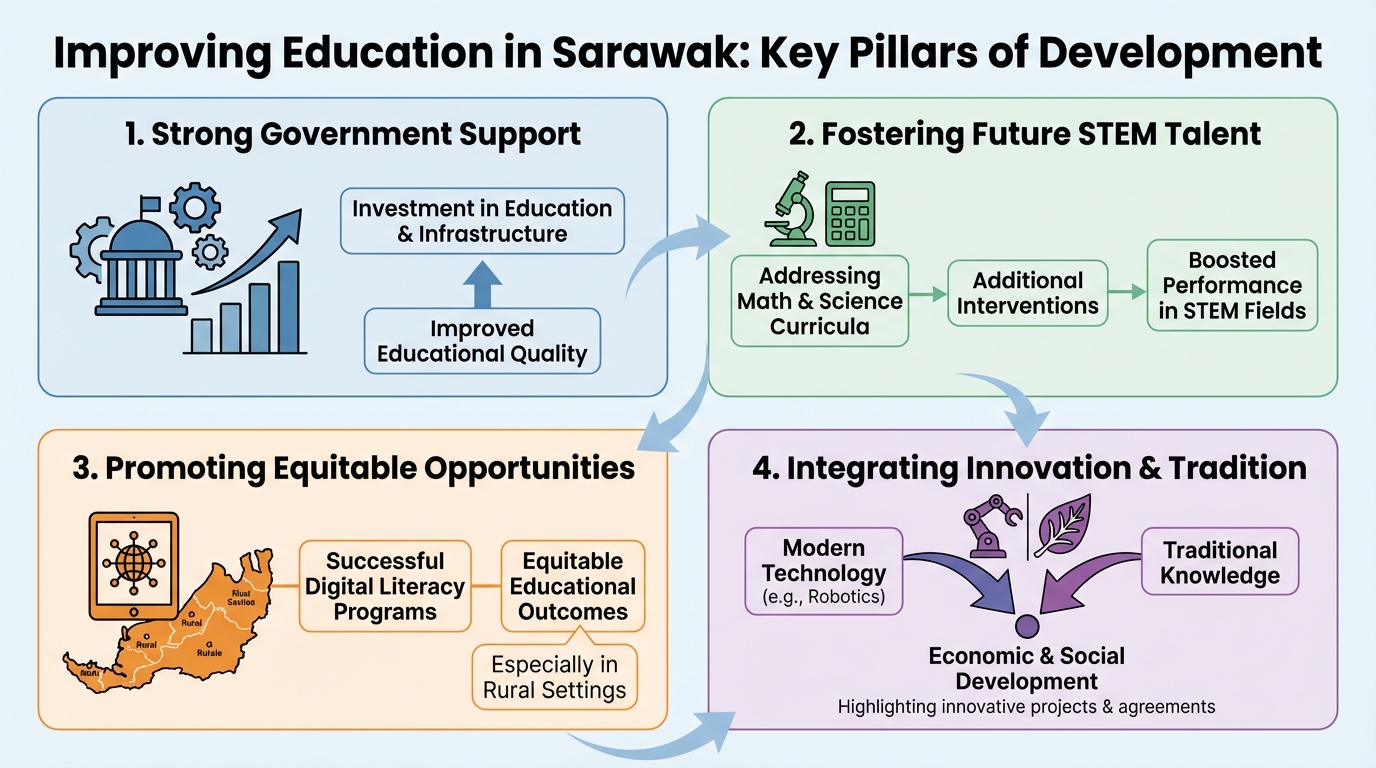
Transforming Education in Sarawak
The focus on rural education and infrastructure improvements reflects a commitment to inclusivity, ensuring that all students have access to quality education.
Dari RAKAN Sarawak
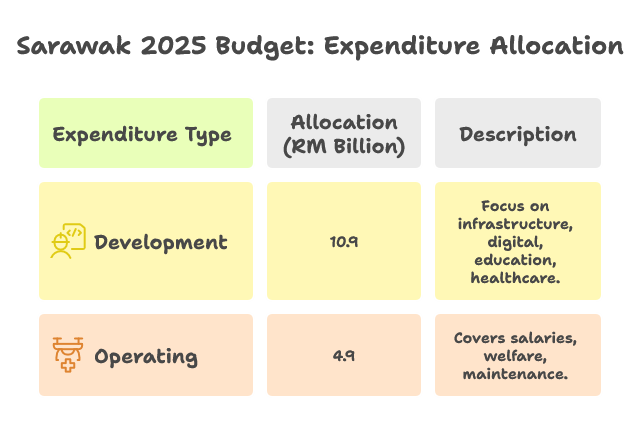
A Foundation of Resilience and Growth
Anchored by the people-centric 2026 Sarawak Budget, the vision charts a transformative path from a resource-based economy to a dynamic, high-tech, and sustainable powerhouse.