


Just innews timeline
- 1 day ago
- 2 days ago
- 3 days ago
- 4 days ago
- 5 days ago
- 6 days ago
- 1 week ago
- 1 week ago
- 1 week ago
- 1 week ago
- Advertisement -
Recent Articles
Galeri Foto | Photo Gallery

Yayasan Sarawak Nurtures Future Workforce
The modern facilities at Yayasan Sarawak International Secondary School provide students with a strong foundation. By offering world-class learning environments, the institution prepares talented youth to become skilled professionals who will drive Sarawak's economic growth forward.
Dari Sematan ke Merapok
Padawan: “Tiang Kukuh” Pembangunan di Kaki Bukit Penrissen
Padawan mempunyai potensi besar melalui industri pelancongan yang berkembang, warisan budaya yang kaya dan projek pertanian moden. Dengan jalan raya yang lebih baik dan peluasan digital, rantau ceria ini sememangnya bersedia menjadi contoh kejayaan luar bandar menjelang tahun 2030.
Galeri Foto | Photo Gallery
Sarawak Boosts Sustainable Cattle Farming
Farmers in Sarawak are actively embracing sustainable animal husbandry practices by carefully feeding cattle with fresh forage daily. This modern approach protects local resources, supports rural communities, and ensures healthy livestock production for future generations across the whole region today.
Dari RAKAN Sarawak
Sarawak Budget Digitalises Civil Service
Sarawak Budget 2027 asks government agencies and civil servants to deliver public digital services, stronger data governance and cybersecurity, faster broadband and AI projects, while training staff and simplifying processes so residents and businesses across Sarawak feel real daily improvements.
Galeri Foto | Photo Gallery
Sarawak TVET Boosts Local Livelihoods
Sarawak strengthens local human capital by offering practical technical training through agencies like Sarawak Skills. With over 5,900 students and adults enrolled, these TVET programs empower residents with practical skills, achieving a remarkable 93 per cent graduate employability rate.
Economy
Together Building Prosperity and Securing Our Futures
Sarawak’s 2027 Budget, tabled on 12 October 2026, plans record revenue of RM15.091 billion and a RM246 million surplus. It sets development spending at RM10.098 billion to improve infrastructure, human capital and new industries while shielding households from cost pressures.

discover
Infographic
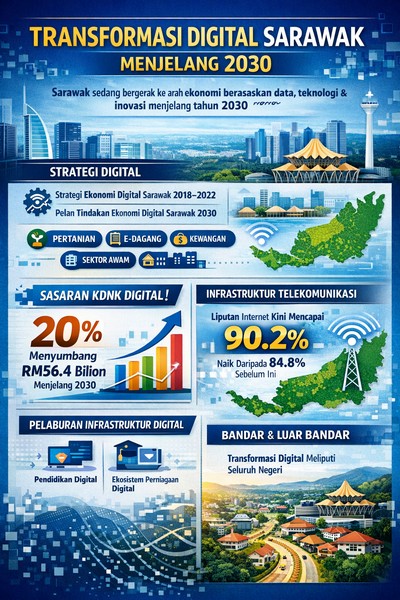
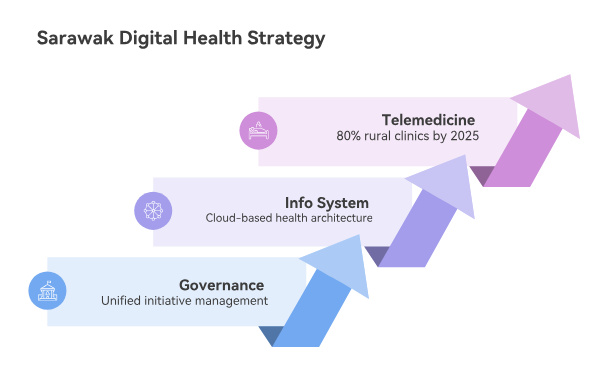
Infografik menunjukkan Transformasi Digital Sarawak Menjelang 2030
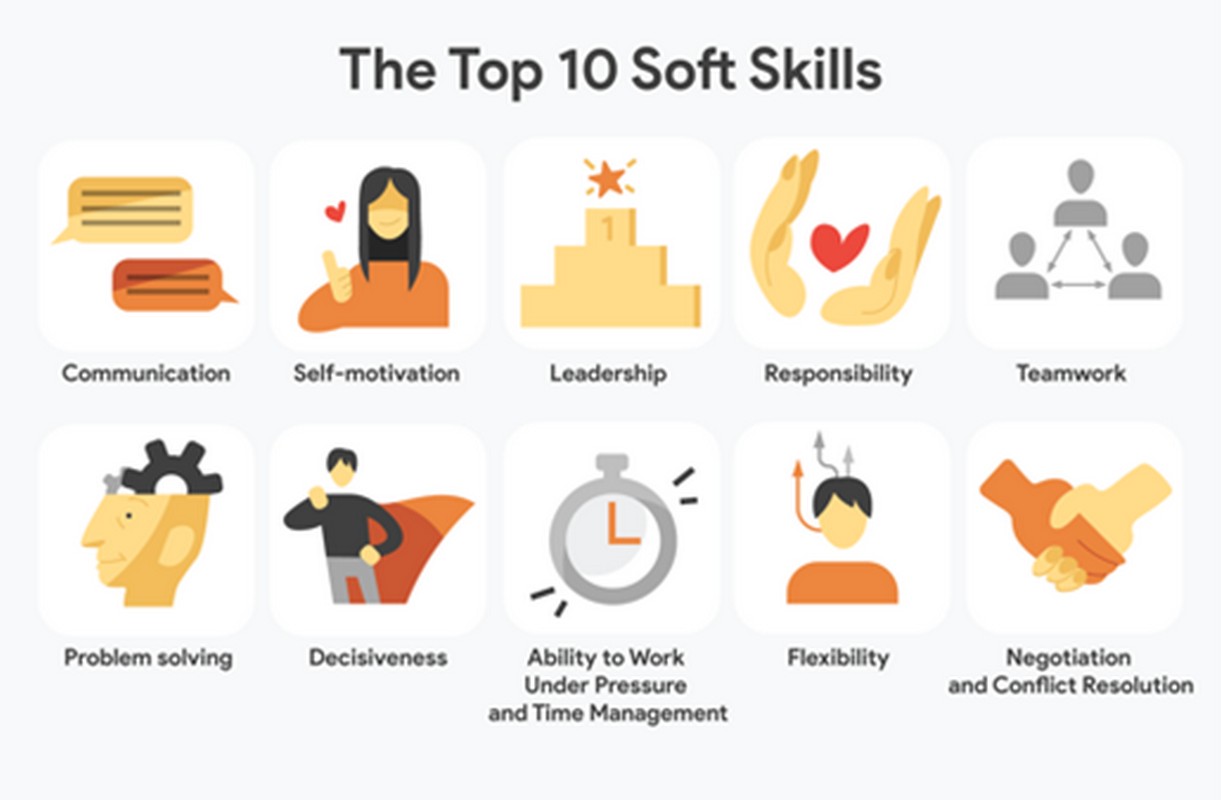
10 Soft Skills That Are Crucial for Work Readiness — Credit: NMD Training and Consultation
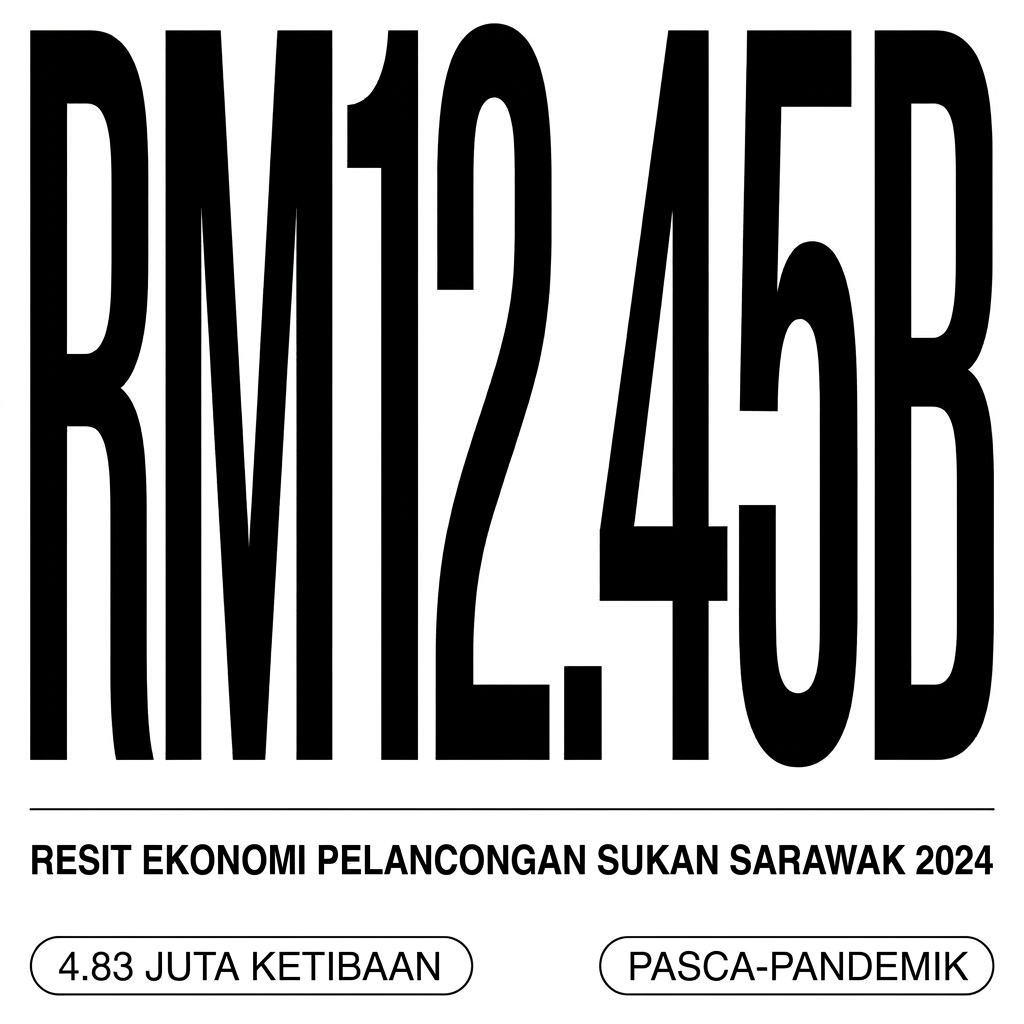
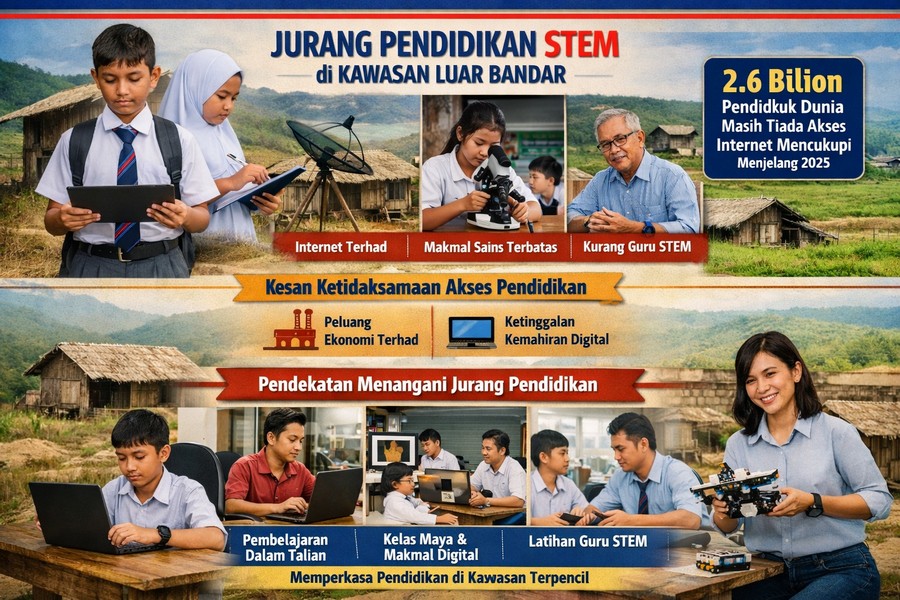
Tanpa akses kepada pendidikan STEM, pelajar luar bandar berisiko ketinggalan dalam ekonomi digital
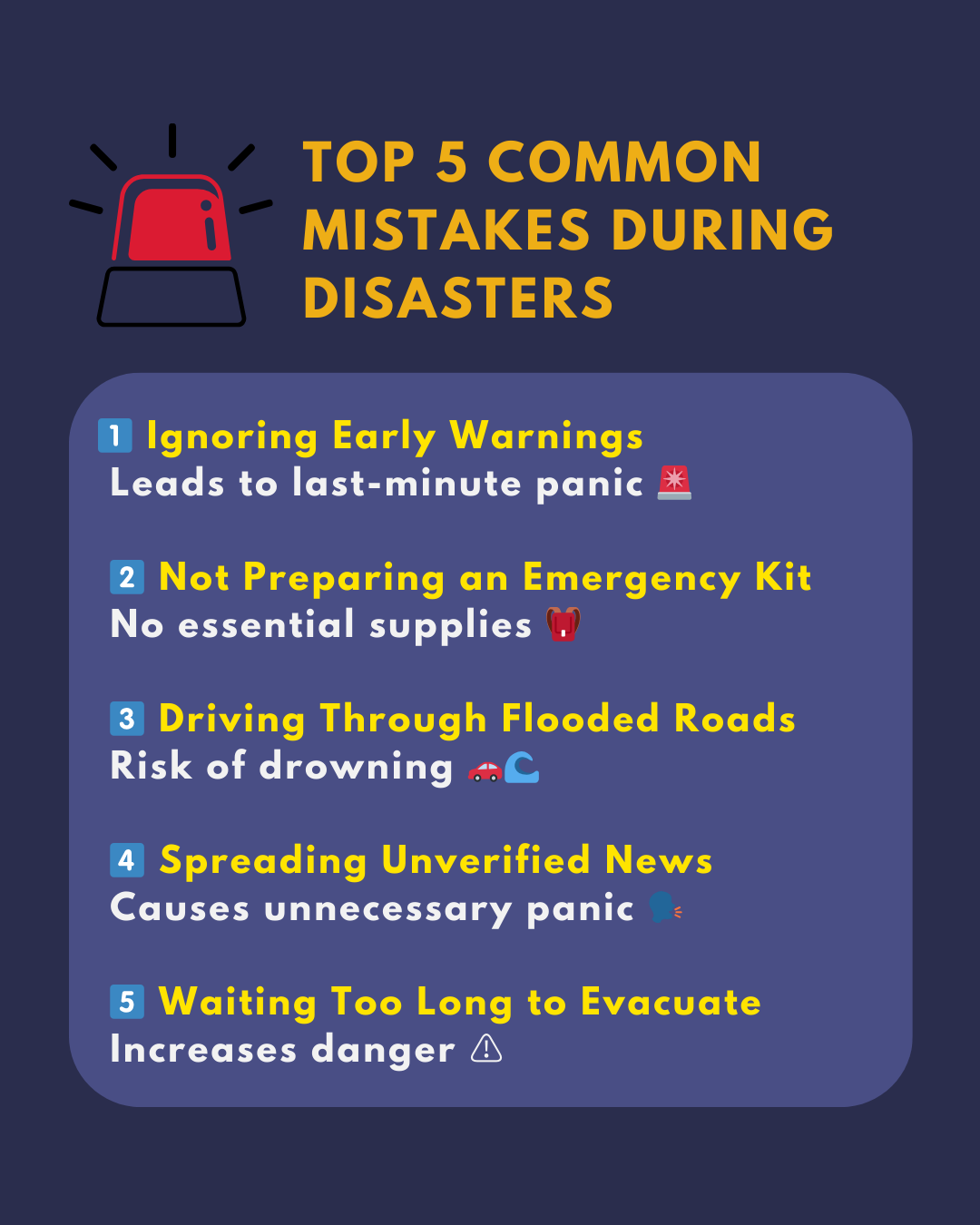
Avoid common disaster mistakes: Heed warnings, prepare an emergency kit, avoid flooded roads, verify news, and evacuate on time


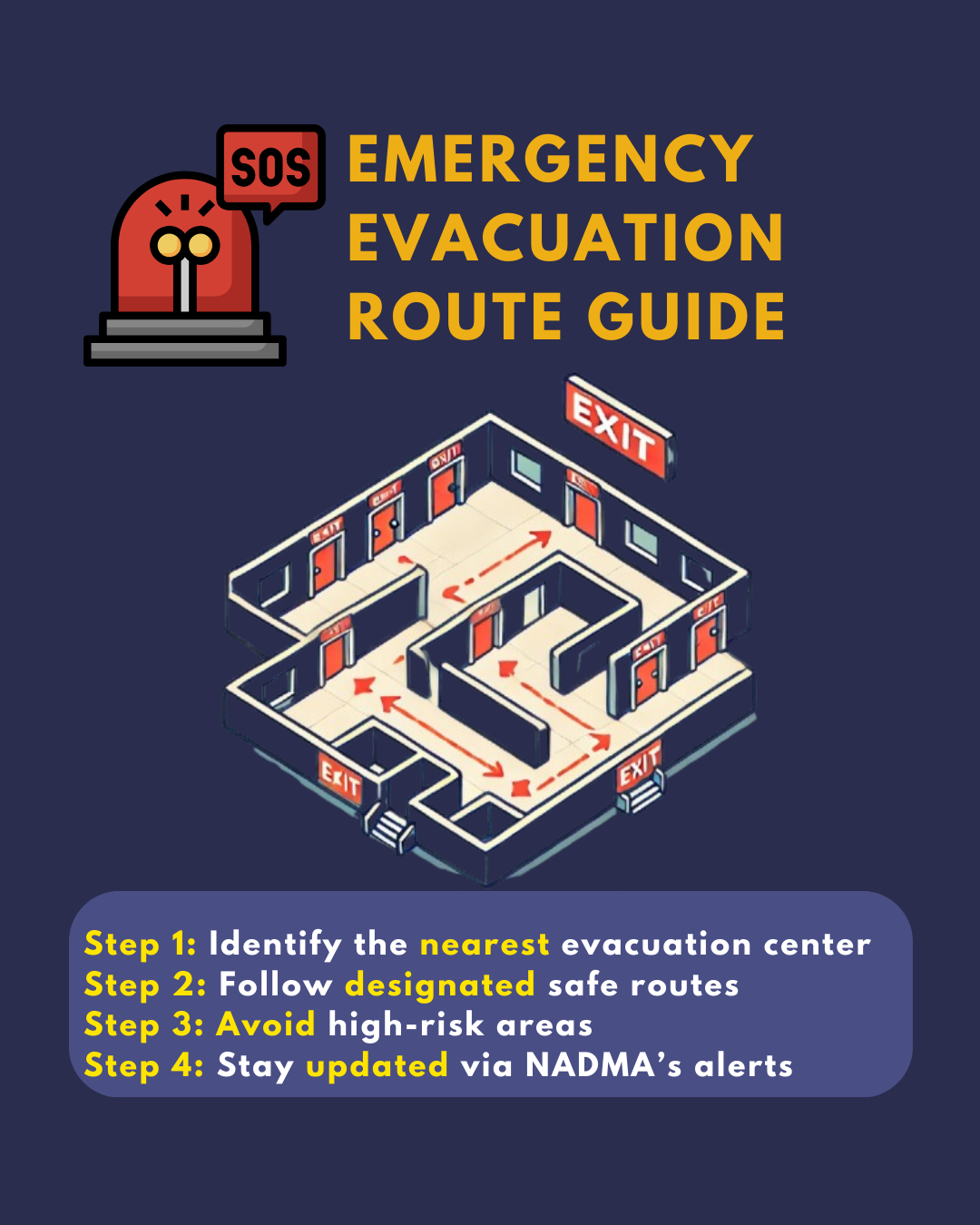
Emergency evacuation guide: Locate the nearest center, follow safe routes, avoid danger zones, and stay updated with NADMA alerts
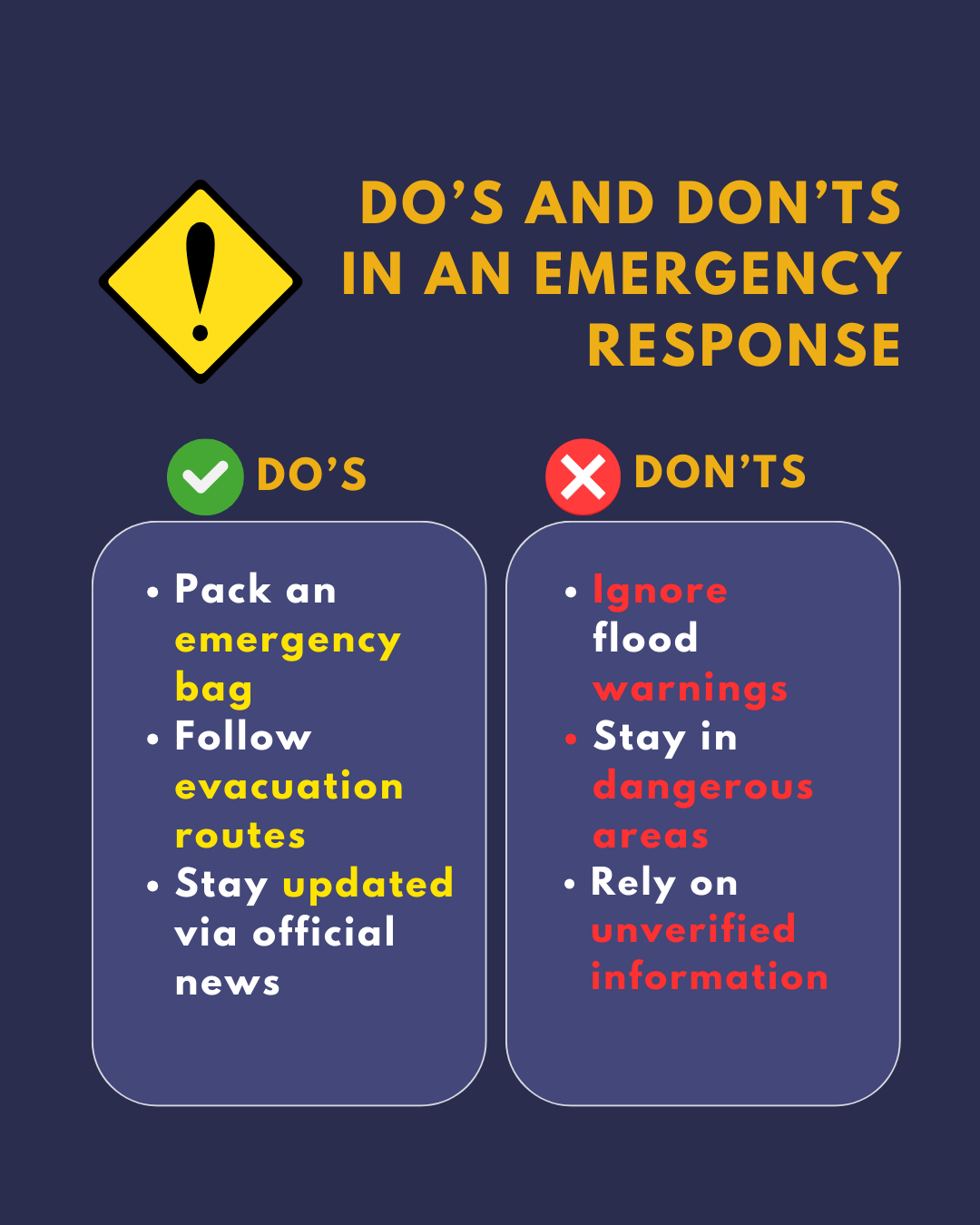
Essential emergency response tips: Pack an emergency bag, follow evacuation routes, stay updated, and avoid misinformation during crises
Explore more articles

Dari RAKAN Sarawak
Build Shields, Not Stress. Prepare To Act, Not Worry
Preparedness is the ongoing process of building knowledge, skills, and resources to anticipate and respond to crises. It spans physical, financial, informational, psychological, and institutional dimensions. Unlike worry, it focuses on actionable capacity, ensuring you can move swiftly when disruption strikes, rather than being paralyzed by anxiety.
Galeri Foto | Photo Gallery
Ancient Identity Woven Into Modern Threads
For over a millennium, Sarawak’s beads have signified more than beauty. From ancient trade currency to sacred family heirlooms, these intricate threads tell stories of lineage and status among the Iban, Kayan, and Kelabit. Today, artisans fuse this living heritage with a booming global craft economy
Dari RAKAN Sarawak
A Calling Beyond the Comfort of the City
Service in Sarawak’s remote outstations demonstrates that integrity in public service means honouring the state’s promises to its people even in the absence of supervision, and rendering honest and wholehearted service to communities whose trust, rather than any posting order, constitutes the true measure of duty. Bridging digital divides, delivering development, and empowering rural communities are undertakings of profound significance, as faithful and wholehearted frontline work is what carries Sarawak’s future to the people to whom it belongs.
Galeri Foto | Photo Gallery
Sungai Kian Sunyi, Jalan Raya Jadi Pilihan
Suatu ketika dahulu, sungai merupakan urat nadi pengangkutan penduduk luar bandar Sarawak. Perahu panjang, sampan, dan bot ekspres menjadi penghubung utama kampung-kampung sepanjang Sungai...
Dari RAKAN Sarawak
From Foundational Bargains to Unified Implementation
Sarawak has achieved significant milestones, including the historic 2022 constitutional amendment and exceeding renewable energy targets, positioning itself as ASEAN's "Battery." However, this progress is juxtaposed against ongoing challenges like rural water access and unresolved Native Customary Rights (NCR) land disputes, requiring continued negotiation alongside implementation.
Galeri Foto | Photo Gallery
Sarawak’s Fruit Industry: Growing Sarawak’s Future!
Sarawak's fruit industry is booming, led by premium SG-1 pineapples destined for China and Singapore exports in 2026. Backed by RM16.32 million in investments, the Tanjung Manis Pineapple Hub boosts farmer incomes, driving agricultural transformation toward Sarawak's 2030 food-exporter goal.