

Just innews timeline
- 1 day ago
- 2 days ago
- 3 days ago
- 4 days ago
- 5 days ago
- 6 days ago
- 1 week ago
- 1 week ago
- 1 week ago
- 1 week ago
- Advertisement -
Recent Articles
Galeri Foto | Photo Gallery

Crossing the River to Learn
Every morning, rural children cross muddy rivers by small boat to reach school. They face strong currents, storms and scarce life jackets. Yet they keep going, because education offers their families a way out of poverty.
Dari RAKAN Sarawak
Sarawak Battles Rising Digital Misinformation
Sarawak is fighting a growing wave of online fake news and digital scams. The state government is building strong digital literacy programmes to protect all citizens. This ensures rural communities stay safe from harmful misinformation while enjoying modern internet connectivity.
Galeri Foto | Photo Gallery
Sarawak Pioneers Green Hydrogen Future
Sarawak is launching huge green hydrogen projects to create clean power. The new facilities will yield massive amounts of renewable fuel every single year. This exciting effort brings local jobs and will generate twelve billion ringgit by the year 2030.
Dari RAKAN Sarawak
Sarawak Heritage Needs Grassroots Support
Sarawak has made strong progress in living heritage through legal protection, funding and craft revival. Yet gaps remain in access, daily transmission, protection, geography and youth involvement. A simple village micro-circle proposal could help heritage survive through regular elder-guided practice.
Galeri Foto | Photo Gallery
Water into Wealth
Sarawak extracts clean hydrogen gas from water using renewable solar power. Securing four billion dollars in investments, advanced facilities will produce 240,000 tonnes yearly. Exporting green fuel aims for foreign income, creating sustainable wealth and prosperity for Sarawak.
Dari RAKAN Sarawak
Sarawak Overhauls State Enterprise Governance
Sarawak is transforming its state-owned enterprises to boost economic growth and improve overall corporate governance. This new programme aims to make these organisations financially independent and highly profitable by the year 2030 through strict accountability and major strategic reforms.

discover
Infographic
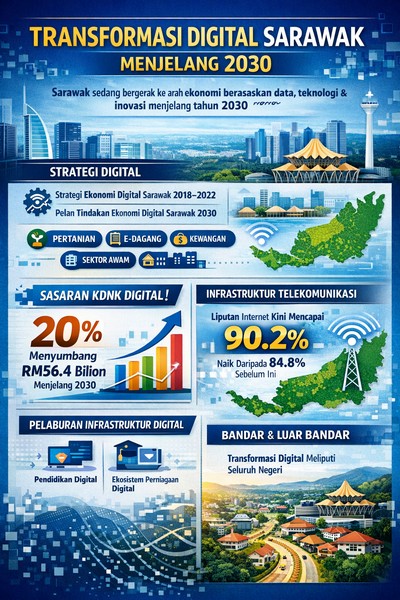
Infografik menunjukkan Transformasi Digital Sarawak Menjelang 2030
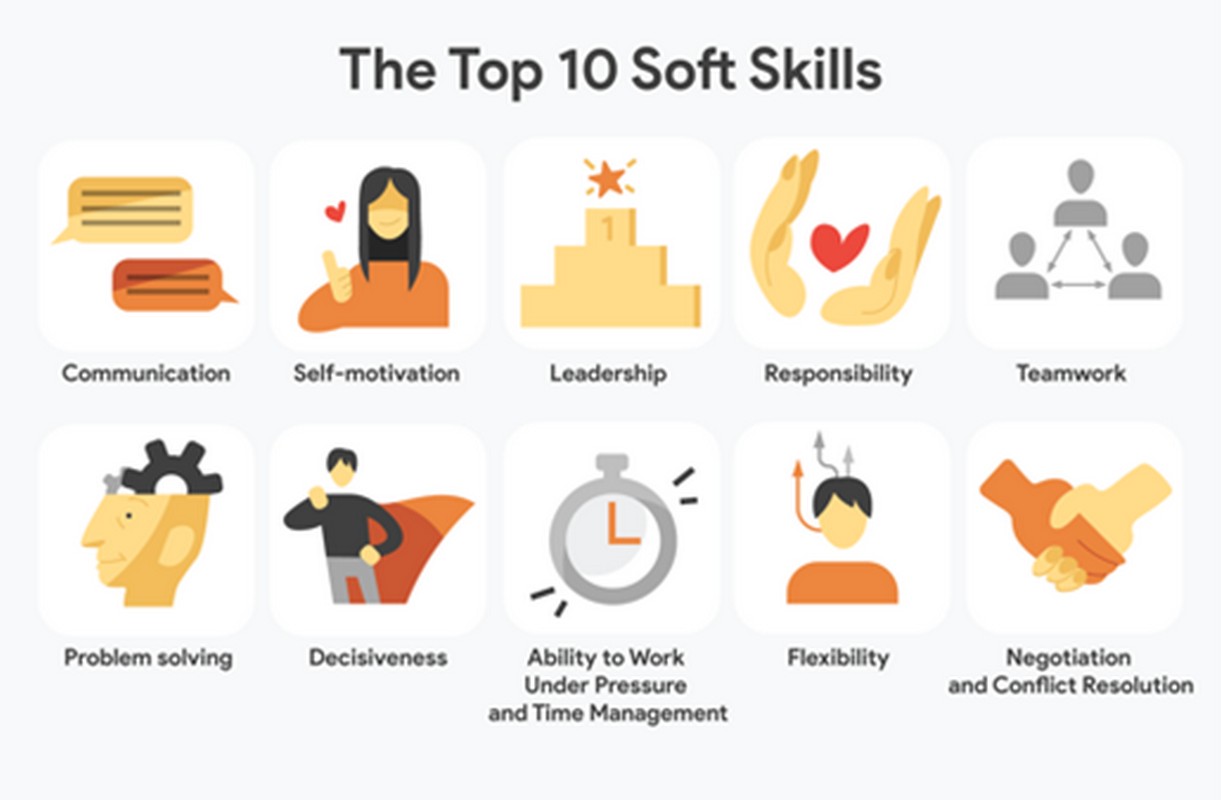
10 Soft Skills That Are Crucial for Work Readiness — Credit: NMD Training and Consultation
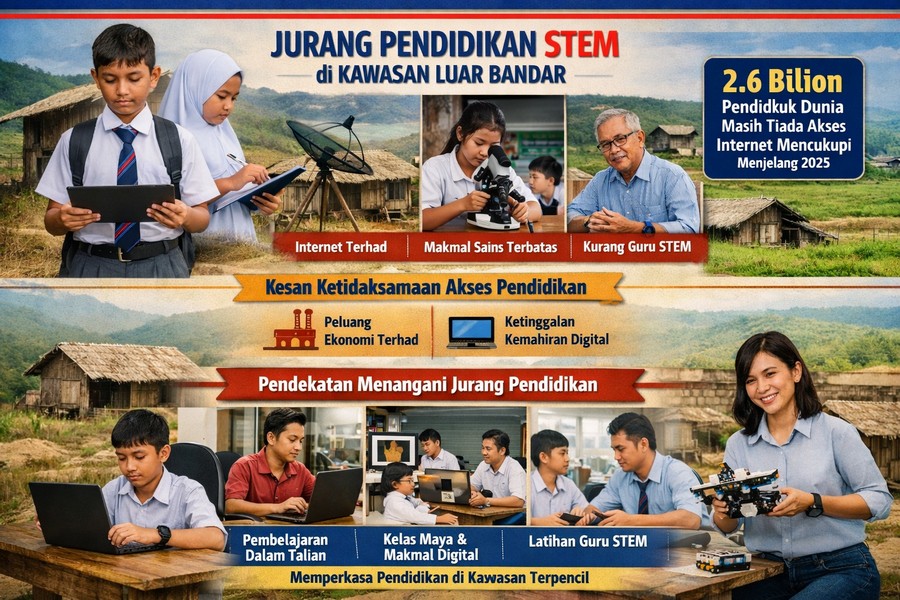
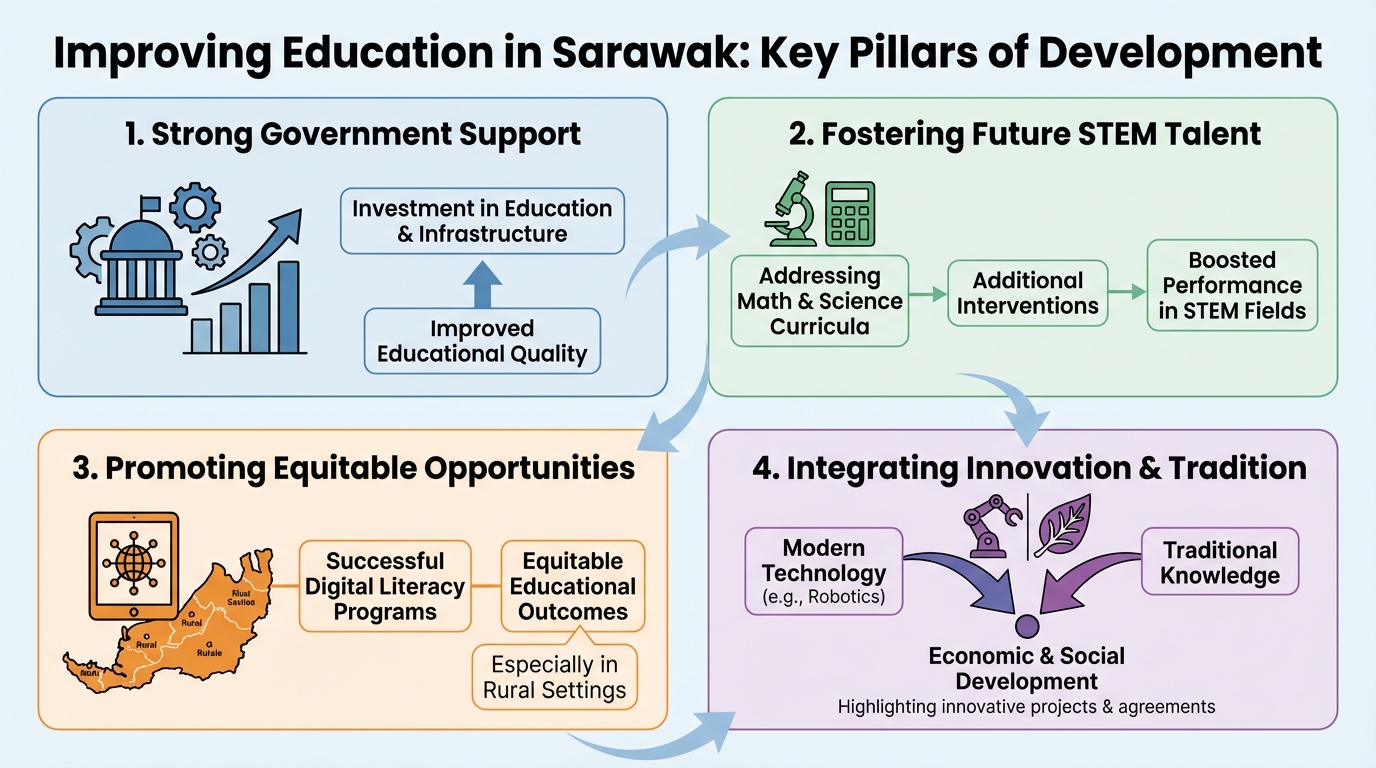
Tanpa akses kepada pendidikan STEM, pelajar luar bandar berisiko ketinggalan dalam ekonomi digital
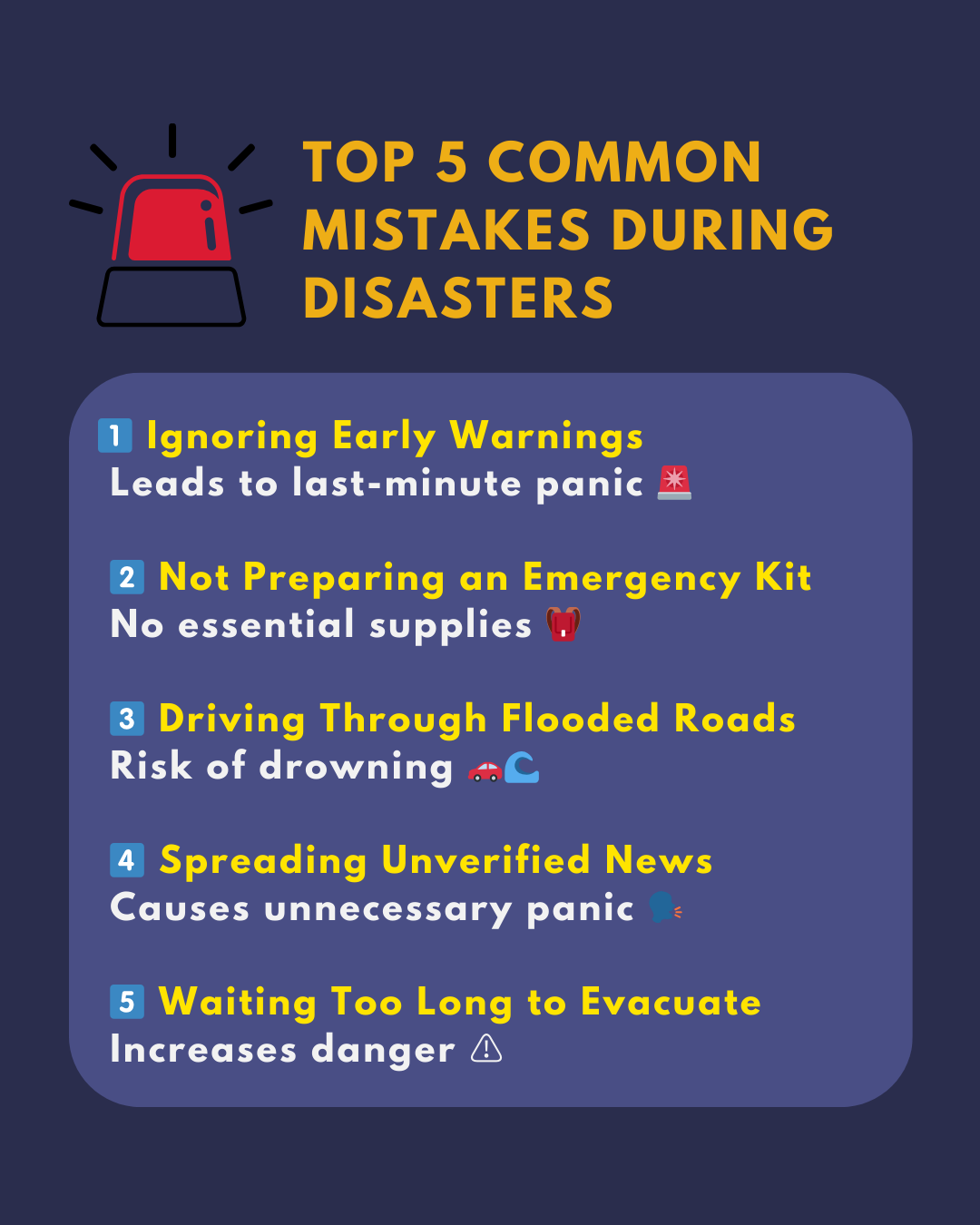
Avoid common disaster mistakes: Heed warnings, prepare an emergency kit, avoid flooded roads, verify news, and evacuate on time


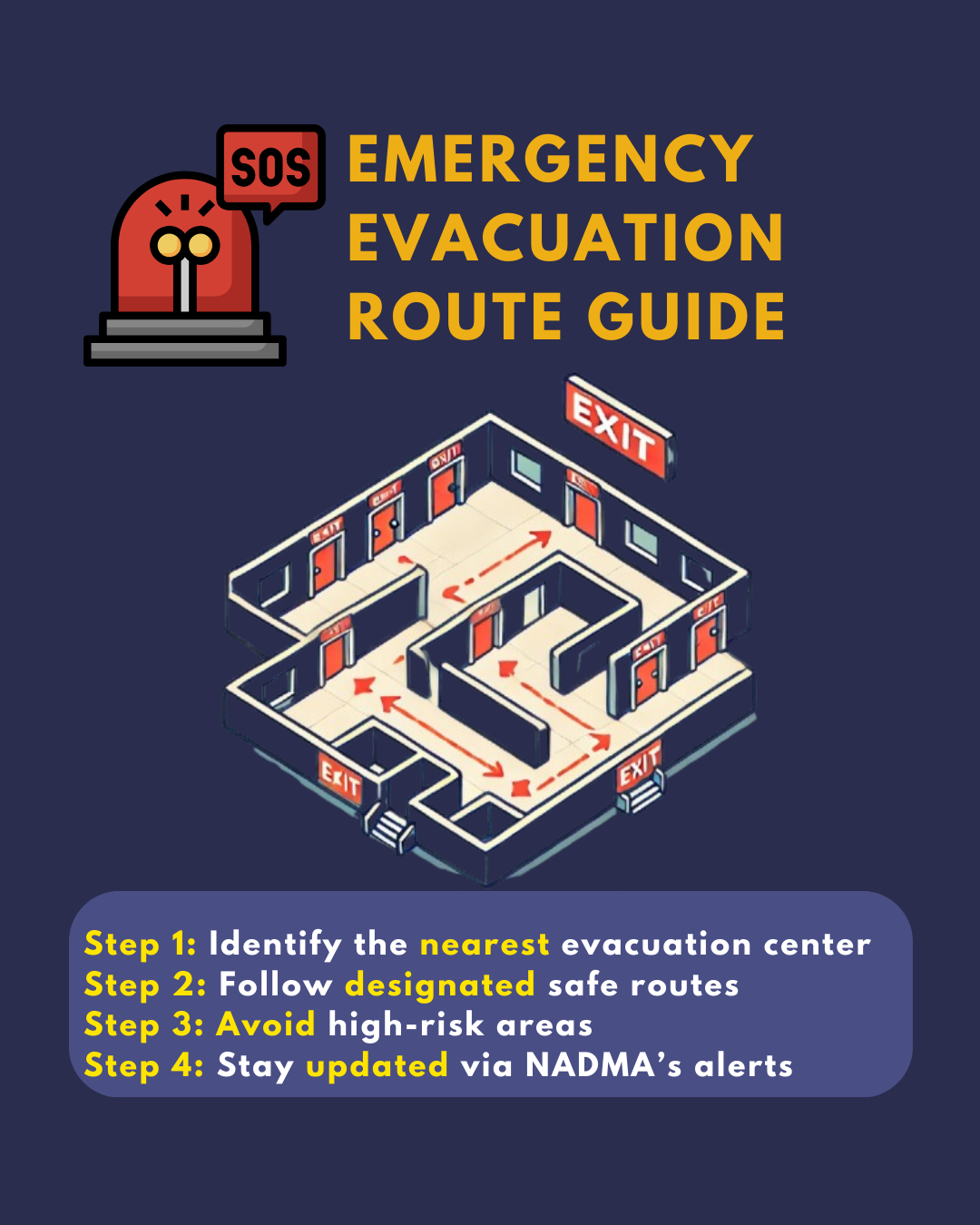
Emergency evacuation guide: Locate the nearest center, follow safe routes, avoid danger zones, and stay updated with NADMA alerts
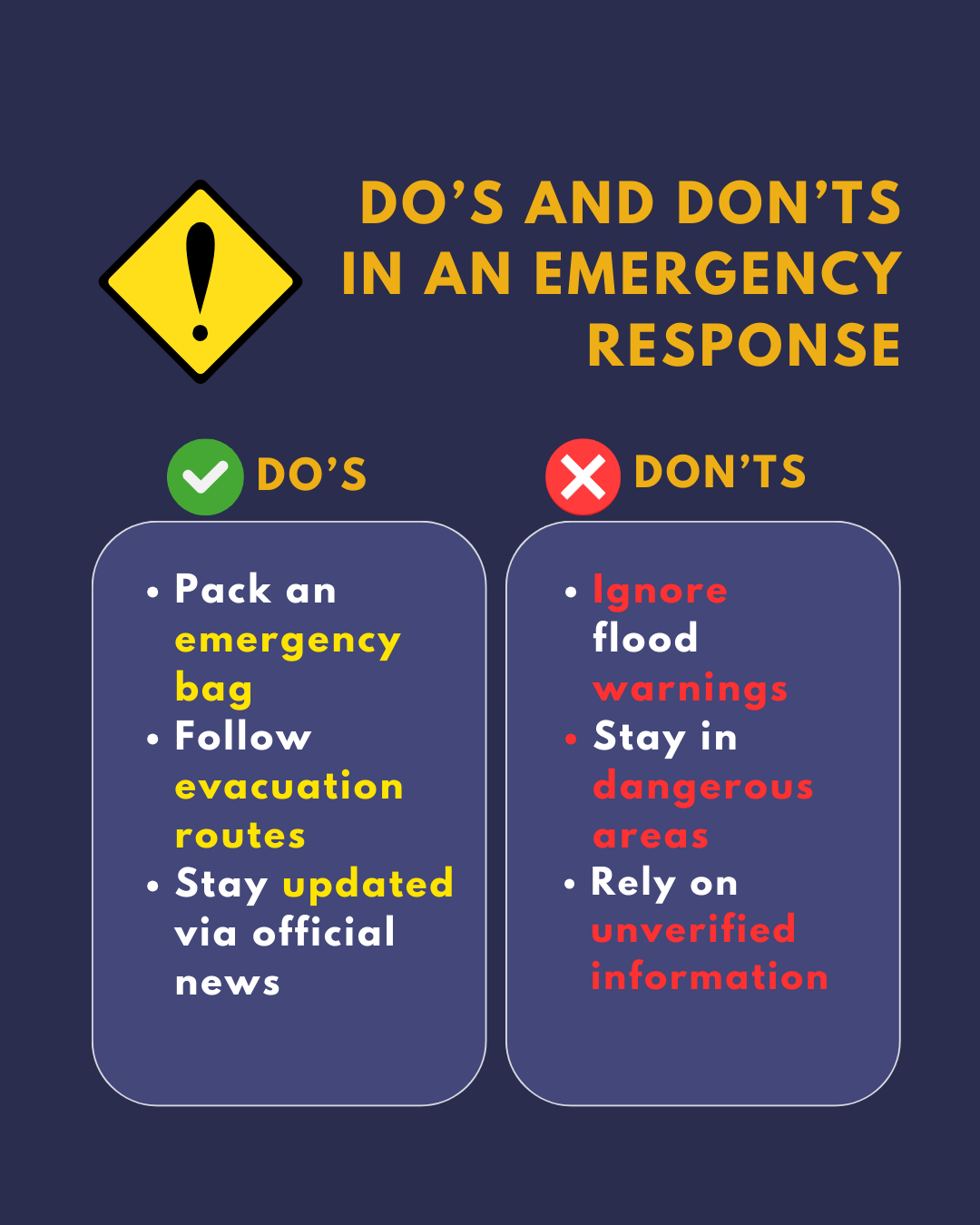
Essential emergency response tips: Pack an emergency bag, follow evacuation routes, stay updated, and avoid misinformation during crises
Explore more articles

Dari RAKAN Sarawak
Escaping the Debt Trap in a Digitalising Sarawak
Sarawak’s civil service excellence now demands financial resilience alongside digital readiness. With household debt at RM1.73 trillion and bankruptcy risks rising among officers, disciplined budgeting, prudent investing, and early debt counselling are no longer private concerns but essential professional safeguards for delivering the state’s PCDS 2030 ambitions.
Berita dari Putrajaya
Why Does Malaysia Even Bother Measuring “Unity”?
Malaysia's true multi-ethnic citizenry - Melayu, Cina, India, Sabah and Sarawak Bumiputera, is rigorously gauged by IPNas 2025, which achieved its own 0.701 national unity benchmark, demonstrating that despite divisive online rhetoric, active integration policies are steadily narrowing the social deficit.
Berita dari Putrajaya
Malaysia’s Unity Score Reaches 0.701, Fair Governance Key
Malaysia's IPNas 2025 unity score reached 0.701, moderate-high, improving from 0.567 in 2018. Fair governance, cross-ethnic trust, and national pride are key drivers. Sarawak scored highest; Kedah lowest. Regional gaps and social deficits persist, requiring equitable development to sustain unity.
Dari RAKAN Sarawak
Sarawak’s Free Tuition Model Needs a Broader Sustainability Vision
Sarawak's FTES offers targeted tuition and living stipends for strategic degrees, but its STEM-heavy focus overlooks rural needs. True sustainability requires expanding support to include community development, indigenous studies, and agribusiness, building both industrial capacity and enduring social resilience.
Dari RAKAN Sarawak
Commemorate Sarawak Day
Sarawak Day’s true meaning is not mere celebration but actively fulfilling self-government and MA63 rights. Every citizen must prioritize constitutional autonomy, support local businesses, preserve indigenous languages and culture, and protect the environment daily, creating a truly self-reliant, united Sarawak.
Berita dari Putrajaya
Relentless Improvement Drives Better Service
Malaysia's Reformasi Kerenah Birokrasi (RKB) reform slashed red tape, with 323 completed projects saving RM2.01 billion. AI approves fire plans in a day; land approvals now take 3 months. This leapfrogged competitiveness ranking from 34th to 15th, aligning with SDG and ESG goals.