


Just innews timeline
- 1 day ago
- 2 days ago
- 3 days ago
- 4 days ago
- 5 days ago
- 5 days ago
- 7 days ago
- 1 week ago
- 1 week ago
- 1 week ago
- Advertisement -
Recent Articles
Dari RAKAN Sarawak

From Oil’s Black Gold to Ink’s Lasting Legacy
Miri is betting its post-oil future on literature, seeking UNESCO status by 2027 to transform from an extraction town to a cultural hub. The bid aims to diversify the economy through literary tourism and preserve the region's rich oral heritage, following Kuching's successful gastronomy model as a blueprint.
Dari RAKAN Sarawak
Stesen Penyelidikan Pertanian Sarawak Pemacu Transformasi Agromakanan
Stesen penyelidikan pertanian di Sarawak memacu transformasi sektor agromakanan melalui R&D, pemindahan teknologi, dan pengeluaran benih berkualiti. Rangkaian tujuh stesen utama ini menyokong PCDS 2030 ke arah keterjaminan makanan dan eksport, sekali gus meningkatkan sosioekonomi komuniti tani negeri.
Dari RAKAN Sarawak
Niah’s True Legacy Lies Beyond the Plaque
Niah's UNESCO status is not an endpoint but a starting point for Sarawak. Its true significance now hinges on delivering economic and social dividends to Batu Niah through sustainable tourism, infrastructure, and community-based initiatives that honour its 50,000-year-old heritage.
Galeri Foto | Photo Gallery
Perpustakaan Bergerak Sarawak: Jambatan Ilmu
Perkhidmatan Perpustakaan Bergerak Sarawak membawa buku, komputer, dan Wi-Fi ke komuniti pedalaman. Inisiatif kolaboratif ini memupuk literasi, menyokong pelajar, dan merapatkan jurang digital di Bumi Kenyalang.
Dari RAKAN Sarawak
When “We Value Your Feedback” Means Nothing
Malaysia's complaint system reacts only after viral outrage, offering temporary counters and statements instead of accountability. Institutions lack binding powers, whistleblowers face retaliation, and citizens wait months for resolution. Complaints must be treated as obligations, with enforceable deadlines, protected voices, and transparent root cause investigations.
Dari RAKAN Sarawak
The Digital Hypodermic: Injecting Obsession, Eroding Focus
Social media obsession, driven by dopamine loops and social comparison, is a "digital hypodermic" injecting passivity, fragmentation, and economic distortion into Malaysia. This neurological manipulation undermines the focus, innovation, and unity required for Sarawak's and the nation's developmental ambitions, threatening to replace genuine progress with curated illusion.

discover
Infographic
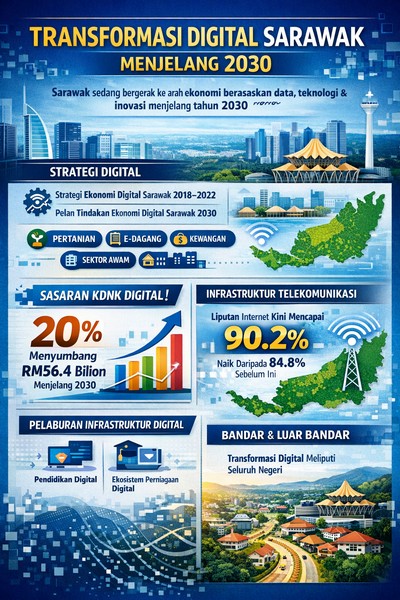
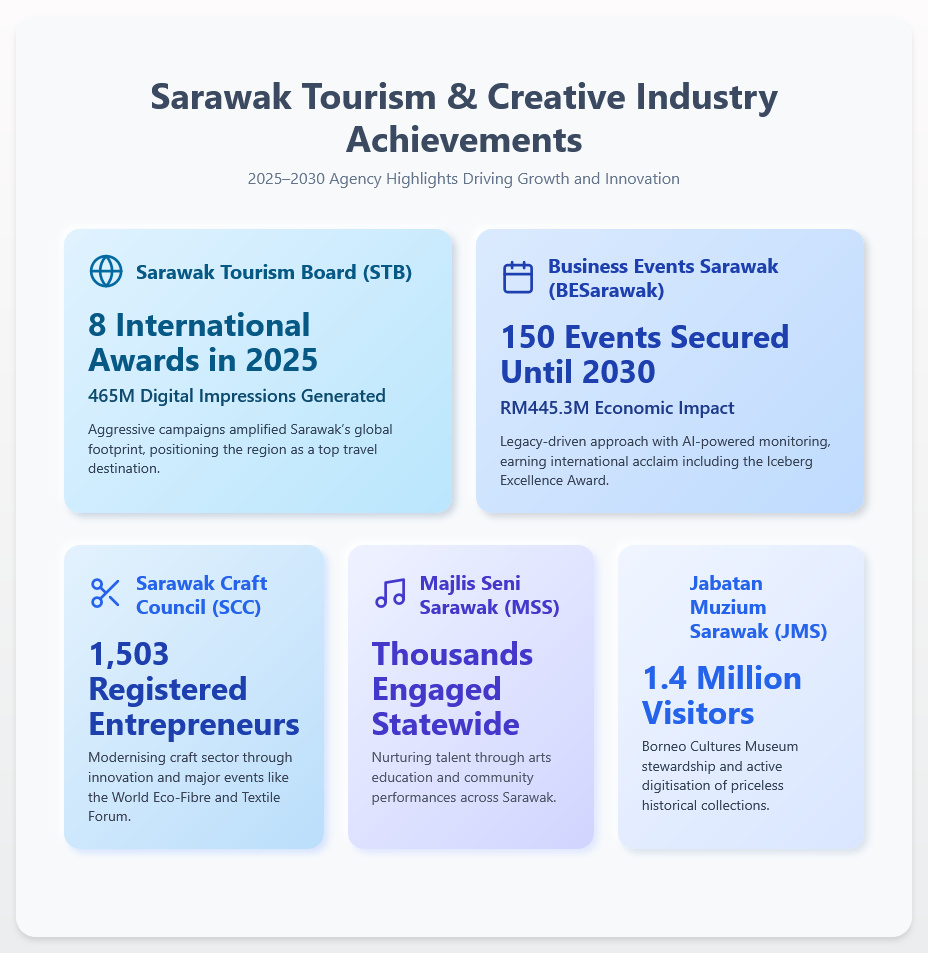
Infografik menunjukkan Transformasi Digital Sarawak Menjelang 2030
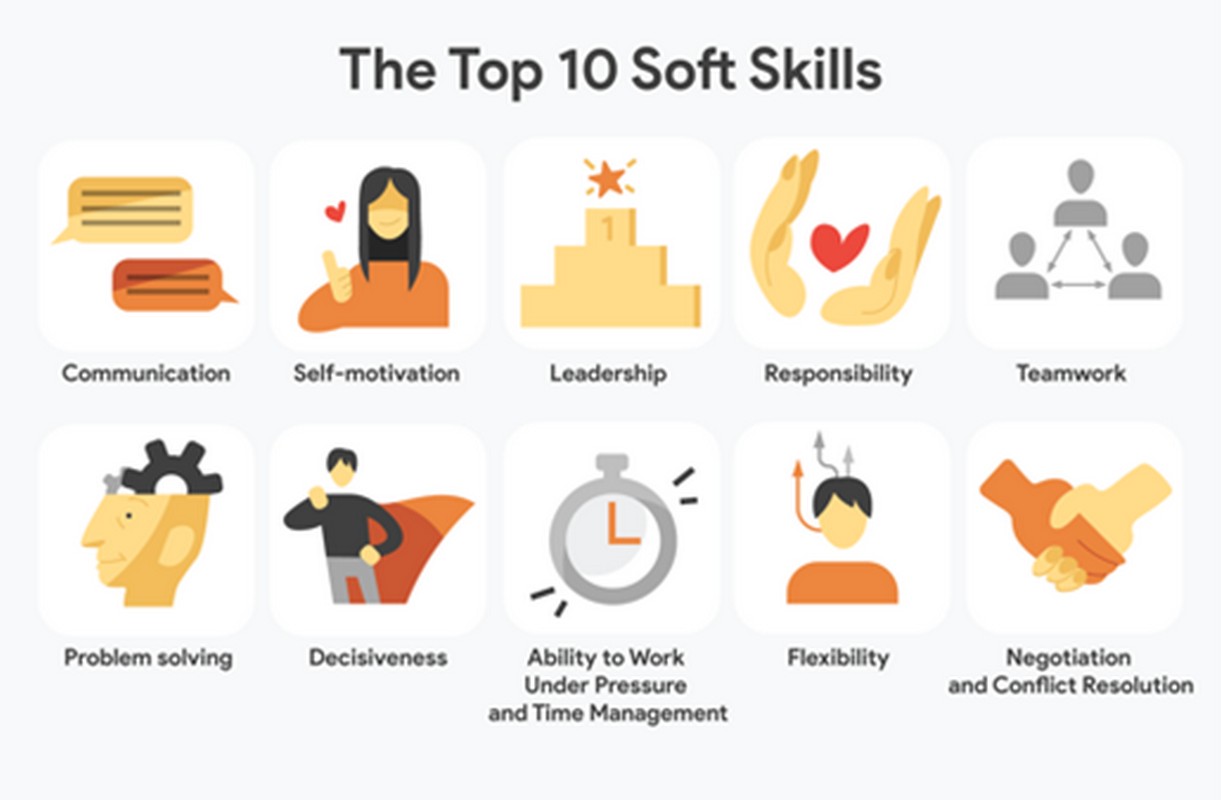
10 Soft Skills That Are Crucial for Work Readiness — Credit: NMD Training and Consultation
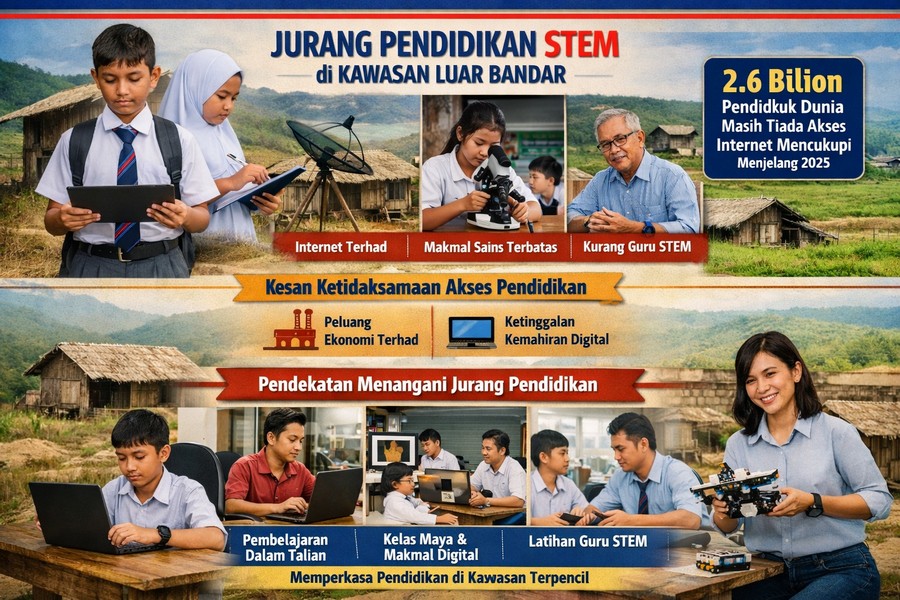
Tanpa akses kepada pendidikan STEM, pelajar luar bandar berisiko ketinggalan dalam ekonomi digital

Avoid common disaster mistakes: Heed warnings, prepare an emergency kit, avoid flooded roads, verify news, and evacuate on time


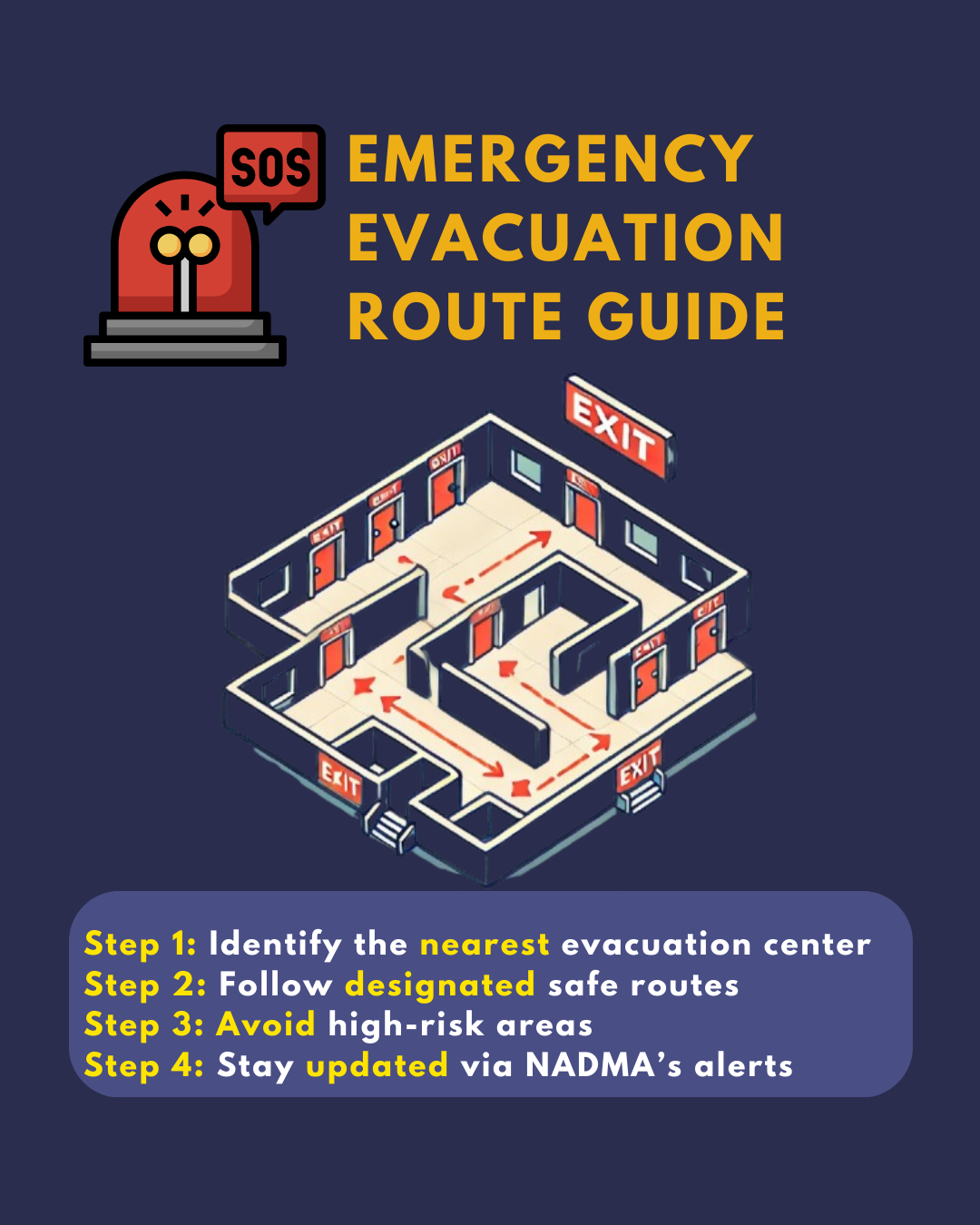
Emergency evacuation guide: Locate the nearest center, follow safe routes, avoid danger zones, and stay updated with NADMA alerts
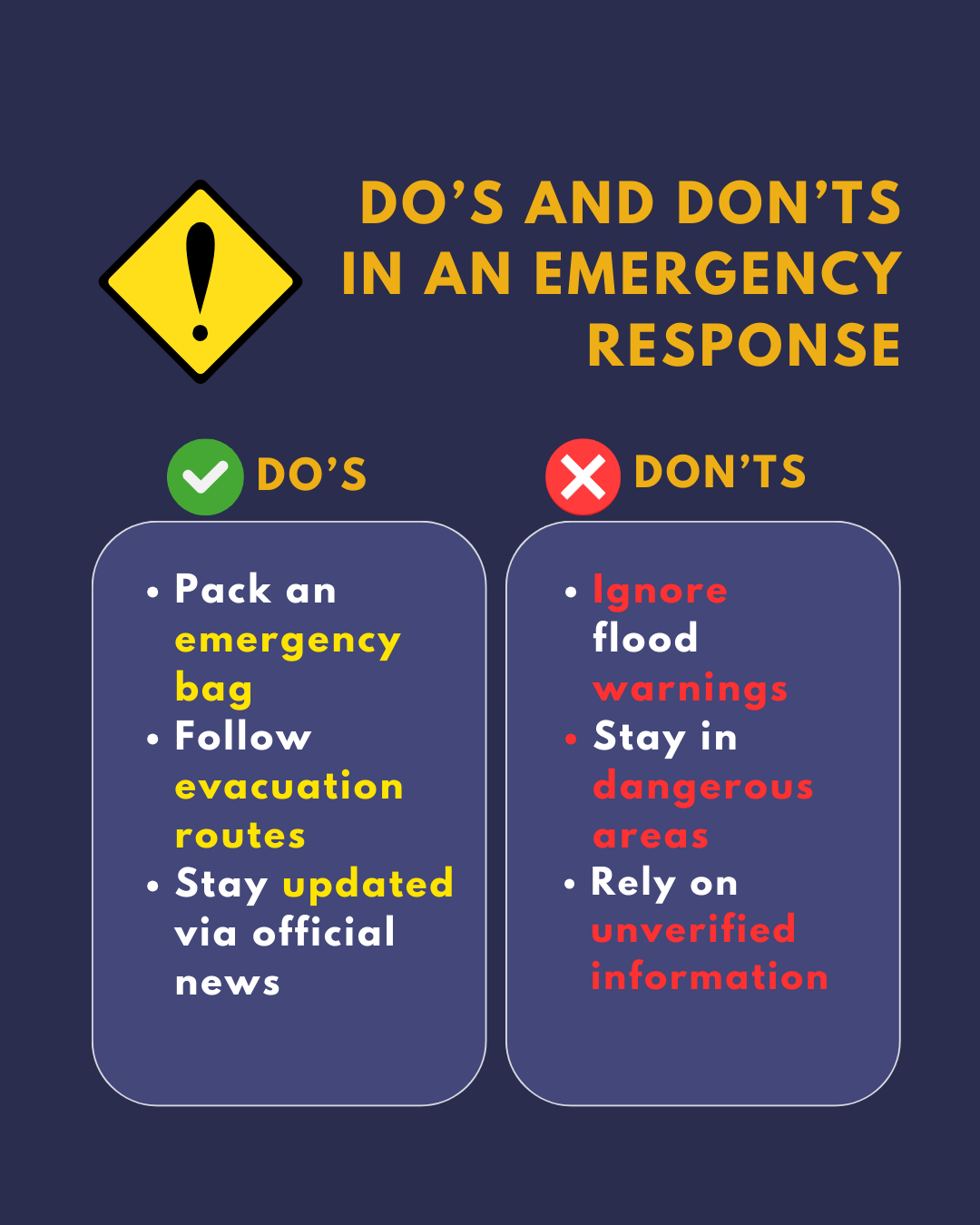
Essential emergency response tips: Pack an emergency bag, follow evacuation routes, stay updated, and avoid misinformation during crises
Explore more articles

Dari RAKAN Sarawak
A Bridge Is Only the Beginning
The bridge is an engineering triumph, yet its legacy depends not on concrete but on cultivating human capital, ensuring capital access, and bridging the digital divide to transform rural livelihoods beyond mere connectivity.
Dari RAKAN Sarawak
Uniting Diversity, Enriching Lives Through Sarawak’s Vibrant Arts
Grounded in the Premier's directive to unite diversity, Majlis Seni Sarawak harnesses the arts as a unifying force. Through festivals and cultural programmes, it bridges ethnic divides, fostering social cohesion and reinforcing Sarawak’s shared identity of solidarity and racial harmony.
Galeri Foto | Photo Gallery

Muzium Warisan Industri Limbungan Brooke Kekal Reka Bentuk Asal
Salah satu ruang rehat di Muzium Warisan Industri Limbungan Brooke ini dahulunya merupakan sebuah dermaga untuk kapal berlabuh.
Ruang ini direka semula dengan hiasan siling...
Dari Sematan ke Merapok
Tebedu’s Transformative Journey
In July 2026, Tebedu breaks ground on its RM5 million Dataran Mutiara square, funded by GKCDA, due October 2027. This new major hub revitalizes Sarawak's key border town, spurred by Nusantara, boosting local agriculture, cross-border trade, and Bidayuh cultural pride.
Dari RAKAN Sarawak
Bridging the Divide
Sarawak's RM11 billion bridge network is a strategic investment dismantling logistical barriers, catalysing agricultural modernization, and enforcing food security policies. This infrastructure, funded independently, directly connects rural producers to markets, slashing transport costs and time. It is a calculated step towards achieving high-income status and shared prosperity by 2030.
Galeri Foto | Photo Gallery
Mercu tanda pusat kejuruteraan pertama di Kuching
Replika Kapal HHY Zahora merupakan tarikan utama di Brooke Dockyard Industrial Heritage Museum yang telah dibuka secara rasmi pada April 2026. Para pengunjung diberi...