

Just innews timeline
- 1 day ago
- 3 days ago
- 3 days ago
- 4 days ago
- 5 days ago
- 6 days ago
- 7 days ago
- 1 week ago
- 1 week ago
- 1 week ago
- Advertisement -
Recent Articles
Dari RAKAN Sarawak

From Oil’s Black Gold to Ink’s Lasting Legacy
Miri is betting its post-oil future on literature, seeking UNESCO status by 2027 to transform from an extraction town to a cultural hub. The bid aims to diversify the economy through literary tourism and preserve the region's rich oral heritage, following Kuching's successful gastronomy model as a blueprint.
Dari RAKAN Sarawak
Stesen Penyelidikan Pertanian Sarawak Pemacu Transformasi Agromakanan
Stesen penyelidikan pertanian di Sarawak memacu transformasi sektor agromakanan melalui R&D, pemindahan teknologi, dan pengeluaran benih berkualiti. Rangkaian tujuh stesen utama ini menyokong PCDS 2030 ke arah keterjaminan makanan dan eksport, sekali gus meningkatkan sosioekonomi komuniti tani negeri.
Dari RAKAN Sarawak
Niah’s True Legacy Lies Beyond the Plaque
Niah's UNESCO status is not an endpoint but a starting point for Sarawak. Its true significance now hinges on delivering economic and social dividends to Batu Niah through sustainable tourism, infrastructure, and community-based initiatives that honour its 50,000-year-old heritage.
Galeri Foto | Photo Gallery
Perpustakaan Bergerak Sarawak: Jambatan Ilmu
Perkhidmatan Perpustakaan Bergerak Sarawak membawa buku, komputer, dan Wi-Fi ke komuniti pedalaman. Inisiatif kolaboratif ini memupuk literasi, menyokong pelajar, dan merapatkan jurang digital di Bumi Kenyalang.
Dari RAKAN Sarawak
When “We Value Your Feedback” Means Nothing
Malaysia's complaint system reacts only after viral outrage, offering temporary counters and statements instead of accountability. Institutions lack binding powers, whistleblowers face retaliation, and citizens wait months for resolution. Complaints must be treated as obligations, with enforceable deadlines, protected voices, and transparent root cause investigations.
Dari RAKAN Sarawak
The Digital Hypodermic: Injecting Obsession, Eroding Focus
Social media obsession, driven by dopamine loops and social comparison, is a "digital hypodermic" injecting passivity, fragmentation, and economic distortion into Malaysia. This neurological manipulation undermines the focus, innovation, and unity required for Sarawak's and the nation's developmental ambitions, threatening to replace genuine progress with curated illusion.

discover
Infographic
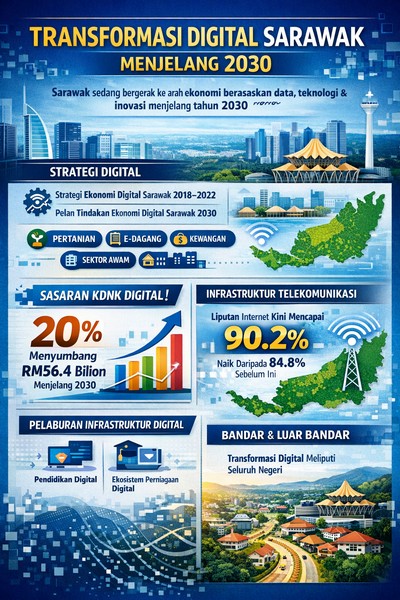
Infografik menunjukkan Transformasi Digital Sarawak Menjelang 2030
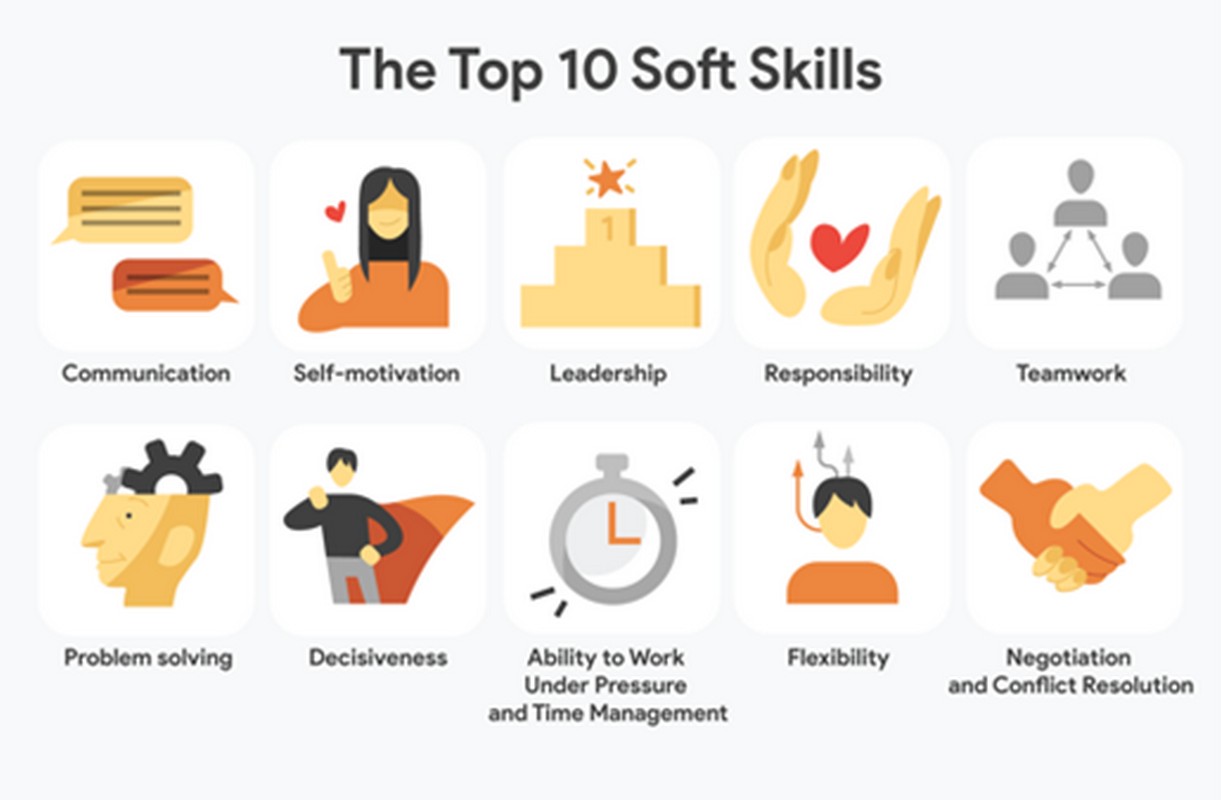
10 Soft Skills That Are Crucial for Work Readiness — Credit: NMD Training and Consultation
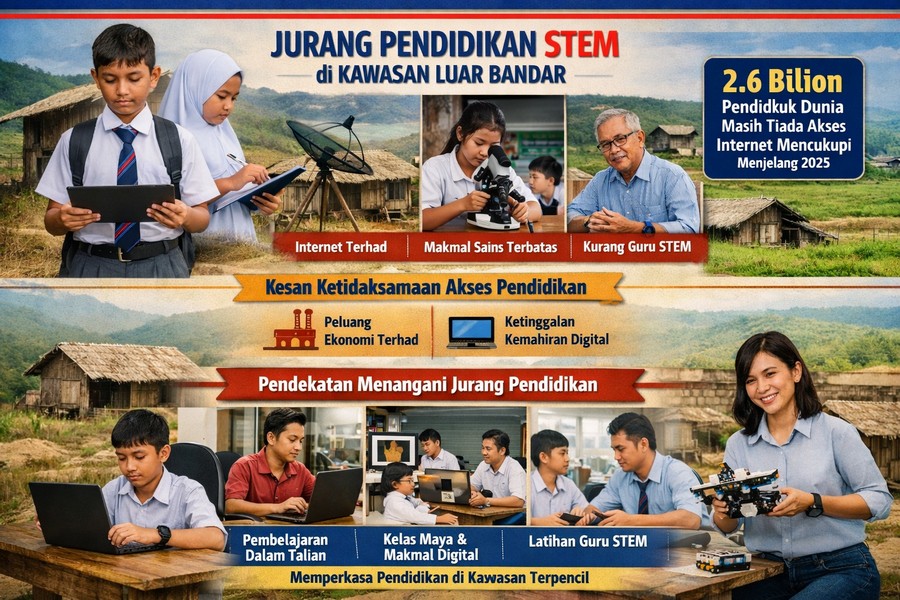
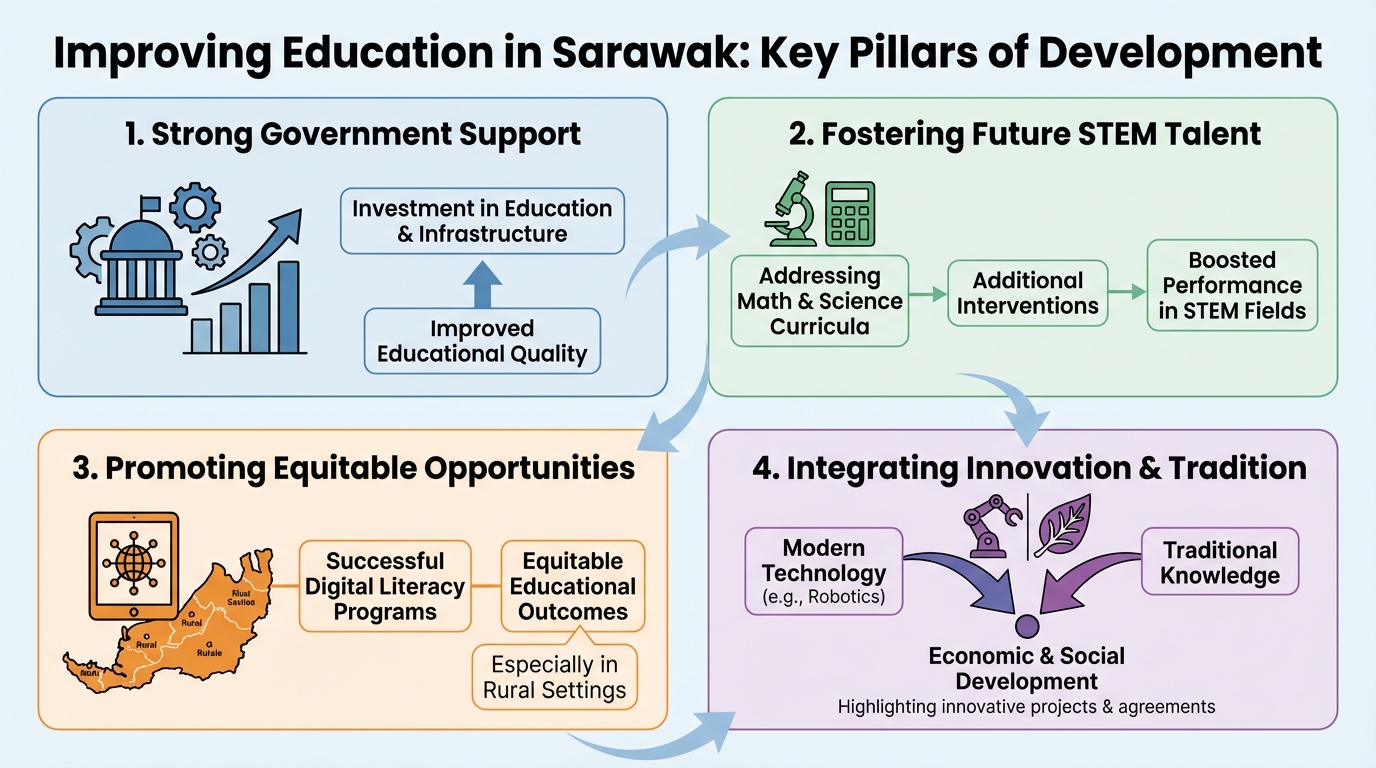
Tanpa akses kepada pendidikan STEM, pelajar luar bandar berisiko ketinggalan dalam ekonomi digital
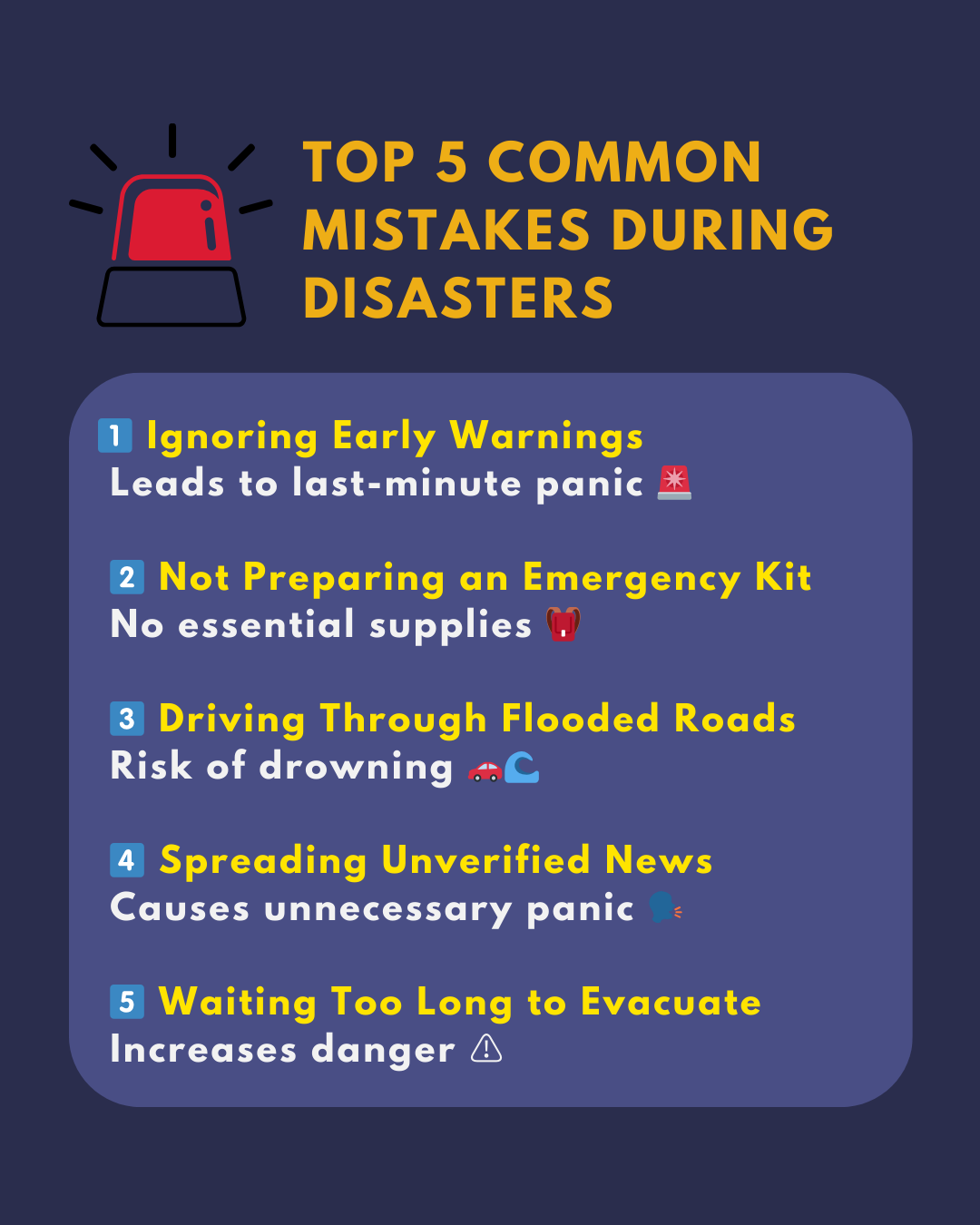
Avoid common disaster mistakes: Heed warnings, prepare an emergency kit, avoid flooded roads, verify news, and evacuate on time


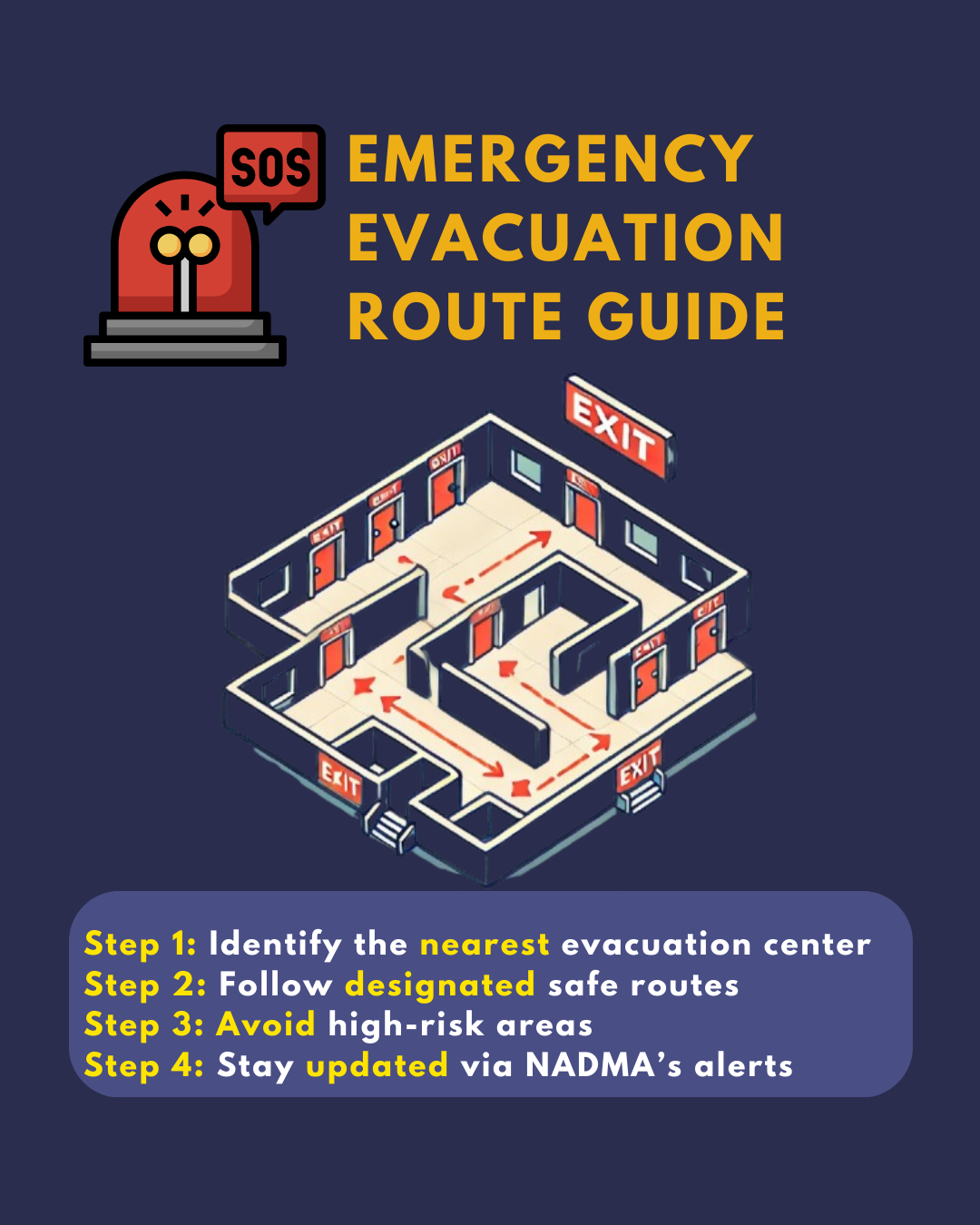
Emergency evacuation guide: Locate the nearest center, follow safe routes, avoid danger zones, and stay updated with NADMA alerts
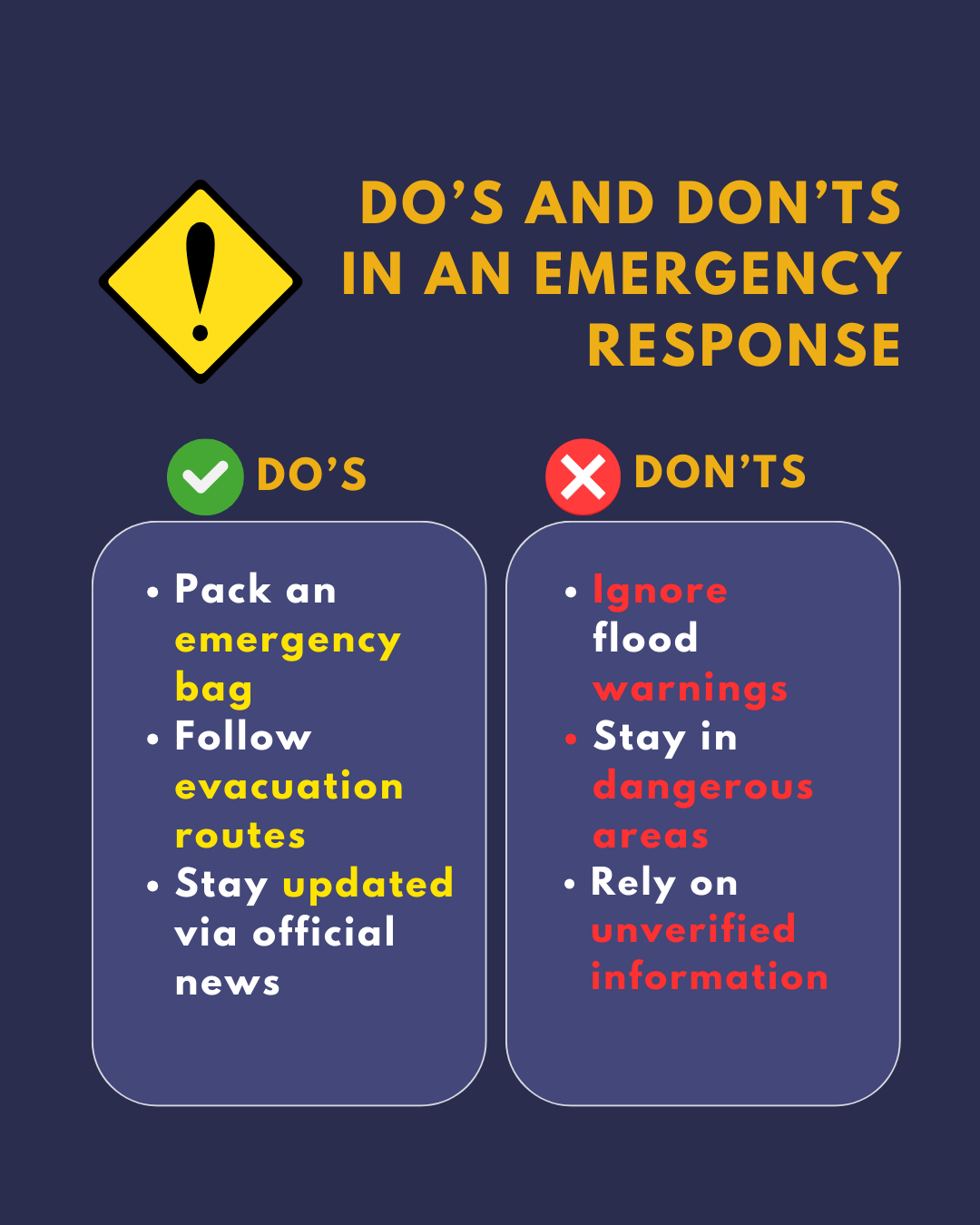
Essential emergency response tips: Pack an emergency bag, follow evacuation routes, stay updated, and avoid misinformation during crises
Explore more articles

Paparan Semasa | News Feature
To Silence Critics, Sarawak Must First Listen
A troubling disparity has emerged between the upbeat official messaging and the frequent technical failures of the regional transit fleet. Reactive and defensive communications are doing more harm than good, corroding public faith in the project. The only sustainable path forward involves full disclosure, impartial third-party assessments, and a renewed approach that engages the commuting public as problem-solvers, not as obstacles to be overcome.
Dari RAKAN Sarawak
Bait, Bite, App, Fine: Sarawak’s Rabies War Unfolds
Sarawak combats rabies through oral vaccines for stray dogs, a reporting app, and heavy fines for unvaccinated pets. Yet microchipping lags, weakening enforcement. Youth-led advocacy and rapid diagnostics are crucial. Community cooperation determines whether technology and regulations can finally end this deadly outbreak.
Dari RAKAN Sarawak
AirBorneo: A Strategic Pillar for Sarawak’s Connectivity and Economic Transformation
AirBorneo embodies Sarawak’s bold vision for connectivity and growth, yet faces saturated markets, high costs, and political risks. A phased, cooperative, asset-light strategy, leveraging rural subsidies and eco-tourism, can turn this high-stakes venture into a sustainable economic bridge for Borneo’s future.
Dari RAKAN Sarawak
Building Livelihoods, Equity, and Community Trust Through Environmental Accountability
Sarawak's Environmental Compliance Audit framework ensures industries manage pollution and resource impacts. Independent audits provide transparency, fostering community trust. This accountability supports livelihoods, reduces poverty, and promotes equity, aligning with SDGs while securing long-term economic and environmental sustainability for all.
Galeri Foto | Photo Gallery

Ruby : Kasih Ibu di Rimba Semenggoh
Ruby, seekor orang utan betina sedang bergayut sambil menggendong anaknya untuk keluar mendapatkan makanan.
Ruby dan anaknya ialah antara lebih 20 orang utan...
Paparan Semasa | News Feature
Soccer Tournament Thrills Inspire Fair Growth for All
Applying FIFA World Cup coordination and governance bridges urban-rural divides. Investing in local leaders, breaking silos, and empowering regions ensures fair growth. Motivated public service and adaptive structures mean no community is left behind; finally, everyone plays for the same side.