

Just innews timeline
- 2 days ago
- 3 days ago
- 4 days ago
- 5 days ago
- 6 days ago
- 7 days ago
- 1 week ago
- 1 week ago
- 1 week ago
- 2 weeks ago
- Advertisement -
Recent Articles
Galeri Foto | Photo Gallery

Sarawak TVET Boosts Local Livelihoods
Sarawak strengthens local human capital by offering practical technical training through agencies like Sarawak Skills. With over 5,900 students and adults enrolled, these TVET programs empower residents with practical skills, achieving a remarkable 93 per cent graduate employability rate.
Economy
Together Building Prosperity and Securing Our Futures
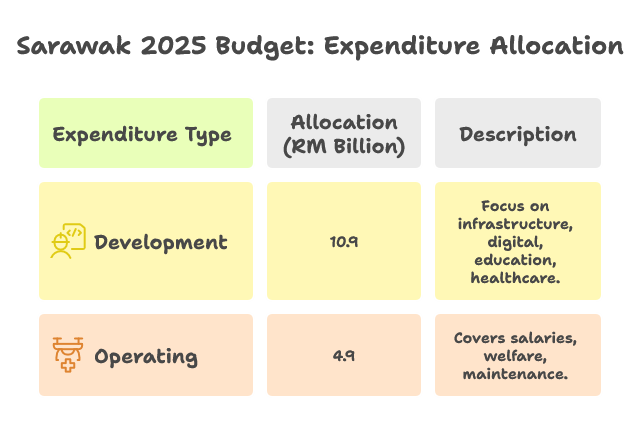
Sarawak’s 2027 Budget, tabled on 12 October 2026, plans record revenue of RM15.091 billion and a RM246 million surplus. It sets development spending at RM10.098 billion to improve infrastructure, human capital and new industries while shielding households from cost pressures.
Galeri Foto | Photo Gallery
Rural Sarawak Paths Bring Progress
Concrete drains and pathways are being built outside wooden homes in Kpg Hilir Spaoh under the Rural Transformation Project. This basic infrastructure brings safer daily travel and real hope to residents, showing that even remote villages are not forgotten.
Lestari
Solar Power in Sarawak: A Bright Path for Every Home
The Sarawak government offers a generous solar subsidy to help local homeowners install rooftop panels. This financial assistance reduces upfront installation costs, making clean renewable energy much more accessible and affordable for families across the entire region.
Galeri Foto | Photo Gallery
Frozen Dabai Now Sold Year-Round
Frozen Kapit dabai lets shoppers enjoy Sarawak's seasonal olive all year. Fresh fruit spoils quickly, but freezing keeps it for over a year, supporting rural growers, widening market access and strengthening Sarawak's reputation for unique produce.
News
Sarawak DUN Constituency Redelineation: Adapting to Changing Demographics
Sarawak's overdue redelineation adds 17 seats, citing urbanisation and representation. However, leaked proposals, voter parity concerns and election timing raise doubts. The Election Commission must publish verifiable criteria before final boundaries are accepted. Public trust depends on transparent demographic evidence.

discover
Infographic
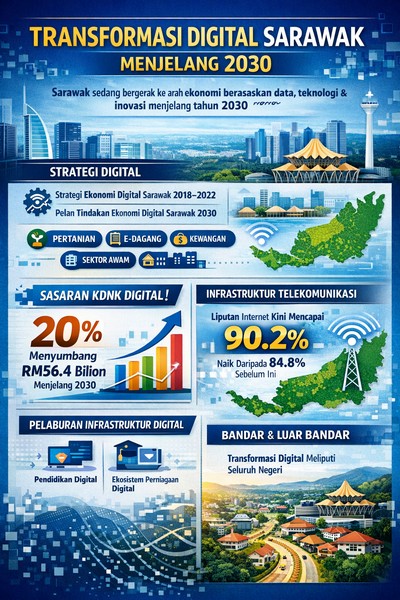
Infografik menunjukkan Transformasi Digital Sarawak Menjelang 2030
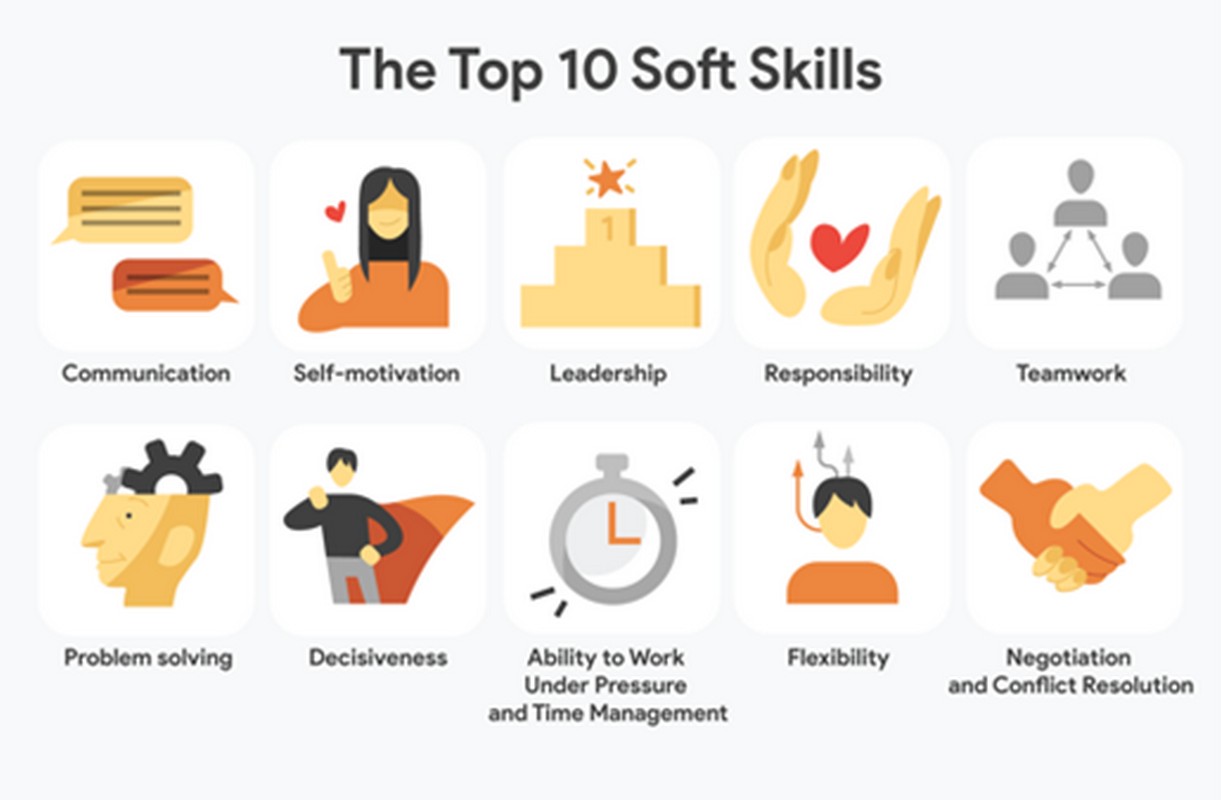
10 Soft Skills That Are Crucial for Work Readiness — Credit: NMD Training and Consultation
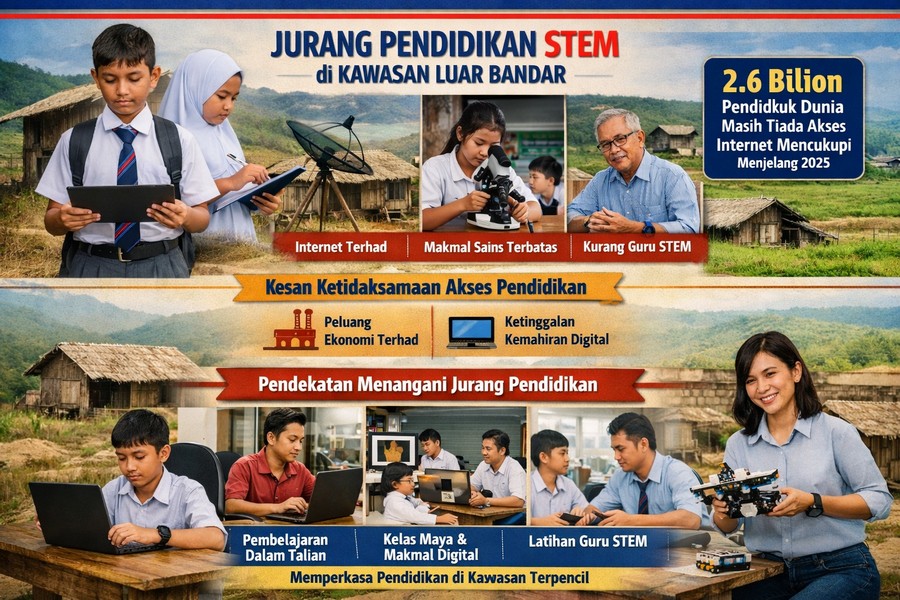
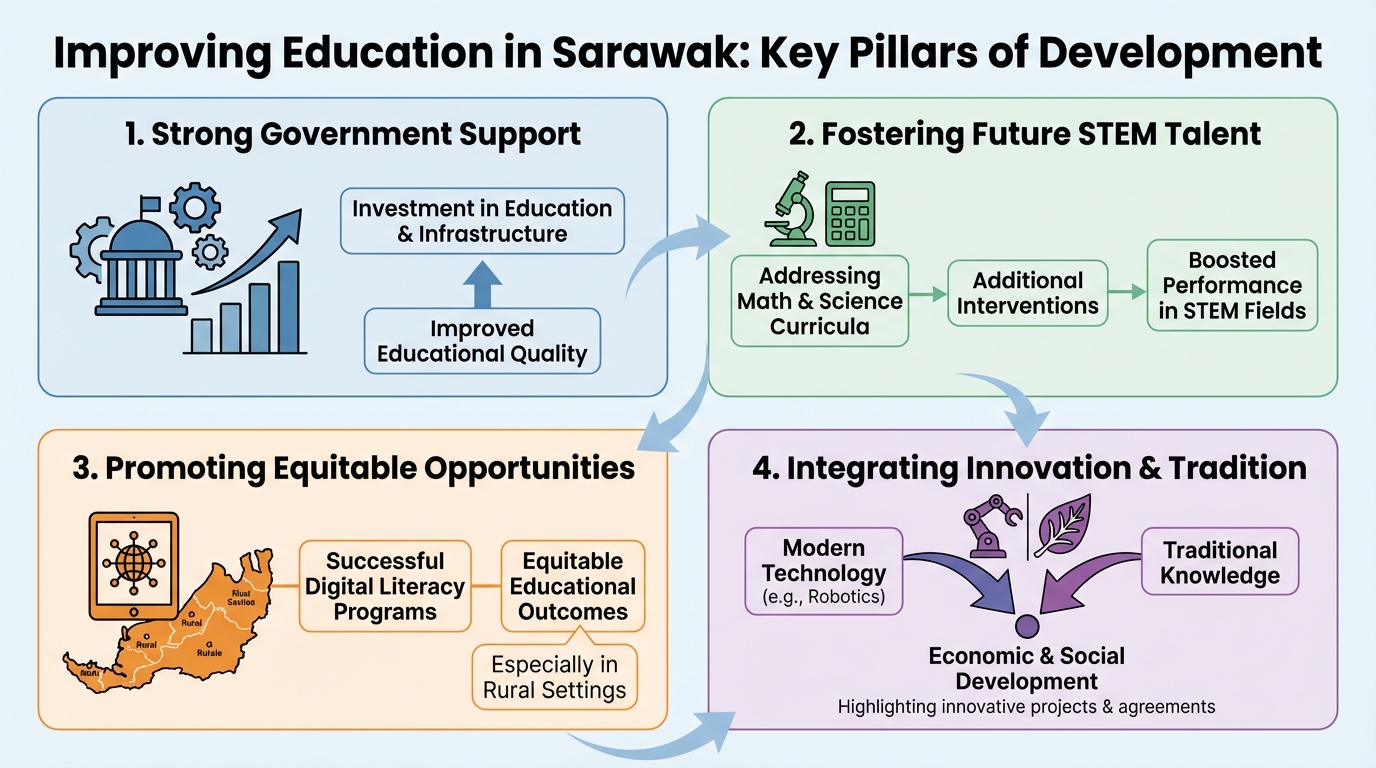
Tanpa akses kepada pendidikan STEM, pelajar luar bandar berisiko ketinggalan dalam ekonomi digital
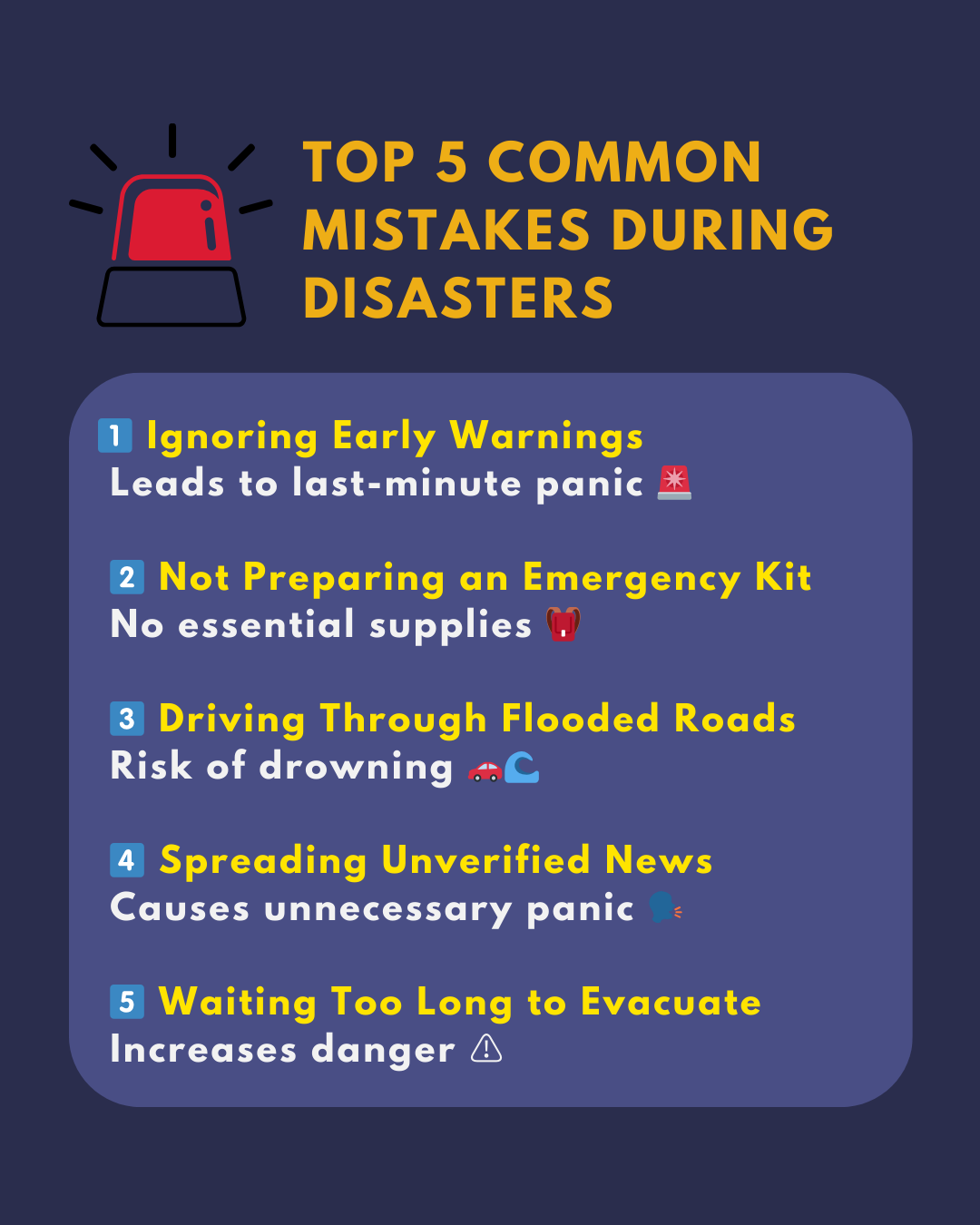
Avoid common disaster mistakes: Heed warnings, prepare an emergency kit, avoid flooded roads, verify news, and evacuate on time



Emergency evacuation guide: Locate the nearest center, follow safe routes, avoid danger zones, and stay updated with NADMA alerts
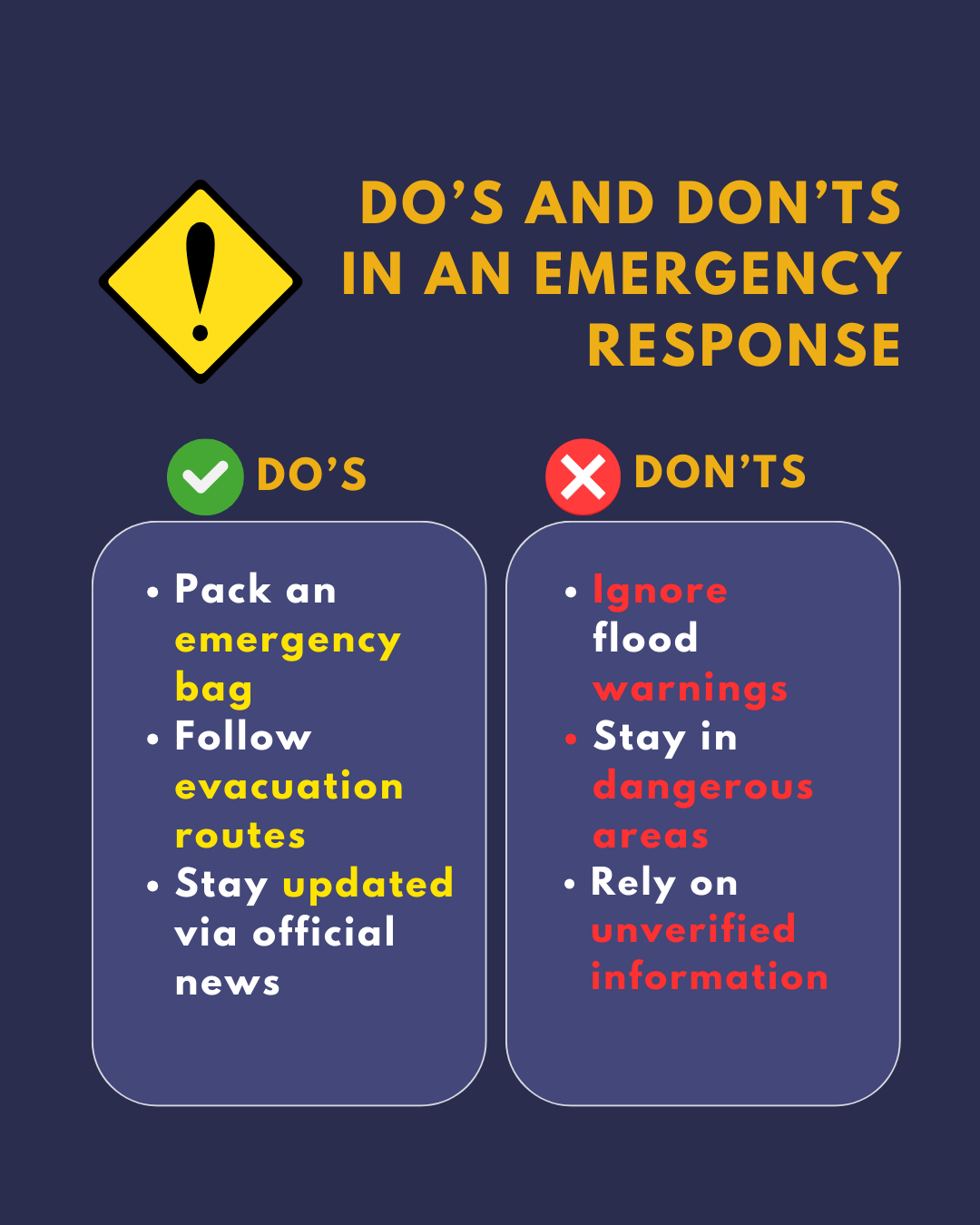
Essential emergency response tips: Pack an emergency bag, follow evacuation routes, stay updated, and avoid misinformation during crises
Explore more articles

Galeri Foto | Photo Gallery
Sarawak Aquaculture Expands Rural Development
Sarawak turns freshwater reservoirs into aquaculture hubs. Batang Ai supplies 60 per cent of state tilapia through 146 smallholders and 14,000 cages. Under PCDS 2030, production may reach 300,000 tonnes yearly, targeting RM1 billion exports and 7,000 new hectares farmed.
Dari RAKAN Sarawak
Bridge Rural Sarawak Implementation Gap
Despite Sarawak’s high GDP per capita, rural communities struggle with deep poverty, poor healthcare, crumbling schools, and limited financial access. To bridge this divide, practical local solutions are essential; massive projects alone seldom reach remote villages.
Galeri Foto | Photo Gallery
Sarawak Green Hydrogen Hub Fuels Clean Transport
The laboratory electrolyser, with stacked cells, drying columns and a labelled hydrogen outlet, reflects Sarawak's green hydrogen push. Powered by solar and hydropower, SEDC Energy runs hydrogen buses and Kuching's Autonomous Rapid Transit, advancing the Post-COVID Development Strategy 2030 goals.
Dari RAKAN Sarawak
Sarawak Plans Massive Renewable Growth
Sarawak plans huge renewable energy projects to reach ten gigawatts by 2030. This green shift creates many new jobs for skilled young people. Students must study technical subjects to secure these exciting and highly paid career roles.
Galeri Foto | Photo Gallery
Hands-On Skills Build Bright Futures
Technical training builds real-world skills for modern industries. Students learn by doing daily in workshops. They dismantle and rebuild complex engine systems. This practical approach creates highly capable graduates.
Dari RAKAN Sarawak
A Profession at an Inflection Point
Sarawak's civil servants must shift from gatekeeping to becoming growth partners, helping deliver investment under PCDS 2030. With global capital selective and ASEAN attracting record inflows, faster approvals, digital tools and strategic judgement will decide whether Sarawak wins investment and reaches developed-state status.