


Just innews timeline
- 4 weeks ago
- 1 month ago
- 1 month ago
- 1 month ago
- 1 month ago
- 1 month ago
- 1 month ago
- 1 month ago
- 2 months ago
- 2 months ago
- Advertisement -
Recent Articles
Dari RAKAN Sarawak

Unaddressed Mental Health Crisis Derails Sarawak’s 2030 Ambitions
Sarawak’s mental health crisis, as surging helpline calls, high suicide rates among young men, and 35.8% prevalence, imperils the PCDS 2030 vision. Depression erodes productivity, unity, and environmental stewardship, demanding urgent community-rooted mental health investment now to avert severe economic and social collapse.
Dari RAKAN Sarawak
Inclusive Neutral Ground for Community Resilience and Connection
Accessible, levelling community hubs where conversation and creativity foster authentic bonds, resilience, and offer nurturing refuge from daily pressures. These inclusive settings bridge divides, empowering everyday support networks and translating inclusive policies into tangible, lasting human connections, strengthening overall well-being.
Dari RAKAN Sarawak
Agriculture As A Sustainable, Inclusive, And Well-Governed Business
Sarawak's agribusiness transformation advances through strategic agro-parks and digital innovation, yet governance gaps in contract farming, Native Customary Rights tenure, and fragmented execution constrain inclusive growth. Achieving sustainable, well-governed business requires institutional consolidation, tenure reform, and full alignment with SDG and ESG principles to realise rural prosperity.
Dari RAKAN Sarawak
Aligning Sarawak’s Agribusiness with SDG and ESG Principles for Global Market Access
Sarawak's agribusiness transformation must integrate Sustainable Development Goals and ESG principles to access premium international markets, yet systematic alignment with poverty reduction, climate action, environmental stewardship, and social inclusion targets reveals uncomfortable gaps that demand urgent policy attention and institutional reform.
Dari RAKAN Sarawak

Sarawak’s Agricultural Ambitions From Policy to Practice
Sarawak's agricultural transformation faces critical execution challenges as institutional fragmentation, aging extension services, inadequate market access infrastructure, and neglect of local agri-SMEs undermine the Premier's vision of a commercially vibrant, high-income farming sector capable of achieving net food exporter status by 2030.
Dari RAKAN Sarawak
Agriculture as Business: Sarawak’s Farm Sector Transformation
Sarawak's ambitious agribusiness transformation under PCDS 2030 has delivered measurable economic gains, with the sector contributing RM15.1 billion to state GDP in 2024 and employing 247,400 people, yet persistent governance gaps in contract farming, NCR land tenure, and institutional fragmentation threaten to confine progress to isolated pockets rather than achieve broad-based rural prosperity.
discover
Infographic
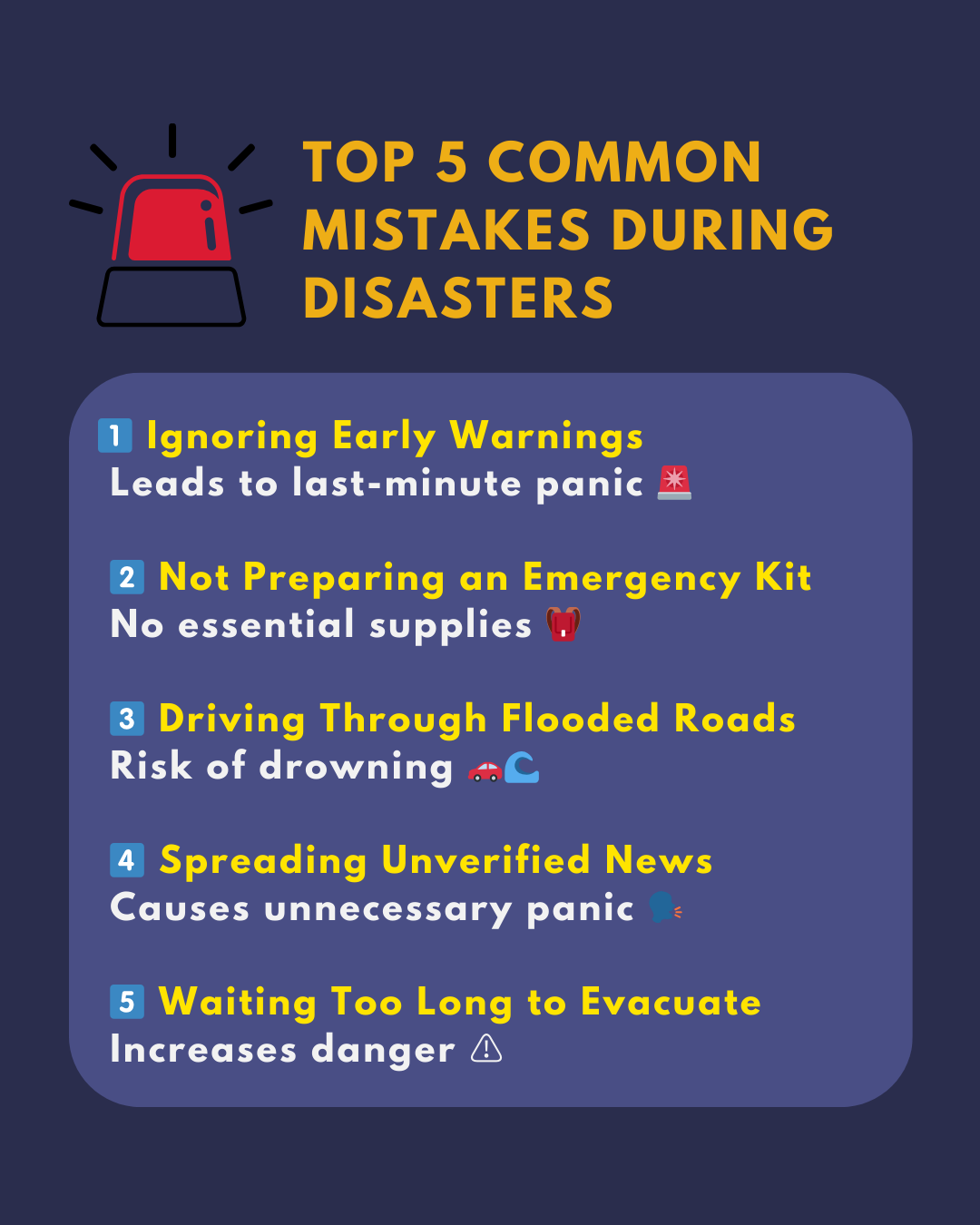
Avoid common disaster mistakes: Heed warnings, prepare an emergency kit, avoid flooded roads, verify news, and evacuate on time


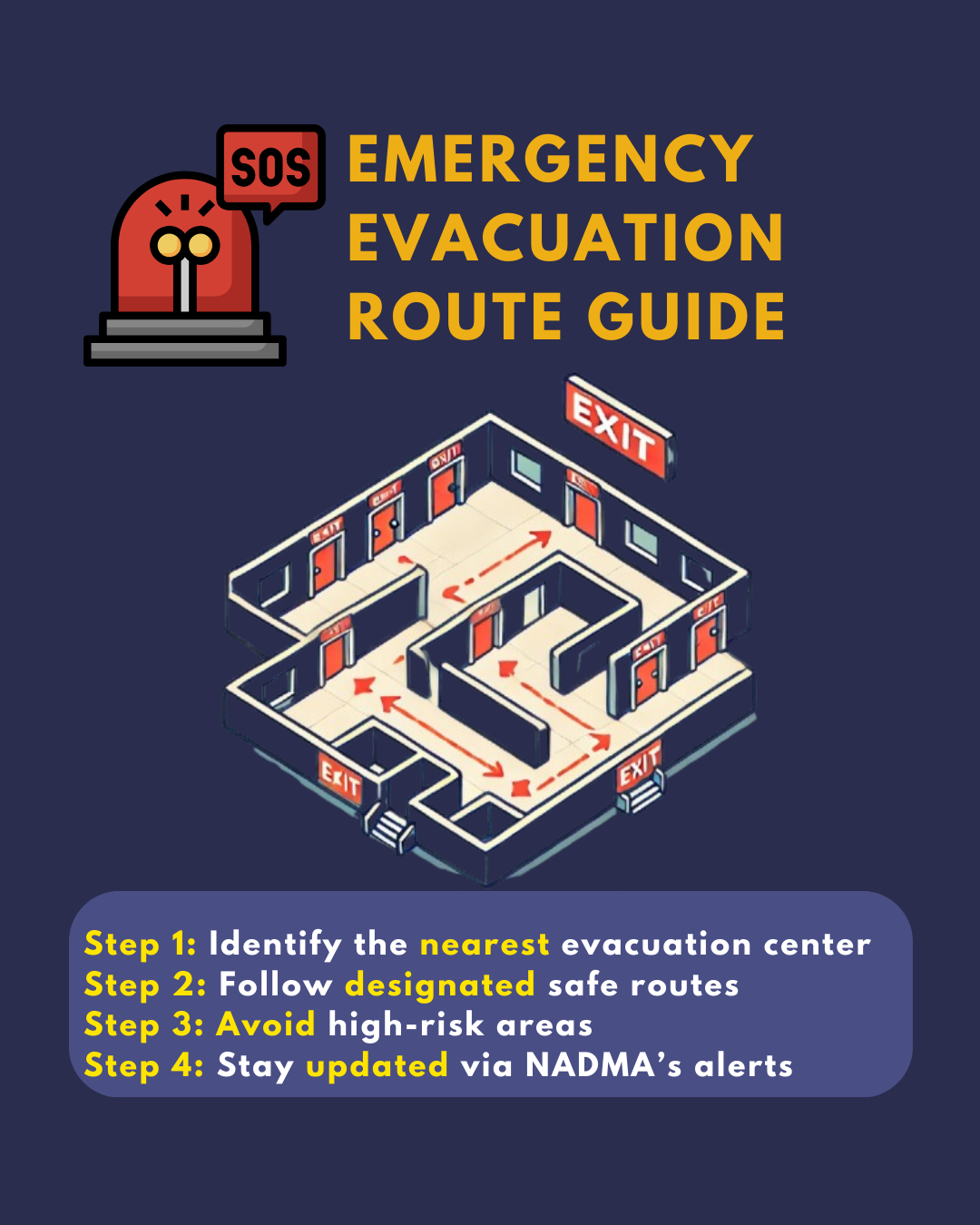
Emergency evacuation guide: Locate the nearest center, follow safe routes, avoid danger zones, and stay updated with NADMA alerts
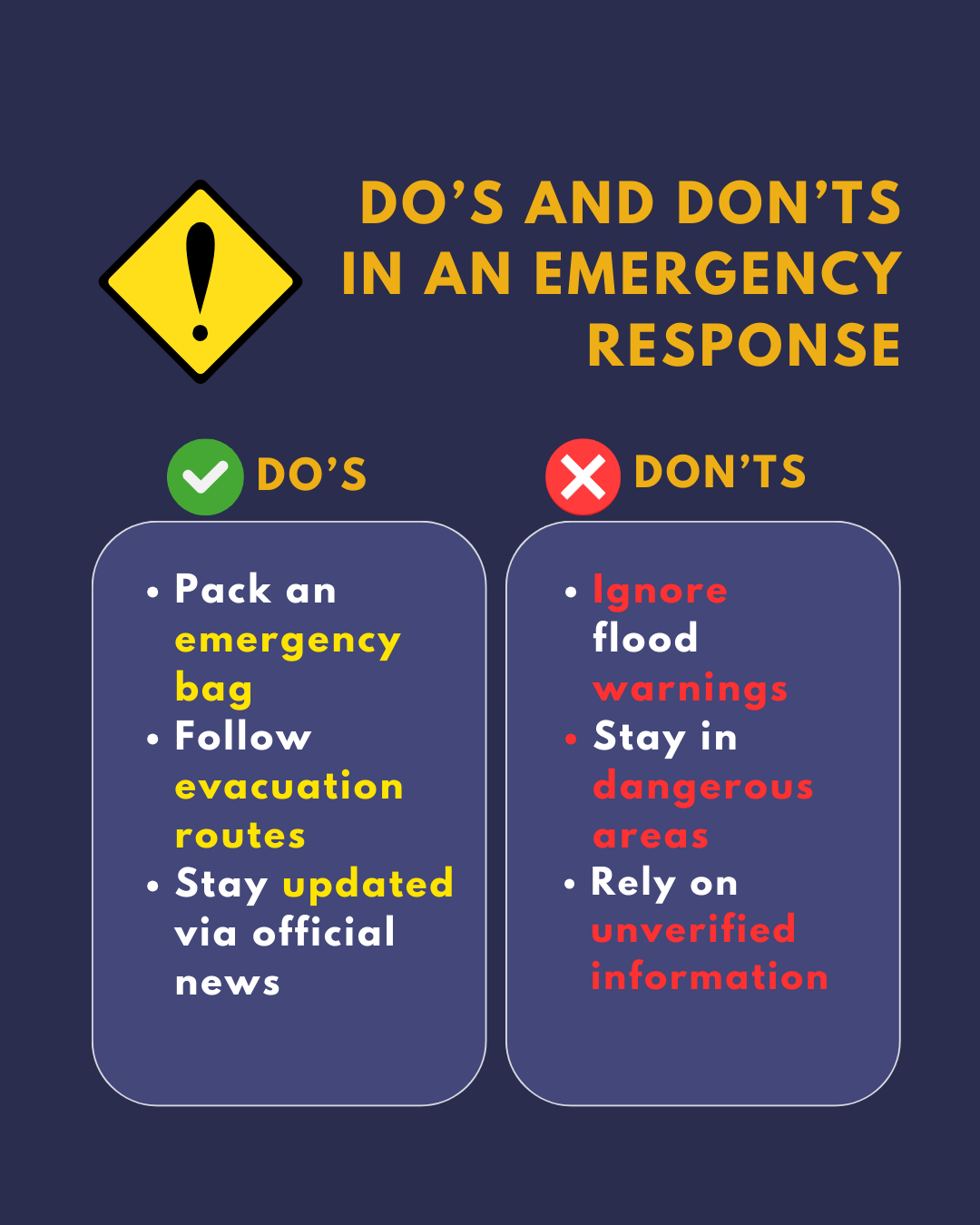
Essential emergency response tips: Pack an emergency bag, follow evacuation routes, stay updated, and avoid misinformation during crises
Explore more articles

Dari RAKAN Sarawak

Kenyalang Smart City Initiative
Sarawak's Kenyalang Smart City project in Miri aims to drive sustainable urban development, integrating green technology and community-centric planning, promising economic growth and enhanced liveability through strategic international partnerships.
Dari RAKAN Sarawak

Penubuhan SEA-DF Langkah Signifikan Untuk Sarawak Menerajui Industri Tenaga Bersih
Penubuhan pusat berkenaan juga adalah satu langkah tepat dalam memastikan kecekapan operasi projek hidrogen di seluruh Sarawak dan pada masa yang sama bersedia untuk mencipta ekosistem yang betul sambil menyetempatkan rantaian bekalan untuk memacu inovasi dan kecekapan dalam penyampaian penyelesaian hidrogen.
Dari RAKAN Sarawak

Advancing the Development of Sarawak’s Bamboo-based Industry
A working visit to China in May 2024 by the Sarawak Government delegation led by Deputy Premier YB Datuk Amar Haji Awang Tengah Ali Hasan marks another step for Sarawak in growing its bamboo-based industry and overall green economy.
Betong

Pusat Giat MARA Spaoh Beri Peluang Belia Dapatkan Kemahiran
Pusat GIATMARA Spaoh yang dijangka mula beroperasi pada awal tahun 2025 akan memberi peluang kepada belia yang menganggur untuk mendapatkan latihan kemahiran.
Dari RAKAN Sarawak
Teknologi Dalam Menjadikan Sarawak Hub Padi
Penggunaan teknologi seperti sistem pengairan pintar dan analisis tanah untuk memastikan tanaman mendapatkan apa yang mereka perlukan untuk tumbuh dengan subur bukan saja berjaya meningkatkan kuantiti pengeluaran tetapi juga kualiti pengeluaran.
Dari RAKAN Sarawak
Sarawak’s Health Sector: Recent Achievements and Future Plans
Sarawak makes significant strides in healthcare with top hospital recognition, innovative partnerships, legislative reforms, and ongoing efforts for health autonomy, aiming to enhance medical services and infrastructure.