

Just innews timeline
- 4 days ago
- 6 days ago
- 1 week ago
- 2 weeks ago
- 2 weeks ago
- 2 weeks ago
- 3 weeks ago
- 3 weeks ago
- 3 weeks ago
- 3 weeks ago
- Advertisement -
Recent Articles
Dari RAKAN Sarawak

Strengthening Institutional Frameworks for Sustainable Development
Sarawak’s Environmental Compliance Audit framework mandates independent audits with layered accountability, advancing SDG 16 and strengthening ESG governance. Its phased expansion to agriculture and mining, backed by pilot data, positions Sarawak as a global model for transparent, data-driven environmental regulation.
Dari RAKAN Sarawak
Build to Last, Not Just to Impress
Sarawak’s RM52.4 billion infrastructure pipeline is impressive, but real progress means keeping parks, benches, and public toilets in good repair. Let’s move from a build-and-abandon culture to caring for our shared spaces together. Small maintenance habits create lasting community pride.
Dari RAKAN Sarawak
Malaysia Perangi Ancaman Digital
Rang Undang-Undang Jenayah Siber 2026 Malaysia menangani penggodaman, deepfake, perisian tebusan, penipuan dipacu AI dan dalam talian, menggantikan undang-undang 1997. Selaras dengan konvensyen Budapest dan PBB, ia menangani 66,000 kes pada 2023, melindungi alam digital sambil memelihara hak serta privasi.
Dari RAKAN Sarawak
Escaping the Debt Trap in a Digitalising Sarawak
Sarawak’s civil service excellence now demands financial resilience alongside digital readiness. With household debt at RM1.73 trillion and bankruptcy risks rising among officers, disciplined budgeting, prudent investing, and early debt counselling are no longer private concerns but essential professional safeguards for delivering the state’s PCDS 2030 ambitions.
Berita dari Putrajaya
Why Does Malaysia Even Bother Measuring “Unity”?
Malaysia's true multi-ethnic citizenry - Melayu, Cina, India, Sabah and Sarawak Bumiputera, is rigorously gauged by IPNas 2025, which achieved its own 0.701 national unity benchmark, demonstrating that despite divisive online rhetoric, active integration policies are steadily narrowing the social deficit.
Berita dari Putrajaya
Malaysia’s Unity Score Reaches 0.701, Fair Governance Key
Malaysia's IPNas 2025 unity score reached 0.701, moderate-high, improving from 0.567 in 2018. Fair governance, cross-ethnic trust, and national pride are key drivers. Sarawak scored highest; Kedah lowest. Regional gaps and social deficits persist, requiring equitable development to sustain unity.

discover
Infographic
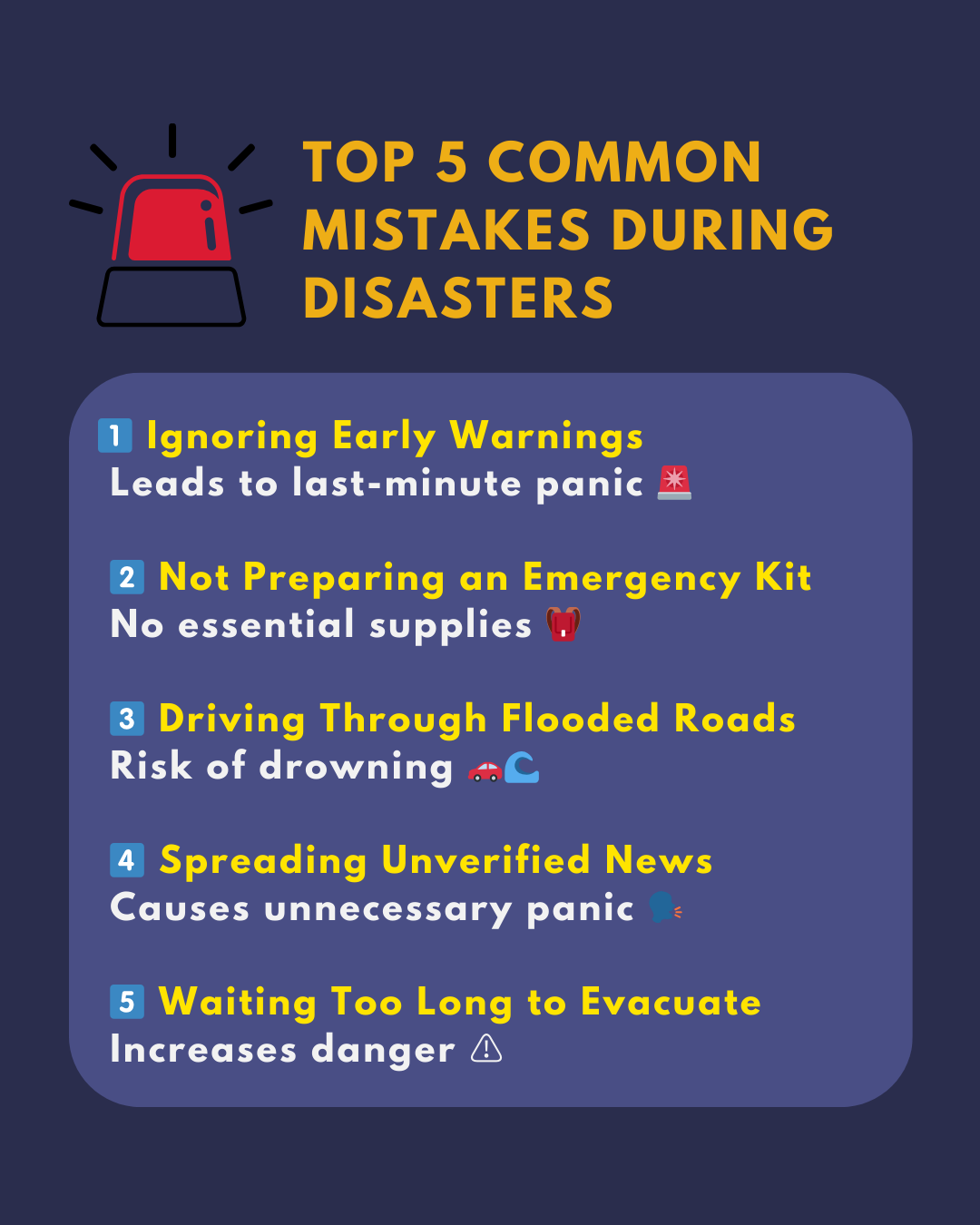
Avoid common disaster mistakes: Heed warnings, prepare an emergency kit, avoid flooded roads, verify news, and evacuate on time
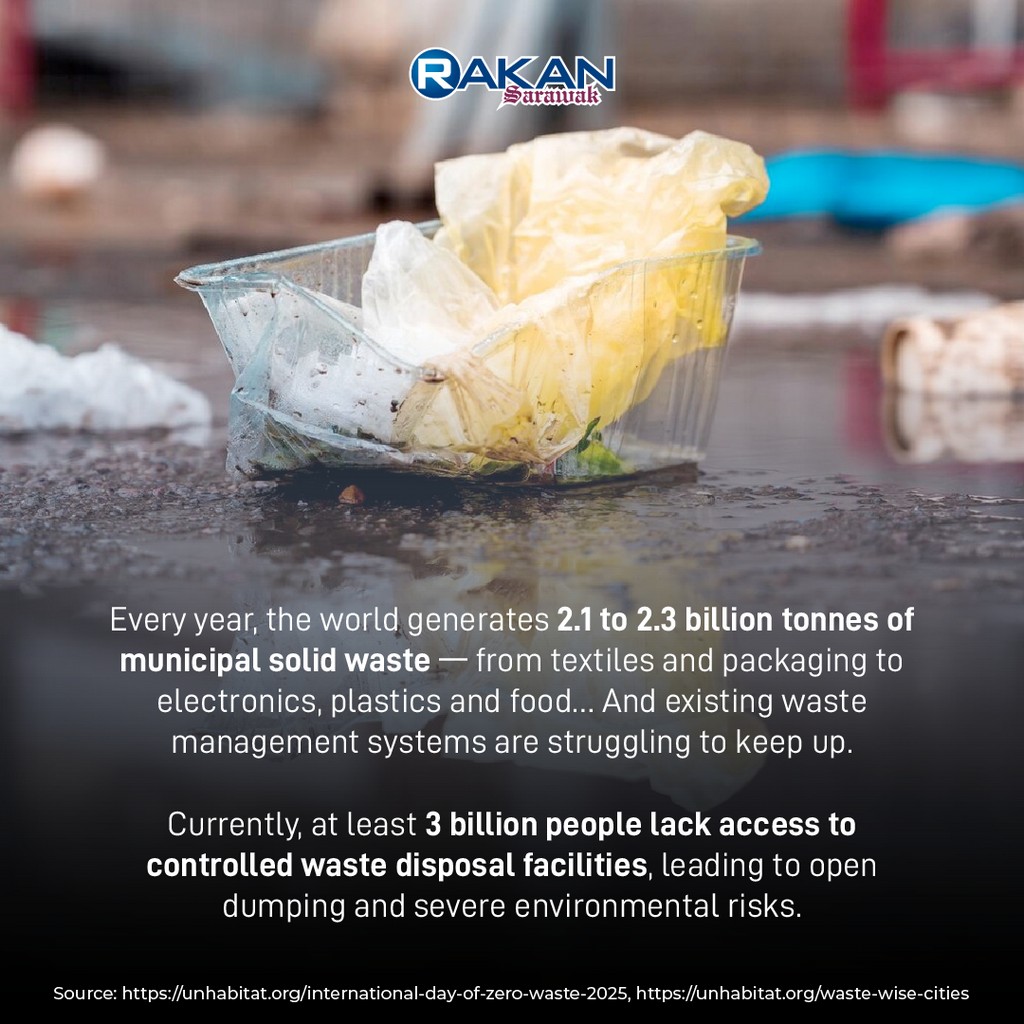


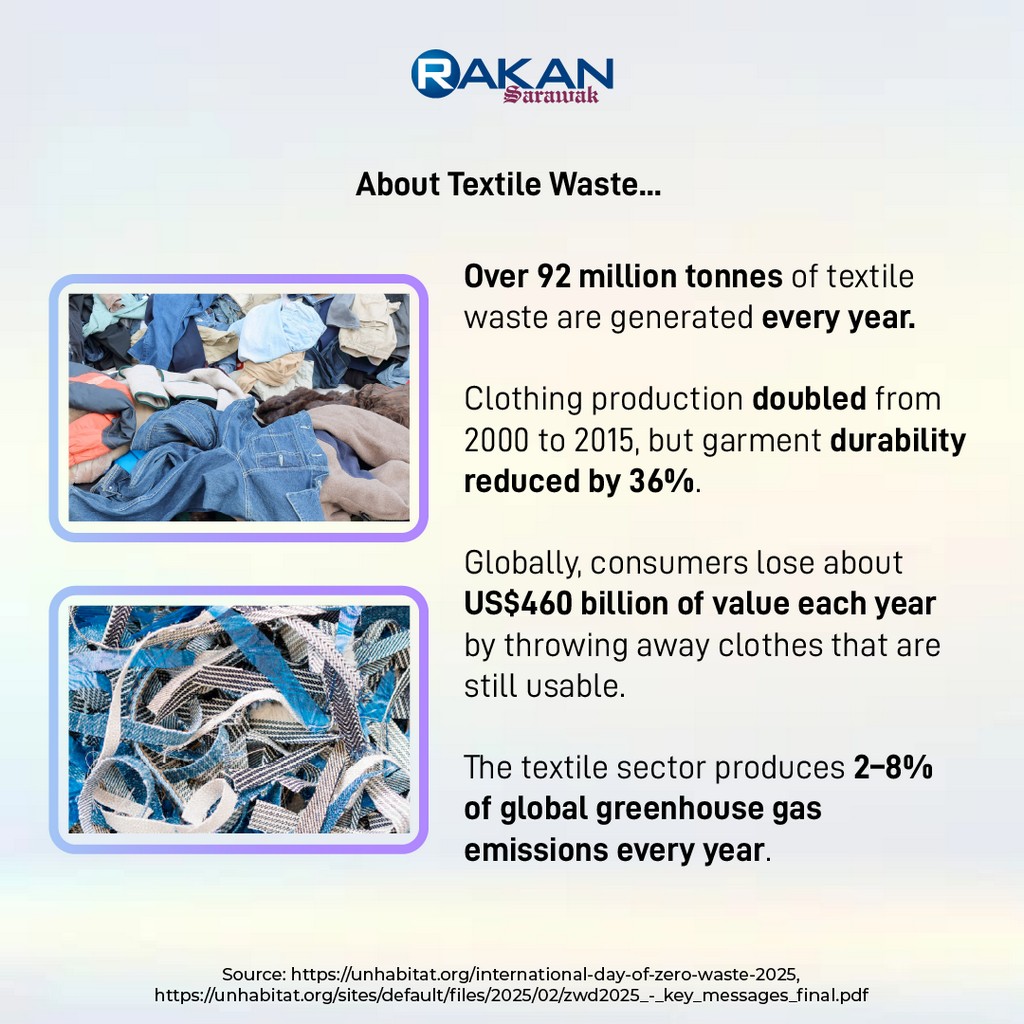
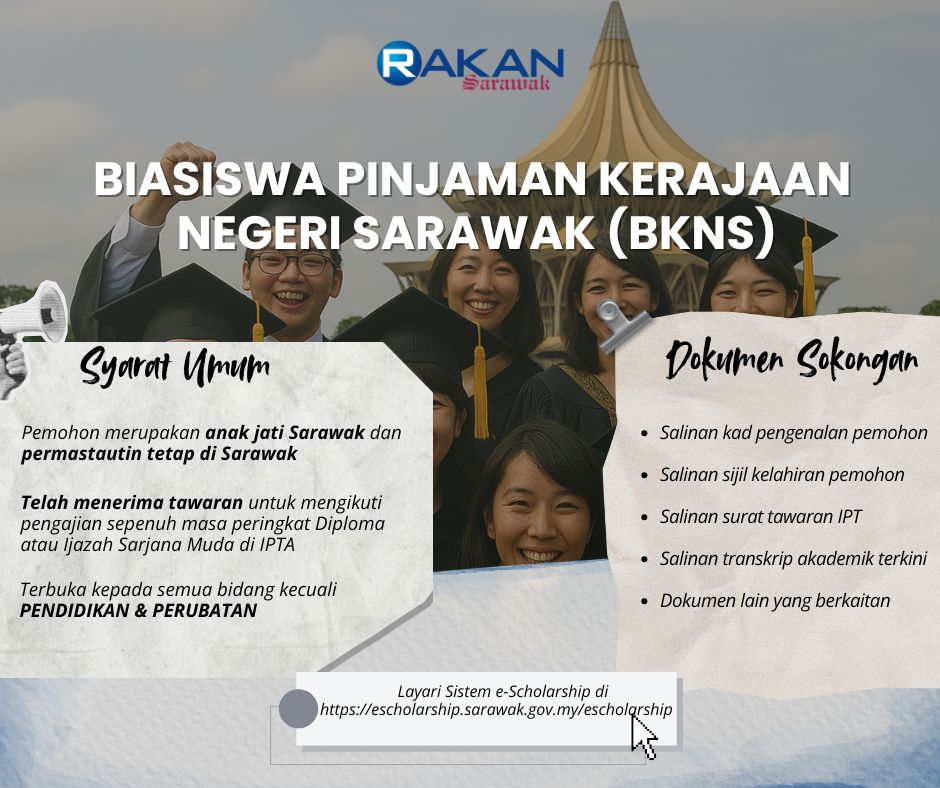
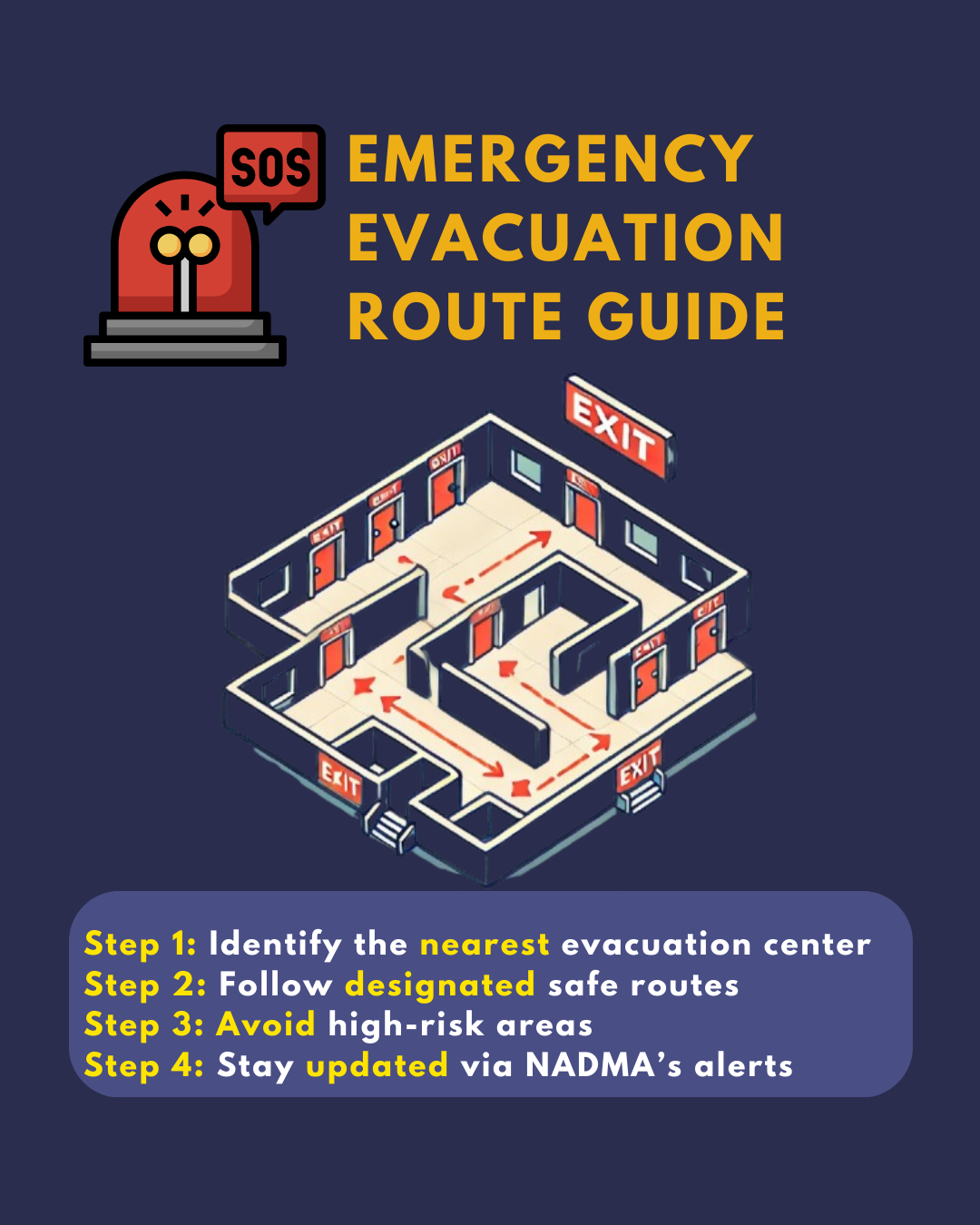
Emergency evacuation guide: Locate the nearest center, follow safe routes, avoid danger zones, and stay updated with NADMA alerts
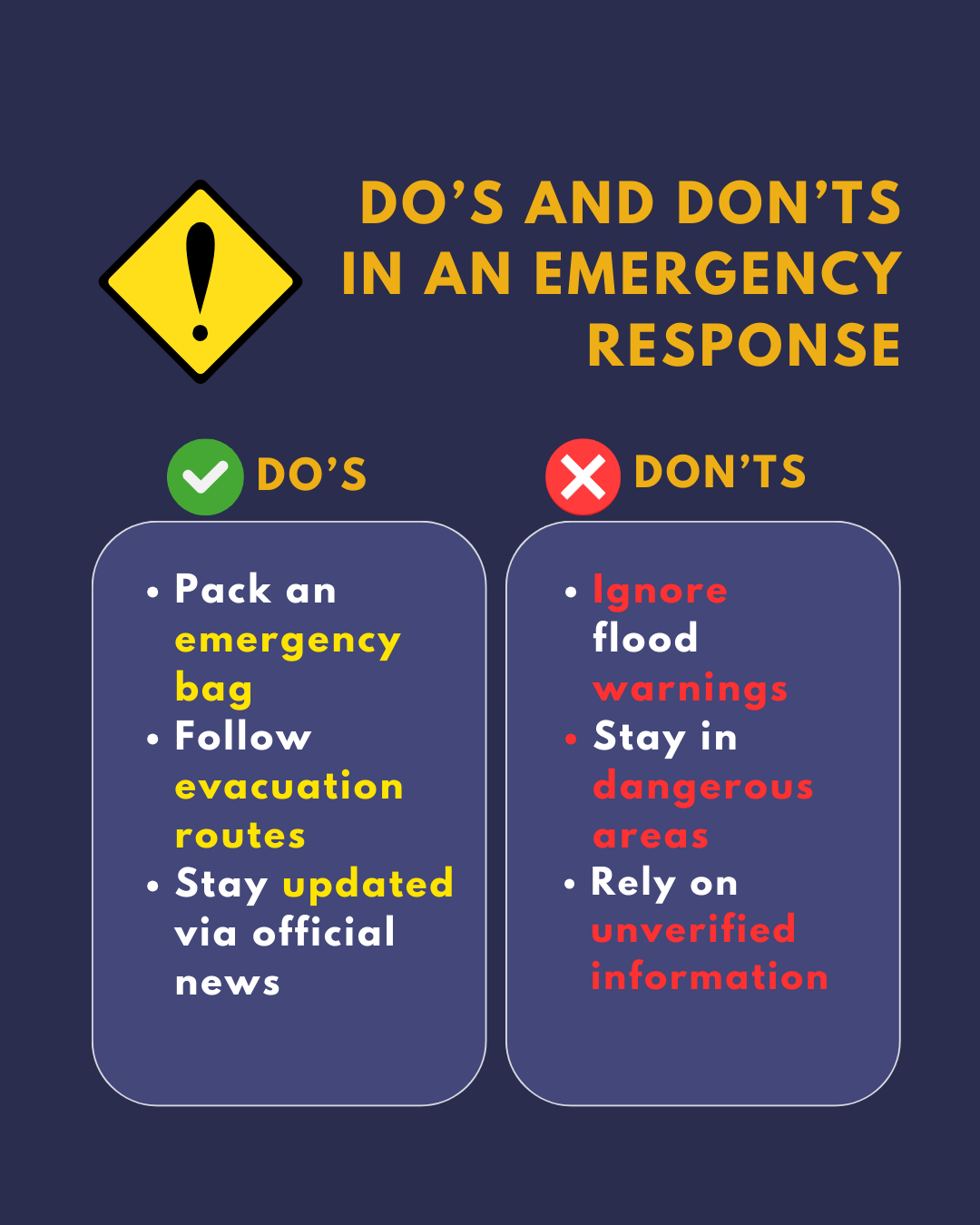
Essential emergency response tips: Pack an emergency bag, follow evacuation routes, stay updated, and avoid misinformation during crises
Explore more articles

Dari RAKAN Sarawak

Breakdown of JBALB Water Supply Projects
Looking into the updates on the projects by the Sarawak Rural Water Supply Department (JBALB) to achieve 100 per cent water coverage to rural Sarawak by 2030.
Dari RAKAN Sarawak

Premier Remains Steadfast in Advancing Sarawak
Six years has passed since he helmed the premiership. Yet, YAB Datuk Patinggi Tan Sri (Dr) Abang Haji Abdul Rahman Zohari bin Tun Datuk Abang Haji Openg’s drive to accelerate development in Sarawak has not lost its steam.
Dari RAKAN Sarawak

Limpahan Projek Pembangunan Di Daerah Gedong
Satu lagi projek yang tidak kurang penting yang telah pun memberi manfaat kepada penduduk dari aspek keselamatan ialah projek benteng hakisan Gedong.
Betong
Transformation of Spaoh into Becoming a Modern Agrohub
Betong, Sri Aman and parts of Sarikei has a huge potential to be the State food basket region and a net food exporter by 2030, constructing the airport is a logistic necessity if Sarawak is to export fresh food and farm products to the global market.
Dari RAKAN Sarawak
Conserving the ‘Lifeblood’ of Sarawak
Rivers are vital in driving socio-economic development. Among many other roles, they provide sources of fresh clean water, help generate hydroelectric energy, irrigate agricultural land, and acts as a foundation for new settlements.
Dari RAKAN Sarawak
Towards an Inclusive Education
Sarawak Government aspires to provide more education institutions for children with special needs, such as a vocational school and learning centres.