


Just innews timeline
- 1 day ago
- 2 days ago
- 3 days ago
- 4 days ago
- 5 days ago
- 6 days ago
- 1 week ago
- 1 week ago
- 1 week ago
- 1 week ago
- Advertisement -
Recent Articles
Galeri Foto | Photo Gallery

Yayasan Sarawak Nurtures Future Workforce
The modern facilities at Yayasan Sarawak International Secondary School provide students with a strong foundation. By offering world-class learning environments, the institution prepares talented youth to become skilled professionals who will drive Sarawak's economic growth forward.
Dari Sematan ke Merapok
Padawan: “Tiang Kukuh” Pembangunan di Kaki Bukit Penrissen
Padawan mempunyai potensi besar melalui industri pelancongan yang berkembang, warisan budaya yang kaya dan projek pertanian moden. Dengan jalan raya yang lebih baik dan peluasan digital, rantau ceria ini sememangnya bersedia menjadi contoh kejayaan luar bandar menjelang tahun 2030.
Galeri Foto | Photo Gallery
Sarawak Boosts Sustainable Cattle Farming
Farmers in Sarawak are actively embracing sustainable animal husbandry practices by carefully feeding cattle with fresh forage daily. This modern approach protects local resources, supports rural communities, and ensures healthy livestock production for future generations across the whole region today.
Dari RAKAN Sarawak
Sarawak Budget Digitalises Civil Service
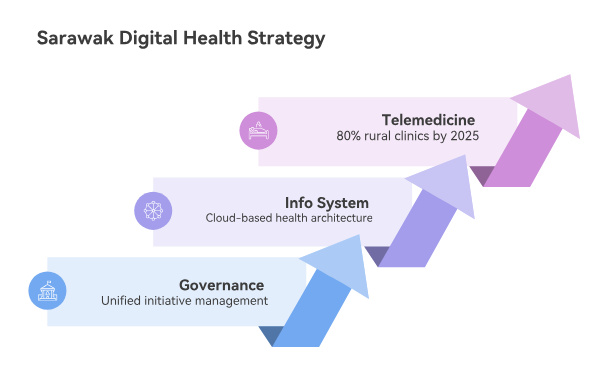
Sarawak Budget 2027 asks government agencies and civil servants to deliver public digital services, stronger data governance and cybersecurity, faster broadband and AI projects, while training staff and simplifying processes so residents and businesses across Sarawak feel real daily improvements.
Galeri Foto | Photo Gallery
Sarawak TVET Boosts Local Livelihoods
Sarawak strengthens local human capital by offering practical technical training through agencies like Sarawak Skills. With over 5,900 students and adults enrolled, these TVET programs empower residents with practical skills, achieving a remarkable 93 per cent graduate employability rate.
Economy
Together Building Prosperity and Securing Our Futures
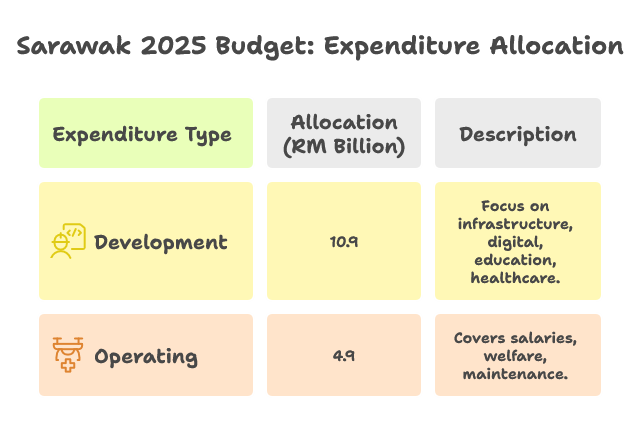
Sarawak’s 2027 Budget, tabled on 12 October 2026, plans record revenue of RM15.091 billion and a RM246 million surplus. It sets development spending at RM10.098 billion to improve infrastructure, human capital and new industries while shielding households from cost pressures.

discover
Infographic
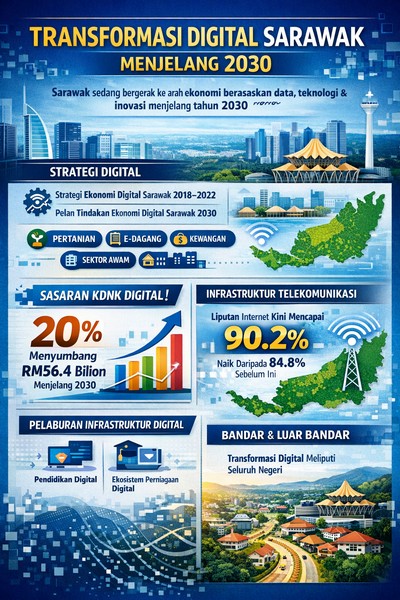
Infografik menunjukkan Transformasi Digital Sarawak Menjelang 2030
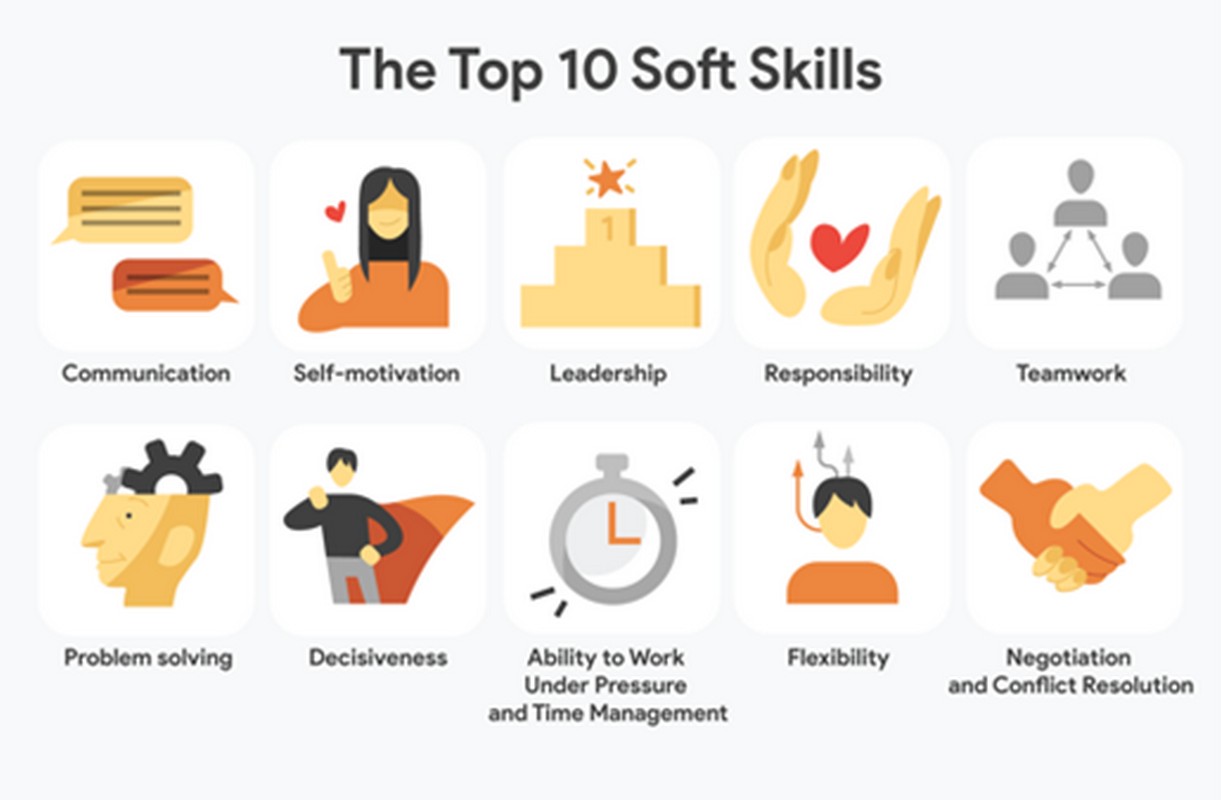
10 Soft Skills That Are Crucial for Work Readiness — Credit: NMD Training and Consultation
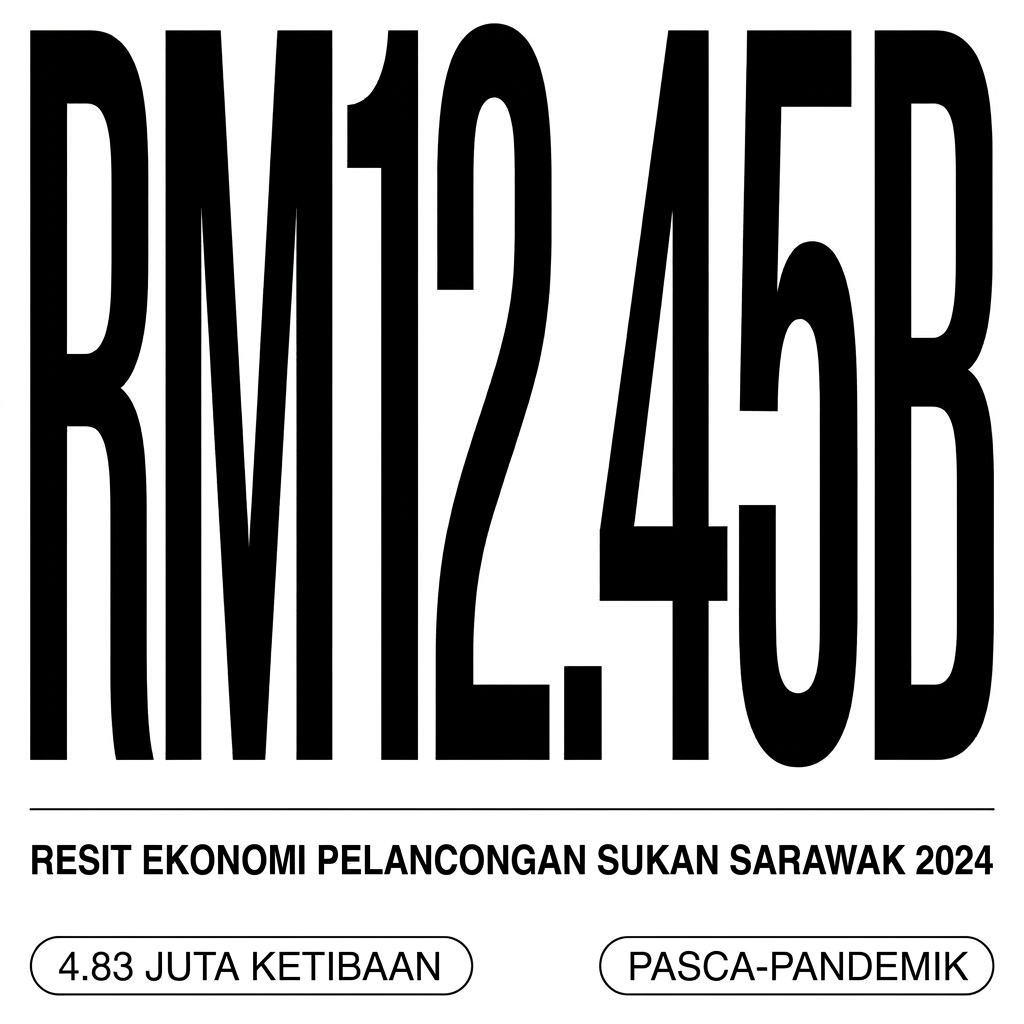
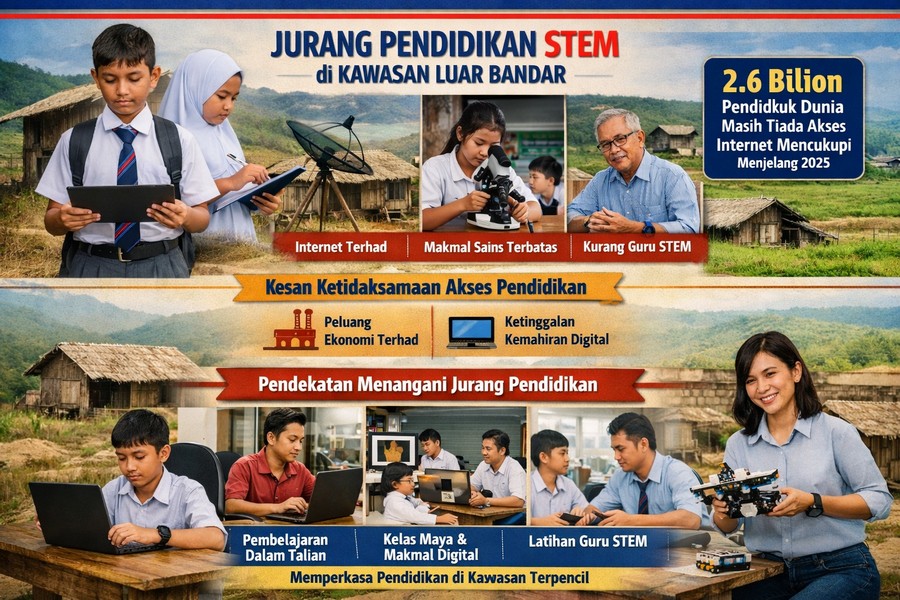
Tanpa akses kepada pendidikan STEM, pelajar luar bandar berisiko ketinggalan dalam ekonomi digital
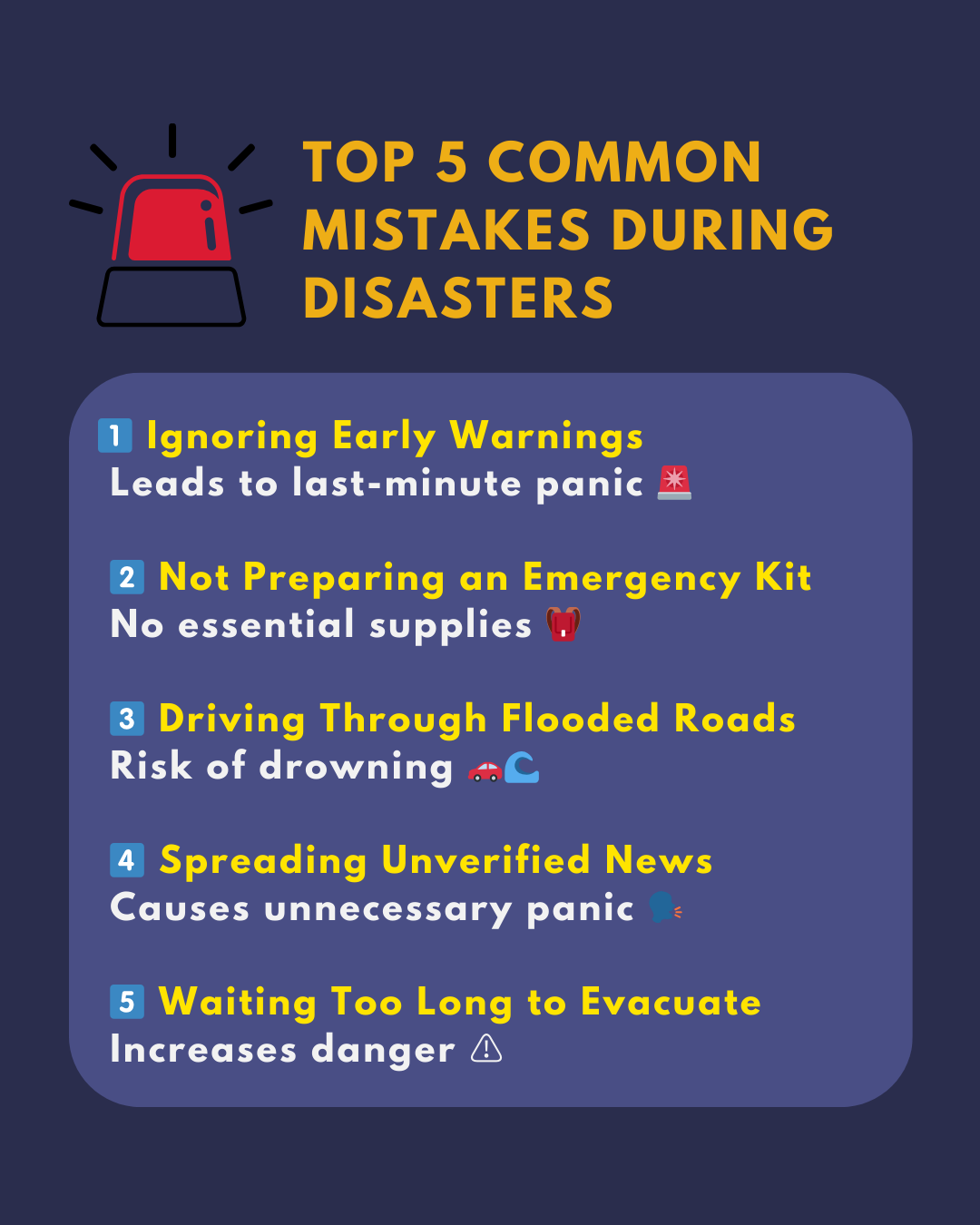
Avoid common disaster mistakes: Heed warnings, prepare an emergency kit, avoid flooded roads, verify news, and evacuate on time


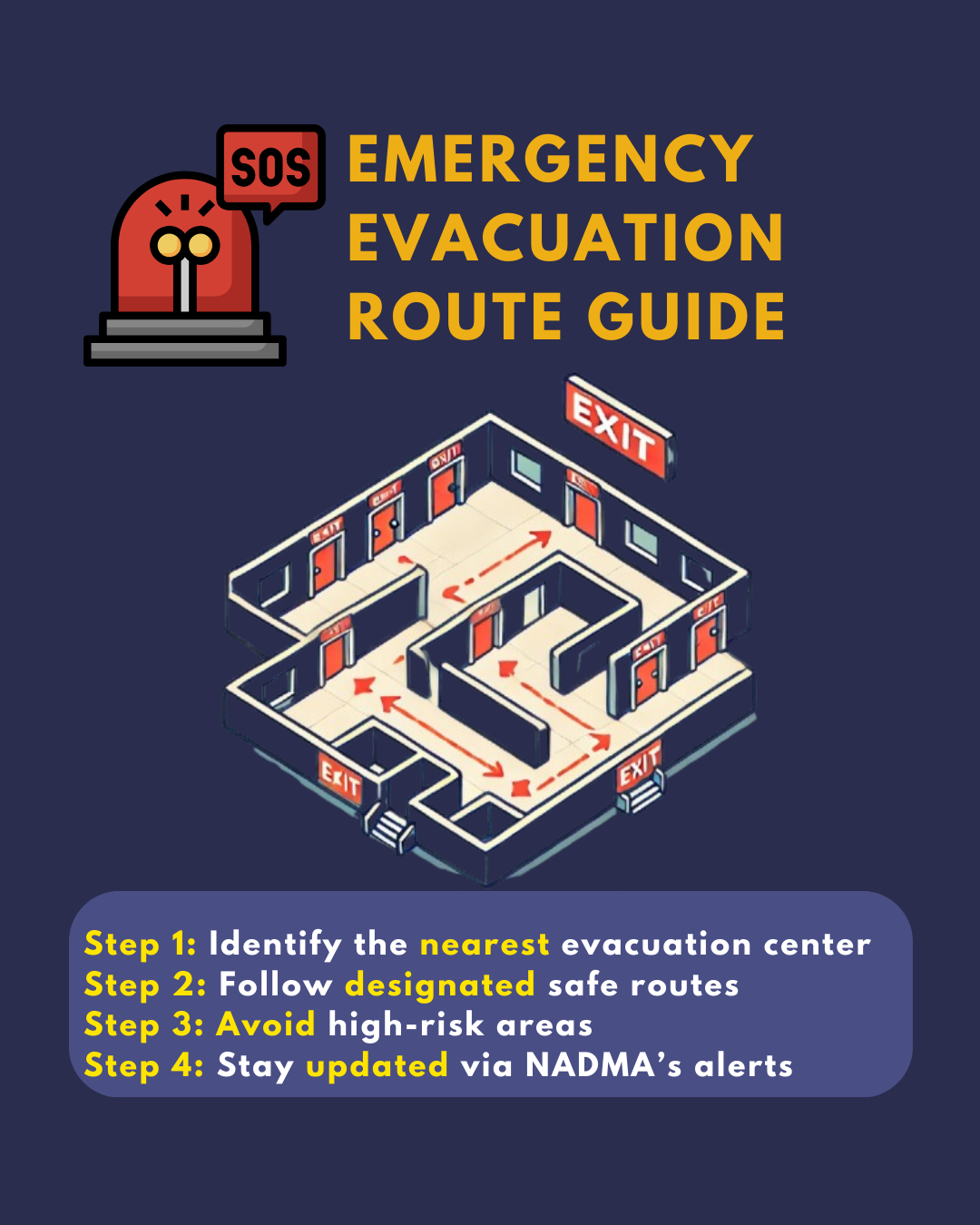
Emergency evacuation guide: Locate the nearest center, follow safe routes, avoid danger zones, and stay updated with NADMA alerts
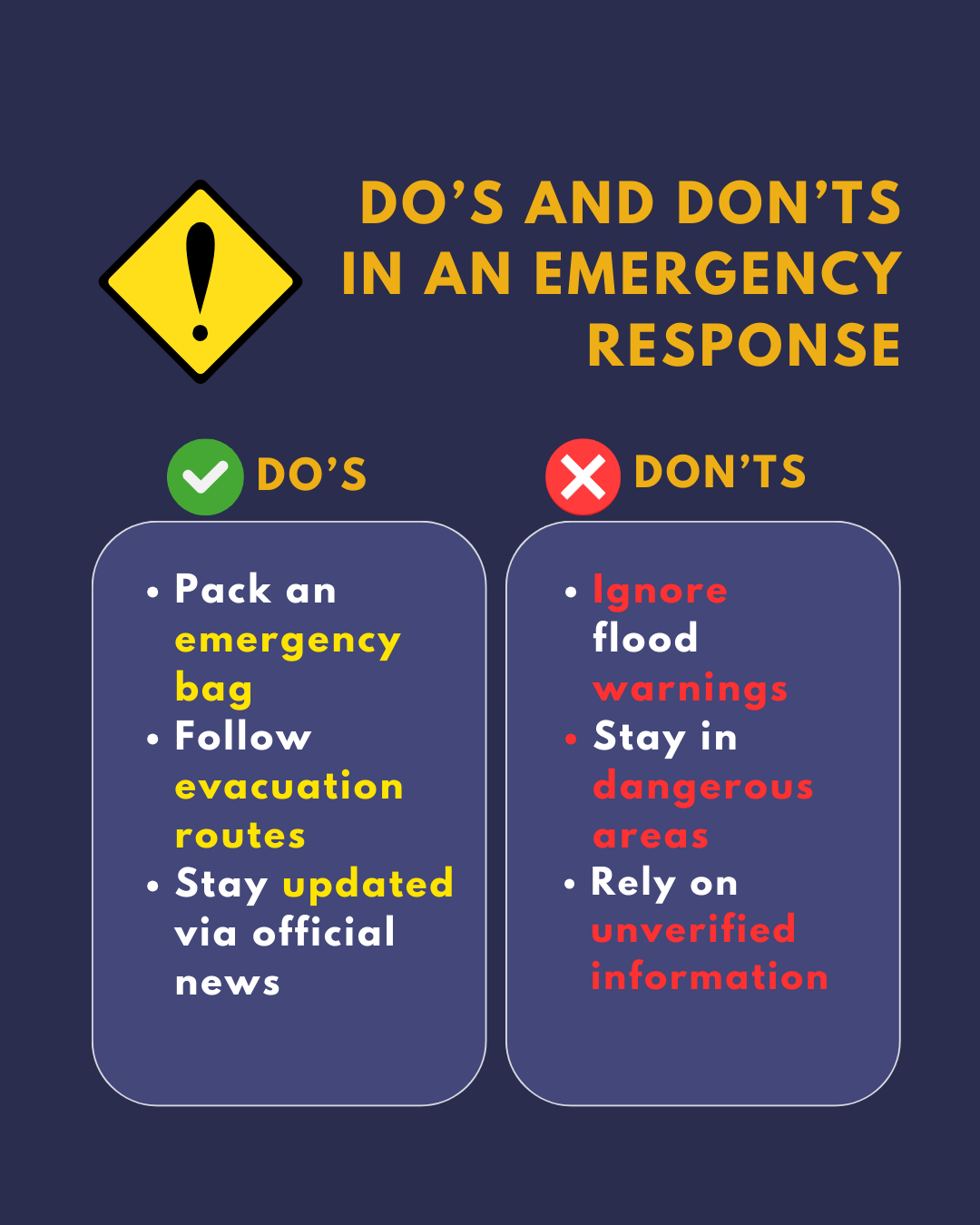
Essential emergency response tips: Pack an emergency bag, follow evacuation routes, stay updated, and avoid misinformation during crises
Explore more articles

Galeri Foto | Photo Gallery
Crafting Dreams into Beautiful Beads
Watch as true passion meets careful precision in this beautiful ceramic bead painting demonstration from Kraftangan Malaysia, Sarawak Branch. Every delicate stroke celebrates rich heritage, empowers local entrepreneurship, and transforms simple beads into truly cherished treasures worth sharing worldwide today.
Lestari
Women’s Leadership Builds Peaceful Resilience
Women are climate leaders, carers, and knowledge holders. ASEAN and Malaysia commit to Women, Peace and Security. Sarawak indigenous women hold vital knowledge. Global examples show women-led adaptation works. Include women in planning, funding, and decisions for safer, stronger communities.
Galeri Foto | Photo Gallery
Clean Water Empowers Children To Thrive
Access to clean water is essential for every child's healthy development. It prevents disease, supports learning, and fuels joyful play. Teaching water conservation literacy empowers children to protect this precious resource. Together, we can build a sustainable, hopeful future where every child thrives.
Berita dari Putrajaya
Reshaping Malaysia’s Civil Service for a Performance-Driven Future
Malaysia's ILTIZAM framework drives civil service innovation by shifting from procedural compliance to outcome-based performance, leveraging digitalisation and legislative mandates to foster a culture of continuous improvement, transparency, and user-centric service delivery, transforming civil servants into architects of public value.
Galeri Foto | Photo Gallery
Crossing the River to Learn
Every morning, rural children cross muddy rivers by small boat to reach school. They face strong currents, storms and scarce life jackets. Yet they keep going, because education offers their families a way out of poverty.
Dari RAKAN Sarawak
Sarawak Battles Rising Digital Misinformation
Sarawak is fighting a growing wave of online fake news and digital scams. The state government is building strong digital literacy programmes to protect all citizens. This ensures rural communities stay safe from harmful misinformation while enjoying modern internet connectivity.