


Just innews timeline
- 1 day ago
- 2 days ago
- 3 days ago
- 4 days ago
- 5 days ago
- 6 days ago
- 1 week ago
- 1 week ago
- 1 week ago
- 1 week ago
- Advertisement -
Recent Articles
Galeri Foto | Photo Gallery

Crossing the River to Learn
Every morning, rural children cross muddy rivers by small boat to reach school. They face strong currents, storms and scarce life jackets. Yet they keep going, because education offers their families a way out of poverty.
Dari RAKAN Sarawak
Sarawak Battles Rising Digital Misinformation
Sarawak is fighting a growing wave of online fake news and digital scams. The state government is building strong digital literacy programmes to protect all citizens. This ensures rural communities stay safe from harmful misinformation while enjoying modern internet connectivity.
Galeri Foto | Photo Gallery
Sarawak Pioneers Green Hydrogen Future
Sarawak is launching huge green hydrogen projects to create clean power. The new facilities will yield massive amounts of renewable fuel every single year. This exciting effort brings local jobs and will generate twelve billion ringgit by the year 2030.
Dari RAKAN Sarawak
Sarawak Heritage Needs Grassroots Support
Sarawak has made strong progress in living heritage through legal protection, funding and craft revival. Yet gaps remain in access, daily transmission, protection, geography and youth involvement. A simple village micro-circle proposal could help heritage survive through regular elder-guided practice.
Galeri Foto | Photo Gallery
Water into Wealth
Sarawak extracts clean hydrogen gas from water using renewable solar power. Securing four billion dollars in investments, advanced facilities will produce 240,000 tonnes yearly. Exporting green fuel aims for foreign income, creating sustainable wealth and prosperity for Sarawak.
Dari RAKAN Sarawak
Sarawak Overhauls State Enterprise Governance
Sarawak is transforming its state-owned enterprises to boost economic growth and improve overall corporate governance. This new programme aims to make these organisations financially independent and highly profitable by the year 2030 through strict accountability and major strategic reforms.

discover
Infographic
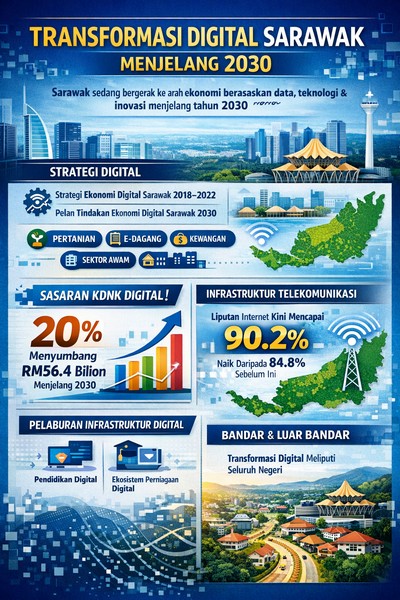
Infografik menunjukkan Transformasi Digital Sarawak Menjelang 2030
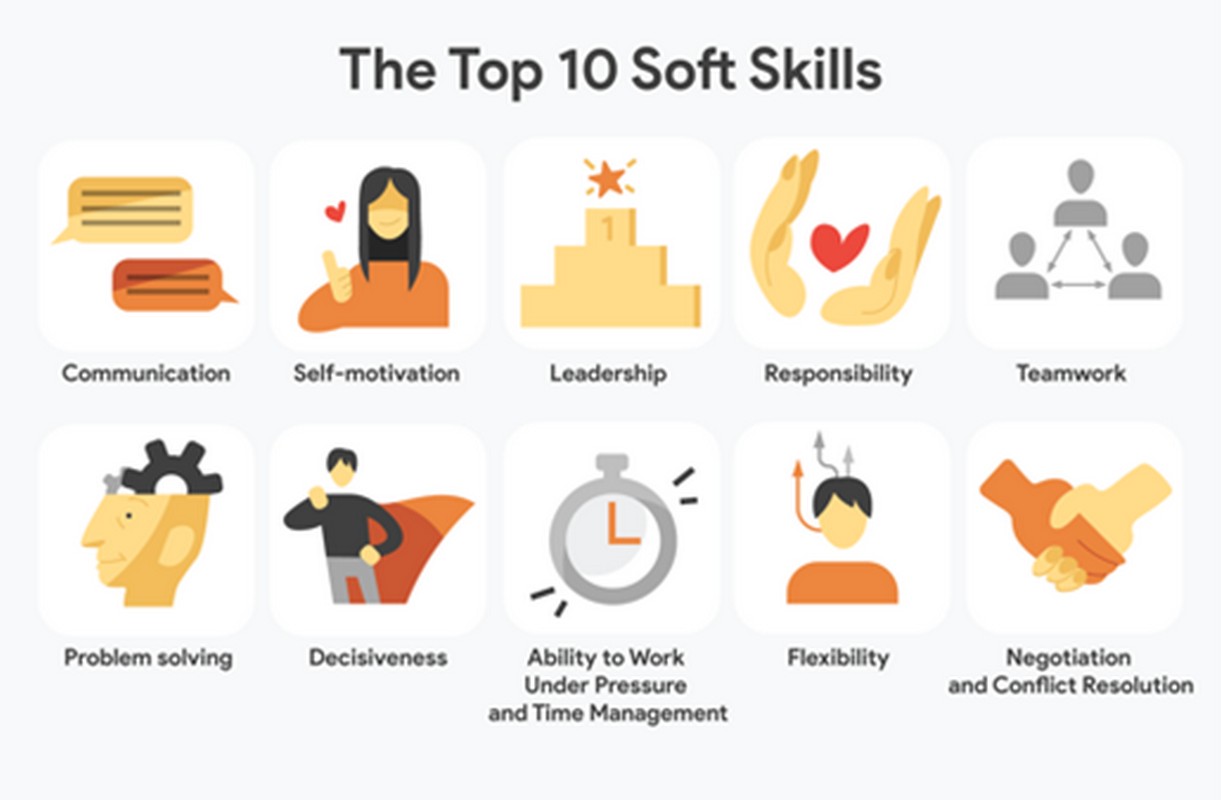
10 Soft Skills That Are Crucial for Work Readiness — Credit: NMD Training and Consultation
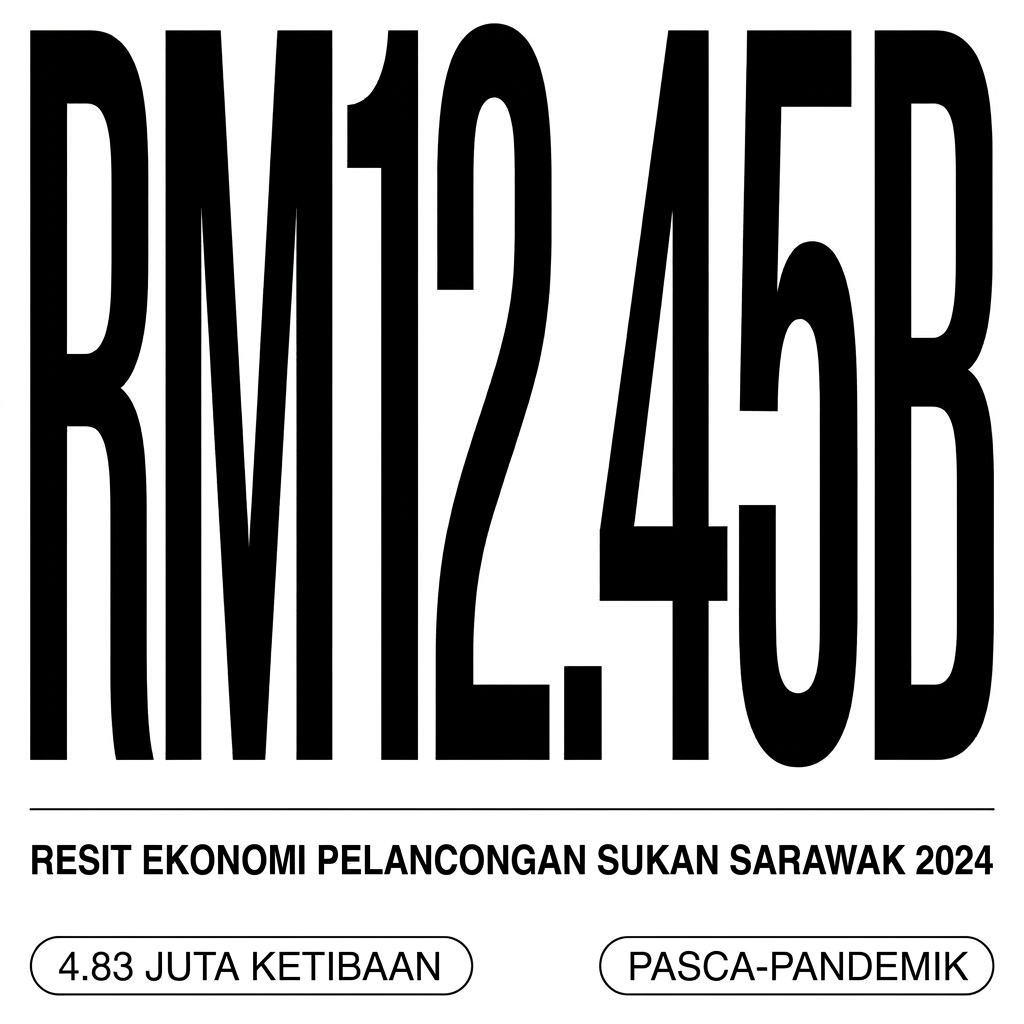
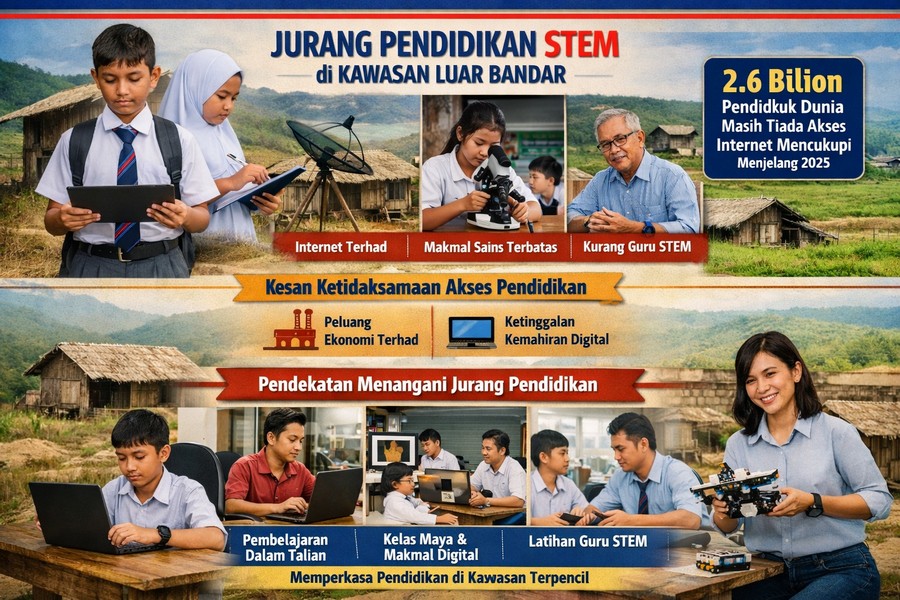
Tanpa akses kepada pendidikan STEM, pelajar luar bandar berisiko ketinggalan dalam ekonomi digital
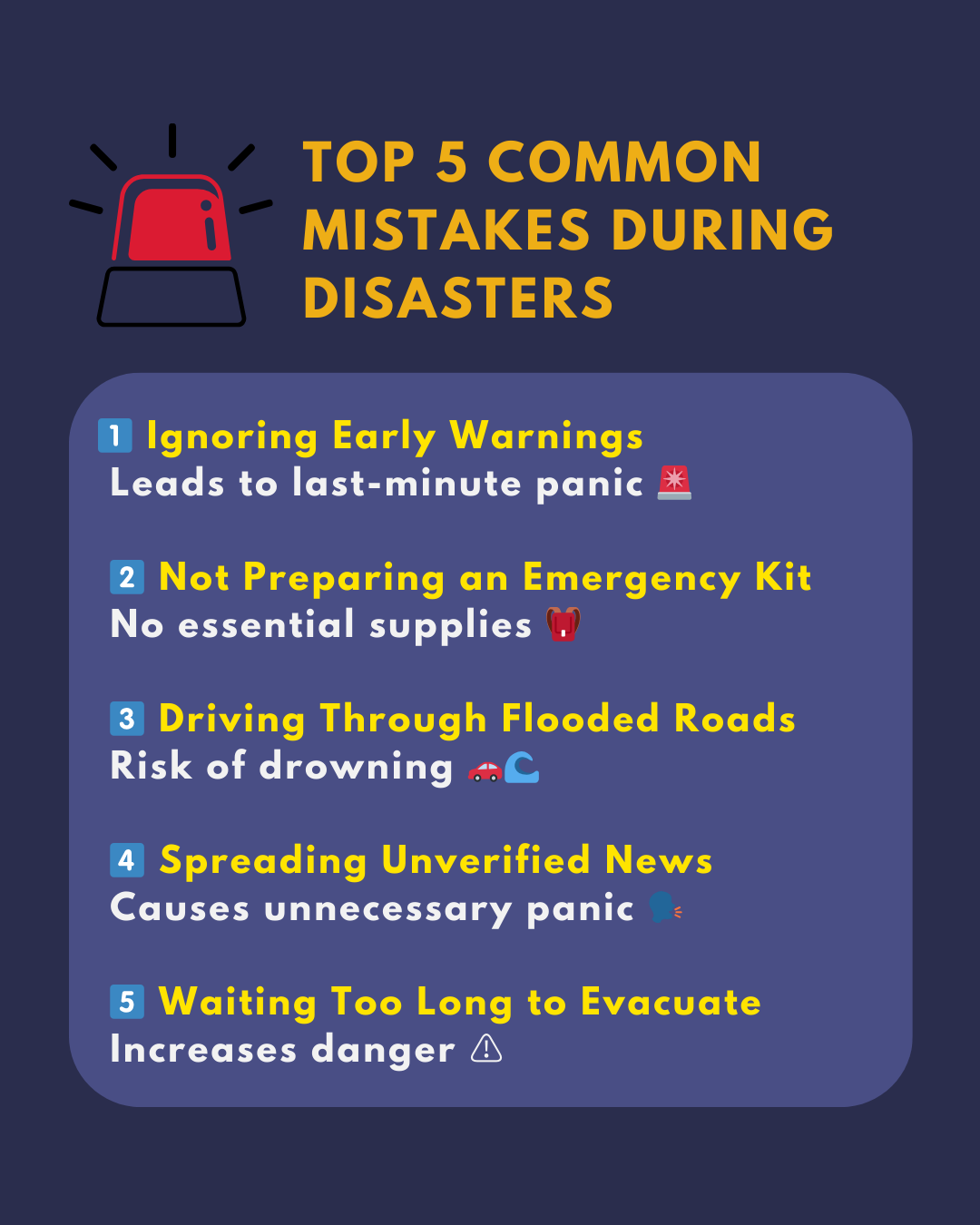
Avoid common disaster mistakes: Heed warnings, prepare an emergency kit, avoid flooded roads, verify news, and evacuate on time


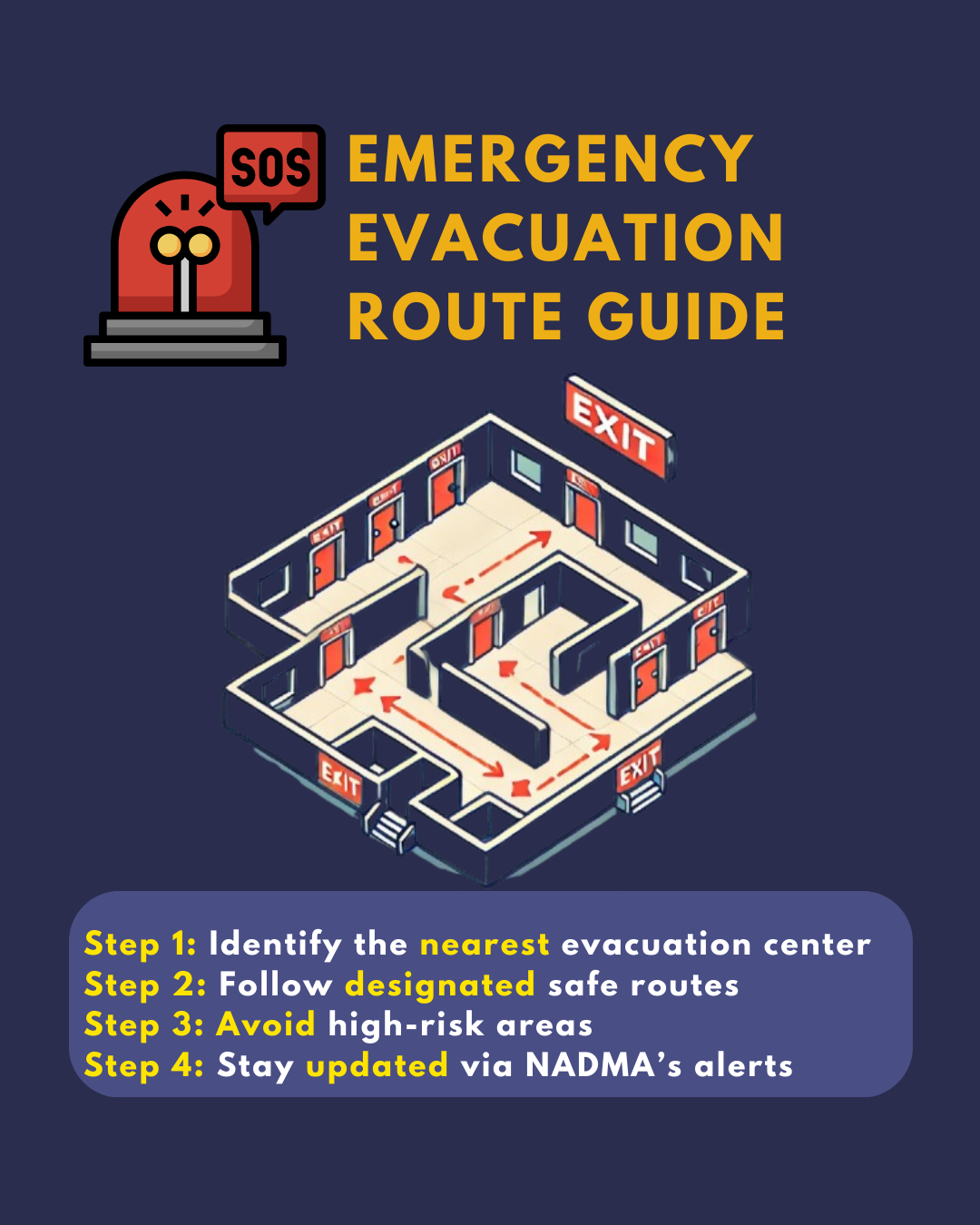
Emergency evacuation guide: Locate the nearest center, follow safe routes, avoid danger zones, and stay updated with NADMA alerts
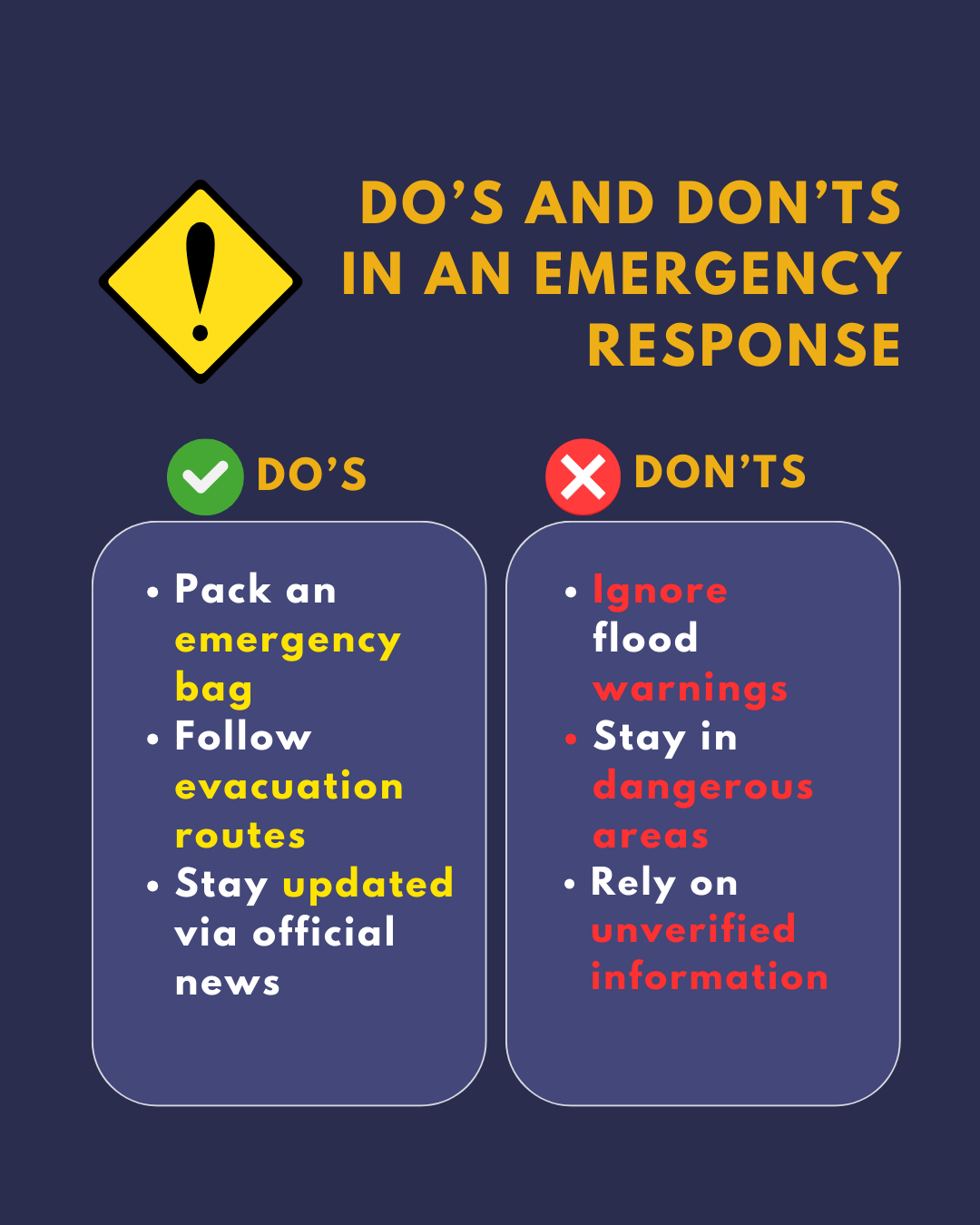
Essential emergency response tips: Pack an emergency bag, follow evacuation routes, stay updated, and avoid misinformation during crises
Explore more articles

Dari RAKAN Sarawak
Digital Sovereignty and Citizen Protection
Malaysia's Dewan Rakyat passed the Cyber Security Bill 2026, replacing outdated laws to combat surging cybercrime. While hailed as a game-changer, fierce debate exposed tensions over warrantless surveillance, privacy intrusions, and protecting fundamental rights versus enforcement needs.
Dari RAKAN Sarawak
A Bridge Is Only the Beginning
The bridge is an engineering triumph, yet its legacy depends not on concrete but on cultivating human capital, ensuring capital access, and bridging the digital divide to transform rural livelihoods beyond mere connectivity.
Dari RAKAN Sarawak
Uniting Diversity, Enriching Lives Through Sarawak’s Vibrant Arts
Grounded in the Premier's directive to unite diversity, Majlis Seni Sarawak harnesses the arts as a unifying force. Through festivals and cultural programmes, it bridges ethnic divides, fostering social cohesion and reinforcing Sarawak’s shared identity of solidarity and racial harmony.
Galeri Foto | Photo Gallery

Muzium Warisan Industri Limbungan Brooke Kekal Reka Bentuk Asal
Salah satu ruang rehat di Muzium Warisan Industri Limbungan Brooke ini dahulunya merupakan sebuah dermaga untuk kapal berlabuh.
Ruang ini direka semula dengan hiasan siling...
Dari Sematan ke Merapok
Tebedu’s Transformative Journey
In July 2026, Tebedu breaks ground on its RM5 million Dataran Mutiara square, funded by GKCDA, due October 2027. This new major hub revitalizes Sarawak's key border town, spurred by Nusantara, boosting local agriculture, cross-border trade, and Bidayuh cultural pride.
Dari RAKAN Sarawak
Bridging the Divide
Sarawak's RM11 billion bridge network is a strategic investment dismantling logistical barriers, catalysing agricultural modernization, and enforcing food security policies. This infrastructure, funded independently, directly connects rural producers to markets, slashing transport costs and time. It is a calculated step towards achieving high-income status and shared prosperity by 2030.