


Just innews timeline
- 4 weeks ago
- 1 month ago
- 1 month ago
- 1 month ago
- 1 month ago
- 1 month ago
- 1 month ago
- 2 months ago
- 2 months ago
- 2 months ago
- Advertisement -
Recent Articles
Dari RAKAN Sarawak

Inclusive Neutral Ground for Community Resilience and Connection
Accessible, levelling community hubs where conversation and creativity foster authentic bonds, resilience, and offer nurturing refuge from daily pressures. These inclusive settings bridge divides, empowering everyday support networks and translating inclusive policies into tangible, lasting human connections, strengthening overall well-being.
Dari RAKAN Sarawak
Agriculture As A Sustainable, Inclusive, And Well-Governed Business
Sarawak's agribusiness transformation advances through strategic agro-parks and digital innovation, yet governance gaps in contract farming, Native Customary Rights tenure, and fragmented execution constrain inclusive growth. Achieving sustainable, well-governed business requires institutional consolidation, tenure reform, and full alignment with SDG and ESG principles to realise rural prosperity.
Dari RAKAN Sarawak
Aligning Sarawak’s Agribusiness with SDG and ESG Principles for Global Market Access
Sarawak's agribusiness transformation must integrate Sustainable Development Goals and ESG principles to access premium international markets, yet systematic alignment with poverty reduction, climate action, environmental stewardship, and social inclusion targets reveals uncomfortable gaps that demand urgent policy attention and institutional reform.
Dari RAKAN Sarawak

Sarawak’s Agricultural Ambitions From Policy to Practice
Sarawak's agricultural transformation faces critical execution challenges as institutional fragmentation, aging extension services, inadequate market access infrastructure, and neglect of local agri-SMEs undermine the Premier's vision of a commercially vibrant, high-income farming sector capable of achieving net food exporter status by 2030.
Dari RAKAN Sarawak
Agriculture as Business: Sarawak’s Farm Sector Transformation
Sarawak's ambitious agribusiness transformation under PCDS 2030 has delivered measurable economic gains, with the sector contributing RM15.1 billion to state GDP in 2024 and employing 247,400 people, yet persistent governance gaps in contract farming, NCR land tenure, and institutional fragmentation threaten to confine progress to isolated pockets rather than achieve broad-based rural prosperity.
Dari RAKAN Sarawak
The Action Agenda for Transformative Change
The Bumiputera Economic Congress 2024 resolutions for Sarawak set measurable targets, including listings and enterprise upgrades, backed by collaborative implementation, TERAJU financing, and strategic communication. Execution demands political will to ensure inclusive, transformative, and sustainable economic participation for all Sarawakians.
discover
Infographic
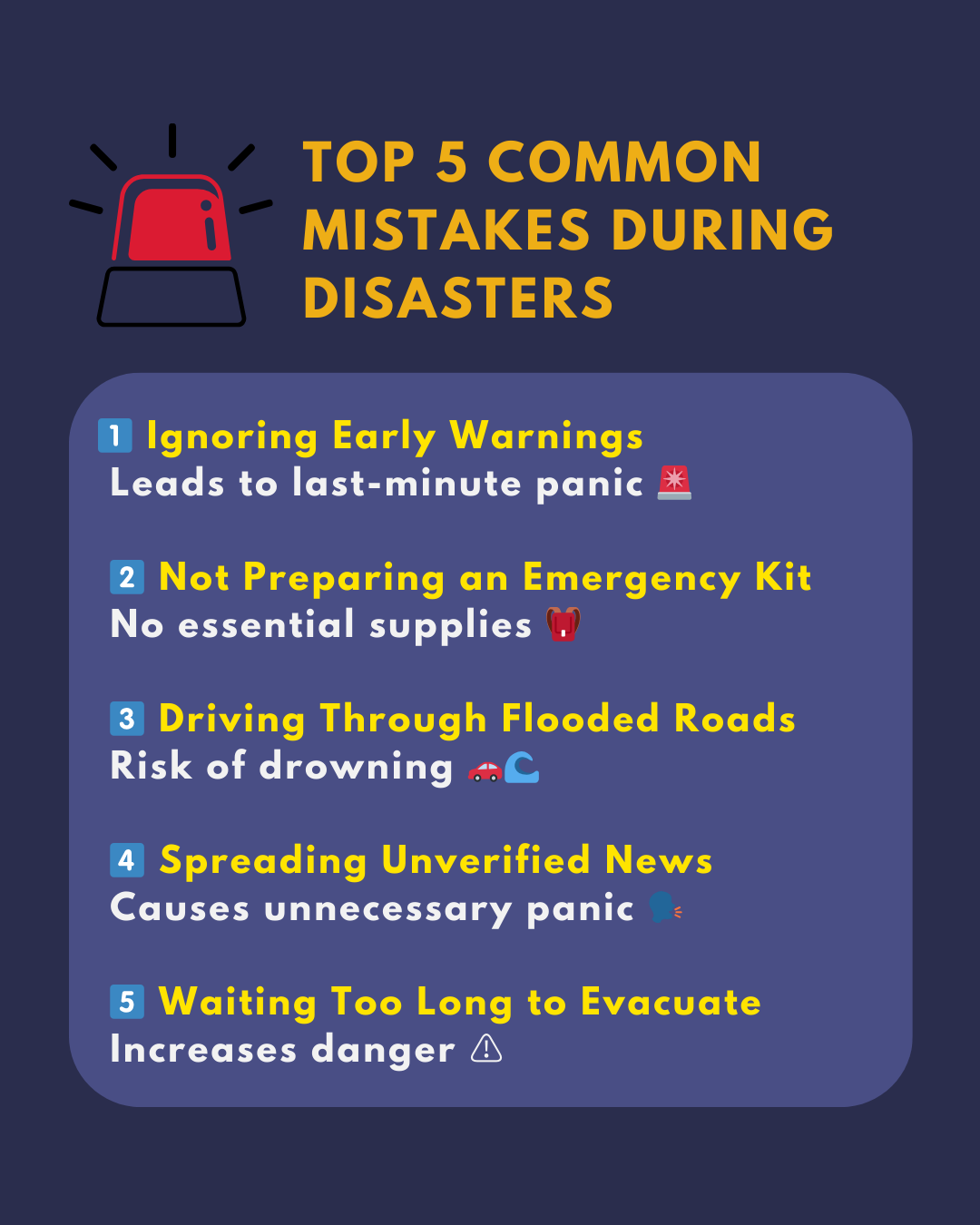
Avoid common disaster mistakes: Heed warnings, prepare an emergency kit, avoid flooded roads, verify news, and evacuate on time


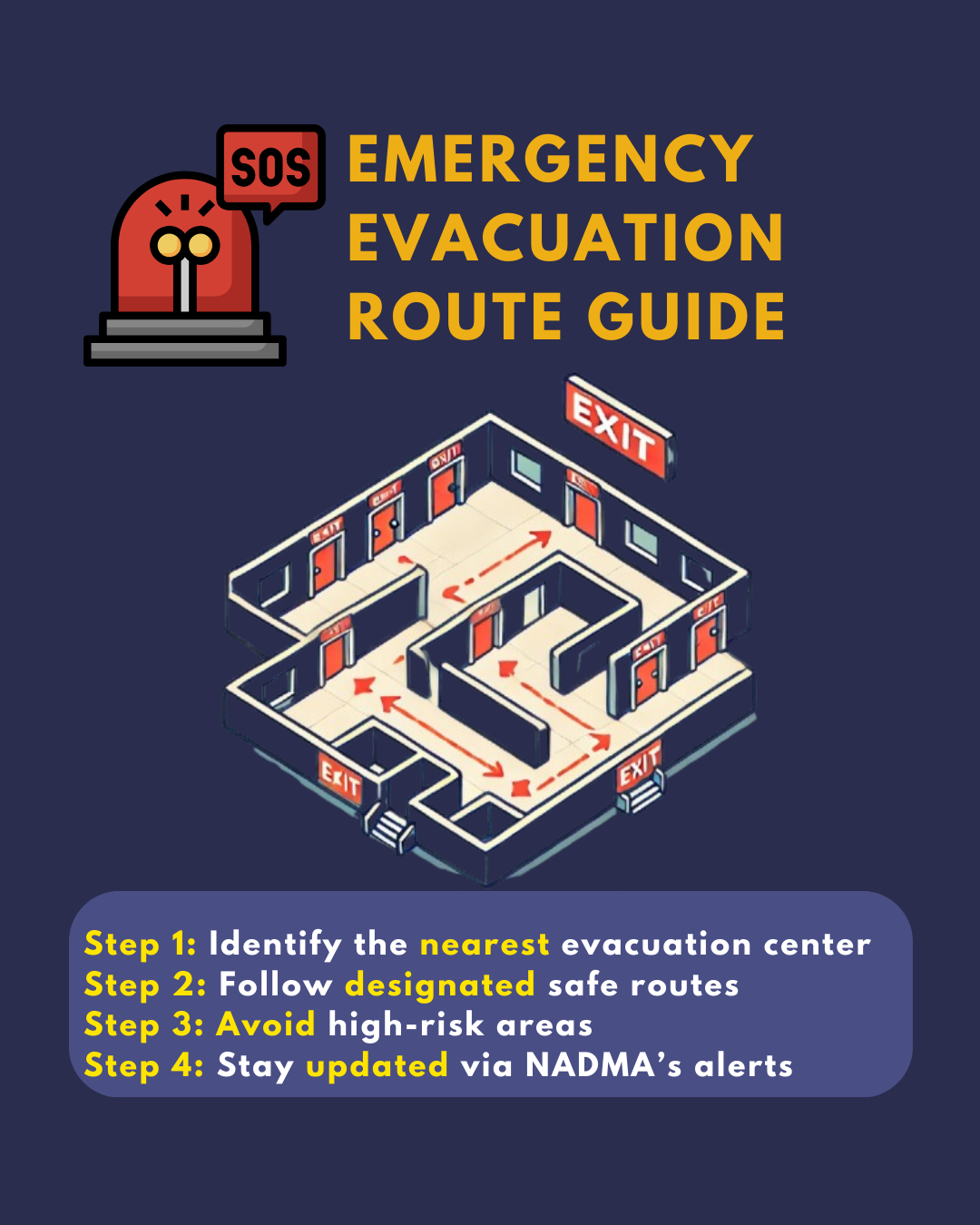
Emergency evacuation guide: Locate the nearest center, follow safe routes, avoid danger zones, and stay updated with NADMA alerts
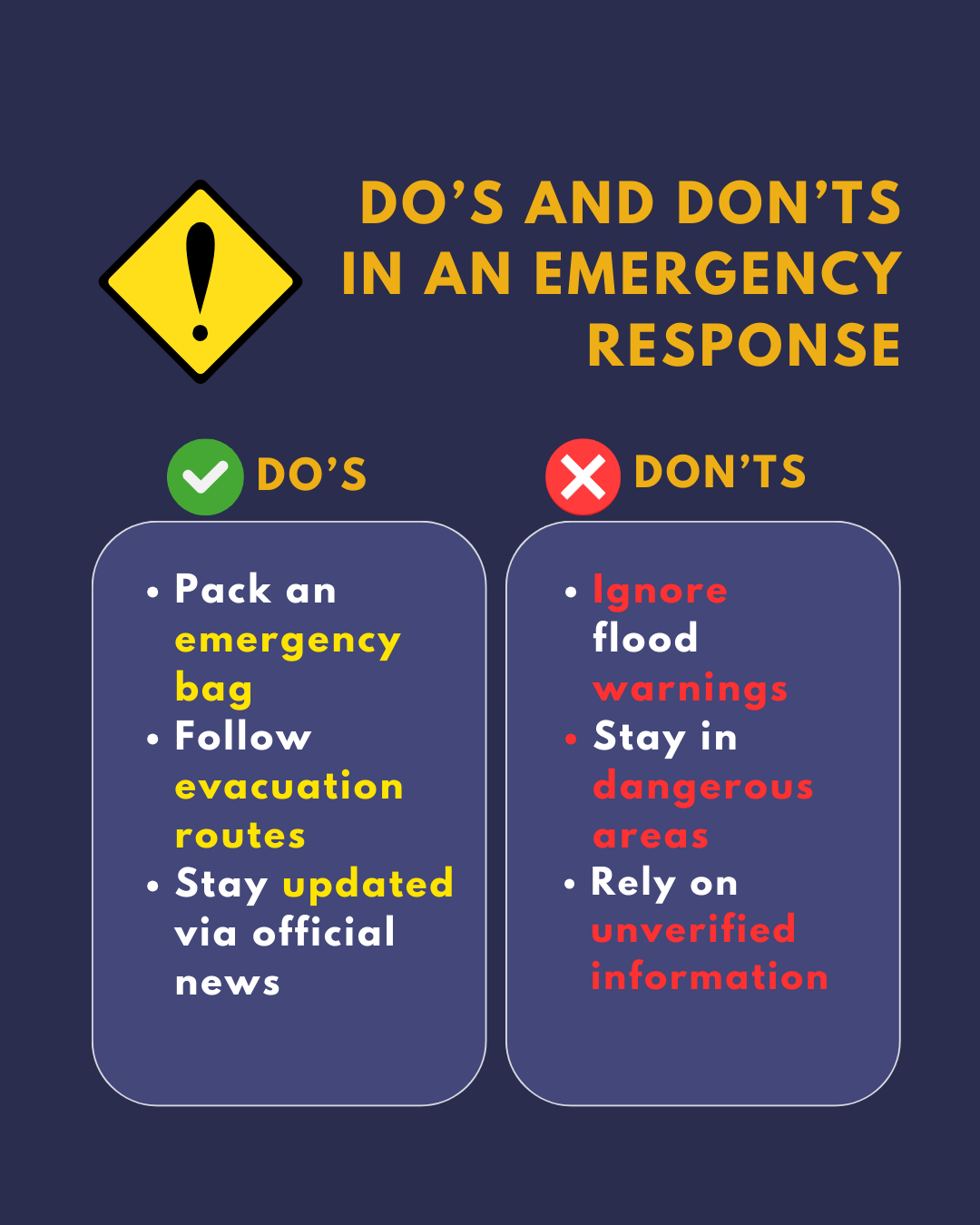
Essential emergency response tips: Pack an emergency bag, follow evacuation routes, stay updated, and avoid misinformation during crises
Explore more articles

Dari RAKAN Sarawak

Challenges and Obstacles to Implementing Innovation in Malaysia’s Public Service
Examining the challenges hindering innovation in Malaysia’s public service, including bureaucracy, leadership gaps, and resource limitations, while offering recommendations to improve innovation efforts, including flexible work structures.
Dari RAKAN Sarawak

Kesedaran Keselamatan dan Kesihatan Pekerjaan Dalam Perkhidmatan Awam
Kesedaran tentang Keselamatan dan Kesihatan Pekerjaan (KKP) di tempat kerja termasuk dalam sektor Perkhidmatan Awam perlu dipertingkatkan memandangkan ia boleh mempengaruhi produktiviti dan kesejahteraan pekerja.
Dari RAKAN Sarawak
Innovation Catalyst for Public Service Transformation
Exploring the transformative role of innovation in Malaysia's public service, highlighting key initiatives, challenges, and Sarawak’s efforts to enhance efficiency, citizen engagement, and overall service delivery.
Dari RAKAN Sarawak
Keselamatan dan Kesihatan Pekerjaan Sektor Awam
Keselamatan dan Kesihatan Pekerjaan (KKP) memainkan peranan penting dalam memastikan kesejahteraan dan keselamatan pekerja di pelbagai sektor, termasuk sektor perkhidmatan awam.
Dari RAKAN Sarawak
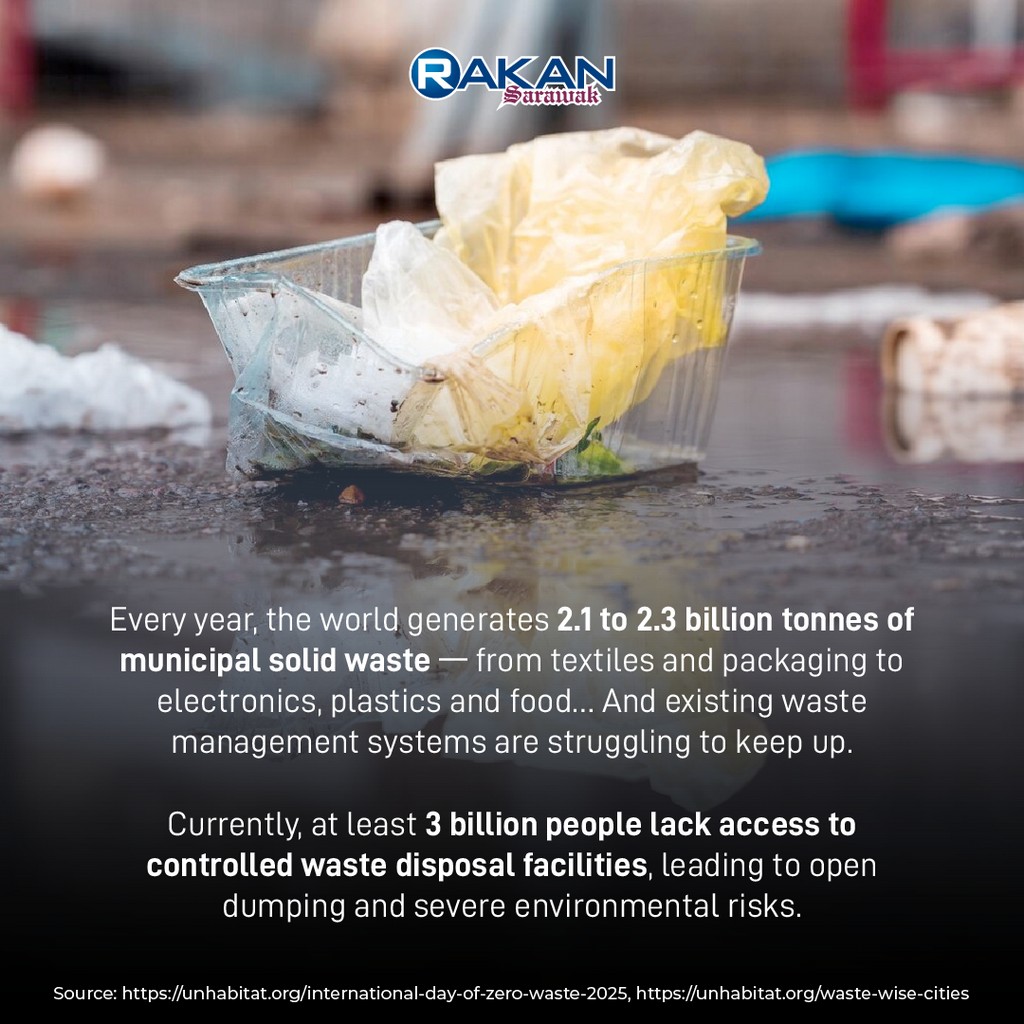
Solid Waste Management (SWM): Challenges, Opportunities, and Community Involvement
Examining solid waste management in Sarawak, addressing its challenges, opportunities, and the community’s role in fostering sustainable practices to improve recycling, waste infrastructure, and environmental awareness in the region.
Dari RAKAN Sarawak
Projek Agropolitan Pemangkin Kemajuan Sektor Pertanian
Konsep projek Agropolitan mula diperkenalkan semasa tertubuhnya pembangunan Wilayah Ekonomi Pantai Timur (ECER) dalam Rancangan Malaysia Kesembilan (RMK9) yang bermatlamat untuk menghapuskan golongan miskin tegar selain untuk membangunkan kawasan tersebut.