

Just innews timeline
- 1 day ago
- 2 days ago
- 3 days ago
- 4 days ago
- 5 days ago
- 6 days ago
- 1 week ago
- 1 week ago
- 1 week ago
- 1 week ago
- Advertisement -
Recent Articles
Galeri Foto | Photo Gallery

Crossing the River to Learn
Every morning, rural children cross muddy rivers by small boat to reach school. They face strong currents, storms and scarce life jackets. Yet they keep going, because education offers their families a way out of poverty.
Dari RAKAN Sarawak
Sarawak Battles Rising Digital Misinformation
Sarawak is fighting a growing wave of online fake news and digital scams. The state government is building strong digital literacy programmes to protect all citizens. This ensures rural communities stay safe from harmful misinformation while enjoying modern internet connectivity.
Galeri Foto | Photo Gallery
Sarawak Pioneers Green Hydrogen Future
Sarawak is launching huge green hydrogen projects to create clean power. The new facilities will yield massive amounts of renewable fuel every single year. This exciting effort brings local jobs and will generate twelve billion ringgit by the year 2030.
Dari RAKAN Sarawak
Sarawak Heritage Needs Grassroots Support
Sarawak has made strong progress in living heritage through legal protection, funding and craft revival. Yet gaps remain in access, daily transmission, protection, geography and youth involvement. A simple village micro-circle proposal could help heritage survive through regular elder-guided practice.
Galeri Foto | Photo Gallery
Water into Wealth
Sarawak extracts clean hydrogen gas from water using renewable solar power. Securing four billion dollars in investments, advanced facilities will produce 240,000 tonnes yearly. Exporting green fuel aims for foreign income, creating sustainable wealth and prosperity for Sarawak.
Dari RAKAN Sarawak
Sarawak Overhauls State Enterprise Governance
Sarawak is transforming its state-owned enterprises to boost economic growth and improve overall corporate governance. This new programme aims to make these organisations financially independent and highly profitable by the year 2030 through strict accountability and major strategic reforms.

discover
Infographic
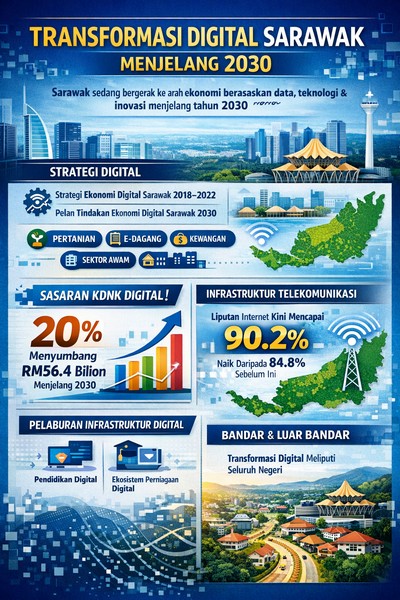
Infografik menunjukkan Transformasi Digital Sarawak Menjelang 2030
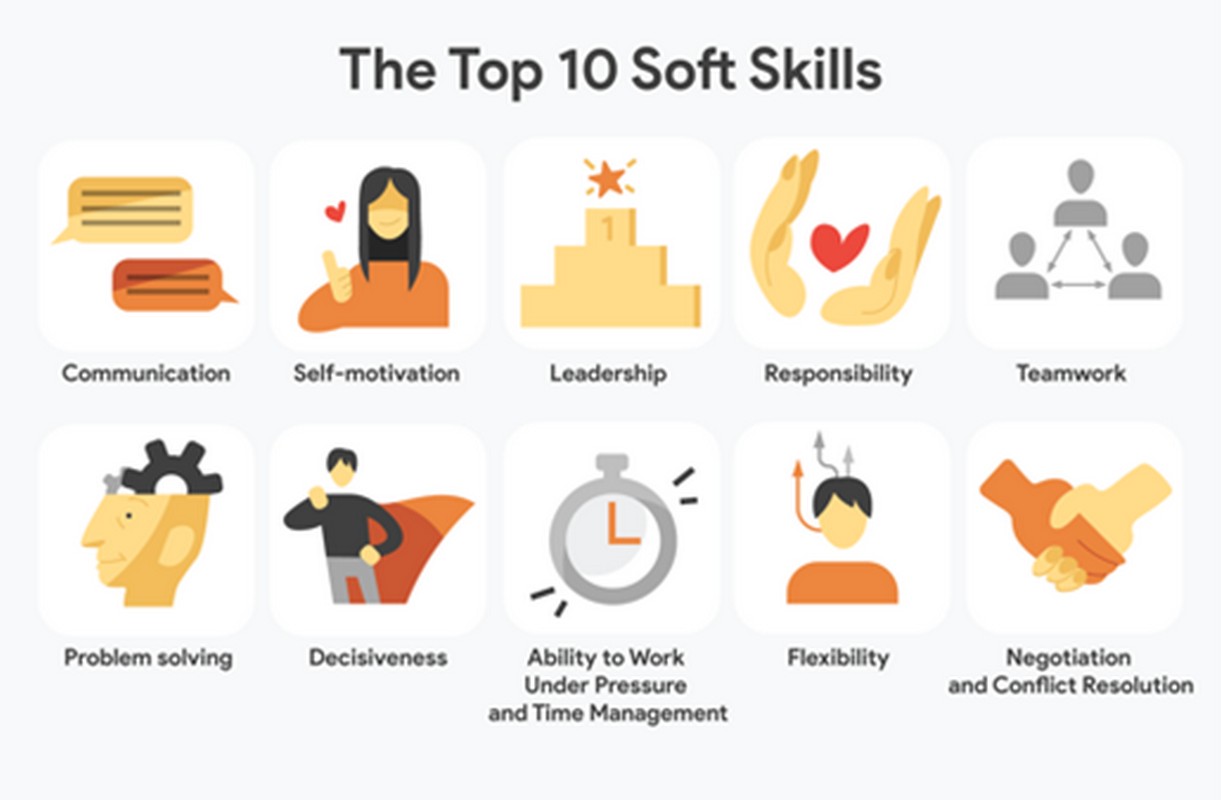
10 Soft Skills That Are Crucial for Work Readiness — Credit: NMD Training and Consultation
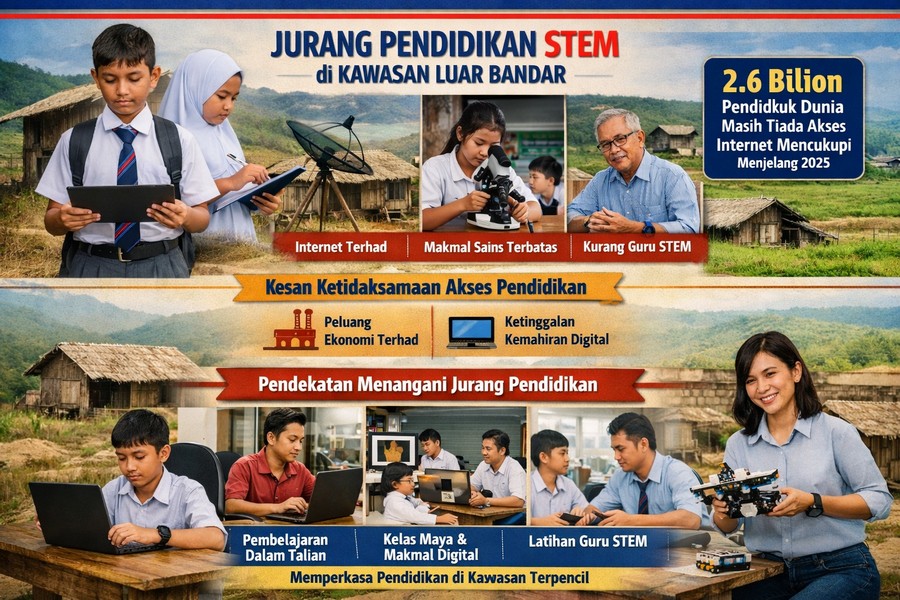
Tanpa akses kepada pendidikan STEM, pelajar luar bandar berisiko ketinggalan dalam ekonomi digital
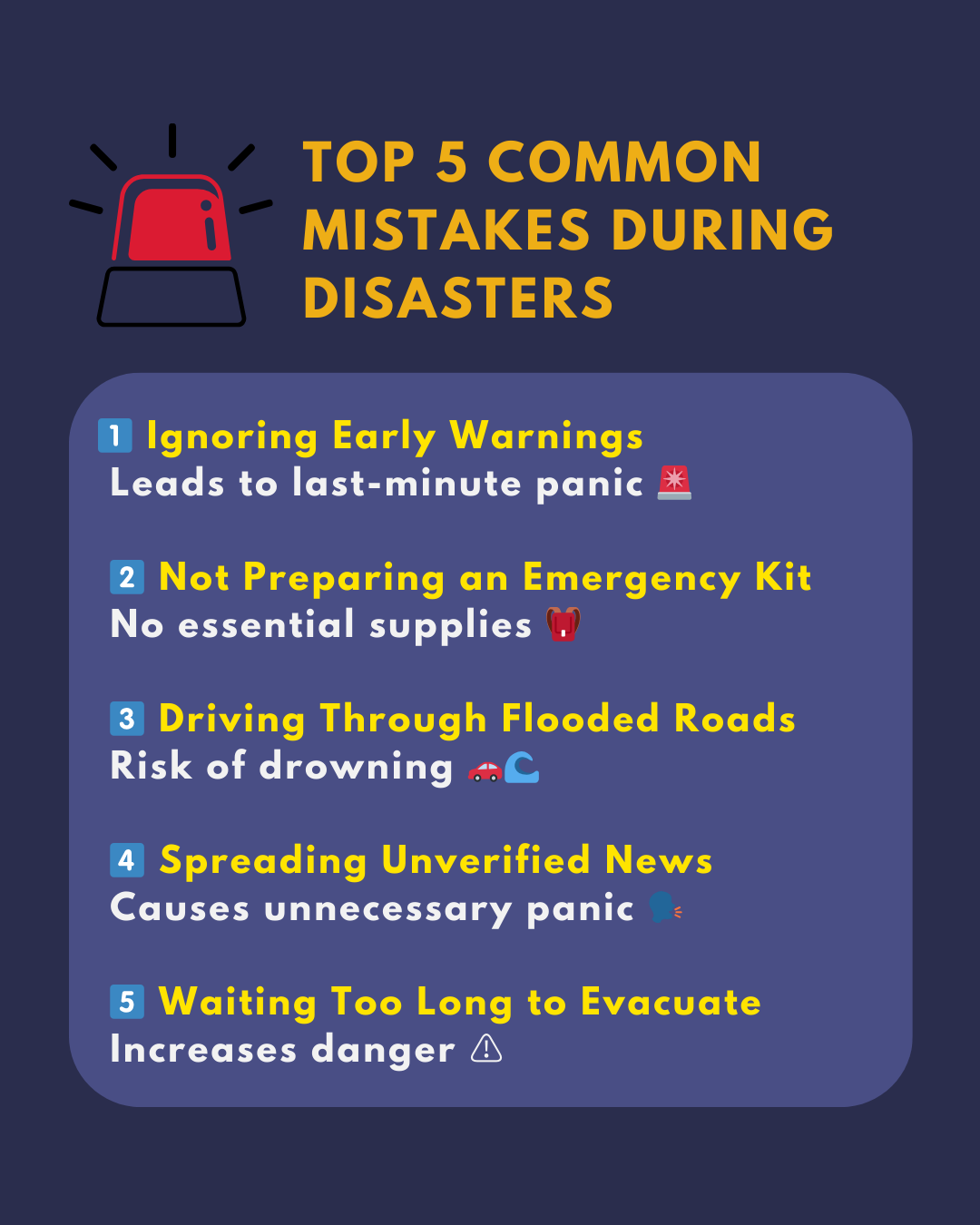
Avoid common disaster mistakes: Heed warnings, prepare an emergency kit, avoid flooded roads, verify news, and evacuate on time


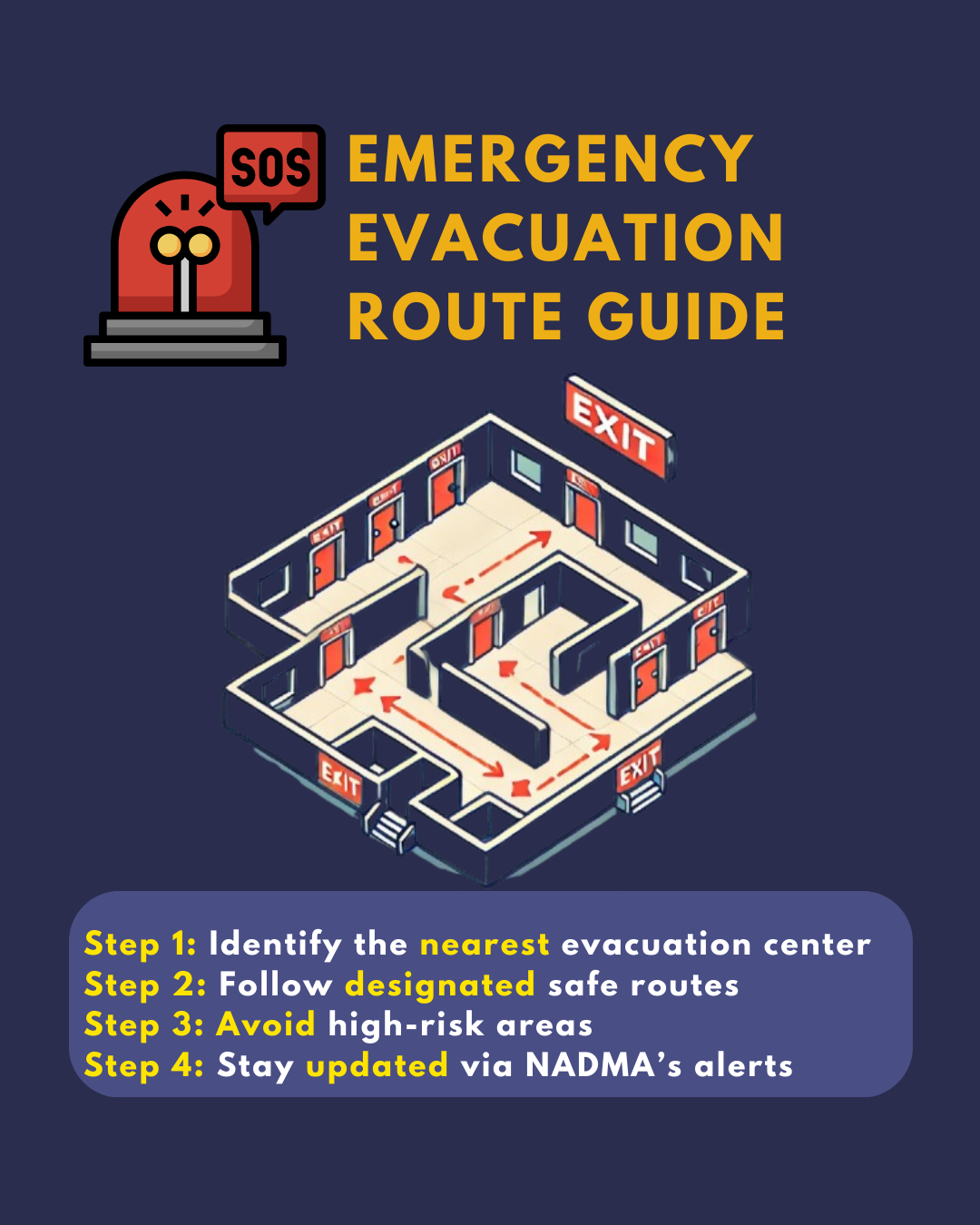
Emergency evacuation guide: Locate the nearest center, follow safe routes, avoid danger zones, and stay updated with NADMA alerts
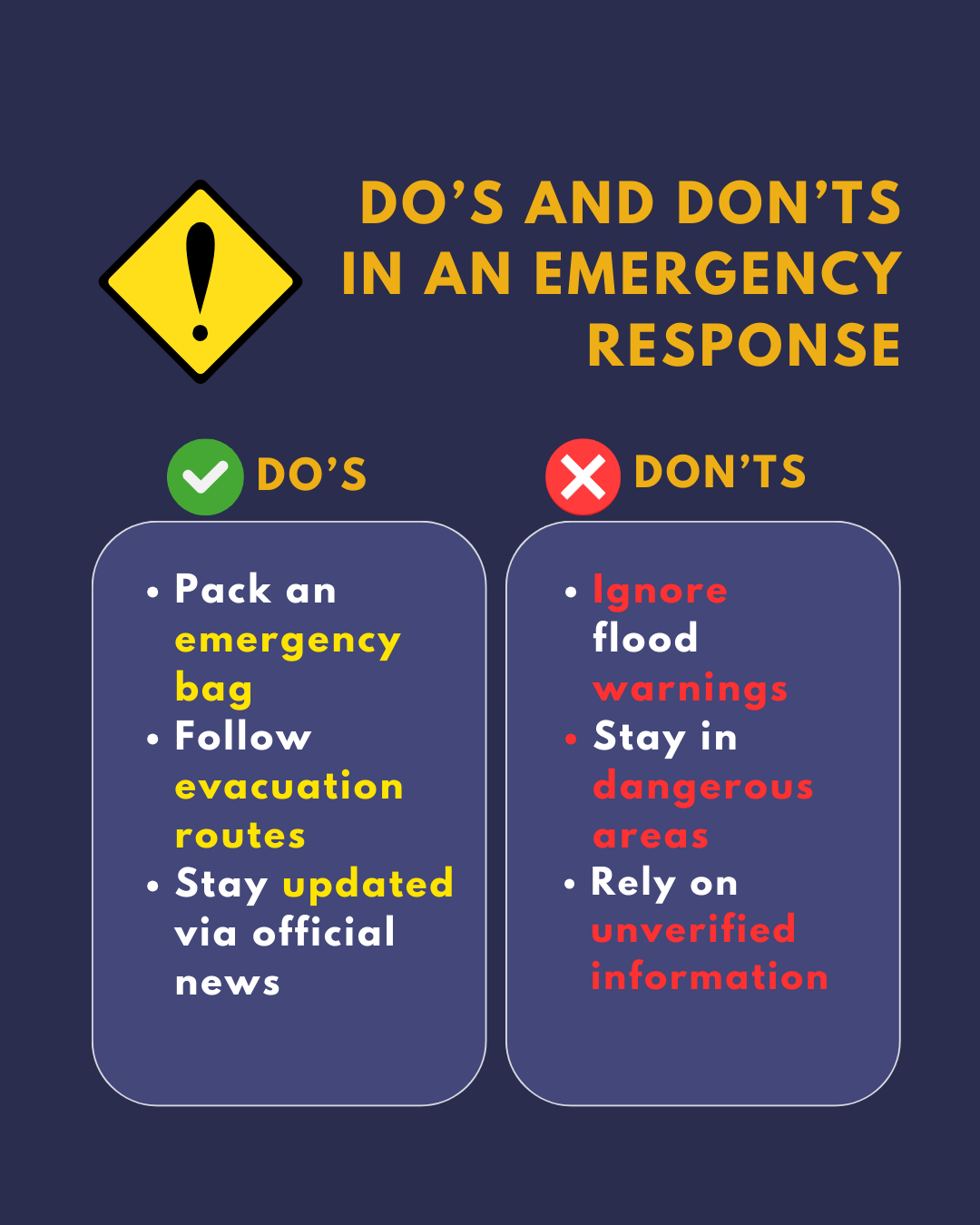
Essential emergency response tips: Pack an emergency bag, follow evacuation routes, stay updated, and avoid misinformation during crises
Explore more articles

Galeri Foto | Photo Gallery

Mercu tanda pusat kejuruteraan pertama di Kuching
Replika Kapal HHY Zahora merupakan tarikan utama di Brooke Dockyard Industrial Heritage Museum yang telah dibuka secara rasmi pada April 2026. Para pengunjung diberi...
Paparan Semasa | News Feature
To Silence Critics, Sarawak Must First Listen
A troubling disparity has emerged between the upbeat official messaging and the frequent technical failures of the regional transit fleet. Reactive and defensive communications are doing more harm than good, corroding public faith in the project. The only sustainable path forward involves full disclosure, impartial third-party assessments, and a renewed approach that engages the commuting public as problem-solvers, not as obstacles to be overcome.
Dari RAKAN Sarawak
Bait, Bite, App, Fine: Sarawak’s Rabies War Unfolds
Sarawak combats rabies through oral vaccines for stray dogs, a reporting app, and heavy fines for unvaccinated pets. Yet microchipping lags, weakening enforcement. Youth-led advocacy and rapid diagnostics are crucial. Community cooperation determines whether technology and regulations can finally end this deadly outbreak.
Dari RAKAN Sarawak
AirBorneo: A Strategic Pillar for Sarawak’s Connectivity and Economic Transformation
AirBorneo embodies Sarawak’s bold vision for connectivity and growth, yet faces saturated markets, high costs, and political risks. A phased, cooperative, asset-light strategy, leveraging rural subsidies and eco-tourism, can turn this high-stakes venture into a sustainable economic bridge for Borneo’s future.
Dari RAKAN Sarawak
Building Livelihoods, Equity, and Community Trust Through Environmental Accountability
Sarawak's Environmental Compliance Audit framework ensures industries manage pollution and resource impacts. Independent audits provide transparency, fostering community trust. This accountability supports livelihoods, reduces poverty, and promotes equity, aligning with SDGs while securing long-term economic and environmental sustainability for all.
Galeri Foto | Photo Gallery
Ruby : Kasih Ibu di Rimba Semenggoh
Ruby, seekor orang utan betina sedang bergayut sambil menggendong anaknya untuk keluar mendapatkan makanan.
Ruby dan anaknya ialah antara lebih 20 orang utan...