

Just innews timeline
- 1 week ago
- 2 weeks ago
- 3 weeks ago
- 4 weeks ago
- 1 month ago
- 1 month ago
- 1 month ago
- 1 month ago
- 1 month ago
- 1 month ago
- Advertisement -
Recent Articles
Dari RAKAN Sarawak

The Numbers That Demand Accountability
Sarawak aims for RM282 billion GDP by 2030, but Bumiputera, 72% of the population, own only 5% of businesses, mostly micro-enterprises lacking capital and access to AI and green sectors. This stark disparity demands urgent accountability for truly inclusive, equitable growth.
Dari RAKAN Sarawak
More Than Place: Living Third Spaces Heal Communities
Living Third Spaces are not just locations but webs of relationships that heal communities. Data from Sarawak and global studies prove that regular, levelling, non-clinical hubs build resilience, reduce clinical strain, and transform participants into everyday mental health first responders.
Dari RAKAN Sarawak
Masking Struggle – Behind the Smile
In Sarawak, where 79% of suicides are men, masking pain behind a smile is a deadly norm. RSDM's Third Spaces, ALEC model, peer support, and creative expression transform vulnerability into healing, offering practical coping tools and authentic human connection
Dari RAKAN Sarawak
Unaddressed Mental Health Crisis Derails Sarawak’s 2030 Ambitions
Sarawak’s mental health crisis, as surging helpline calls, high suicide rates among young men, and 35.8% prevalence, imperils the PCDS 2030 vision. Depression erodes productivity, unity, and environmental stewardship, demanding urgent community-rooted mental health investment now to avert severe economic and social collapse.
Dari RAKAN Sarawak
Inclusive Neutral Ground for Community Resilience and Connection
Accessible, levelling community hubs where conversation and creativity foster authentic bonds, resilience, and offer nurturing refuge from daily pressures. These inclusive settings bridge divides, empowering everyday support networks and translating inclusive policies into tangible, lasting human connections, strengthening overall well-being.
Dari RAKAN Sarawak
Agriculture As A Sustainable, Inclusive, And Well-Governed Business
Sarawak's agribusiness transformation advances through strategic agro-parks and digital innovation, yet governance gaps in contract farming, Native Customary Rights tenure, and fragmented execution constrain inclusive growth. Achieving sustainable, well-governed business requires institutional consolidation, tenure reform, and full alignment with SDG and ESG principles to realise rural prosperity.
discover
Infographic
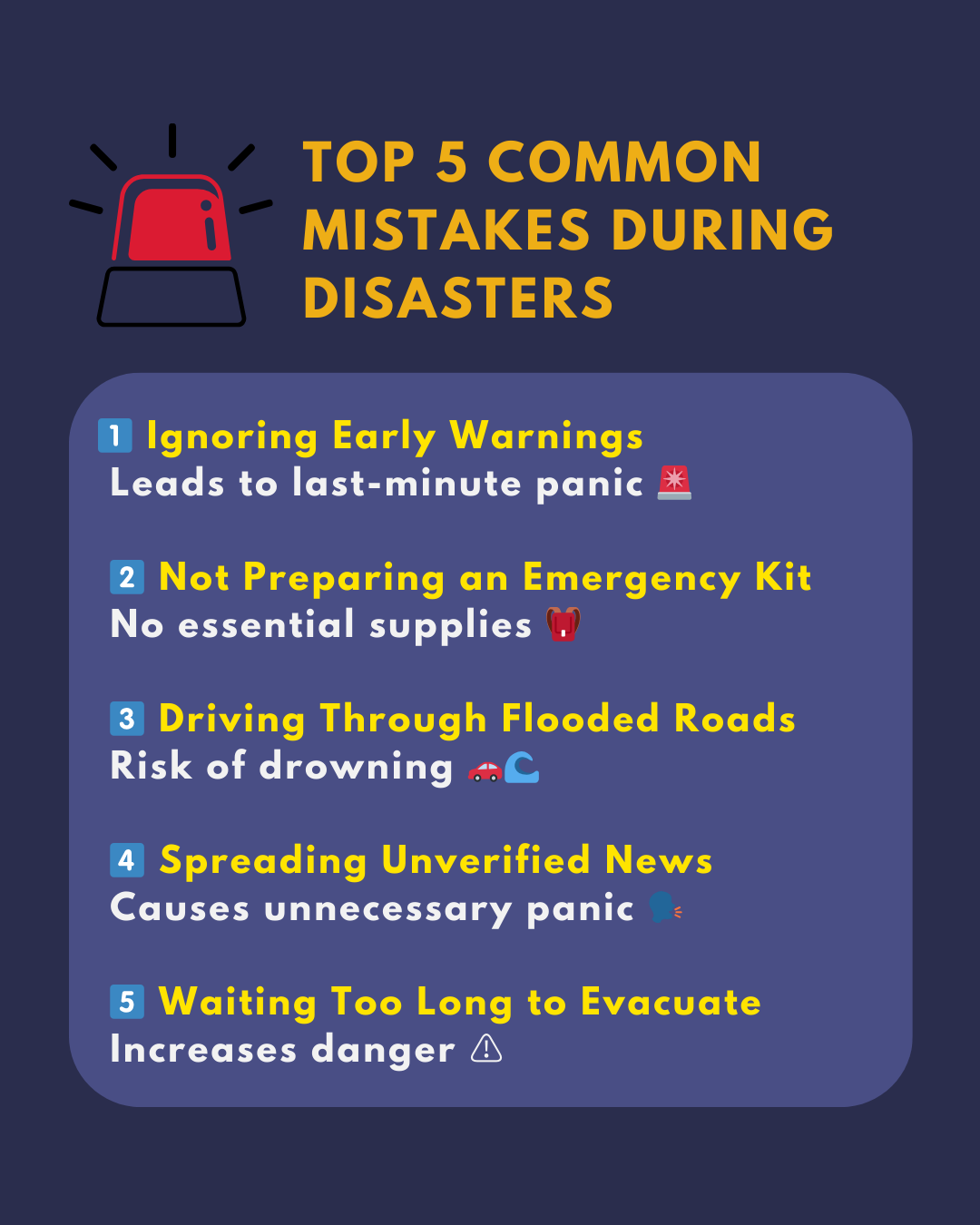
Avoid common disaster mistakes: Heed warnings, prepare an emergency kit, avoid flooded roads, verify news, and evacuate on time


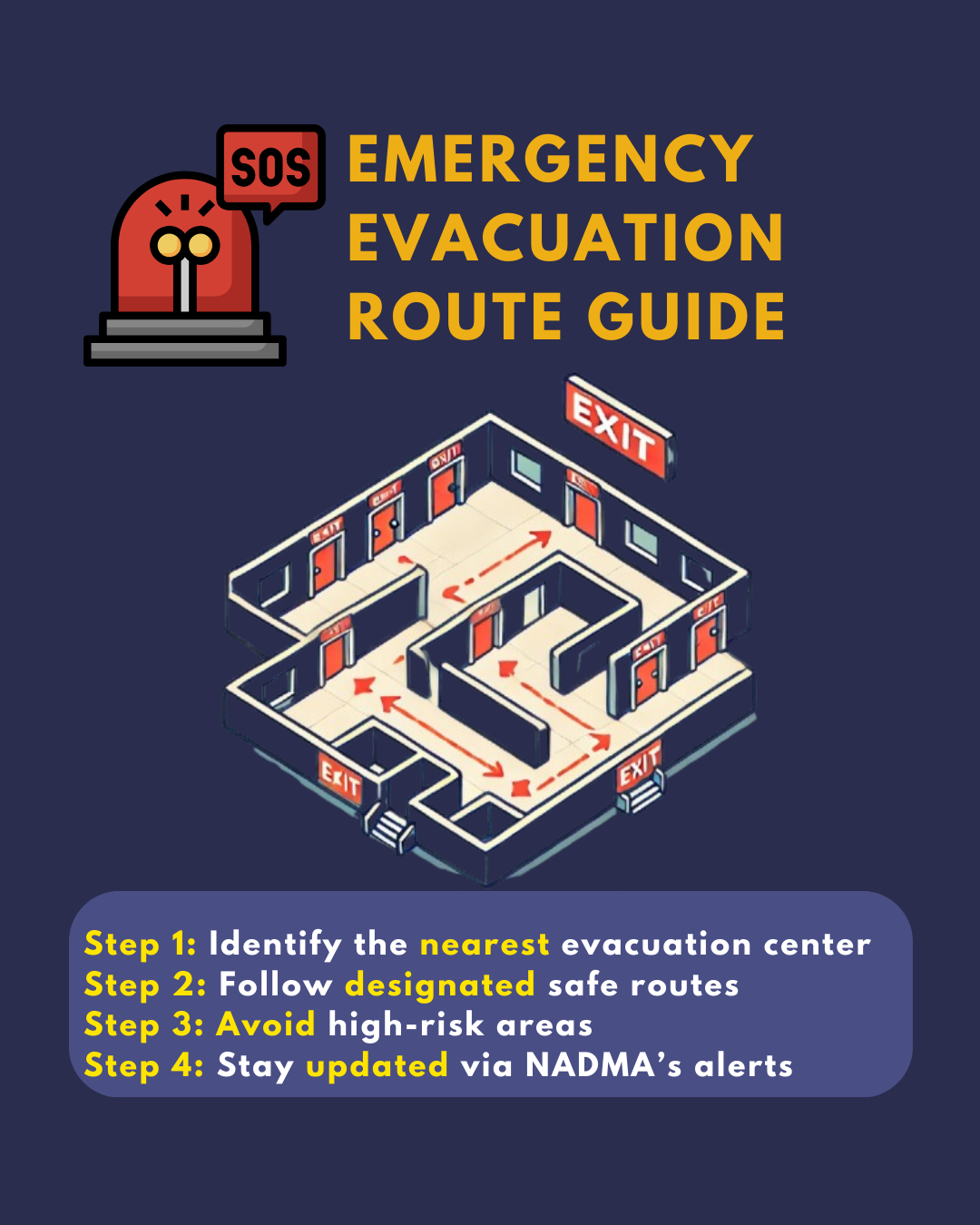
Emergency evacuation guide: Locate the nearest center, follow safe routes, avoid danger zones, and stay updated with NADMA alerts
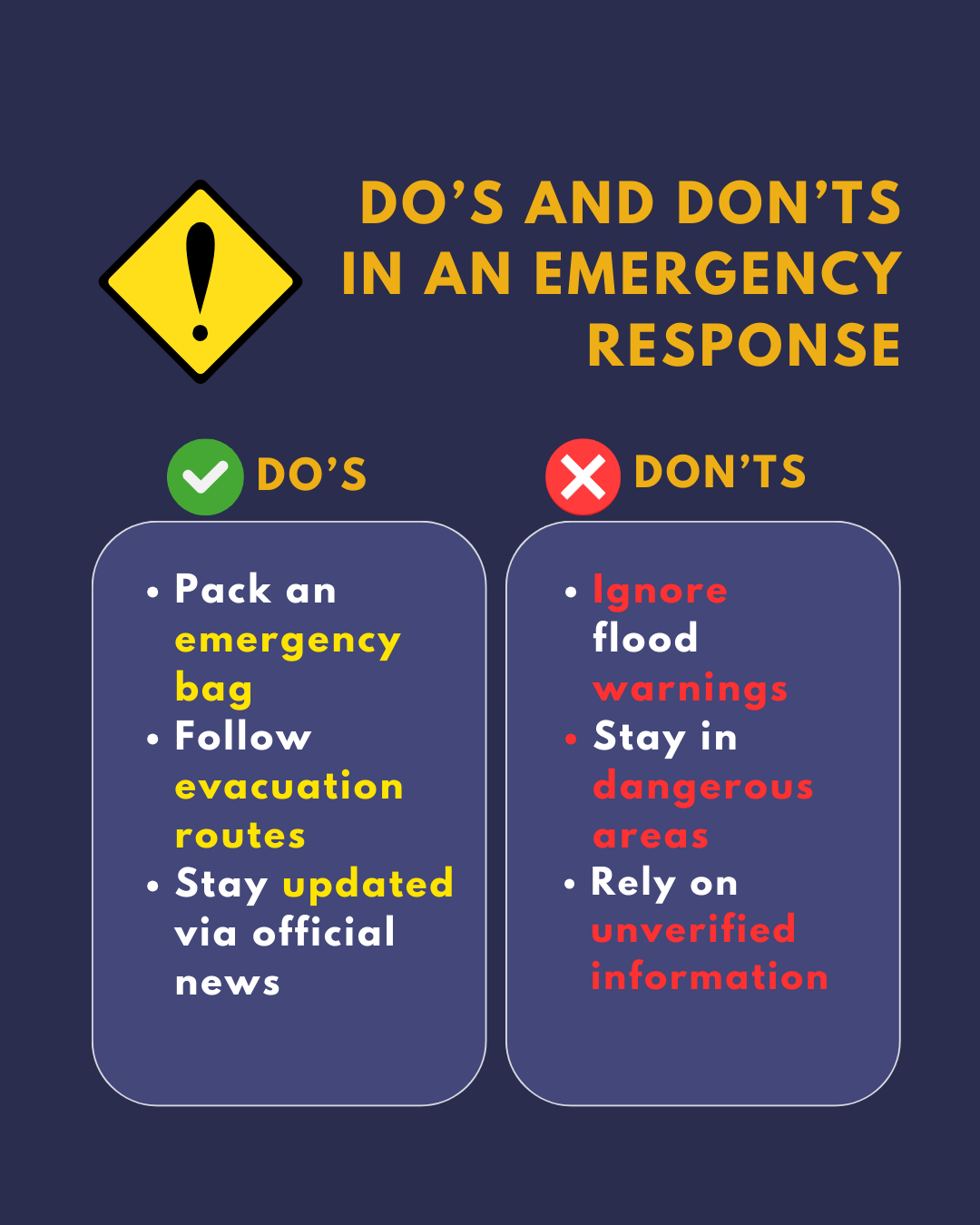
Essential emergency response tips: Pack an emergency bag, follow evacuation routes, stay updated, and avoid misinformation during crises
Explore more articles

Dari RAKAN Sarawak
STEM Ease Industry Revolution 4.0 Transition
Science, Technology, Engineering and Mathematics (STEM) knowledge has become essential. Employers want both entry-level and managerial workers to have the types of critical thinking, problem-solving and teamwork skills that study of STEM can develop.
Dari RAKAN Sarawak
Better Evidence for Decision Making
Results-orientated governments are increasingly making use of hard data and statistical analysis to enlighten decisions.
Dari RAKAN Sarawak
Delivering Better Services
Today’s civil servants are addressing problems of unprecedented complexity in societies that are more pluralistic and demanding than ever. At the same time, the systems and tools of governance are increasingly digital, open and networked.
Dari RAKAN Sarawak
Challenging VUCA Era
Globalisation today is about the interconnections among individuals, firms, and groups. It made possible by information revolution and technology where most of the time misjudged, misinterpreted or ignored, until it unexpectedly must be understood and incorporated into our understanding.
Dari RAKAN Sarawak
We Shall Respect One Another And Our Differences
The differences in race, religion and faith should not lead to dispute and disunity among the people.
Instead, such differences should represent the natural character of human beings that ought to be appreciated.
Dari RAKAN Sarawak
To Serve And Truly Help People
Civil servants play an important role in society and it is important that we serve them ethically, with integrity, loyalty, impartiality, and objectivity.