


Just innews timeline
- 1 day ago
- 2 days ago
- 3 days ago
- 4 days ago
- 5 days ago
- 6 days ago
- 7 days ago
- 1 week ago
- 1 week ago
- 1 week ago
- Advertisement -
Recent Articles
Galeri Foto | Photo Gallery

Sarawak Connects Rural Towns Through Growth Corridors
Sarawak uses a decentralised growth corridor model to guide rural to urban transition. Regional agencies, better roads, bridges, digital links, agro parks and basic services bring urban advantages into rural areas without overcrowding major cities. This supports balanced regional integration.
Dari RAKAN Sarawak
Government Bridges Rural Gap With Bold Development
Sarawak is working hard to make sure growth reaches everyone, not only people living in Kuching or other big towns. Billions of ringgit are spent yearly on rural roads, water, electricity and land schemes so villages can grow like towns.
Galeri Foto | Photo Gallery
Smart Sarawak: Comfort, Connectivity, Economy
Smart home technology in Sarawak optimizes cooling, cuts electricity costs, expands rural connectivity, enhances security, supports aging residents, and boosts local tech jobs, advancing the state's digital economy and sustainable energy transition while improving healthcare access and property value statewide.
Dari RAKAN Sarawak
From Oil’s Black Gold to Ink’s Lasting Legacy
Miri is betting its post-oil future on literature, seeking UNESCO status by 2027 to transform from an extraction town to a cultural hub. The bid aims to diversify the economy through literary tourism and preserve the region's rich oral heritage, following Kuching's successful gastronomy model as a blueprint.
Dari RAKAN Sarawak
Stesen Penyelidikan Pertanian Sarawak Pemacu Transformasi Agromakanan
Stesen penyelidikan pertanian di Sarawak memacu transformasi sektor agromakanan melalui R&D, pemindahan teknologi, dan pengeluaran benih berkualiti. Rangkaian tujuh stesen utama ini menyokong PCDS 2030 ke arah keterjaminan makanan dan eksport, sekali gus meningkatkan sosioekonomi komuniti tani negeri.
Dari RAKAN Sarawak
Niah’s True Legacy Lies Beyond the Plaque
Niah's UNESCO status is not an endpoint but a starting point for Sarawak. Its true significance now hinges on delivering economic and social dividends to Batu Niah through sustainable tourism, infrastructure, and community-based initiatives that honour its 50,000-year-old heritage.

discover
Infographic
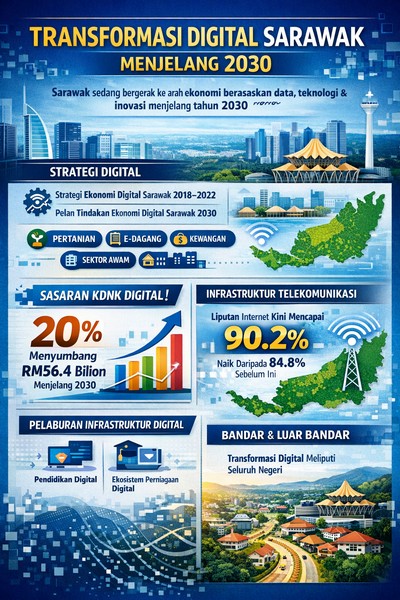
Infografik menunjukkan Transformasi Digital Sarawak Menjelang 2030
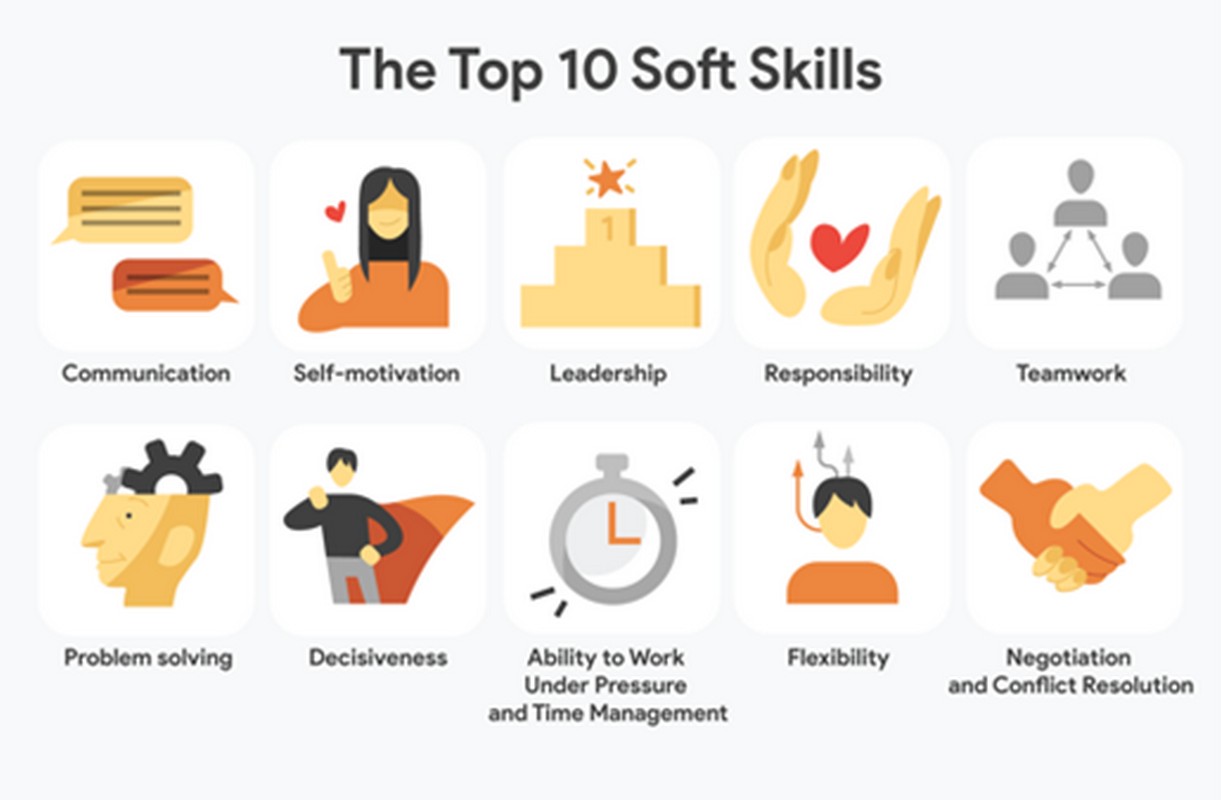
10 Soft Skills That Are Crucial for Work Readiness — Credit: NMD Training and Consultation
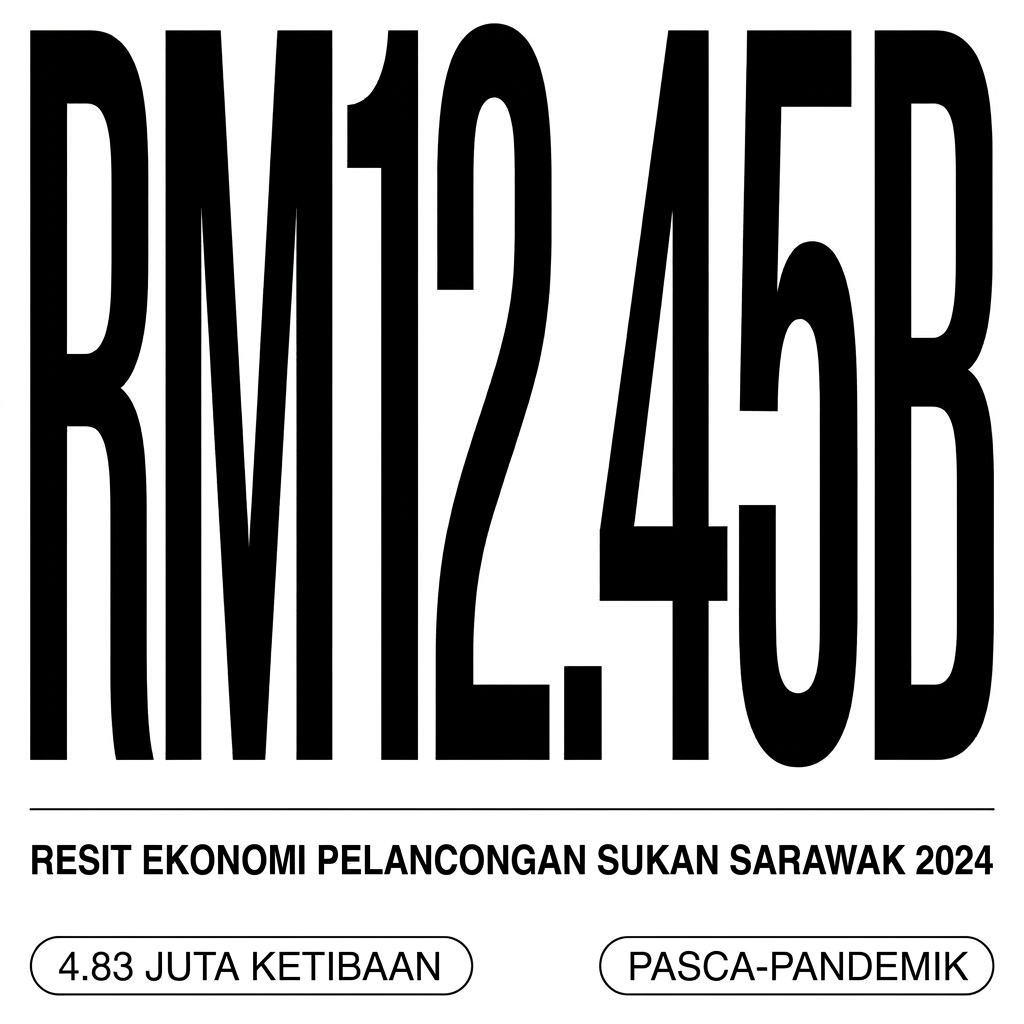
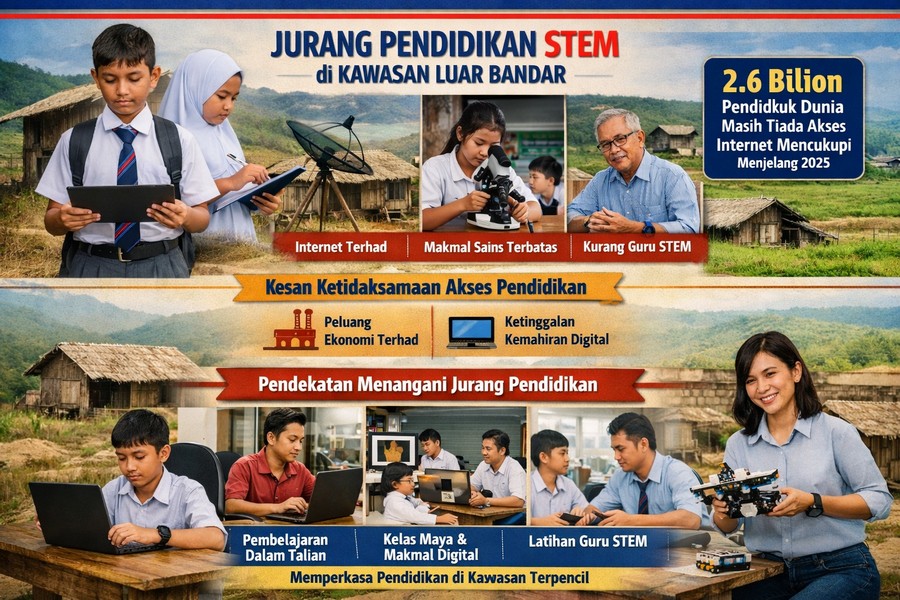
Tanpa akses kepada pendidikan STEM, pelajar luar bandar berisiko ketinggalan dalam ekonomi digital
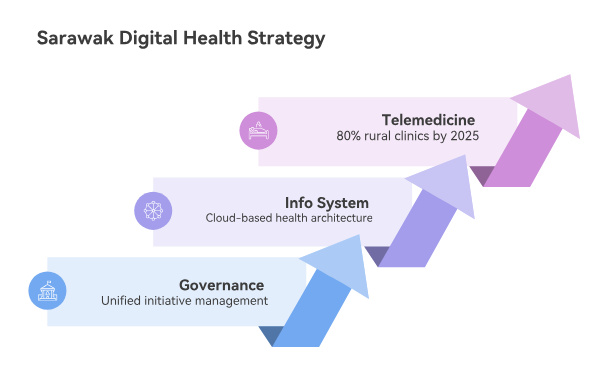
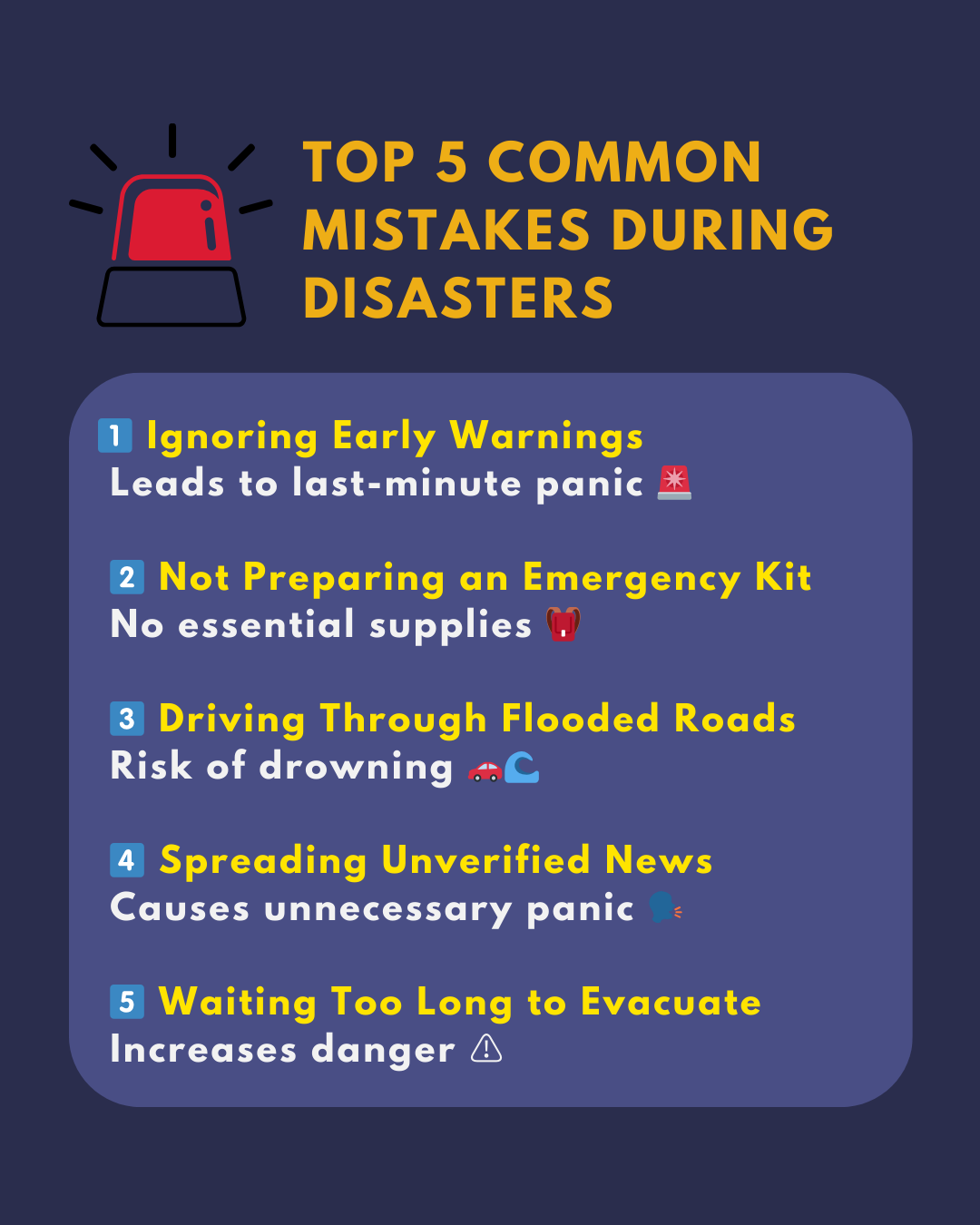
Avoid common disaster mistakes: Heed warnings, prepare an emergency kit, avoid flooded roads, verify news, and evacuate on time


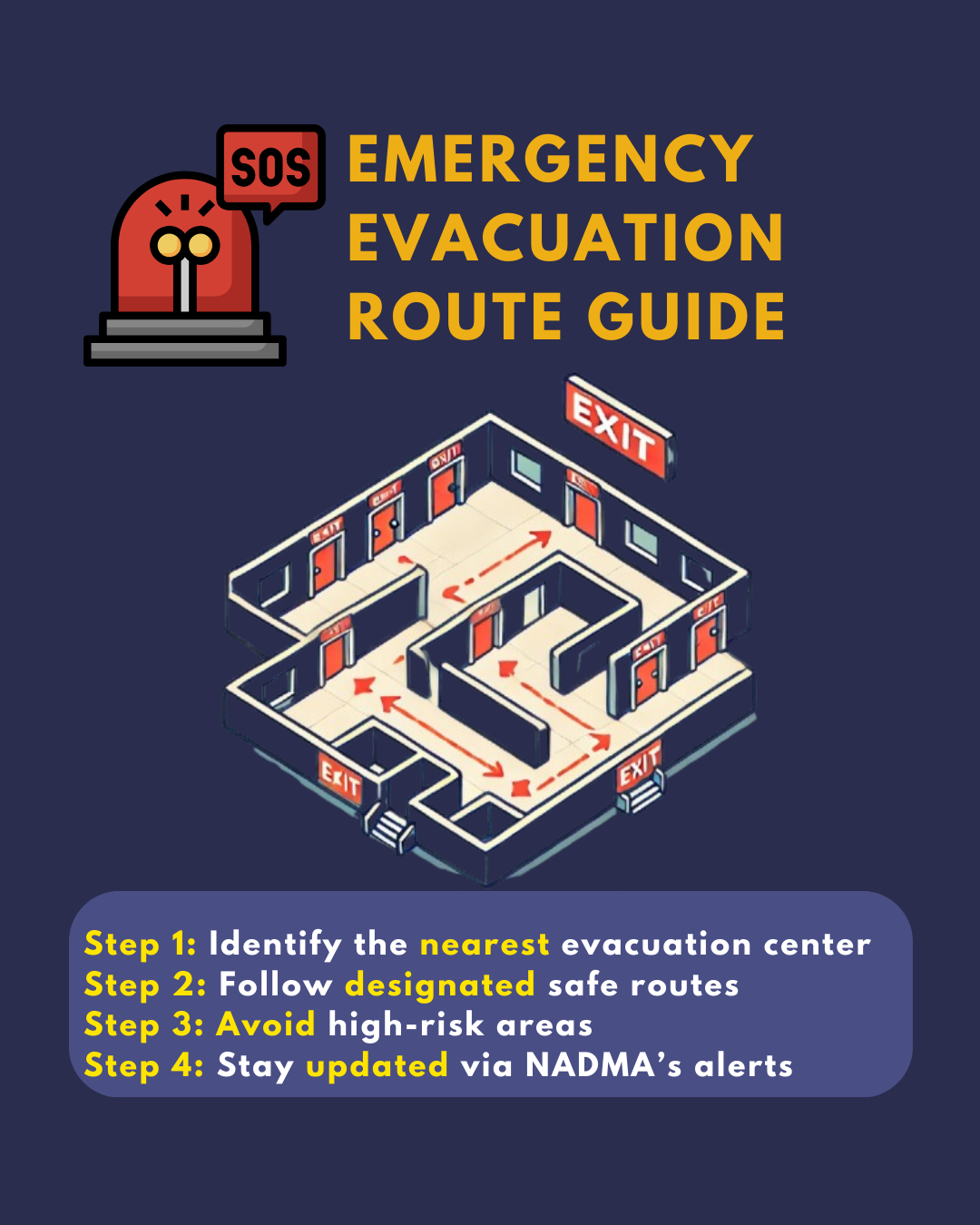
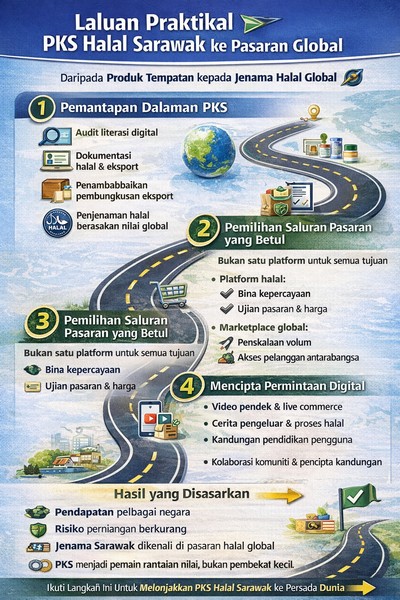
Emergency evacuation guide: Locate the nearest center, follow safe routes, avoid danger zones, and stay updated with NADMA alerts
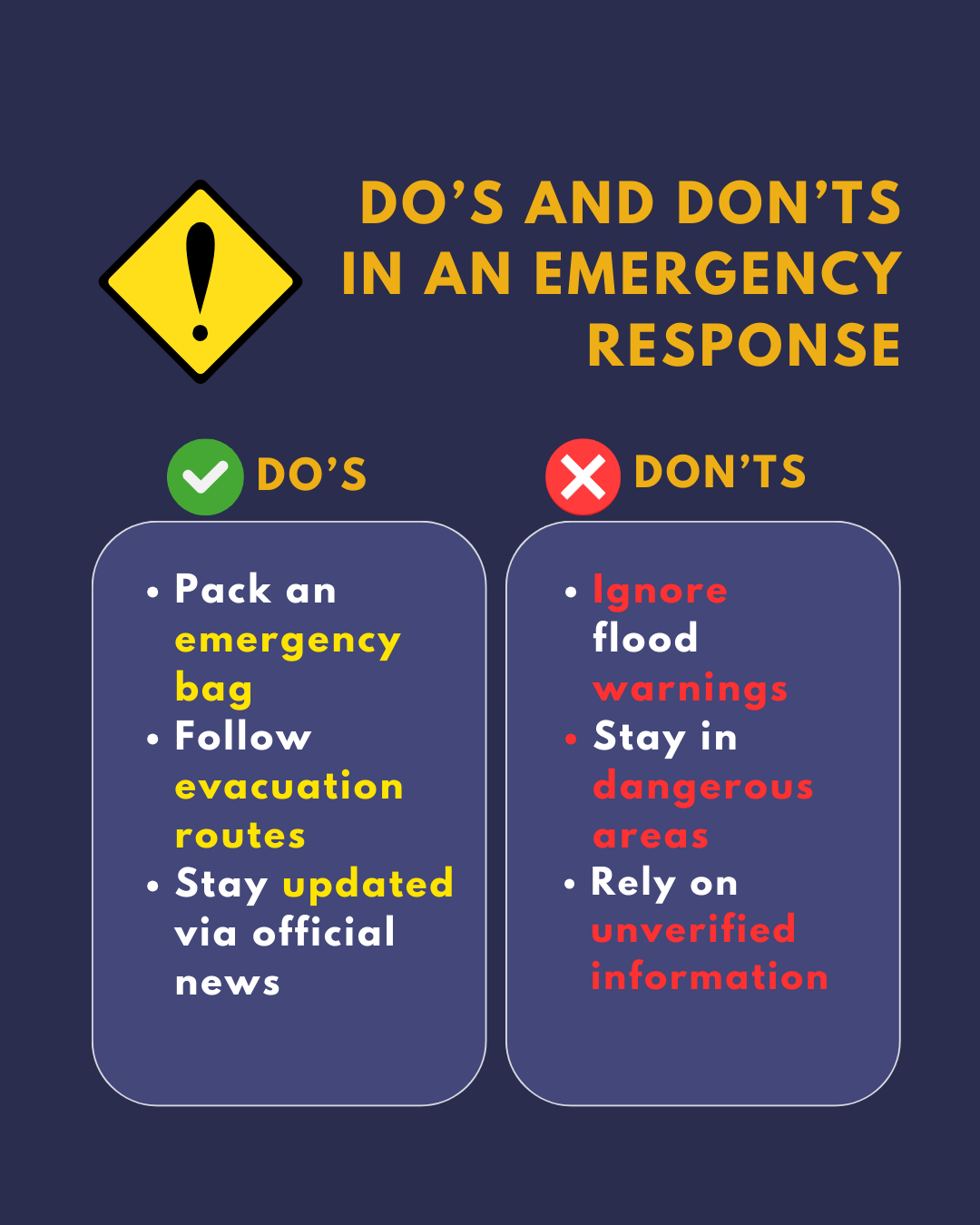
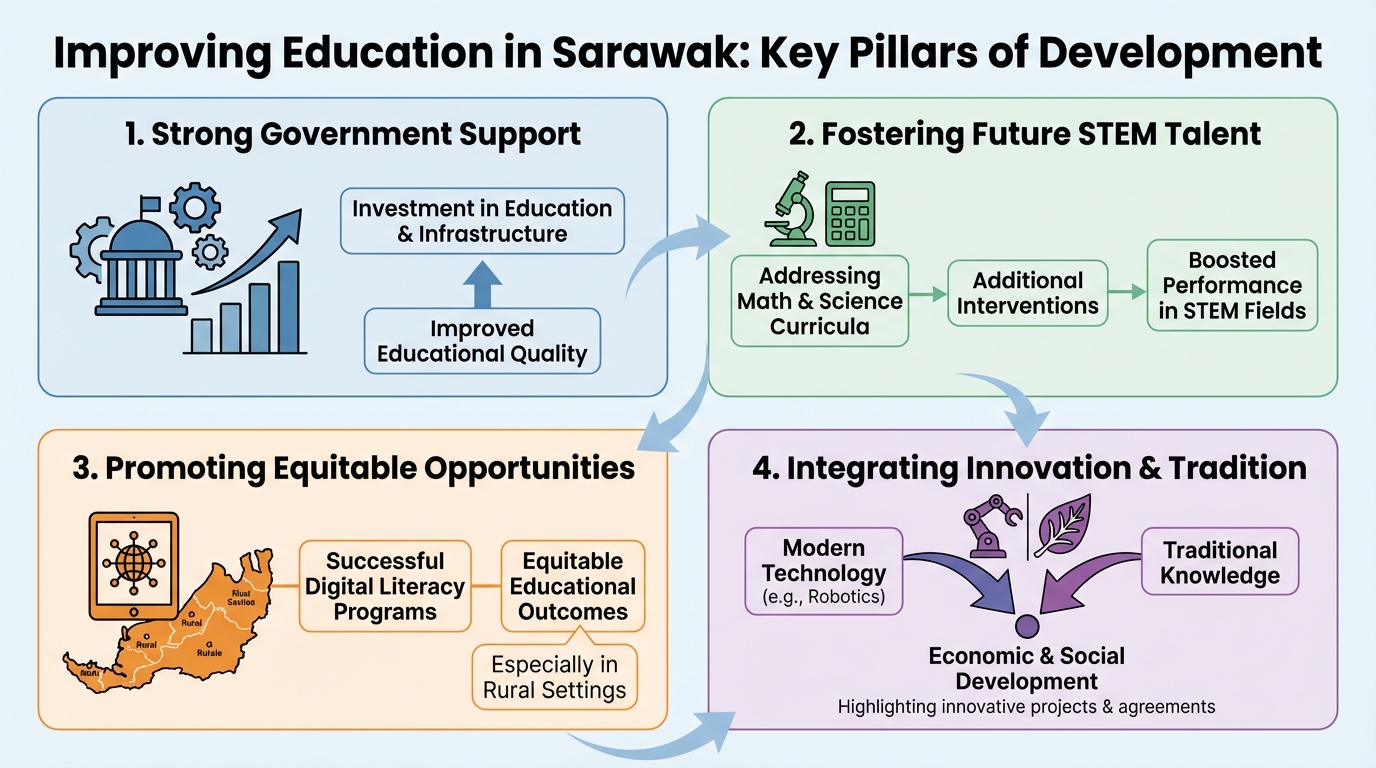
Essential emergency response tips: Pack an emergency bag, follow evacuation routes, stay updated, and avoid misinformation during crises
Explore more articles

Lensa

Aplikasi Mudah Alih UNIMAS Now
Aplikasi UNIMAS Now membolehkan pengguna mendapatkan pelbagai maklumat dengan capaian pantas menerusi telefon pintar tentang kemas kini serta pemberitahuan penting oleh pihak UNIMAS selain berfungsi sebagai alat urusan rasmi dalaman untuk kakitangan.
Lensa

TBS Pemenang Anugerah Emas AKPANS 2025 Kategori Badan Berkanun
Pendekatan TBS yang berasaskan data, digitalisasi, dan tadbir urus baik memastikan kutipan zakat dan sumbangan diagihkan secara telus dan efisien.
Dari RAKAN Sarawak
Boosting Lifesaving Care: Sarawak Energy Donates Haemodialysis Machine to Hospital Miri
Sarawak Energy and SABATI donated a haemodialysis machine to Hospital Miri to boost dialysis capacity. It is part of a RM225,000 statewide initiative supporting public healthcare.
Lensa

Bakun Hydroelectric Plant (HEP) received the Excellent Achievement in Environmental Performance Award
Sarawak Energy’s evolving sustainability strategy, blending technological innovation, nature-positive solutions, and international collaboration to drive holistic environmental management.
Dari RAKAN Sarawak
Sarawak Energy Recognised for Environmental Excellence at Prime Minister’s Hibiscus Award 2024/2025
Sarawak Energy’s evolving sustainability strategy, blending technological innovation, nature-positive solutions, and international collaboration to drive holistic environmental management.
Lensa
Transformasi Kerjaya di Sarawak
Pendidikan dan latihan sejajar industri menjadi kunci kebolehpasaran graduan. Pendekatan berasaskan kemahiran menjadikan kerjaya idaman lebih realistik dan mampan