

Just innews timeline
- 1 month ago
- 1 month ago
- 1 month ago
- 1 month ago
- 2 months ago
- 2 months ago
- 2 months ago
- 2 months ago
- 2 months ago
- 2 months ago
- Advertisement -
Recent Articles
Dari RAKAN Sarawak

Agriculture as Business: Sarawak’s Farm Sector Transformation
Sarawak's ambitious agribusiness transformation under PCDS 2030 has delivered measurable economic gains, with the sector contributing RM15.1 billion to state GDP in 2024 and employing 247,400 people, yet persistent governance gaps in contract farming, NCR land tenure, and institutional fragmentation threaten to confine progress to isolated pockets rather than achieve broad-based rural prosperity.
Dari RAKAN Sarawak
The Action Agenda for Transformative Change
The Bumiputera Economic Congress 2024 resolutions for Sarawak set measurable targets, including listings and enterprise upgrades, backed by collaborative implementation, TERAJU financing, and strategic communication. Execution demands political will to ensure inclusive, transformative, and sustainable economic participation for all Sarawakians.
Dari RAKAN Sarawak
Bridging Policy Vision and Realities for Sarawak Workers
Sarawak's vision for outstanding workers, rooted in cultural values and PCDS 2030, contrasts with the marginalization of informal workers. Bridging this gap requires a unified framework, inclusive communication, co-creation, ESG adaptation in public sector, and culturally intelligent capacity-building for all.
Dari RAKAN Sarawak
Empower Sarawak’s Unsung Backbone with Strategic Communication Now
Sarawak’s informal workers embody resilience and cultural values yet remain invisible and unprotected.
Strategic communication can reframe them as essential contributors, bridging policy gaps and fostering inclusion through targeted campaigns, storytelling, and two-way dialogue to transform vulnerability into shared prosperity
Dari RAKAN Sarawak
Strategic Communication Translates Policy Architecture Into Tangible Outcomes
Strategic development communication translates PCDS 2030 into action through six elements: aligned messaging, inclusive engagement, behaviour change, capacity building, trust, and data-driven adaptation. Sarawak excels in alignment but needs genuine two-way dialogue and culturally resonant outreach for equitable, sustainable development.
Dari RAKAN Sarawak
Harmonizing Policy Layers to Achieve Sarawak’s PCDS 2030 Vision
Guided by PCDS 2030, Sarawak's architecture integrates national plans, SDGs, and ESG principles to drive economic transformation, sustainability, and inclusivity. Abang Johari's vision powers this multi-layered effort, yet closing the policy-implementation gap remains the key challenge for a progressive Sarawak.
discover
Infographic
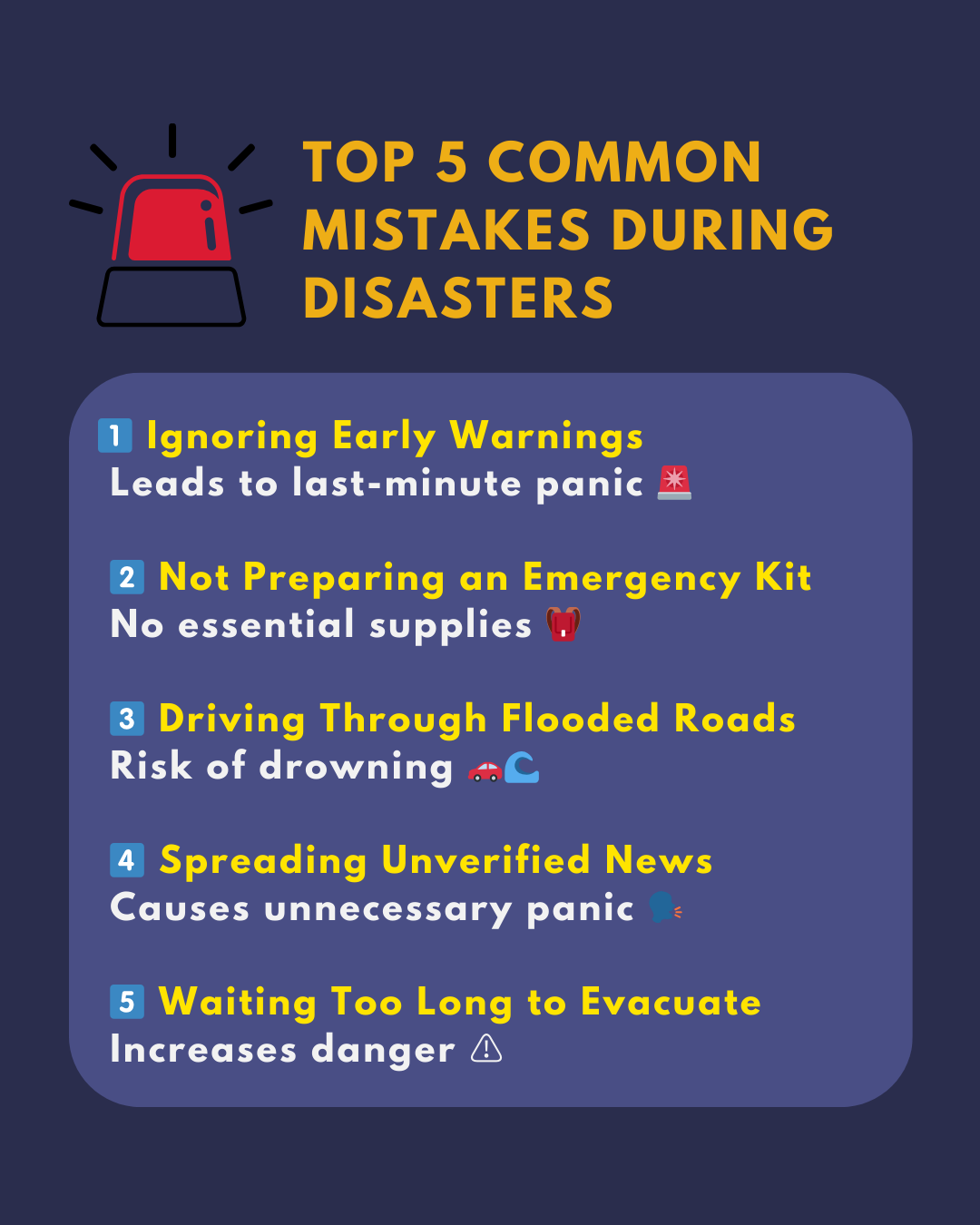
Avoid common disaster mistakes: Heed warnings, prepare an emergency kit, avoid flooded roads, verify news, and evacuate on time


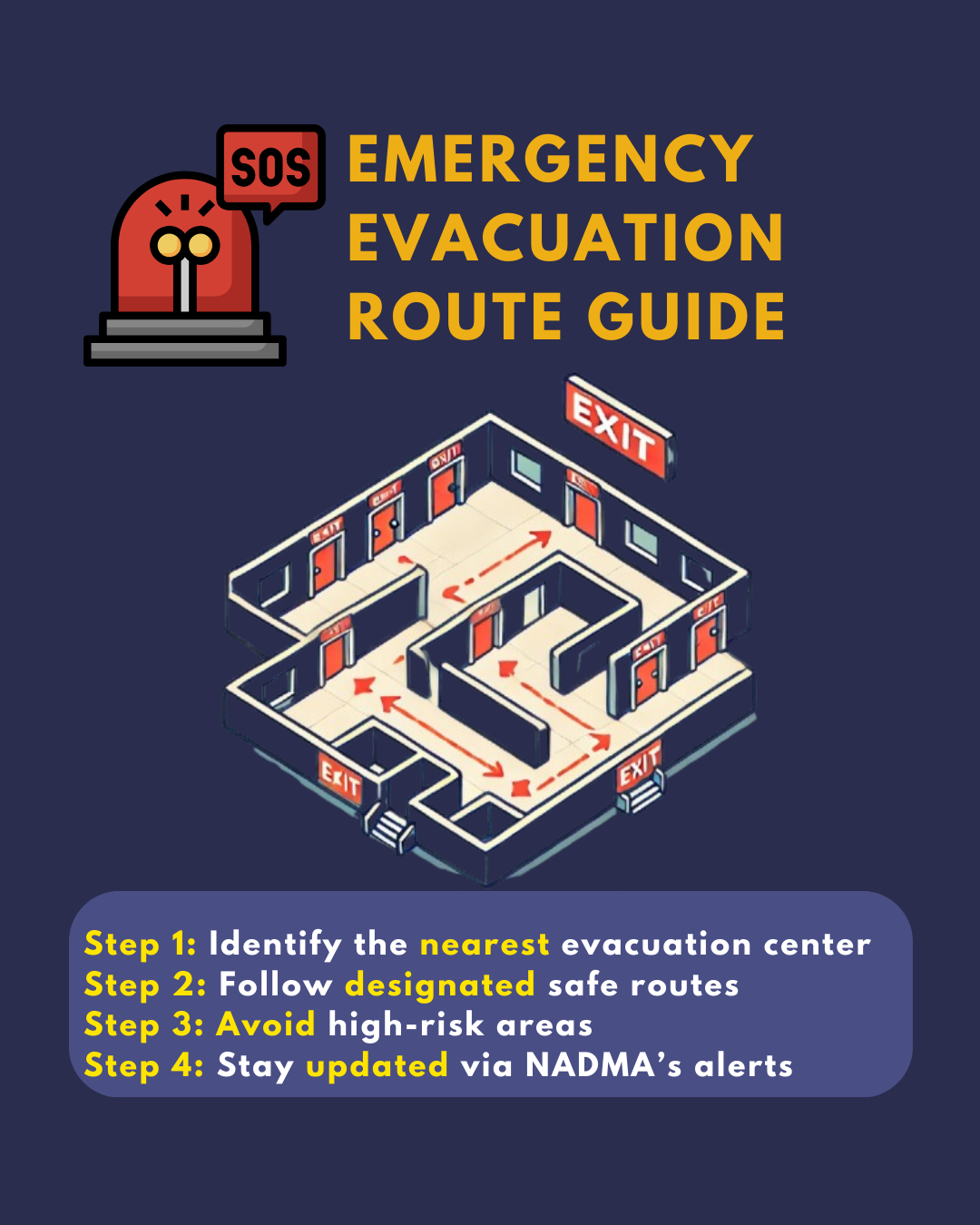
Emergency evacuation guide: Locate the nearest center, follow safe routes, avoid danger zones, and stay updated with NADMA alerts
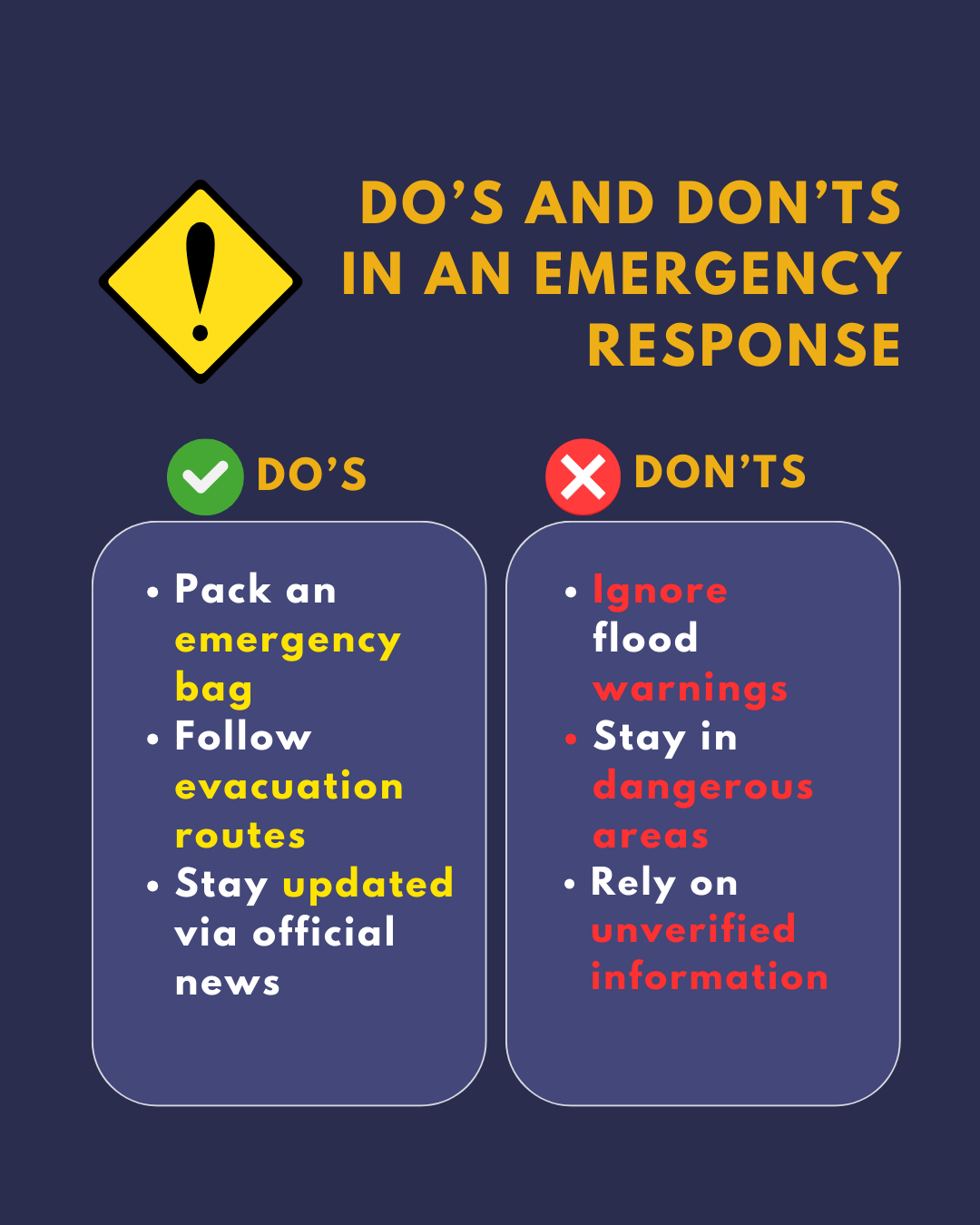
Essential emergency response tips: Pack an emergency bag, follow evacuation routes, stay updated, and avoid misinformation during crises
Explore more articles

Bintulu

Sarawak Methanol Complex
The opening of the complex also marks Sarawak’s entry into the petrochemical industry as it strives to drive socio-economic progress through its manufacturing sector and the green economy.
Dari RAKAN Sarawak

SCSICA 2024 Raikan Inovasi Dan Integriti Dalam Perkhidmatan Awam
Antara Objektif SCSICA 2024 adalah untuk memberi pengiktirafan dan penghargaan atas penghasilan projek inovasi oleh penjawat awam untuk meningkatkan kecemerlangan penyampaian perkhidmatan.
Dari RAKAN Sarawak
Kecemerlangan Penyampaian Perkhidmatan Berteraskan Integriti dan Inovasi
Inovasi yang diperkenalkan bukan sekadar untuk meningkatkan penyampaian perkhidmatan kepada rakyat, tetapi juga mencerminkan kebijaksanaan dan integriti yang tinggi dalam perkhidmatan awam.
Dari RAKAN Sarawak
Excellence in Service Delivery Based on Integrity and Innovation
The theme for the 2024 edition of SCSICA and SCSIMon highlights the importance of integrity and innovation as key aspects in service delivery and socio-economic development that need to be incorporated among civil servants in Sarawak.
Dari RAKAN Sarawak

Pengiktirafan UNESCO Menjelang 2026
Sarawak Delta Geopark akan menjadi geopark ketiga di Malaysia yang mendapat pengiktirafan tersebut selepas Langkawi UNESCO Global Geopark di Kedah dan Kinabalu UNESCO Global Geopark di Sabah.
Dari RAKAN Sarawak

SCSICA 2024 Celebrates Creativity, Teamwork and Dedication
This annual event celebrates creativity, teamwork, and the dedication to progress that defines Sarawak’s vision.