

Just innews timeline
- 1 month ago
- 1 month ago
- 1 month ago
- 1 month ago
- 1 month ago
- 2 months ago
- 2 months ago
- 2 months ago
- 2 months ago
- 2 months ago
- Advertisement -
Recent Articles
Dari RAKAN Sarawak

Sarawak’s Agricultural Ambitions From Policy to Practice
Sarawak's agricultural transformation faces critical execution challenges as institutional fragmentation, aging extension services, inadequate market access infrastructure, and neglect of local agri-SMEs undermine the Premier's vision of a commercially vibrant, high-income farming sector capable of achieving net food exporter status by 2030.
Dari RAKAN Sarawak

Agriculture as Business: Sarawak’s Farm Sector Transformation
Sarawak's ambitious agribusiness transformation under PCDS 2030 has delivered measurable economic gains, with the sector contributing RM15.1 billion to state GDP in 2024 and employing 247,400 people, yet persistent governance gaps in contract farming, NCR land tenure, and institutional fragmentation threaten to confine progress to isolated pockets rather than achieve broad-based rural prosperity.
Dari RAKAN Sarawak
The Action Agenda for Transformative Change
The Bumiputera Economic Congress 2024 resolutions for Sarawak set measurable targets, including listings and enterprise upgrades, backed by collaborative implementation, TERAJU financing, and strategic communication. Execution demands political will to ensure inclusive, transformative, and sustainable economic participation for all Sarawakians.
Dari RAKAN Sarawak
Bridging Policy Vision and Realities for Sarawak Workers
Sarawak's vision for outstanding workers, rooted in cultural values and PCDS 2030, contrasts with the marginalization of informal workers. Bridging this gap requires a unified framework, inclusive communication, co-creation, ESG adaptation in public sector, and culturally intelligent capacity-building for all.
Dari RAKAN Sarawak
Empower Sarawak’s Unsung Backbone with Strategic Communication Now
Sarawak’s informal workers embody resilience and cultural values yet remain invisible and unprotected.
Strategic communication can reframe them as essential contributors, bridging policy gaps and fostering inclusion through targeted campaigns, storytelling, and two-way dialogue to transform vulnerability into shared prosperity
Dari RAKAN Sarawak
Strategic Communication Translates Policy Architecture Into Tangible Outcomes
Strategic development communication translates PCDS 2030 into action through six elements: aligned messaging, inclusive engagement, behaviour change, capacity building, trust, and data-driven adaptation. Sarawak excels in alignment but needs genuine two-way dialogue and culturally resonant outreach for equitable, sustainable development.
discover
Infographic
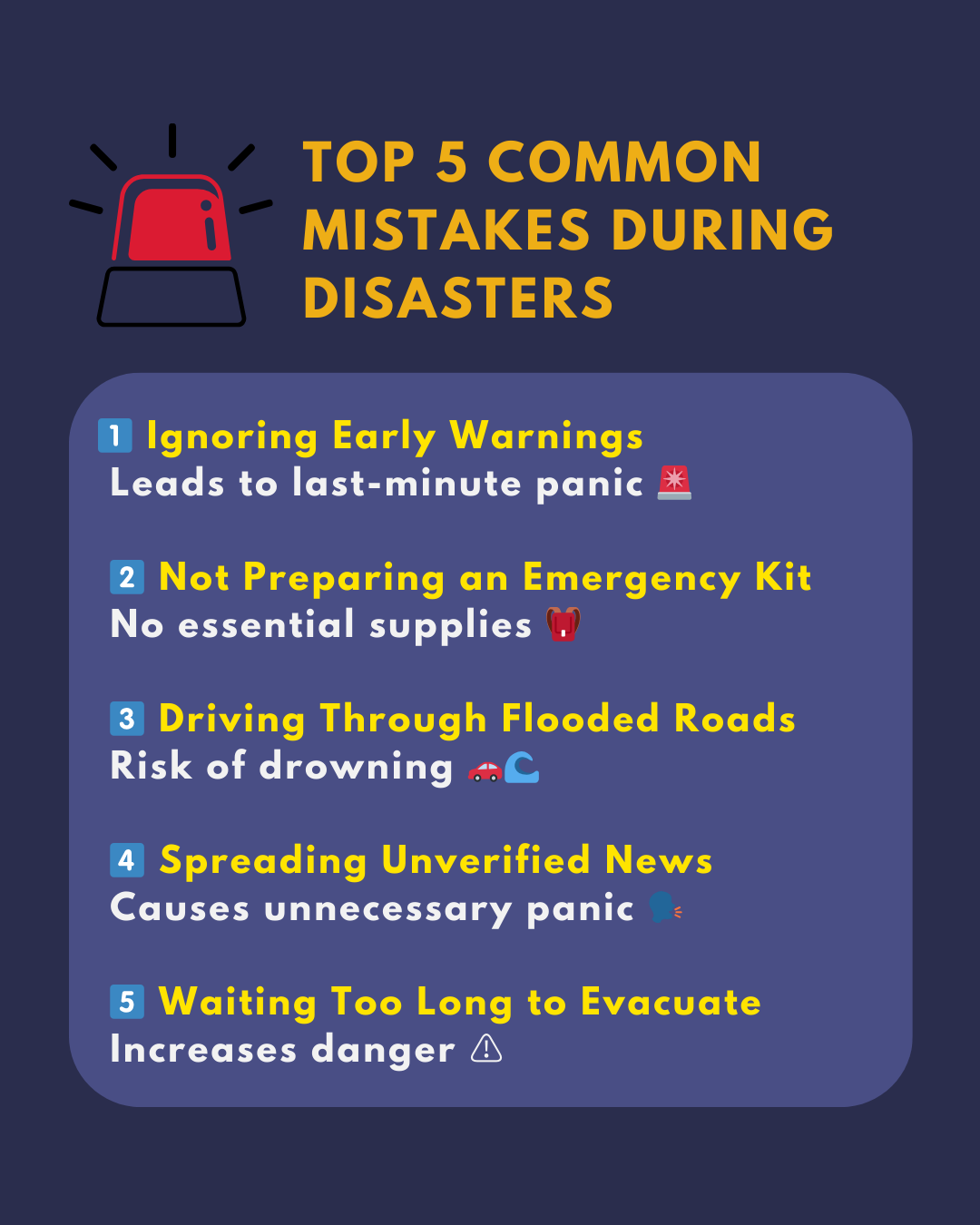
Avoid common disaster mistakes: Heed warnings, prepare an emergency kit, avoid flooded roads, verify news, and evacuate on time


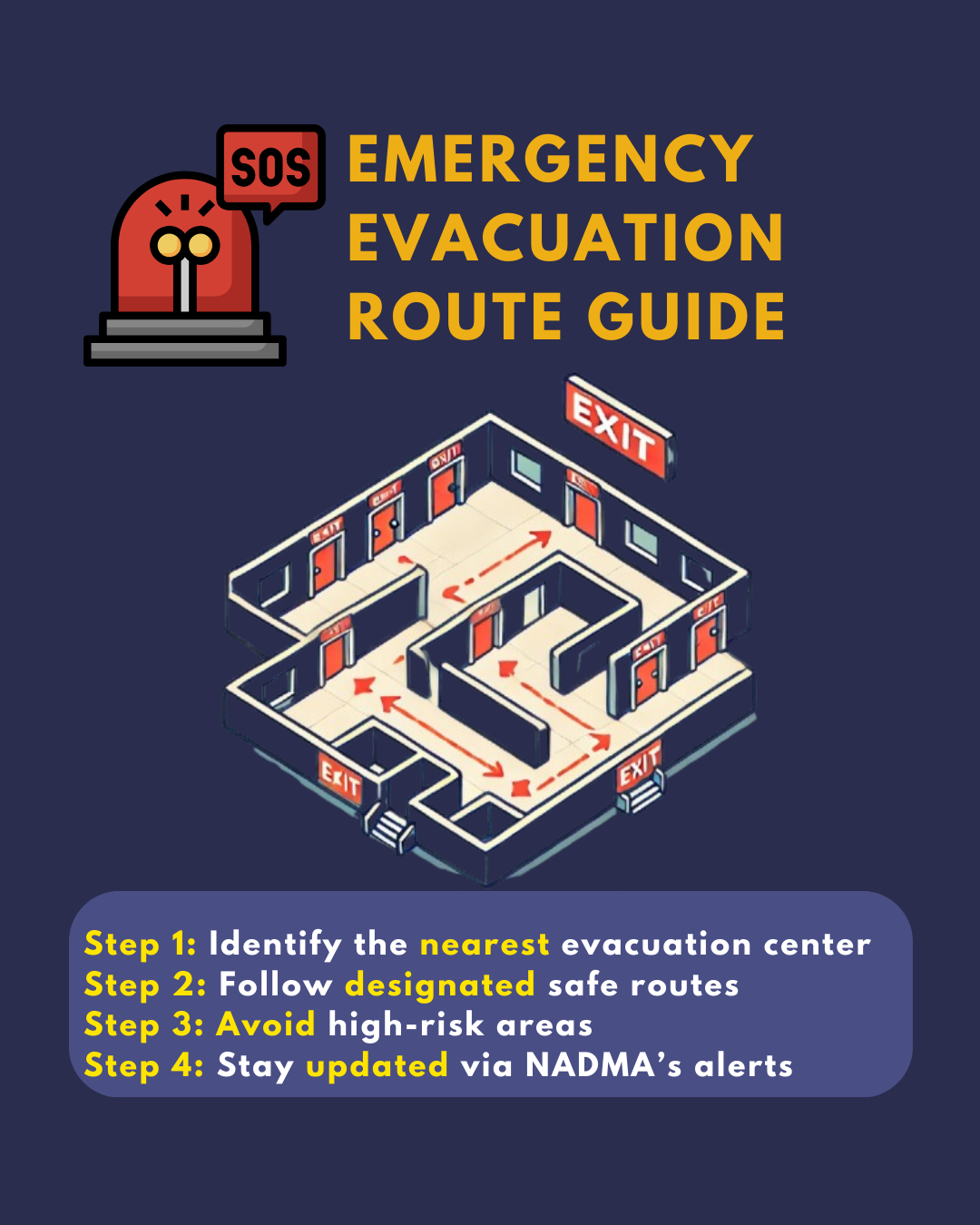
Emergency evacuation guide: Locate the nearest center, follow safe routes, avoid danger zones, and stay updated with NADMA alerts
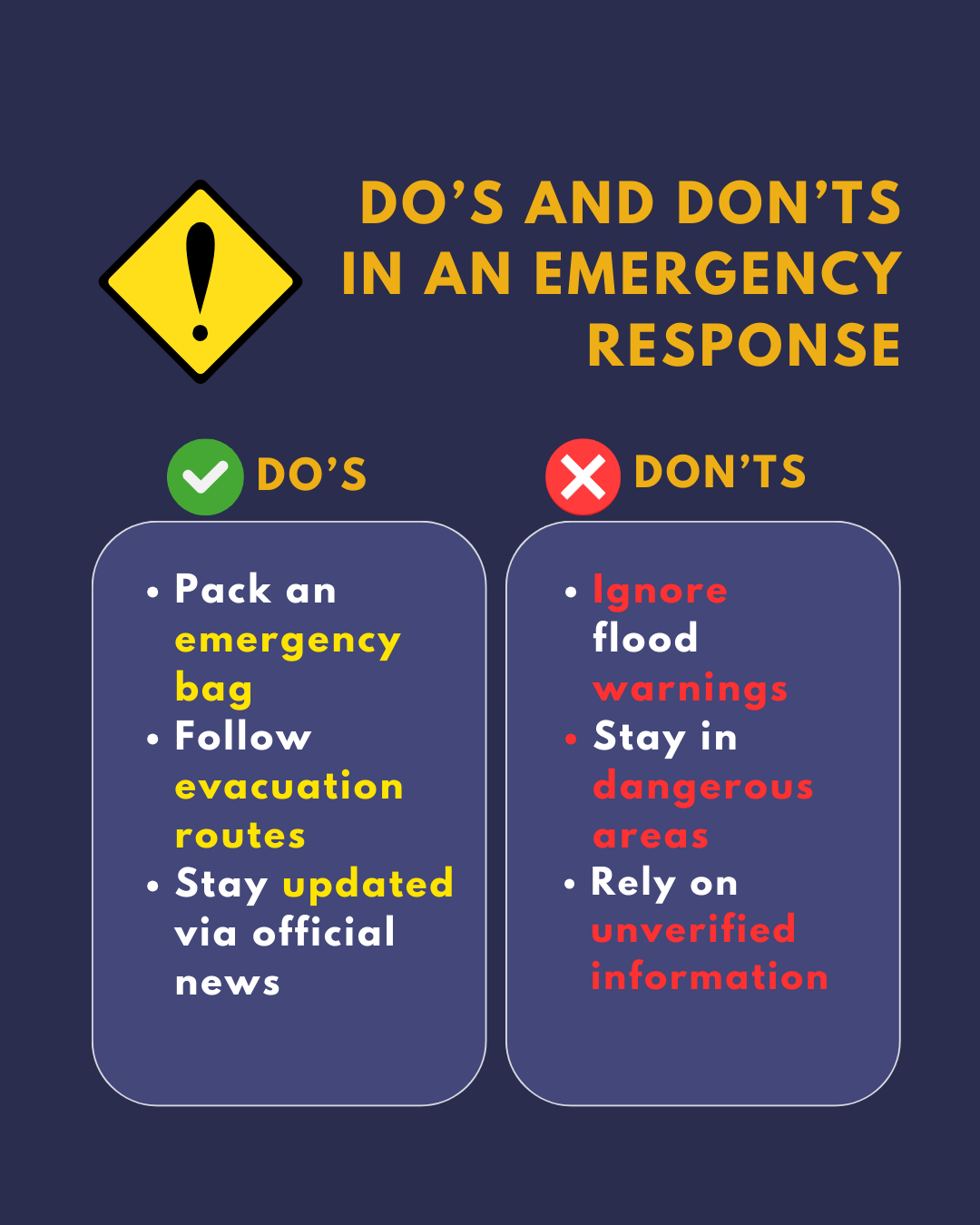
Essential emergency response tips: Pack an emergency bag, follow evacuation routes, stay updated, and avoid misinformation during crises
Explore more articles

Dari RAKAN Sarawak

Facilitating Creativity and Innovation in SCS
At the recent INTAN Public Lecture held in conjunction with Sarawak-level Bulan Inovasi this year, STIU Director Tuan Superi bin Awang Said highlighted the unit’s role in inculcating creativity and innovation in the Sarawak civil service.
Dari RAKAN Sarawak
Recognising the Voices of Children
Since 1996, UNICEF has been leading a global initiative the emphasises the significance of child participation in the development of cities and communities.
Dari RAKAN Sarawak

A Sustainable Solution for Rural Poverty in Malaysia
The Agropolitan Program is a rural poverty eradication initiative in Malaysia, enhancing livelihoods through agriculture and infrastructure development, empowering communities to break the poverty cycle and achieve economic self-sufficiency.
Dari RAKAN Sarawak

Mengurangkan Jejak Karbon Tanggungjawab Semua
Jejak karbon merujuk pada jumlah keseluruhan gas rumah hijau (GHG) yang dilepaskan ke ruang atmosfera yang apabila dibebaskan akan memerangkap haba.
Jika semakin banyak gas...
Dari RAKAN Sarawak
STEM Memacu Pembangunan Ekonomi Negara
Aliran STEM (Sains, Teknologi, Kejuruteraan, Matematik) merupakan satu bentuk pembelajaran bersepadu disiplin Sains, Teknologi, Kejuruteraan dan Matematik yang mengaplikasikan konteks dunia sebenar dengan menghubungkan institusi pendidikan, komuniti dan industri untuk melahirkan bakat dan masyarakat berliterasi STEM ke arah memacu pembangunan ekonomi negara.
Dari RAKAN Sarawak

Menyemarakkan Pembangunan Komuniti Luar Bandar
Projek agropolitan merupakan inisiatif yang diperkenalkan oleh Kerajaan Malaysia menerusi Kementerian Kemajuan Desa dan Wilayah (KKDW) bagi mencapai matlamat menghapuskan kemiskinan tegar di negara kita.