


Just innews timeline
- 1 month ago
- 1 month ago
- 1 month ago
- 1 month ago
- 1 month ago
- 1 month ago
- 1 month ago
- 2 months ago
- 2 months ago
- 2 months ago
- Advertisement -
Recent Articles
Dari RAKAN Sarawak

Inclusive Neutral Ground for Community Resilience and Connection
Accessible, levelling community hubs where conversation and creativity foster authentic bonds, resilience, and offer nurturing refuge from daily pressures. These inclusive settings bridge divides, empowering everyday support networks and translating inclusive policies into tangible, lasting human connections, strengthening overall well-being.
Dari RAKAN Sarawak
Agriculture As A Sustainable, Inclusive, And Well-Governed Business
Sarawak's agribusiness transformation advances through strategic agro-parks and digital innovation, yet governance gaps in contract farming, Native Customary Rights tenure, and fragmented execution constrain inclusive growth. Achieving sustainable, well-governed business requires institutional consolidation, tenure reform, and full alignment with SDG and ESG principles to realise rural prosperity.
Dari RAKAN Sarawak
Aligning Sarawak’s Agribusiness with SDG and ESG Principles for Global Market Access
Sarawak's agribusiness transformation must integrate Sustainable Development Goals and ESG principles to access premium international markets, yet systematic alignment with poverty reduction, climate action, environmental stewardship, and social inclusion targets reveals uncomfortable gaps that demand urgent policy attention and institutional reform.
Dari RAKAN Sarawak

Sarawak’s Agricultural Ambitions From Policy to Practice
Sarawak's agricultural transformation faces critical execution challenges as institutional fragmentation, aging extension services, inadequate market access infrastructure, and neglect of local agri-SMEs undermine the Premier's vision of a commercially vibrant, high-income farming sector capable of achieving net food exporter status by 2030.
Dari RAKAN Sarawak
Agriculture as Business: Sarawak’s Farm Sector Transformation
Sarawak's ambitious agribusiness transformation under PCDS 2030 has delivered measurable economic gains, with the sector contributing RM15.1 billion to state GDP in 2024 and employing 247,400 people, yet persistent governance gaps in contract farming, NCR land tenure, and institutional fragmentation threaten to confine progress to isolated pockets rather than achieve broad-based rural prosperity.
Dari RAKAN Sarawak
The Action Agenda for Transformative Change
The Bumiputera Economic Congress 2024 resolutions for Sarawak set measurable targets, including listings and enterprise upgrades, backed by collaborative implementation, TERAJU financing, and strategic communication. Execution demands political will to ensure inclusive, transformative, and sustainable economic participation for all Sarawakians.
discover
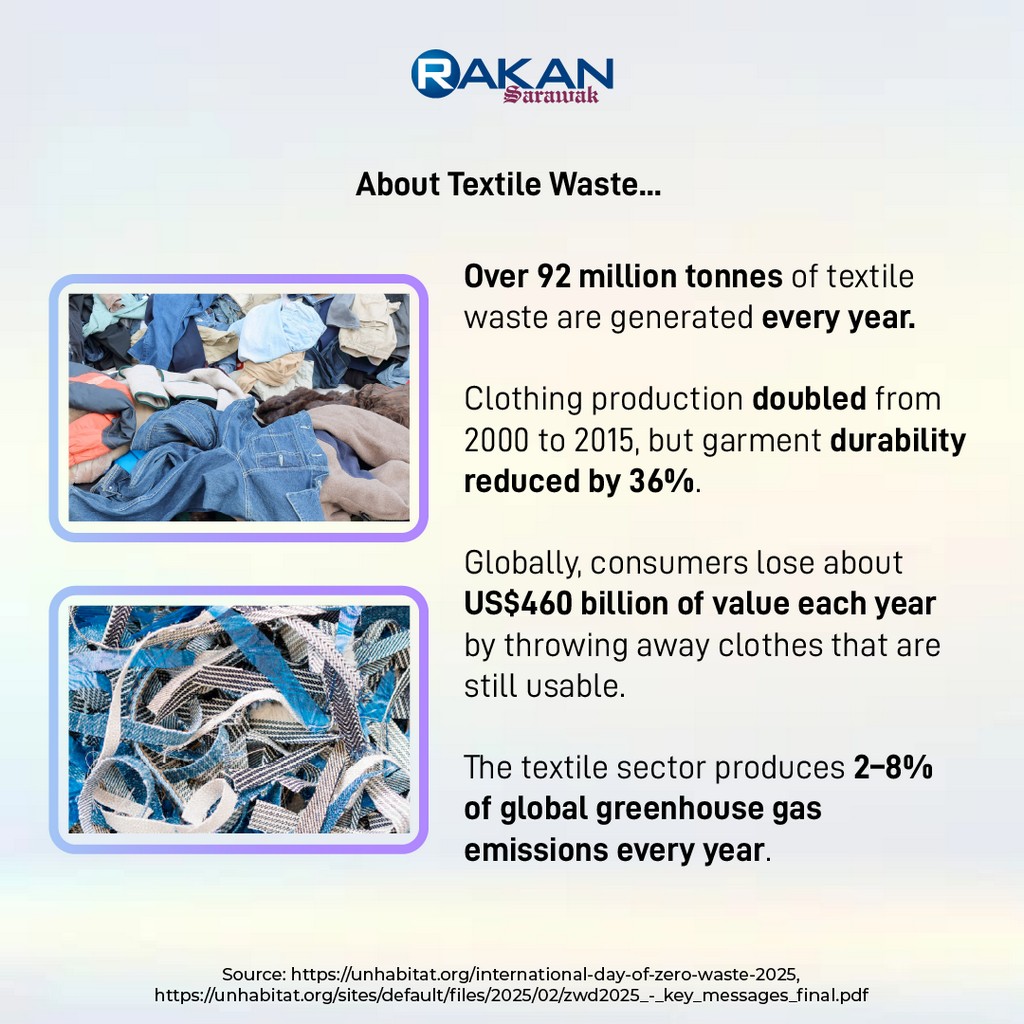
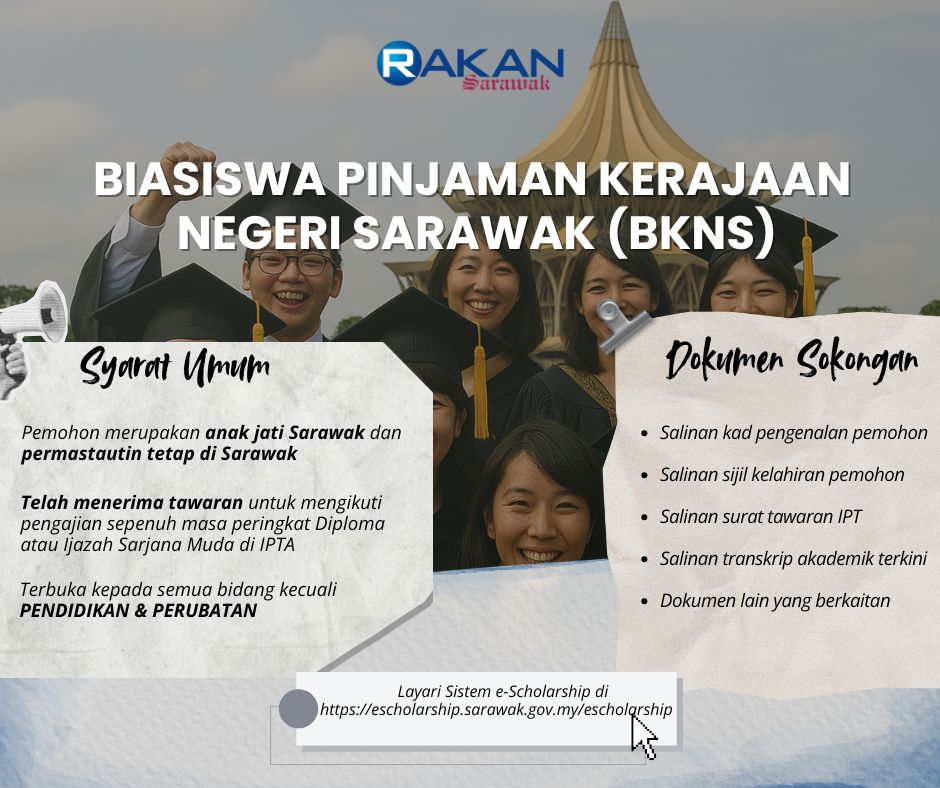
Infographic
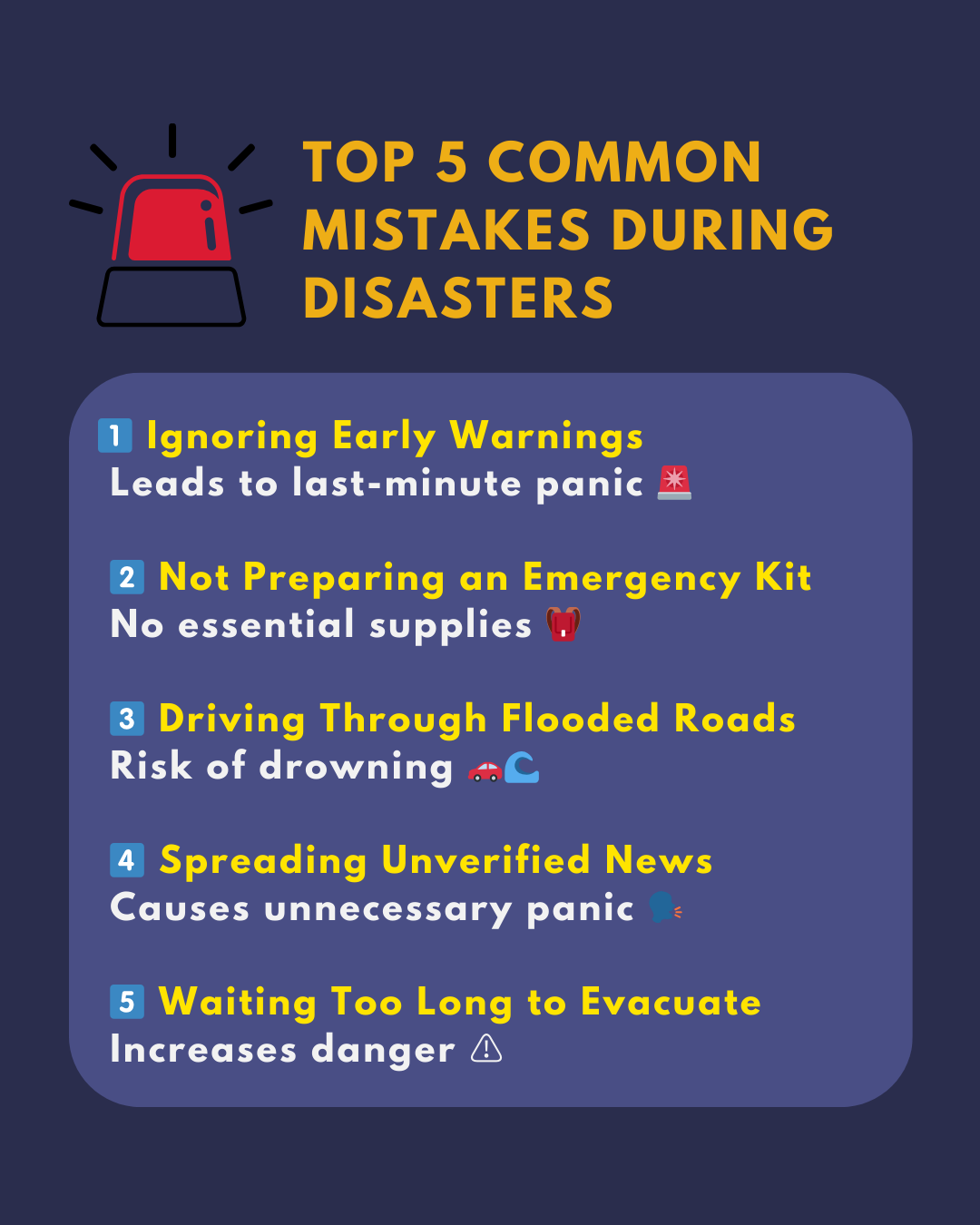
Avoid common disaster mistakes: Heed warnings, prepare an emergency kit, avoid flooded roads, verify news, and evacuate on time


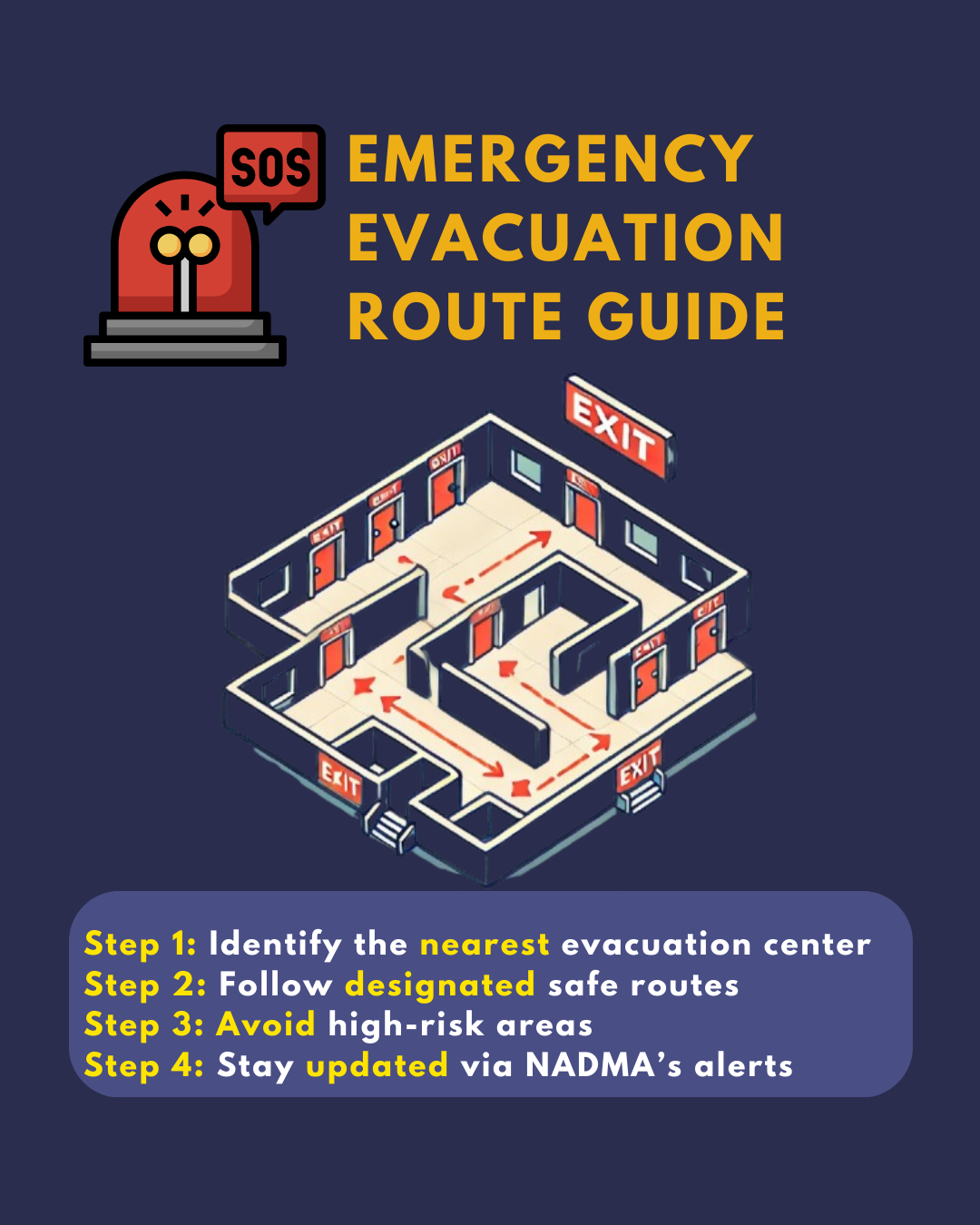
Emergency evacuation guide: Locate the nearest center, follow safe routes, avoid danger zones, and stay updated with NADMA alerts
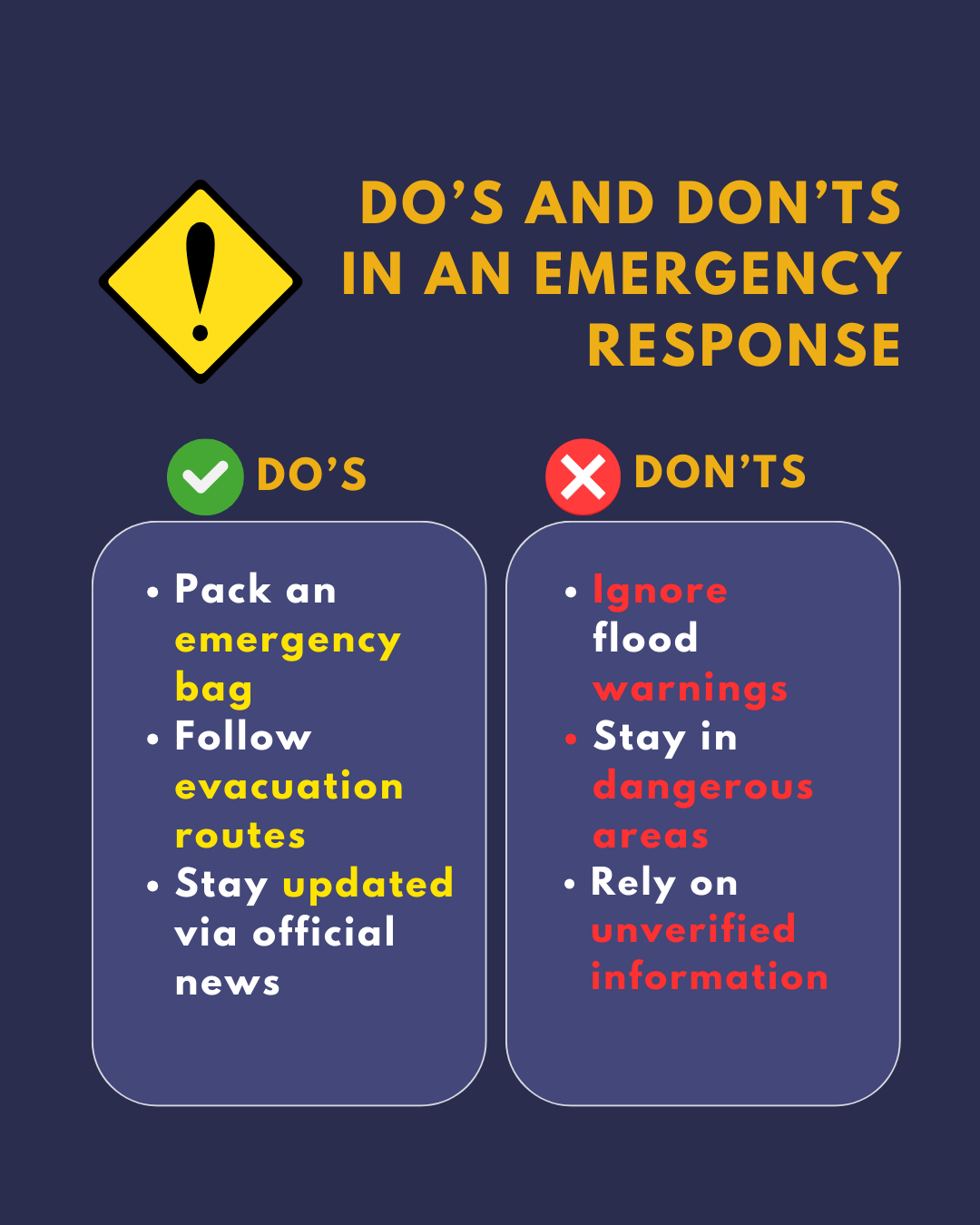
Essential emergency response tips: Pack an emergency bag, follow evacuation routes, stay updated, and avoid misinformation during crises
Explore more articles

Dari RAKAN Sarawak

SUKMA XXI Sarawak 2024 Temasya Terbesar Dalam Sejarah
Sukan Malaysia (SUKMA) adalah temasya sukan yang dianjurkan oleh Majlis Sukan Negara (MSN) Malaysia dengan kerjasama Majlis Olimpik Malaysia (MOM), Persatuan Sukan Kebangsaan serta kerajaan negeri yang terlibat dalam penganjuran temasya sukan remaja secara dwitahunan.
Kuching

A Milestone in Marine Biodiversity Conservation
The Reef Ball Project in Sarawak, an innovative marine conservation initiative, has significantly enhanced both the region’s biodiversity and economy. By deploying artificial reef structures made from marine friendly concrete along Sarawak’s coastline, the project has created extensive new habitats for marine life, boosting local fisheries and contributing to global biodiversity preservation. Internationally recognized for creating the world’s longest artificial reef barrier, this initiative supports sustainable livelihoods for local communities and promotes ecotourism. The project exemplifies how environmental conservation can align with economic development, positioning Sarawak as a global leader in marine biodiversity conservation.
Dari RAKAN Sarawak

Understanding Sports Tourism
An overview of one of the fastest-growing sectors in tourism that goes beyond visitors watching world-class sports events.
Dari RAKAN Sarawak

Dato Sri Abdul Ghafur bin Shariff, Ketua Ombudsman Sarawak Yang Pertama
Pelantikan Dato Sri Abdul Ghafur sebagai Ketua Ombudsman Sarawak yang pertama menandakan satu lagi sejarah Sarawak sebagai negeri pertama di Malaysia yang menguatkuasakan undang-undang berkaitan sistem Ombudsman apabila Dewan Undangan Negeri Sarawak meluluskan Sarawak Ombudsman Ordinance, 2023 pada 20 November 2023.
Dari RAKAN Sarawak
Peranan Penting Penyelidikan Hutan di Sarawak
Bahagian Penyelidikan, Pembangunan (RDD) Jabatan Hutan Sarawak (JHS) telah mula beroperasi di Jalan Badruddin, Kuching pada tahun 1961, kemudian pada tahun 1996, RDD JHS telah berpindah ke KM10, Jalan Datuk Amare Kalong Ningkan.
Dari RAKAN Sarawak

RM17 bilion Diperlukan Bagi Menaiktaraf Kemudahan Kesihatan Daif di Sarawak
Sarawak memerlukan peruntukan besar untuk menaiktaraf, membaik pulih dan membina semula kemudahan kesihatan.