


Just innews timeline
- 1 week ago
- 2 weeks ago
- 3 weeks ago
- 4 weeks ago
- 1 month ago
- 1 month ago
- 1 month ago
- 1 month ago
- 1 month ago
- 1 month ago
- Advertisement -
Recent Articles
Dari RAKAN Sarawak

The Numbers That Demand Accountability
Sarawak aims for RM282 billion GDP by 2030, but Bumiputera, 72% of the population, own only 5% of businesses, mostly micro-enterprises lacking capital and access to AI and green sectors. This stark disparity demands urgent accountability for truly inclusive, equitable growth.
Dari RAKAN Sarawak
More Than Place: Living Third Spaces Heal Communities
Living Third Spaces are not just locations but webs of relationships that heal communities. Data from Sarawak and global studies prove that regular, levelling, non-clinical hubs build resilience, reduce clinical strain, and transform participants into everyday mental health first responders.
Dari RAKAN Sarawak
Masking Struggle – Behind the Smile
In Sarawak, where 79% of suicides are men, masking pain behind a smile is a deadly norm. RSDM's Third Spaces, ALEC model, peer support, and creative expression transform vulnerability into healing, offering practical coping tools and authentic human connection
Dari RAKAN Sarawak
Unaddressed Mental Health Crisis Derails Sarawak’s 2030 Ambitions
Sarawak’s mental health crisis, as surging helpline calls, high suicide rates among young men, and 35.8% prevalence, imperils the PCDS 2030 vision. Depression erodes productivity, unity, and environmental stewardship, demanding urgent community-rooted mental health investment now to avert severe economic and social collapse.
Dari RAKAN Sarawak
Inclusive Neutral Ground for Community Resilience and Connection
Accessible, levelling community hubs where conversation and creativity foster authentic bonds, resilience, and offer nurturing refuge from daily pressures. These inclusive settings bridge divides, empowering everyday support networks and translating inclusive policies into tangible, lasting human connections, strengthening overall well-being.
Dari RAKAN Sarawak
Agriculture As A Sustainable, Inclusive, And Well-Governed Business
Sarawak's agribusiness transformation advances through strategic agro-parks and digital innovation, yet governance gaps in contract farming, Native Customary Rights tenure, and fragmented execution constrain inclusive growth. Achieving sustainable, well-governed business requires institutional consolidation, tenure reform, and full alignment with SDG and ESG principles to realise rural prosperity.
discover
Infographic
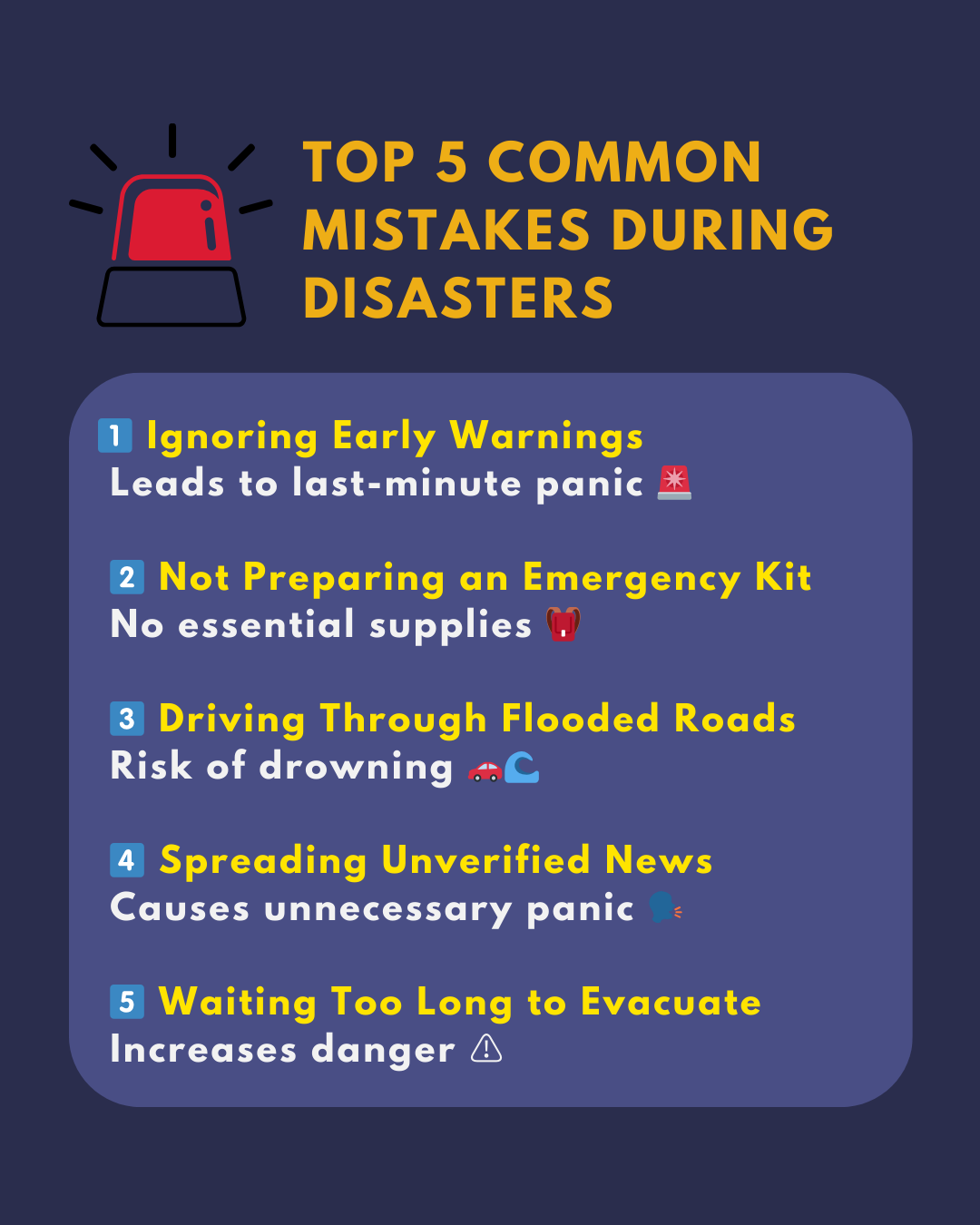
Avoid common disaster mistakes: Heed warnings, prepare an emergency kit, avoid flooded roads, verify news, and evacuate on time


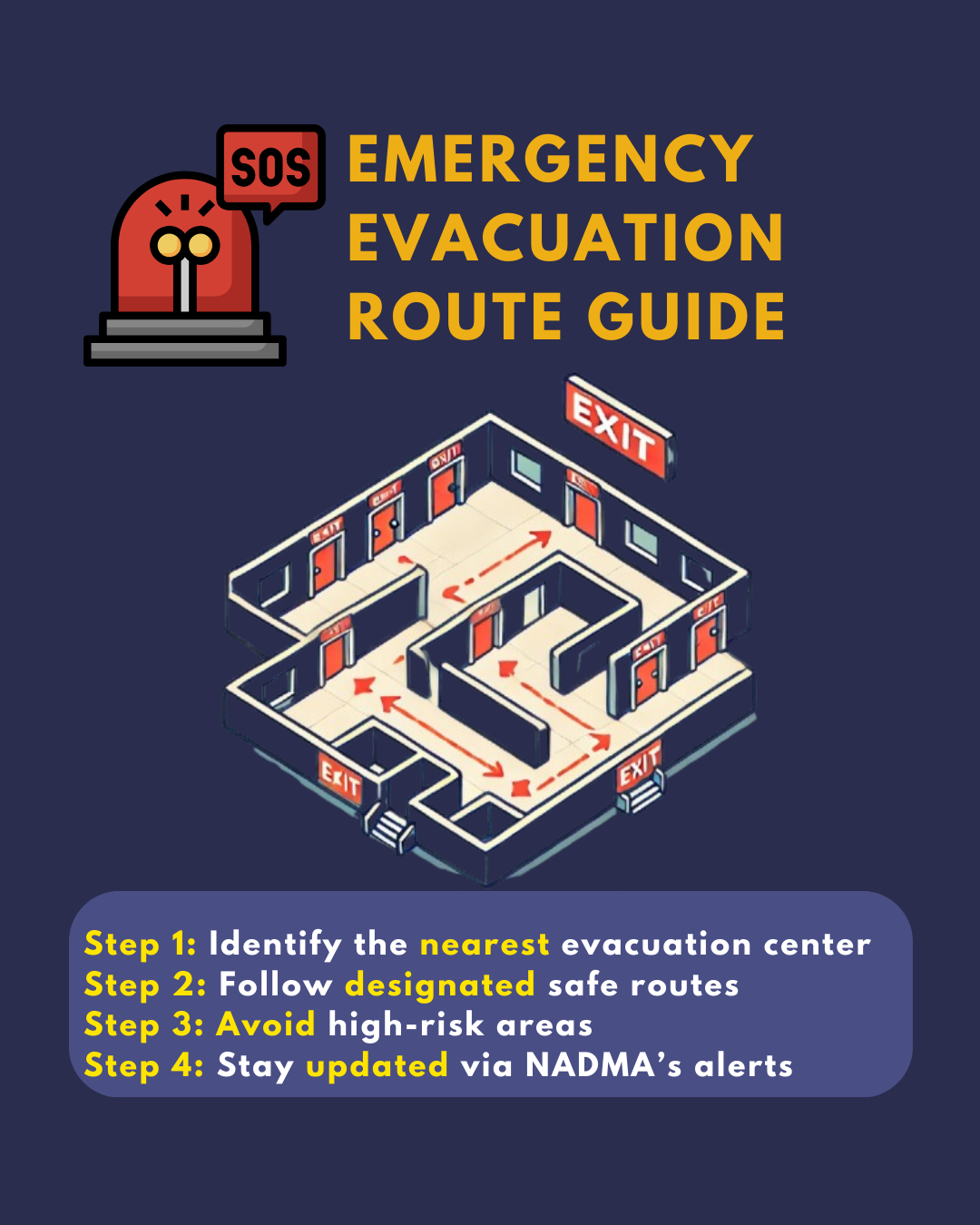
Emergency evacuation guide: Locate the nearest center, follow safe routes, avoid danger zones, and stay updated with NADMA alerts
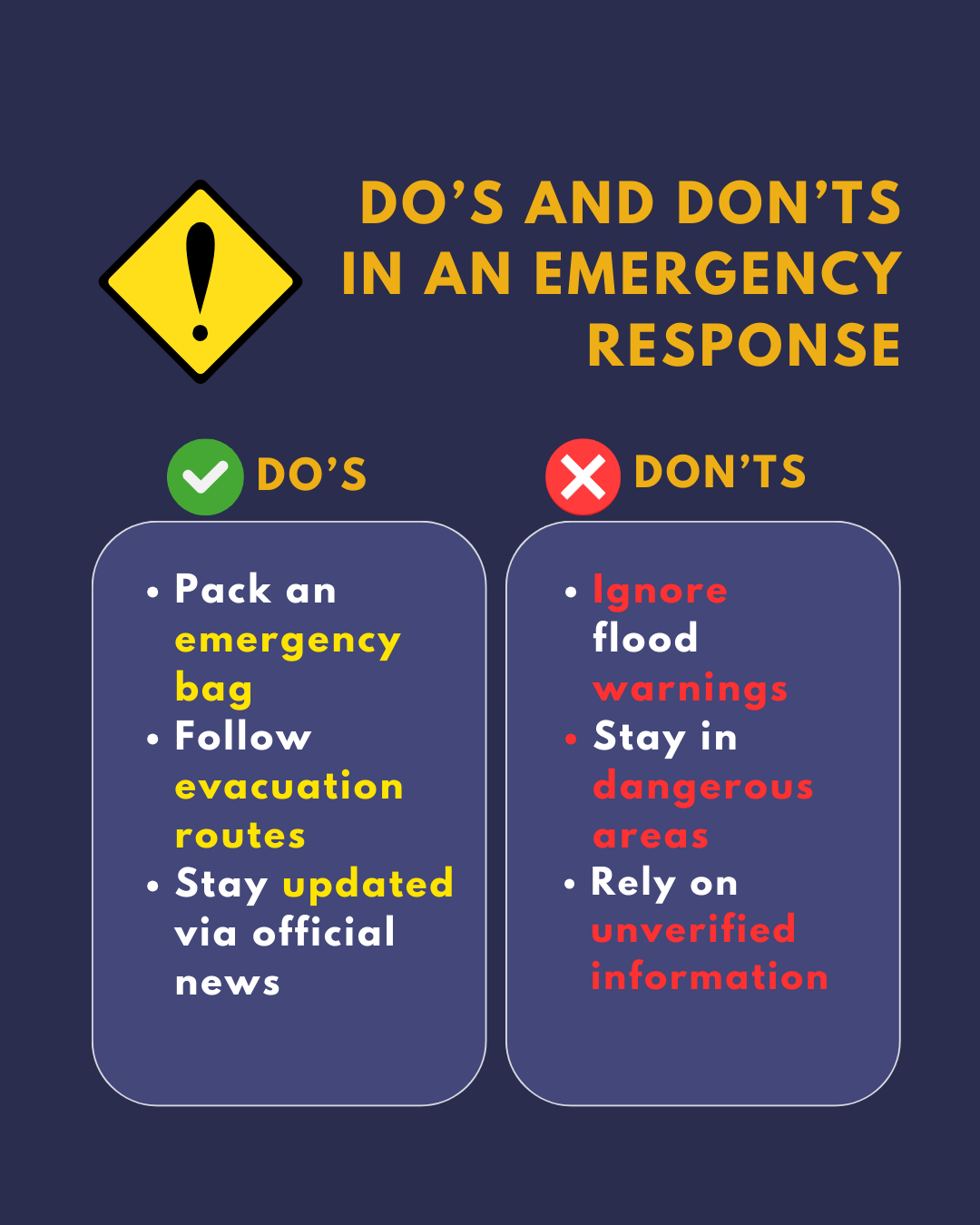
Essential emergency response tips: Pack an emergency bag, follow evacuation routes, stay updated, and avoid misinformation during crises
Explore more articles

Dari Sematan ke Merapok

IKBN Miri Lahirkan Tenaga Kerja Mahir Berdaya Saing
Institut Kemahiran Belia Negara (IKBN) Miri ditubuhkan pada 2002. IKBN Miri menawarkan tiga (3) program utama, iaitu Program Automotif, Program Mekanikal dan Program Hospitaliti.
Dari RAKAN Sarawak

Innovating Sarawak’s Infrastructure
The JKR Sarawak Research Centre, established in 2014, advances Sarawak's infrastructure with innovative materials, sustainable practices, and strategic collaborations, setting new standards in quality, efficiency, and environmental responsibility.
Dari RAKAN Sarawak

Membangun Sri Aman Berteras Kesejahteraan Rakyat dan Kelestarian Ekonomi
Agensi Pembangunan Sri Aman (SADA) akan terus melonjakkan Bahagian Sri Aman ke satu aras yang lebih tinggi seiring dengan aspirasi Sarawak untuk menjadi negeri maju menjelang 2030.
Dari RAKAN Sarawak
Penyelidikan dan Pembangunan Tingkatkan Produktiviti Sagu
CRAUN Research Sdn Bhd adalah sebuah syarikat milik Kerajaan Sarawak yang telah ditubuhkan khusus untuk menjalankan aktiviti Penyelidikan dan Pembangunan (P&P) ke atas sagu dan tanaman lain yang digunakan dengan potensi komersial.
Betong
Perkembangan Sektor Pertanian di Serian-Sri Aman-Betong-Sarikei
Sektor pertanian kekal relevan untuk menyokong perkembangan ekonomi di samping memenuhi keperluan rakyat Sarawak pada masa kini dan masa akan datang.
Dari RAKAN Sarawak
Melahirkan Tenaga Kerja Mahir dan Berdaya Saing
Institut Kemahiran Belia Negara (IKBN) Miri adalah sebuah institusi berteraskan kemahiran yang bernaung di bawah Kementerian Belia dan Sukan (KBS) Malaysia.