


Just innews timeline
- 3 days ago
- 6 days ago
- 1 week ago
- 1 week ago
- 2 weeks ago
- 2 weeks ago
- 2 weeks ago
- 2 weeks ago
- 2 weeks ago
- 3 weeks ago
- Advertisement -
Recent Articles
Dari RAKAN Sarawak

Build to Last, Not Just to Impress
Sarawak’s RM52.4 billion infrastructure pipeline is impressive, but real progress means keeping parks, benches, and public toilets in good repair. Let’s move from a build-and-abandon culture to caring for our shared spaces together. Small maintenance habits create lasting community pride.
Dari RAKAN Sarawak
Malaysia Perangi Ancaman Digital
Rang Undang-Undang Jenayah Siber 2026 Malaysia menangani penggodaman, deepfake, perisian tebusan, penipuan dipacu AI dan dalam talian, menggantikan undang-undang 1997. Selaras dengan konvensyen Budapest dan PBB, ia menangani 66,000 kes pada 2023, melindungi alam digital sambil memelihara hak serta privasi.
Dari RAKAN Sarawak
Escaping the Debt Trap in a Digitalising Sarawak
Sarawak’s civil service excellence now demands financial resilience alongside digital readiness. With household debt at RM1.73 trillion and bankruptcy risks rising among officers, disciplined budgeting, prudent investing, and early debt counselling are no longer private concerns but essential professional safeguards for delivering the state’s PCDS 2030 ambitions.
Berita dari Putrajaya
Why Does Malaysia Even Bother Measuring “Unity”?
Malaysia's true multi-ethnic citizenry - Melayu, Cina, India, Sabah and Sarawak Bumiputera, is rigorously gauged by IPNas 2025, which achieved its own 0.701 national unity benchmark, demonstrating that despite divisive online rhetoric, active integration policies are steadily narrowing the social deficit.
Berita dari Putrajaya
Malaysia’s Unity Score Reaches 0.701, Fair Governance Key
Malaysia's IPNas 2025 unity score reached 0.701, moderate-high, improving from 0.567 in 2018. Fair governance, cross-ethnic trust, and national pride are key drivers. Sarawak scored highest; Kedah lowest. Regional gaps and social deficits persist, requiring equitable development to sustain unity.
Dari RAKAN Sarawak
Sarawak’s Free Tuition Model Needs a Broader Sustainability Vision
Sarawak's FTES offers targeted tuition and living stipends for strategic degrees, but its STEM-heavy focus overlooks rural needs. True sustainability requires expanding support to include community development, indigenous studies, and agribusiness, building both industrial capacity and enduring social resilience.

discover
Infographic
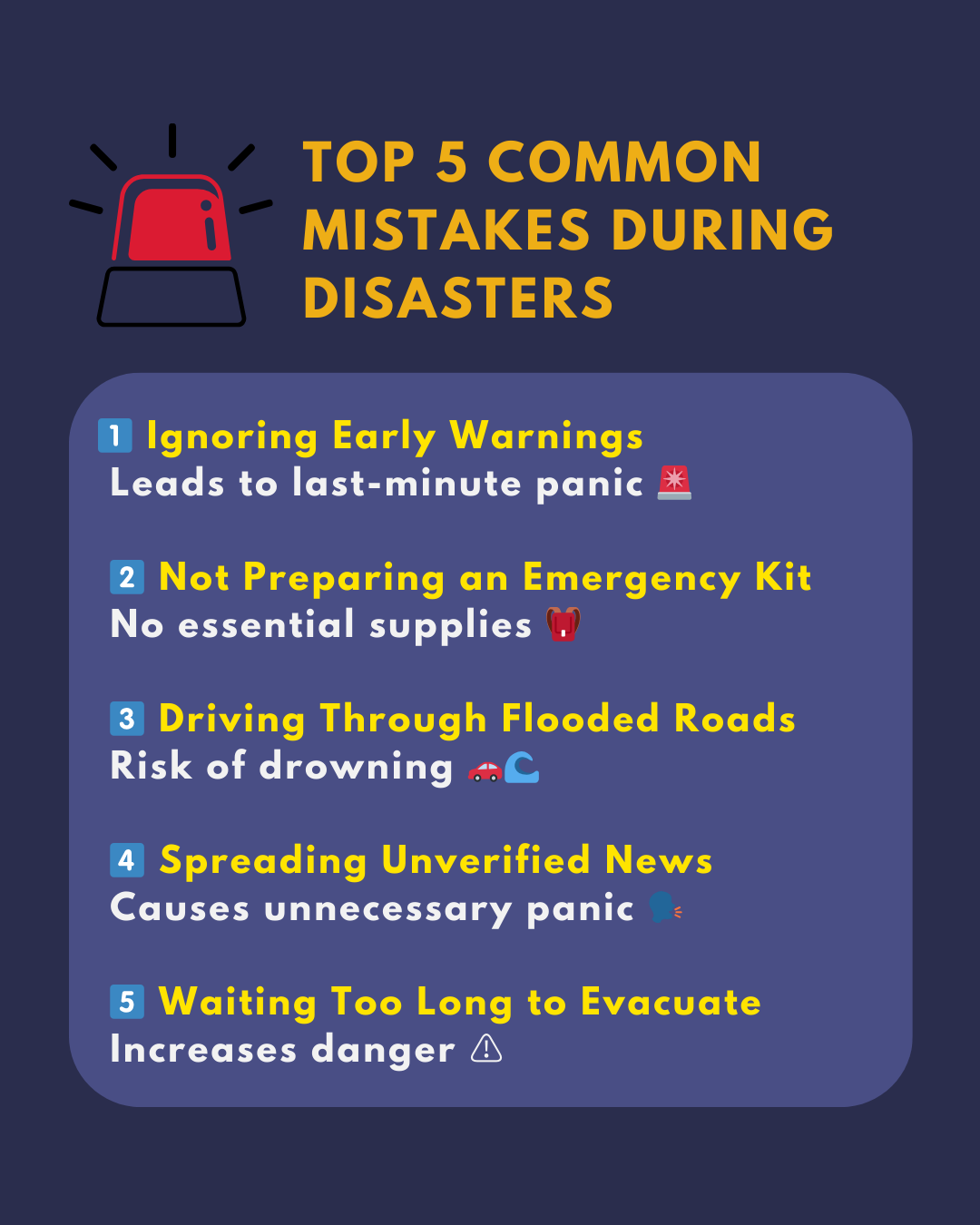
Avoid common disaster mistakes: Heed warnings, prepare an emergency kit, avoid flooded roads, verify news, and evacuate on time


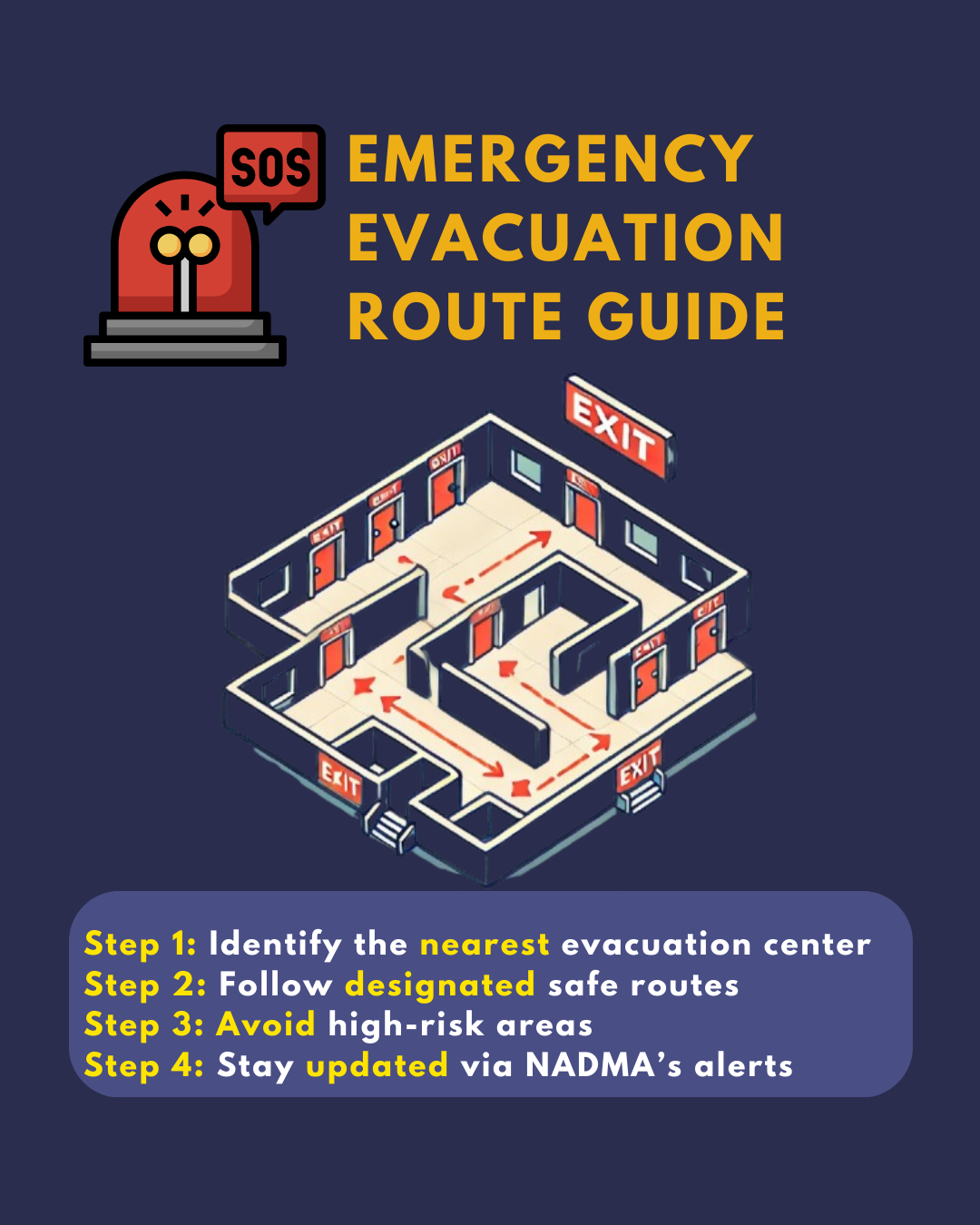
Emergency evacuation guide: Locate the nearest center, follow safe routes, avoid danger zones, and stay updated with NADMA alerts
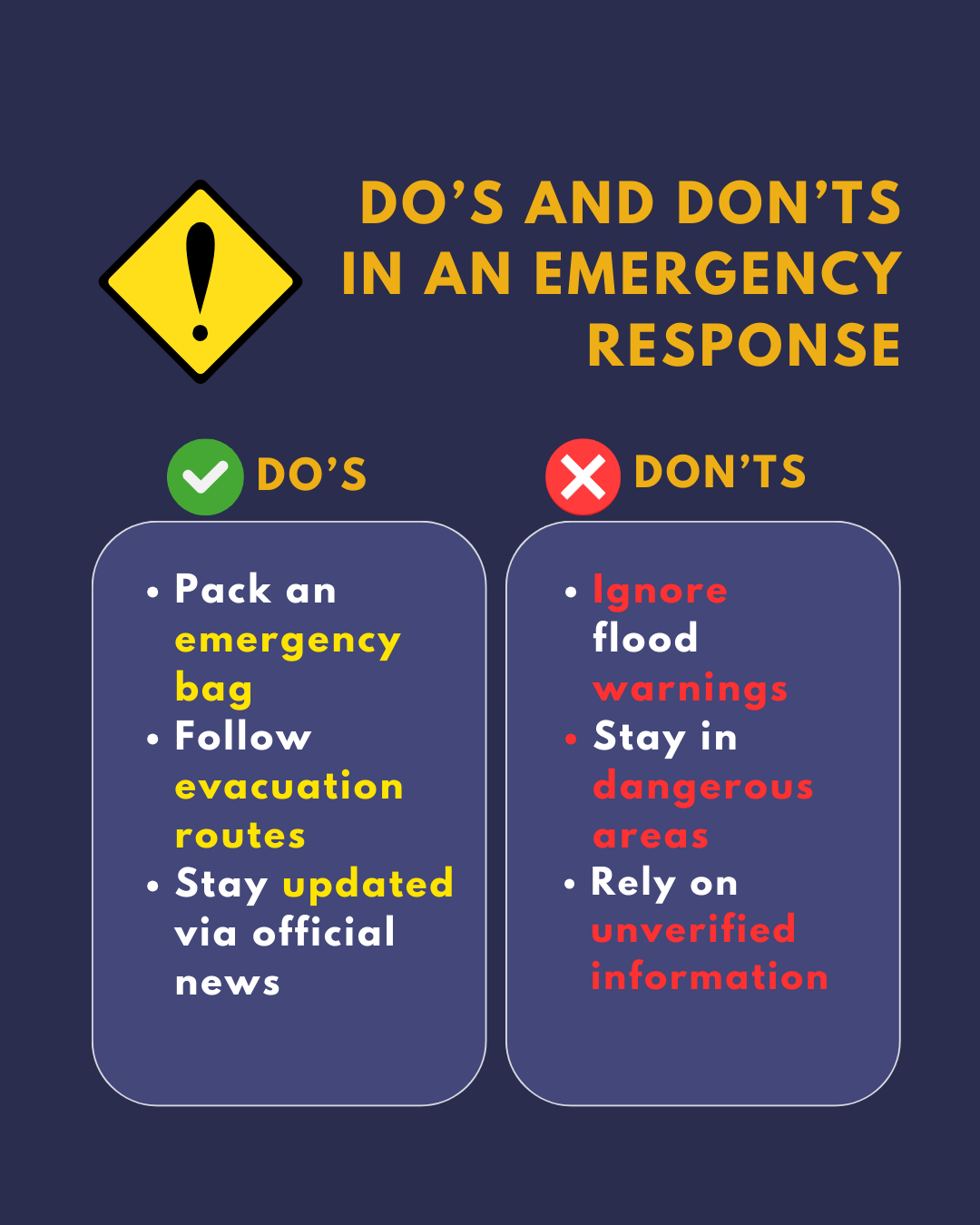
Essential emergency response tips: Pack an emergency bag, follow evacuation routes, stay updated, and avoid misinformation during crises
Explore more articles

Dari RAKAN Sarawak

Bandar Mesra Alam dan Rendah Karbon
Sebagai entiti yang berada di peringkat pentadbiran yang paling dekat dengan rakyat, PBT perlu memainkan peranan yang penting dan aktif dalam mendidik, menggerak dan memberi respons kepada masyarakat serta mempromosi pembangunan yang mampan dan inklusif.
Dari RAKAN Sarawak

Stesen Perikanan Darat Kabuloh Hasilkan Benih Ikan Berkualiti
Antara objektif Bahagian Perikanan Darat Sarawak adalah untuk menjamin keperluan sumber makanan mencukupi dan selamat dimakan serta meningkatkan pendapatan keluarga penternak dan pengusaha akuakultur selain untuk menjadi negeri pengeksport sumber perikanan pertama menjelang 2030.
Dari RAKAN Sarawak
RDD Pusat Penyimpanan Khazanah Flora Dan Fauna
Bahagian Penyelidikan, Pembangunan (RDD) Jabatan Hutan Sarawak (JHS) adalah agensi yang bertanggungjawab ke atas penyelidikan perhutanan negeri serta dokumentasi biodiversiti flora, fauna, dan persekitaran hutan.
Dari RAKAN Sarawak

Kerajaan Pemudah Cara Perkasa Masyarakat Digital
Kerajaan Sarawak berhasrat mempercepat liputan telekomunikasi penuh ke semua kawasan berpenduduk di Sarawak dan dilaksanakan secara proaktif dan disusuli dengan program intervensi di bawah inisiatif SALURAN dengan peruntukan sebanyak RM2.25 bilion.
Dari RAKAN Sarawak

Why Sport Investment Matters
Far more than producing world-class athletes, governments across the globe are investing in various aspects of sport in ways that benefit the people. Infrastructure, in particular, is one such investment, as demonstrated by recent initiatives in Sarawak.
Dari RAKAN Sarawak

Transforming Sarawak’s Marine Ecosystem and Economy
Sarawak's Reef Ball Project is a pioneering marine conservation effort that is transforming the state's coastal waters into thriving ecosystems while boosting the local economy. By deploying artificial reef structures made from marine-friendly concrete, the project enhances marine biodiversity and supports sustainable fisheries. Internationally recognized for creating the world's longest artificial reef barrier, this initiative underscores Sarawak's commitment to environmental conservation and economic growth. With strong government support and community involvement, the project is a key component of Sarawak's blue economy strategy, demonstrating how environmental and economic objectives can be achieved simultaneously for a sustainable future.