

Just innews timeline
- 1 week ago
- 2 weeks ago
- 3 weeks ago
- 4 weeks ago
- 1 month ago
- 1 month ago
- 1 month ago
- 1 month ago
- 1 month ago
- 1 month ago
- Advertisement -
Recent Articles
Dari RAKAN Sarawak

The Numbers That Demand Accountability
Sarawak aims for RM282 billion GDP by 2030, but Bumiputera, 72% of the population, own only 5% of businesses, mostly micro-enterprises lacking capital and access to AI and green sectors. This stark disparity demands urgent accountability for truly inclusive, equitable growth.
Dari RAKAN Sarawak
More Than Place: Living Third Spaces Heal Communities
Living Third Spaces are not just locations but webs of relationships that heal communities. Data from Sarawak and global studies prove that regular, levelling, non-clinical hubs build resilience, reduce clinical strain, and transform participants into everyday mental health first responders.
Dari RAKAN Sarawak
Masking Struggle – Behind the Smile
In Sarawak, where 79% of suicides are men, masking pain behind a smile is a deadly norm. RSDM's Third Spaces, ALEC model, peer support, and creative expression transform vulnerability into healing, offering practical coping tools and authentic human connection
Dari RAKAN Sarawak
Unaddressed Mental Health Crisis Derails Sarawak’s 2030 Ambitions
Sarawak’s mental health crisis, as surging helpline calls, high suicide rates among young men, and 35.8% prevalence, imperils the PCDS 2030 vision. Depression erodes productivity, unity, and environmental stewardship, demanding urgent community-rooted mental health investment now to avert severe economic and social collapse.
Dari RAKAN Sarawak
Inclusive Neutral Ground for Community Resilience and Connection
Accessible, levelling community hubs where conversation and creativity foster authentic bonds, resilience, and offer nurturing refuge from daily pressures. These inclusive settings bridge divides, empowering everyday support networks and translating inclusive policies into tangible, lasting human connections, strengthening overall well-being.
Dari RAKAN Sarawak
Agriculture As A Sustainable, Inclusive, And Well-Governed Business
Sarawak's agribusiness transformation advances through strategic agro-parks and digital innovation, yet governance gaps in contract farming, Native Customary Rights tenure, and fragmented execution constrain inclusive growth. Achieving sustainable, well-governed business requires institutional consolidation, tenure reform, and full alignment with SDG and ESG principles to realise rural prosperity.
discover
Infographic
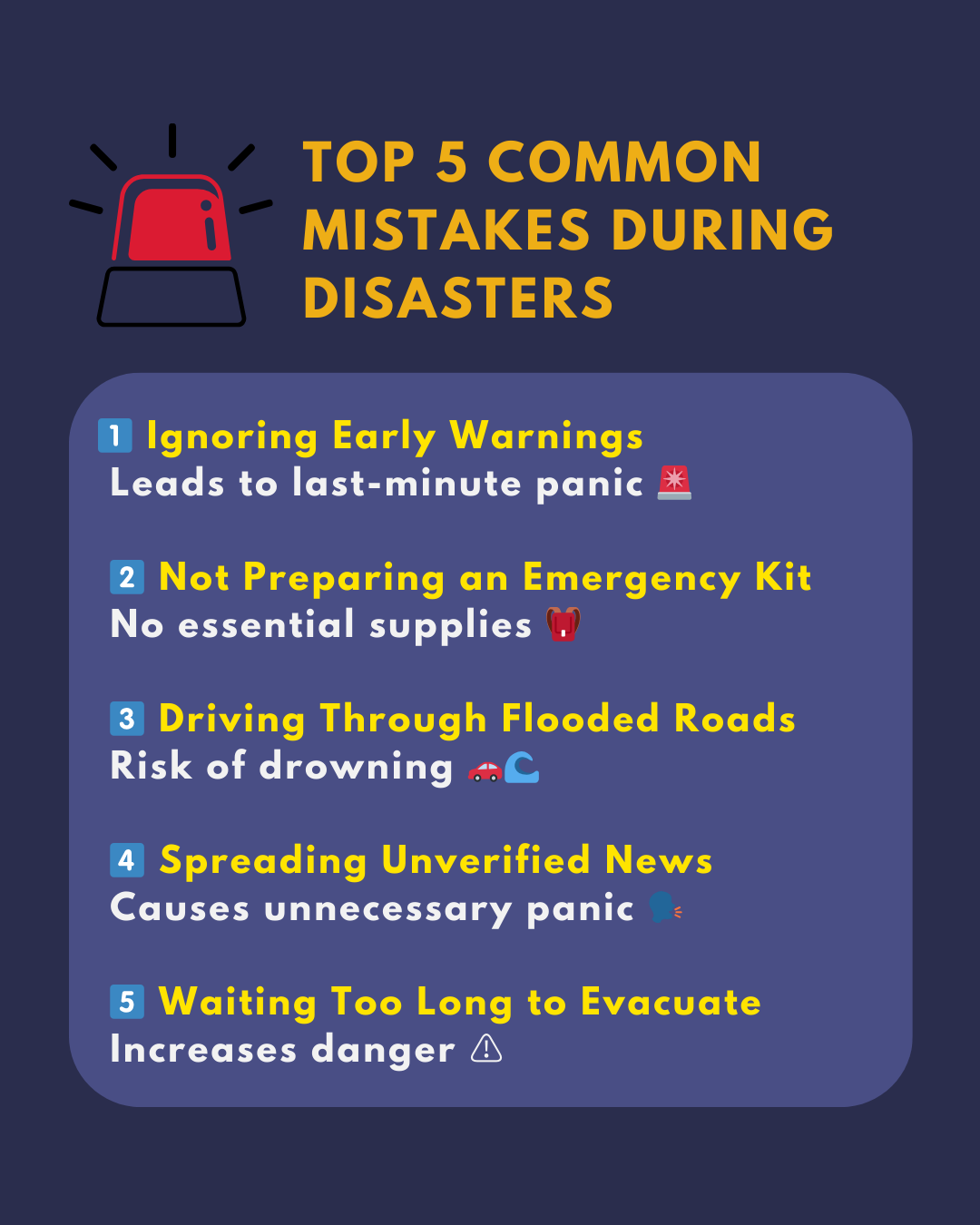
Avoid common disaster mistakes: Heed warnings, prepare an emergency kit, avoid flooded roads, verify news, and evacuate on time


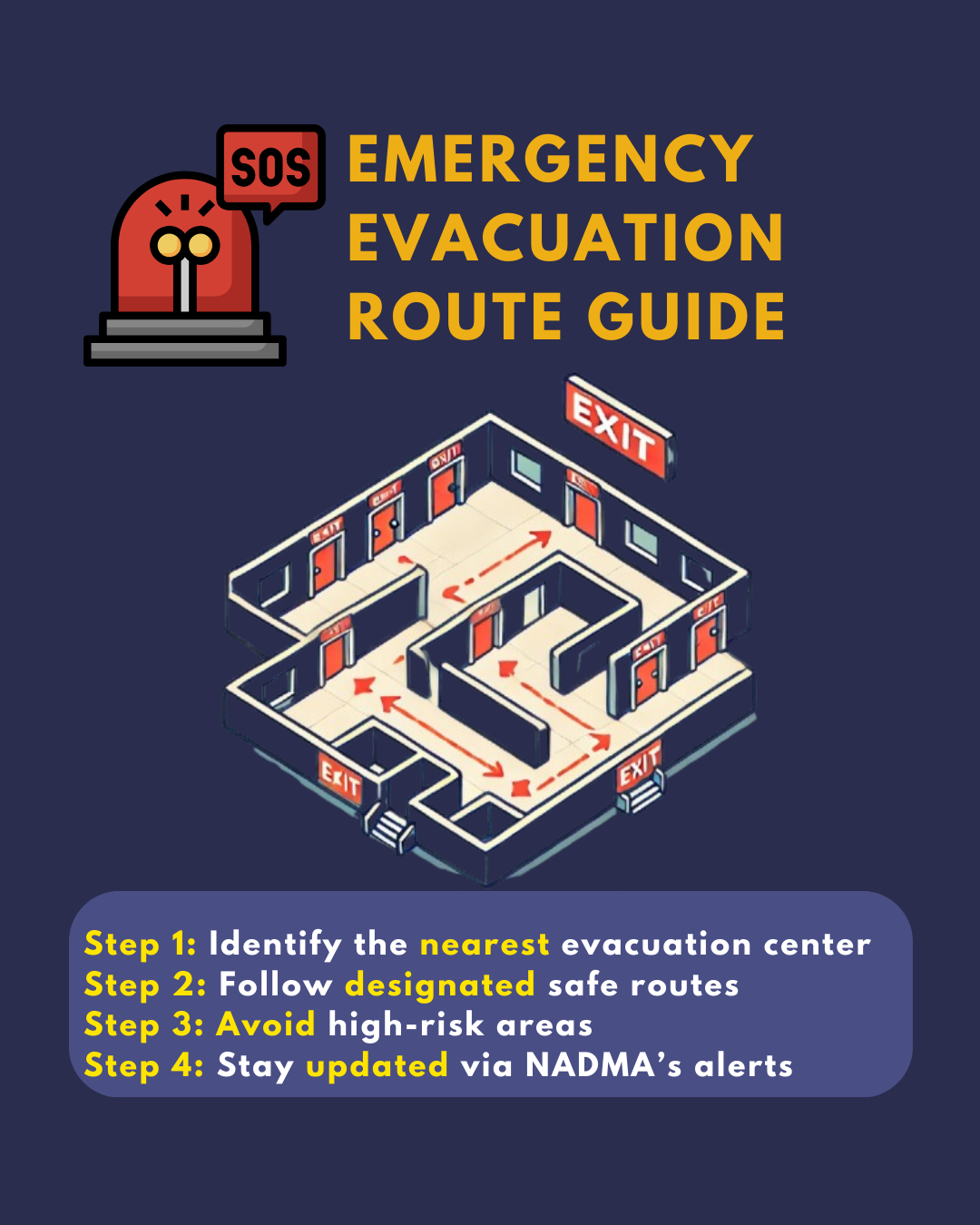
Emergency evacuation guide: Locate the nearest center, follow safe routes, avoid danger zones, and stay updated with NADMA alerts
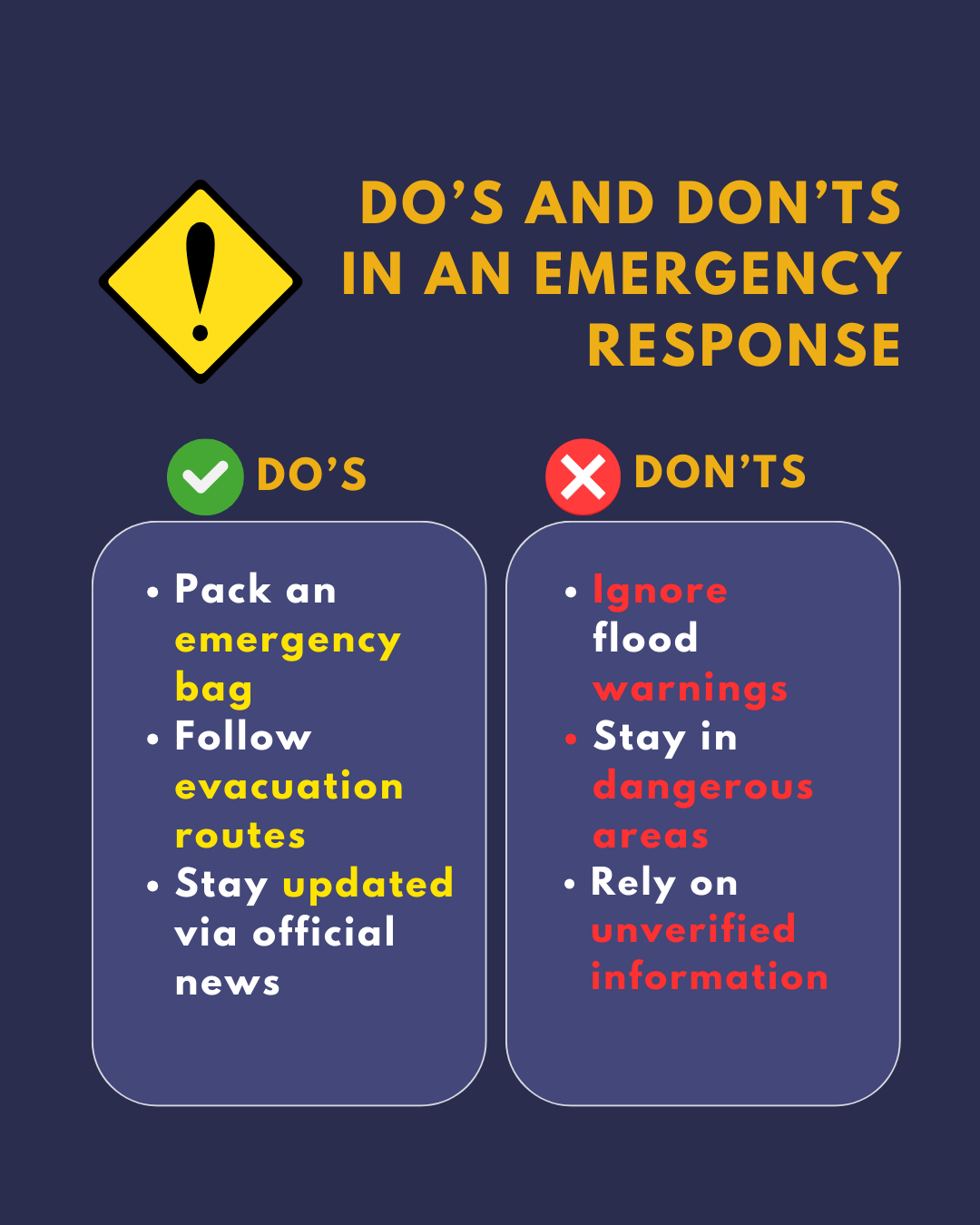
Essential emergency response tips: Pack an emergency bag, follow evacuation routes, stay updated, and avoid misinformation during crises
Explore more articles

Dari RAKAN Sarawak

Education Department Sarawak Given Authority To Approve Projects And Programs
Ministry of Education, Innovation and Talent Development Sarawak (MEITD) has put forth several matters under Para 17 of the IGC Report and has attained
considerable success. Other matters require further deliberations not only with Ministry of Education Malaysia (MOE) but
other Federal Authorities.
Dari RAKAN Sarawak
IBS Percepat Pembinaan Rumah Mampu Milik Berkualiti
Sistem Binaan Berindustri atau Industrialised Building System (IBS) ialah teknik pembinaan yang mana komponennya dibuat dalam persekitaran yang terkawal. Perlaksanaan IBS di Malaysia menggunakan komponen konkrit pasang siap mula diperkenalkan oleh kerajaan sejak tahun 1964.
Dari RAKAN Sarawak

Transforming Marudi District into Sarawak’s Notable Destination
Marudi District is experiencing a revitalisation in its socio-economic growth, especially in its tourism sector, thanks to various development projects that have been implemented for the past many years.
Dari RAKAN Sarawak

Meningkatkan Kesejahteraan Anggota Perkhidmatan Awam Sarawak
Kerajaan Sarawak juga telah melancarkan program kesedaran untuk mempersiapkan anggota perkhidmatan awam dengan maklumat serta teknik bagaimana untuk mengekalkan kesejahteraan kewangan, fizikal dan mental mereka.
Dari RAKAN Sarawak

Daerah Subis Tawar Tarikan Eko Pelancong
Daerah Subis dengan keluasan 3,849-kilometer persegi dan didiami kira-kira 57,286 orang (data 2020) dilihat sebagai sebuah daerah yang mempunyai banyak kelebihan serta keistimewaan kerana dikelilingi tempat-tempat menarik yang berupaya menjadi tarikan pelancongan.
Dari RAKAN Sarawak
Realisasikan Matlamat Wujudkan Persekitaran Bersih dan Ceria
Secara dasarnya, budaya kreatif dan inovatif adalah amat penting dalam memajukan kerjaya dan kecemerlangan penjawat awam Sarawak di dalam penyampaian perkhidmatan kepada pengguna.