

Just innews timeline
- 4 days ago
- 6 days ago
- 1 week ago
- 2 weeks ago
- 2 weeks ago
- 2 weeks ago
- 3 weeks ago
- 3 weeks ago
- 3 weeks ago
- 4 weeks ago
- Advertisement -
Recent Articles
Dari RAKAN Sarawak

Beyond the Numbers: Understanding Sarawak’s Poverty Paradox
Sarawak’s World Bank high-income label masks urban destitution and rural isolation. A localized Multidimensional Poverty Index reveals elderly urban poor, chronic illness, and infrastructure gaps. Policymakers under the 13th Malaysia Plan and PCDS 2030 shift toward differentiated, inclusive poverty solutions.
Culture
Saving Heritage, One Swipe at a Time
Governments are leveraging TikTok to revitalize traditional culture, transforming it from static museum exhibits into living, digital narratives. By utilizing short videos, they are engaging youth, preserving crafts, and creating economic opportunities for artisans, ensuring heritage survives and thrives in the modern age.
Berita dari Putrajaya
Malaysia’s New Cyber Law Fights Soaring Digital Threats
With cybercrime spiking 87% and losses nearing RM3 billion, Malaysians must secure passwords, verify calls, and report scams instantly. Avoid sharing personal data, enable two-factor authentication, and stay alert to phishing. The new Cybercrimes Bill 2026 empowers enforcement, but public vigilance remains the first defense against digital predators.
Berita dari Putrajaya
The Government Service Efficiency Commitment Act 2025: Malaysia’s Legislative Answer to Bureaucratic Drag
Malaysia's Akta ILTIZAM 2025 requires a 25% reduction in regulatory burden every three years, institutionalizes service performance ratings tied to budgets, mandates offsetting new rules with revocations, and demands triennial reports to Parliament to reform the civil service for efficiency and accountability
Berita dari Putrajaya
Outcome-Focused Rules Drive Innovation and Productivity Gains
Malaysia's Bureaucratic Red Tape Reform (RKB) programme, built on seven principles from facilitative regulation to technology adoption has driven measurable gains: billions in compliance savings, faster approvals, and greater transparency. These reforms boosted Malaysia's global competitiveness ranking while advancing SDG goals and Sarawak's 2030 development strategy.
Dari RAKAN Sarawak
Progress Can’t Cost Workers’ Health, Safety and Dignity
Sarawak’s AI and hydrogen growth pledges worker safety. A national OSH plan targets 15% fewer accidents by 2030; migrant injury coverage expands; local capacity-building begins. Yet enforcement gaps and absent hydrogen and semiconductor safety codes still leave all outcomes uncertain.

discover
Infographic
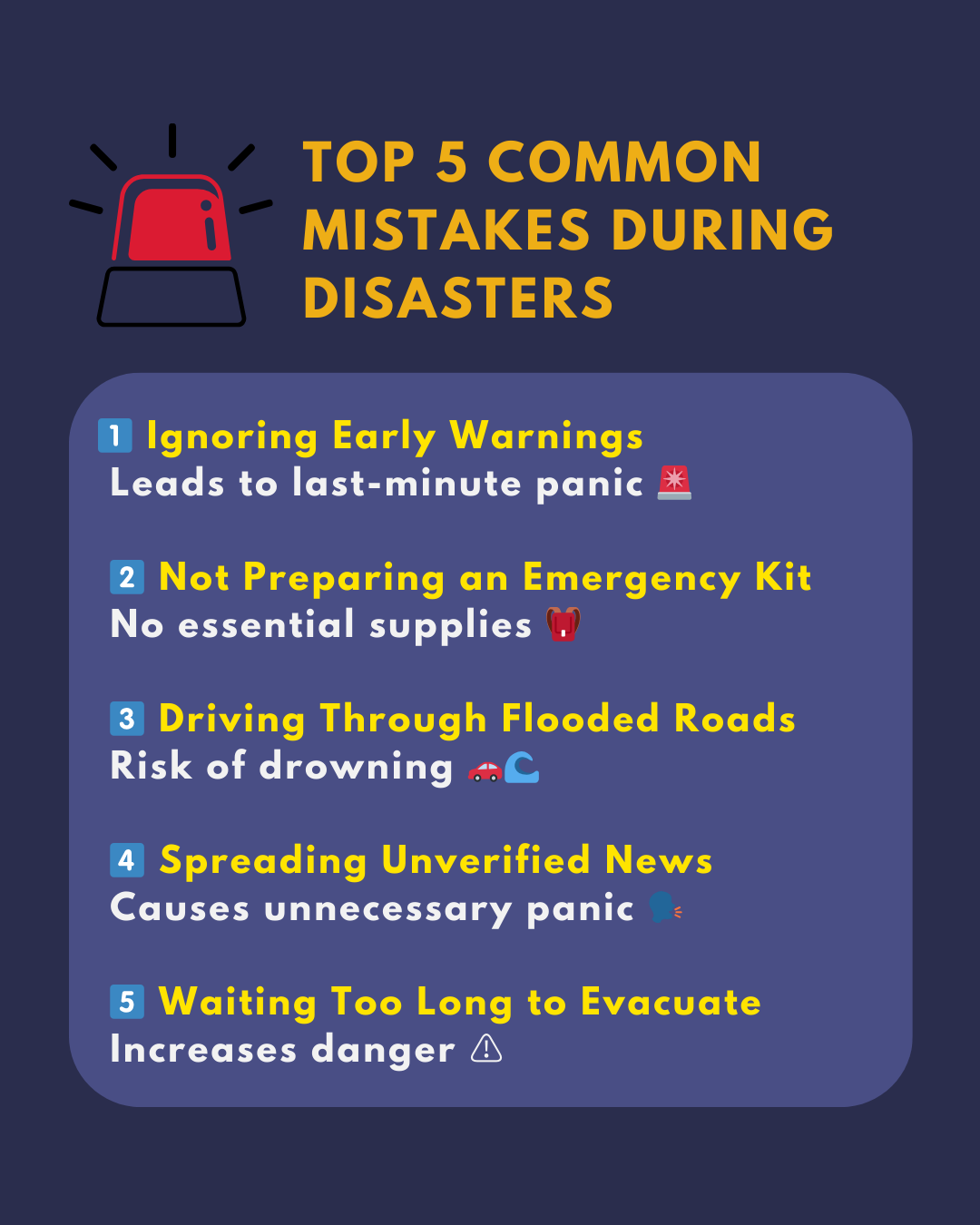
Avoid common disaster mistakes: Heed warnings, prepare an emergency kit, avoid flooded roads, verify news, and evacuate on time


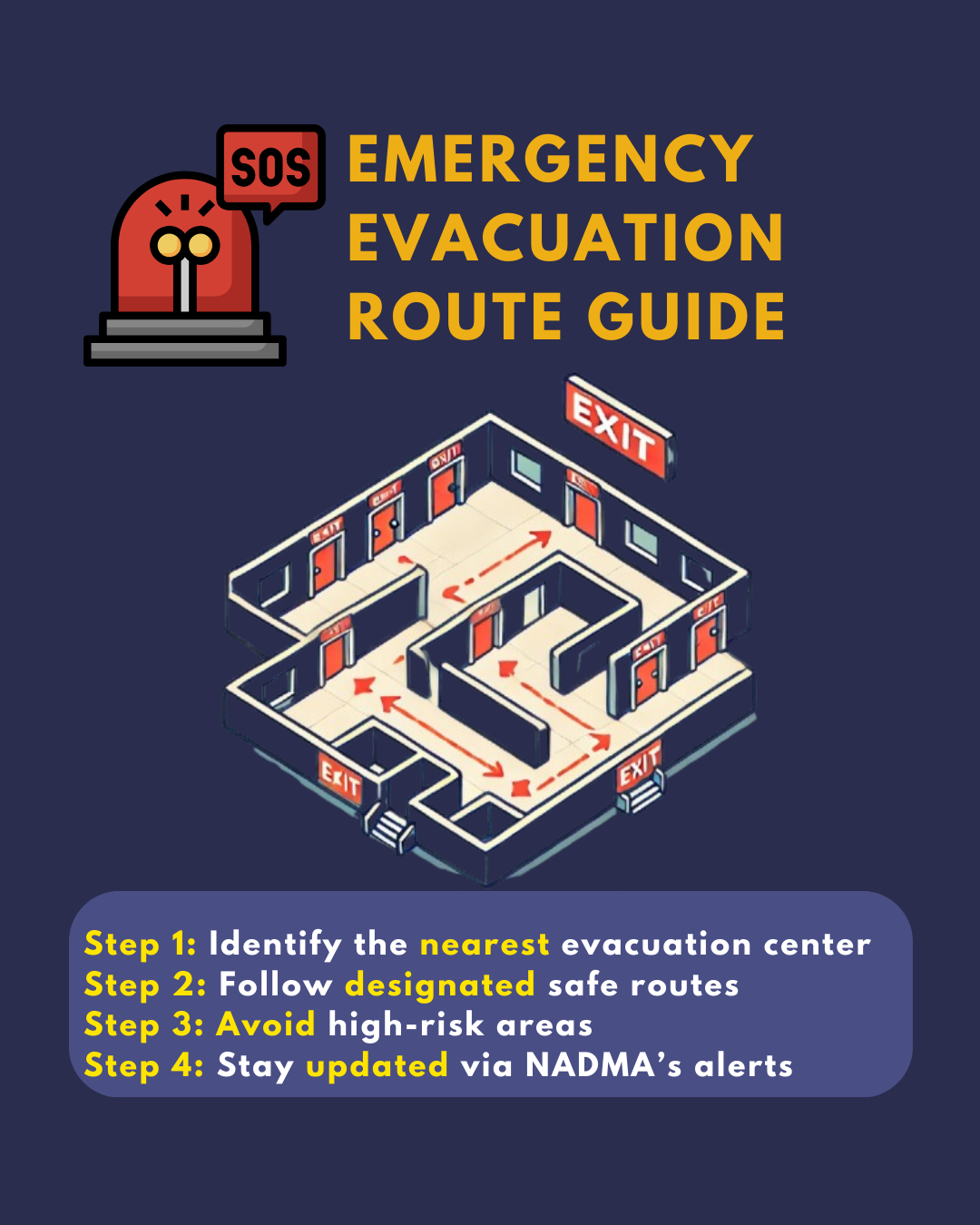
Emergency evacuation guide: Locate the nearest center, follow safe routes, avoid danger zones, and stay updated with NADMA alerts
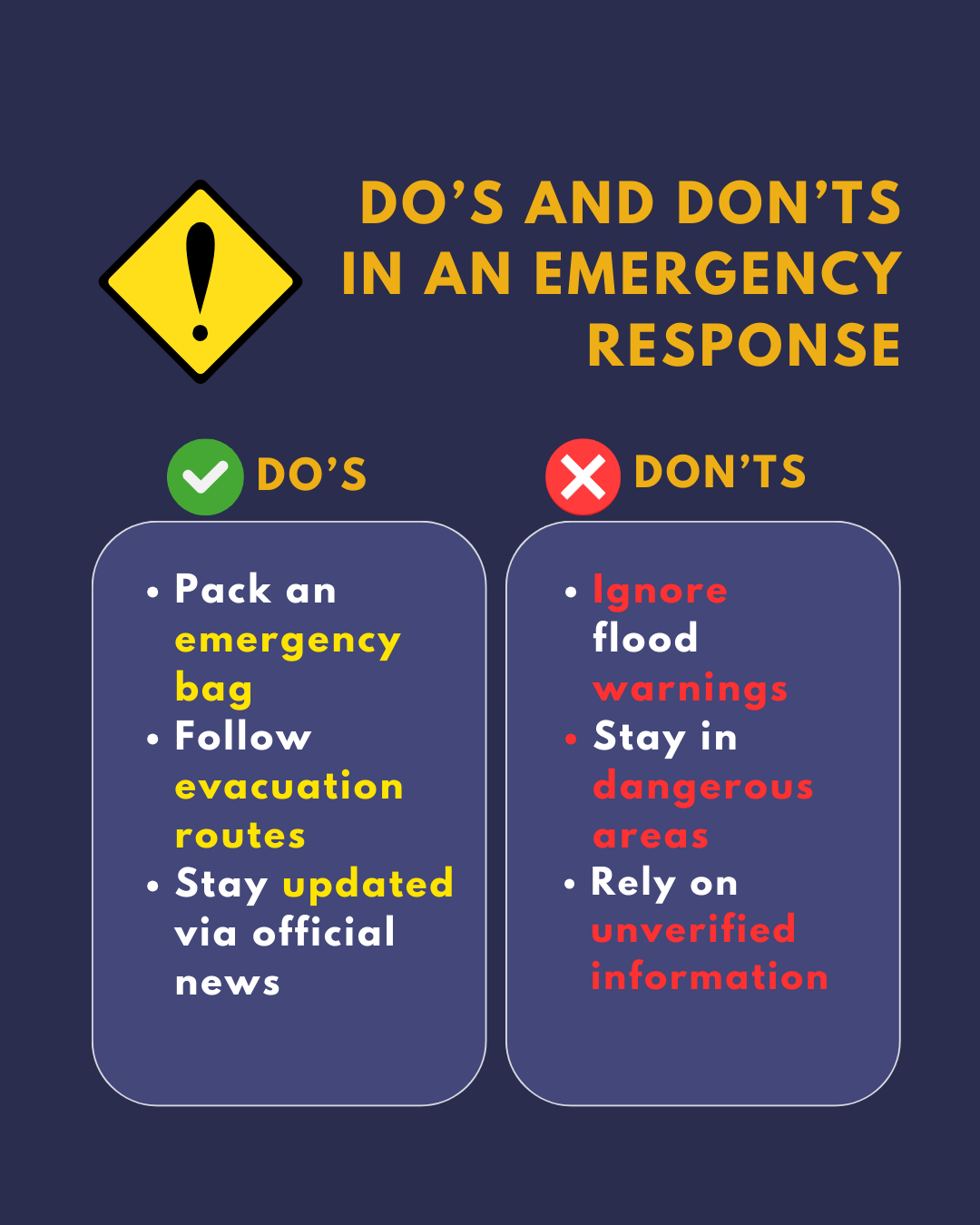
Essential emergency response tips: Pack an emergency bag, follow evacuation routes, stay updated, and avoid misinformation during crises
Explore more articles

Dari RAKAN Sarawak

Sarawak Strides Toward Digital Healthcare
In recent years, Sarawak has made significant strides toward digitalising its healthcare system. This move aims to enhance patient care, streamline operations, and ensure equitable access to health services across the region.
Video

What Is an AI-Based Diet?
What if your phone could help you eat better?
https://youtu.be/WyVqK0uuDMc
AI is changing how we choose our meals — even here in Sarawak. From personalized meal...
Dari RAKAN Sarawak

Kuasa Mikro untuk Komuniti Makro
Komuniti di Sarawak yang tanpa akses akan dibekalkan menerusi sumber diperbaharu solar atau sistem hidro mini di bawah Skim Elektrik Luar Bandar Alternatif Sarawak (SARES).
Dari RAKAN Sarawak

Spotlight on Sarawak: Civil Service Appointments under Region Autonomy
Exploring Sarawak’s autonomous civil service structure, highlighting its legal foundations, unique appointment system, inclusive policies, and recent reforms that reflect the state’s governance priorities and constitutional rights.
Dari RAKAN Sarawak
Smarter, Healthier Eating with AI
Maintaining a healthy lifestyle has grown more difficult in the modern world. Given the growing risks of food adulteration and health issues, it is imperative to ensure food safety and make educated dietary decisions.
Dari RAKAN Sarawak

Menuju Sistem Yang Lestari Dalam Perkhidmatan Awam
Artikel ini mengupas jenis-jenis lantikan dalam perkhidmatan awam serta reformasi sistem saraan negara melalui pendekatan kontrak, berpandukan merit dan data, demi kelestarian kewangan dan kecekapan pentadbiran.