


Just innews timeline
- 1 day ago
- 2 days ago
- 3 days ago
- 4 days ago
- 5 days ago
- 6 days ago
- 1 week ago
- 1 week ago
- 1 week ago
- 1 week ago
- Advertisement -
Recent Articles
Galeri Foto | Photo Gallery

Ancient Identity Woven Into Modern Threads
For over a millennium, Sarawak’s beads have signified more than beauty. From ancient trade currency to sacred family heirlooms, these intricate threads tell stories of lineage and status among the Iban, Kayan, and Kelabit. Today, artisans fuse this living heritage with a booming global craft economy
Dari RAKAN Sarawak
A Calling Beyond the Comfort of the City
Service in Sarawak’s remote outstations demonstrates that integrity in public service means honouring the state’s promises to its people even in the absence of supervision, and rendering honest and wholehearted service to communities whose trust, rather than any posting order, constitutes the true measure of duty. Bridging digital divides, delivering development, and empowering rural communities are undertakings of profound significance, as faithful and wholehearted frontline work is what carries Sarawak’s future to the people to whom it belongs.
Galeri Foto | Photo Gallery
Sungai Kian Sunyi, Jalan Raya Jadi Pilihan
Suatu ketika dahulu, sungai merupakan urat nadi pengangkutan penduduk luar bandar Sarawak. Perahu panjang, sampan, dan bot ekspres menjadi penghubung utama kampung-kampung sepanjang Sungai Rajang, Baram, dan Sungai Sarawak, membawa penumpang dan mengangkut barang, hasil pertanian serta memudahkan...
Dari RAKAN Sarawak
From Foundational Bargains to Unified Implementation
Sarawak has achieved significant milestones, including the historic 2022 constitutional amendment and exceeding renewable energy targets, positioning itself as ASEAN's "Battery." However, this progress is juxtaposed against ongoing challenges like rural water access and unresolved Native Customary Rights (NCR) land disputes, requiring continued negotiation alongside implementation.
Galeri Foto | Photo Gallery
Sarawak’s Fruit Industry: Growing Sarawak’s Future!
Sarawak's fruit industry is booming, led by premium SG-1 pineapples destined for China and Singapore exports in 2026. Backed by RM16.32 million in investments, the Tanjung Manis Pineapple Hub boosts farmer incomes, driving agricultural transformation toward Sarawak's 2030 food-exporter goal.
Dari RAKAN Sarawak
Data Guardianship Now Defines Your Public Service Future
Sarawak's digital sovereignty demands every civil servant embrace data protection as core duty. With cyber threats rising and new laws mandating accountability, safeguarding citizen information is no longer optional but essential to both state integrity and your career progression.

discover
Infographic
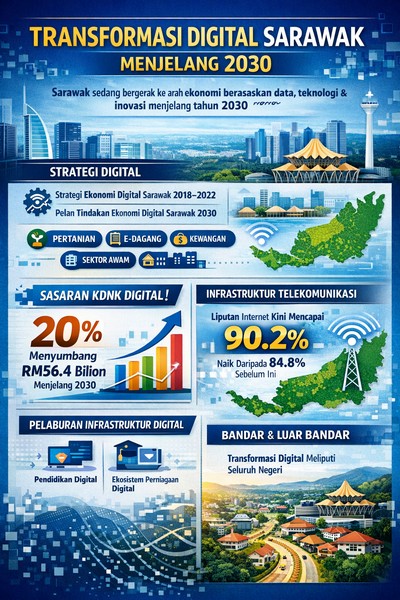
Infografik menunjukkan Transformasi Digital Sarawak Menjelang 2030
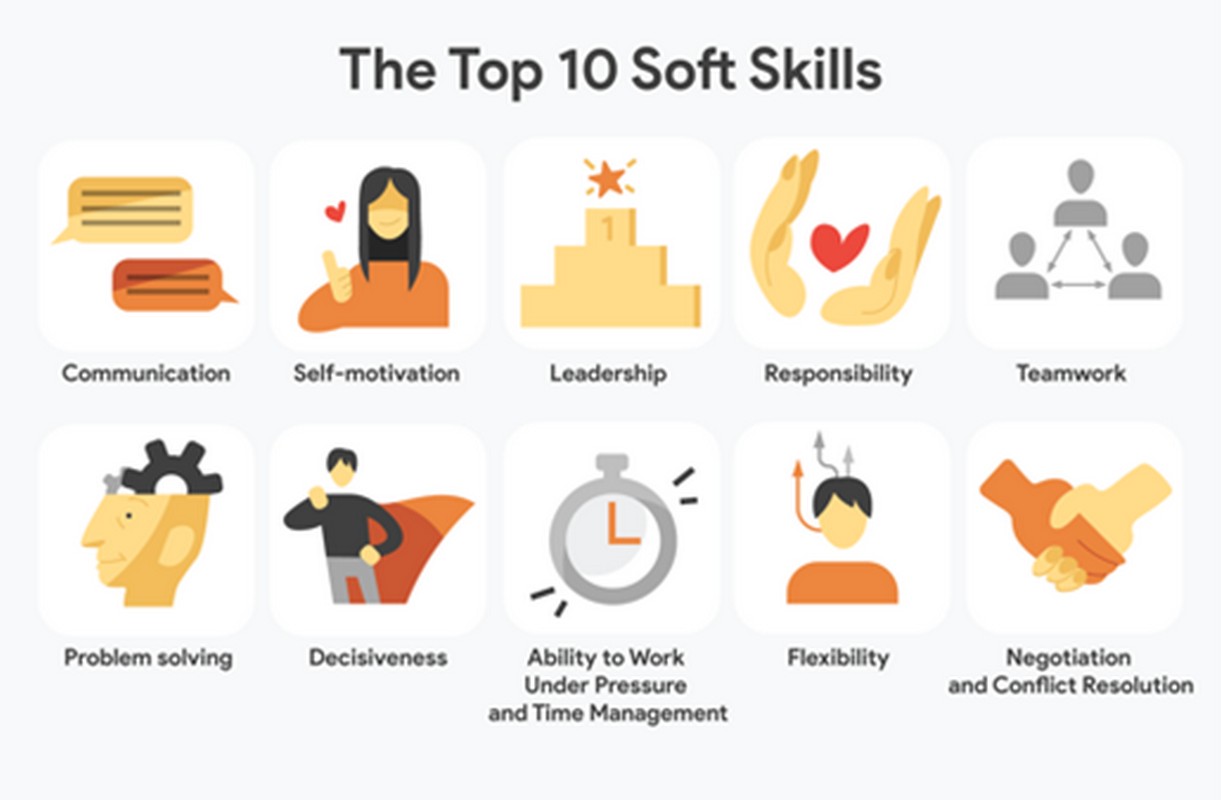
10 Soft Skills That Are Crucial for Work Readiness — Credit: NMD Training and Consultation
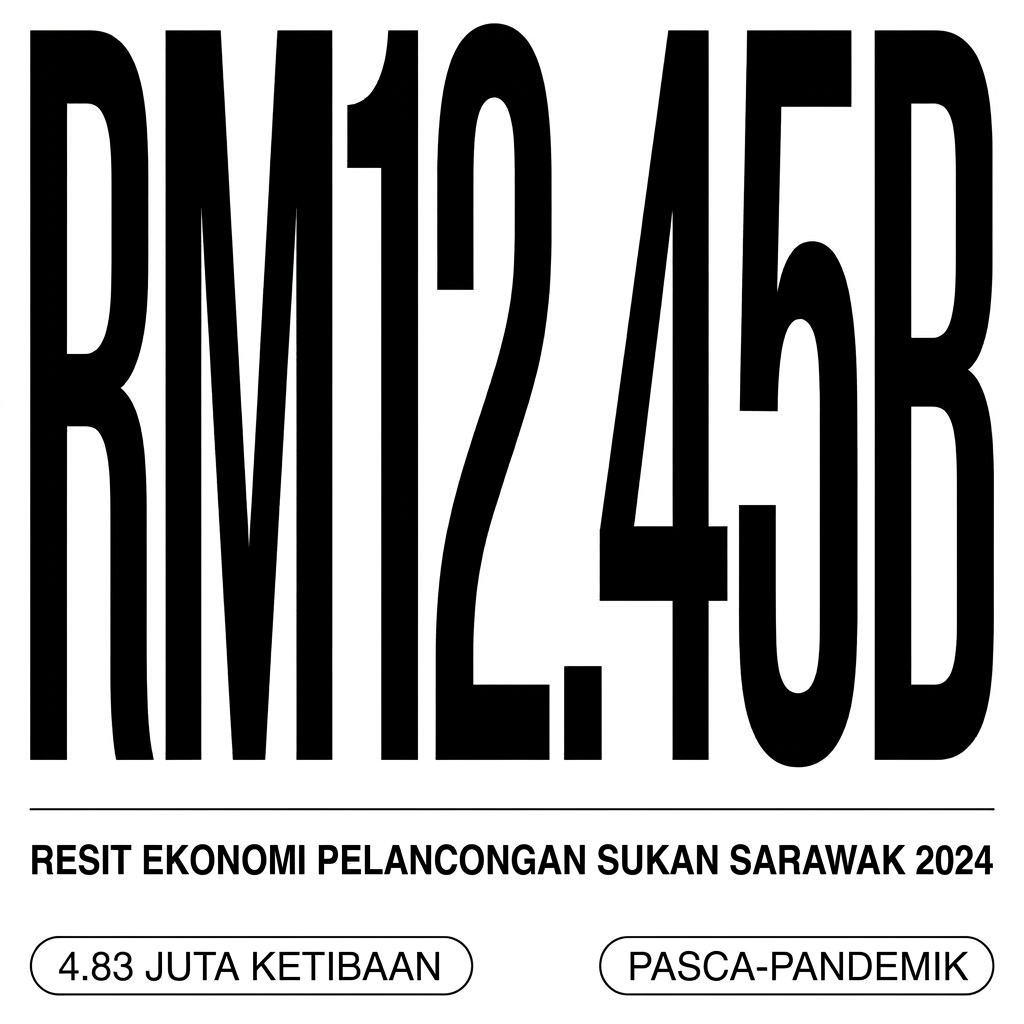
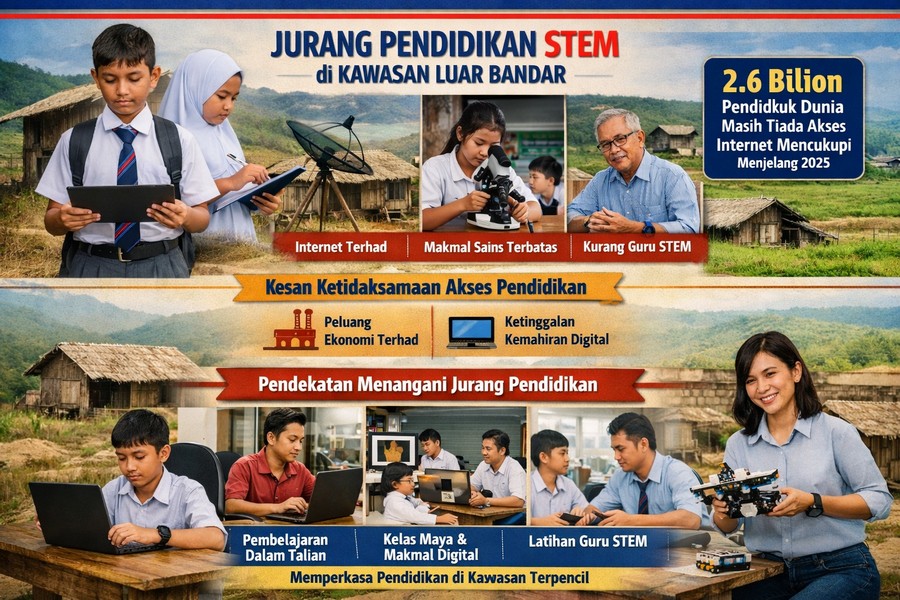
Tanpa akses kepada pendidikan STEM, pelajar luar bandar berisiko ketinggalan dalam ekonomi digital
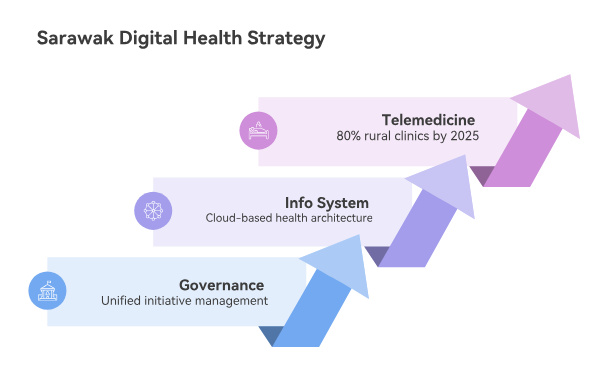
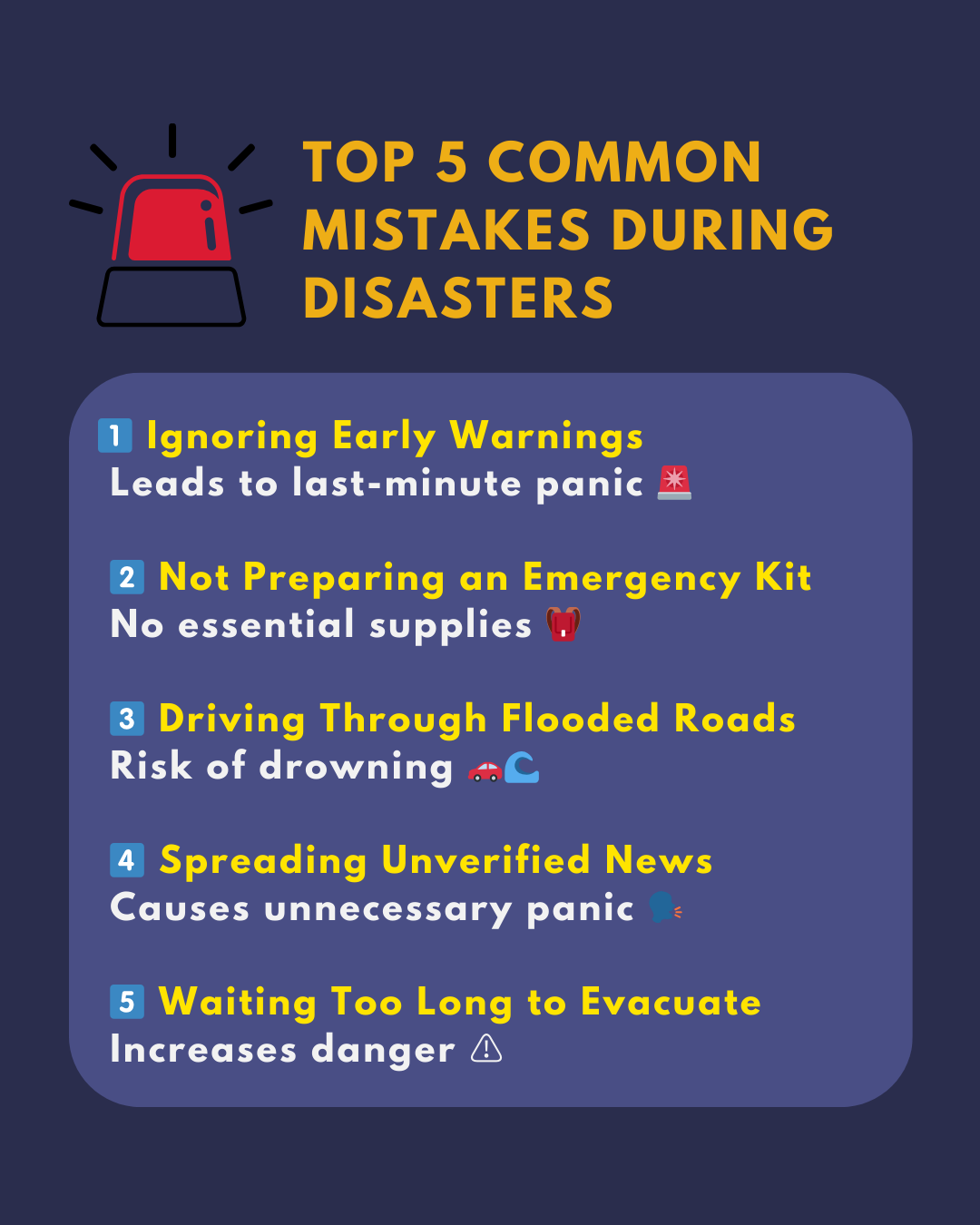
Avoid common disaster mistakes: Heed warnings, prepare an emergency kit, avoid flooded roads, verify news, and evacuate on time


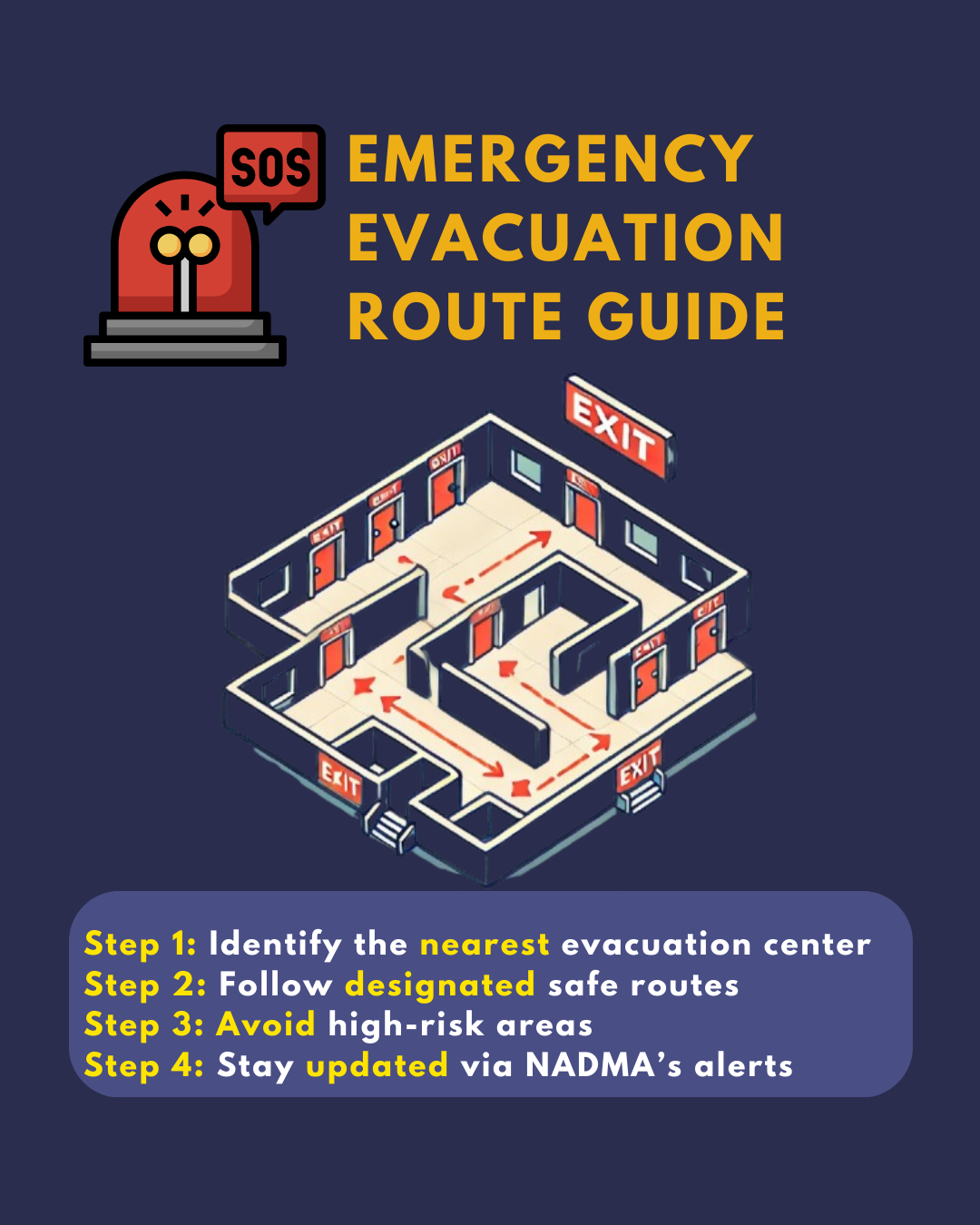
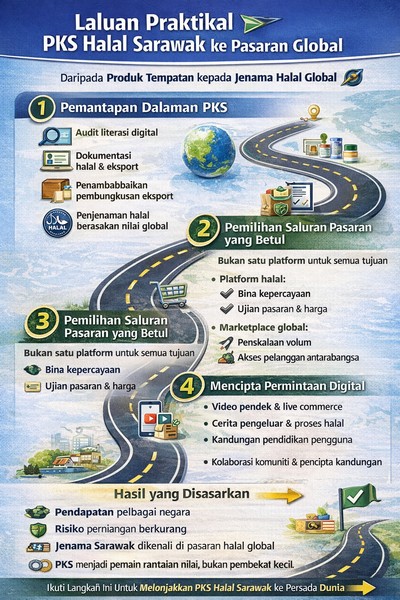
Emergency evacuation guide: Locate the nearest center, follow safe routes, avoid danger zones, and stay updated with NADMA alerts
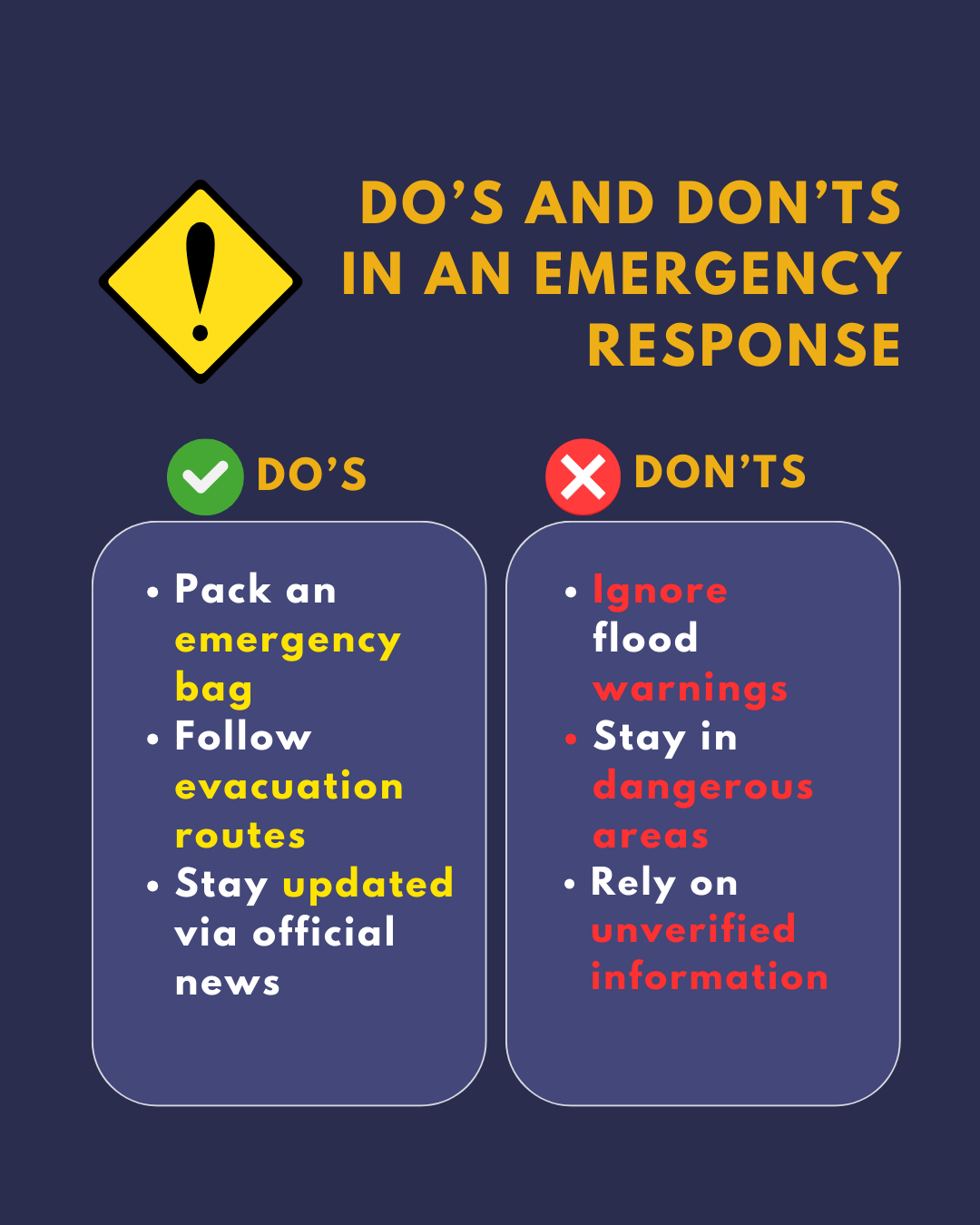
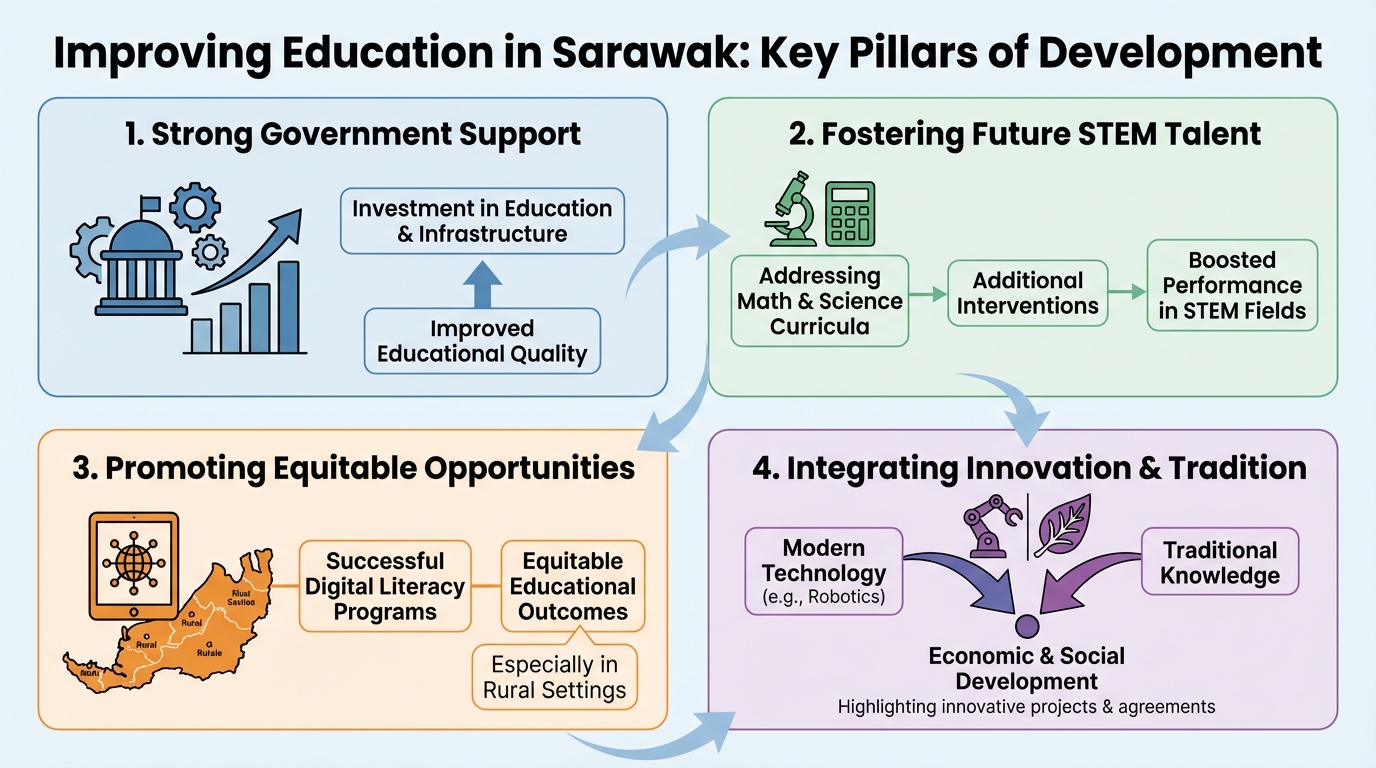
Essential emergency response tips: Pack an emergency bag, follow evacuation routes, stay updated, and avoid misinformation during crises
Explore more articles

Dari RAKAN Sarawak

Halal Tourism as Catalyst for Local Product Growth
Halal tourism is a rapidly expanding niche in the global tourism industry that caters to the specific cultural and religious needs of Muslim travellers. It integrates halal food, prayer facilities, family-oriented services, and Muslim-friendly accommodations, forming a unique tourism ecosystem.
Dari RAKAN Sarawak

Model Integrasi: Wakaf dan Kewangan Islam Pacu Pertumbuhan Usahawan Tani Halal Sarawak
Dalam landskap pembangunan ekonomi Sarawak yang semakin beralih ke arah ekonomi bernilai tinggi dan lestari, sektor pertanian halal muncul sebagai antara pemacu strategik yang masih belum dimanfaatkan sepenuhnya.
Dari RAKAN Sarawak

Transformasi Perkhidmatan dan Pembangunan Modal Insan di PKS
Penambahbaikan perkhidmatan adalah satu perjalanan berterusan, bukan destinasi, dan kejayaannya diukur melalui pengalaman sebenar orang awam yang bergantung kepada perkhidmatan tersebut.
Dari RAKAN Sarawak
Reformasi Tadbir Urus PKS
Politeknik Kuching Sarawak (PKS) terus memainkan peranan penting dalam memperkasa pendidikan dan latihan teknikal negara.
Video

Healthy Food Alternatives: Simple & Local Ideas
E-commerce is no longer just a trend — it’s part of everyday life.
https://youtu.be/adje4uwQtmY
From daily essentials to local Sarawak products, online platforms help connect buyers...
Dari RAKAN Sarawak
PKS Pacu Kecemerlangan TVET dan Transformasi Pendidikan Berasas Kualiti
Pendidikan dan Latihan Teknikal dan Vokasional (TVET) berperanan sebagai pemacu perubahan dalam melahirkan modal insan berkemahiran tinggi